Sapo: Cataract surgery may sound like something that belongs in a high-tech sci-fi clinic, but it is actually one of the most common and successful eye procedures performed today. This guide explains what happens before, during, and after cataract surgery, how recovery usually feels, what questions to ask about intraocular lenses, and how to prepare for clearer vision without turning the process into a medical mystery novel.
What Is Cataract Surgery?
Cataract surgery is a procedure that removes the eye’s cloudy natural lens and replaces it with a clear artificial lens called an intraocular lens, or IOL. A cataract forms when the natural lens becomes cloudy, making vision blurry, dim, yellowish, or glare-heavy. Many people describe it as looking through a foggy windshield that no amount of blinking can clean.
The main keyword here is simple: cataract surgery procedure. But the bigger idea is even simpler. The surgery is designed to help light pass clearly through the eye again so the retina can receive a sharper image. For many people, this can improve reading, driving, watching TV, recognizing faces, and noticing colors that have quietly been hiding under a yellow-brown filter for years.
Cataract surgery is usually performed by an ophthalmologist as an outpatient procedure. That means most patients go home the same day. The operation itself is often short, but the full visit can take longer because of check-in, eye drops, preparation, and recovery monitoring. It is typically done on one eye at a time, especially when both eyes have cataracts.
When Do You Need Cataract Surgery?
Not every cataract needs immediate surgery. Early cataracts may be managed for a while with stronger glasses, brighter lighting, anti-glare sunglasses, or magnifying lenses. Surgery usually becomes a serious option when cataracts interfere with daily life. If night driving feels like starring in a fireworks show, reading becomes frustrating, or hobbies lose their visual sparkle, it may be time to talk with an eye doctor.
Common Signs That Cataracts Are Affecting Your Life
Symptoms may include blurry or cloudy vision, faded colors, glare around headlights, difficulty seeing at night, frequent prescription changes, double vision in one eye, and needing brighter light to read. Some people notice that white objects look beige or that colors become dull. After surgery, many patients are surprised by how bright colors look again, as if someone quietly upgraded the world’s display settings.
The decision is personal. A cataract that bothers a truck driver may not bother someone who rarely drives at night. A person who paints, sews, reads, works on screens, or plays golf may notice visual changes earlier. The best timing depends on symptoms, eye health, lifestyle, and the ophthalmologist’s exam findings.
Before Cataract Surgery: How to Prepare
The “before” stage is where the planning happens. Cataract surgery may be quick, but the preparation is detailed because your eye is not a one-size-fits-all accessory. Your surgeon needs measurements, medical history, lens choices, and a recovery plan.
1. Comprehensive Eye Exam
Before surgery, your ophthalmologist will perform a complete eye exam. This usually includes checking visual acuity, eye pressure, the retina, the cornea, and the severity of the cataract. The doctor may also look for other eye conditions such as glaucoma, macular degeneration, diabetic eye disease, or dry eye. These conditions do not always prevent surgery, but they can affect expectations and recovery.
2. Eye Measurements for the Intraocular Lens
A major part of cataract surgery preparation is measuring the eye so the surgeon can choose the right IOL power. These measurements help determine how the new lens should focus light. The goal may be clearer distance vision, better near vision, astigmatism correction, or reduced dependence on glasses, depending on the lens type and your lifestyle.
3. Choosing the Right IOL
Lens choice is one of the most important conversations before cataract surgery. A monofocal IOL usually focuses at one distance, often far away, meaning reading glasses may still be needed. A toric IOL can help correct astigmatism. Multifocal and extended depth-of-focus lenses may provide a broader range of vision, but they may not be ideal for every eye or every personality. If you already complain when a restaurant menu has tiny print and moody lighting, this is the time to be honest.
Ask your surgeon what each lens can realistically do. Premium lenses may reduce glasses dependence, but they can also involve trade-offs such as halos, glare, contrast changes, adaptation time, or additional cost. The best IOL is not necessarily the fanciest one. It is the one that fits your eyes, budget, work, hobbies, and tolerance for visual quirks.
4. Medication and Health Review
Your surgical team will review your medications, allergies, and medical conditions. Do not stop medications unless your doctor tells you to. Some patients may receive eye drops before surgery to reduce infection risk or inflammation. People with diabetes, blood pressure issues, heart conditions, or immune problems may need extra coordination with their medical team.
5. Practical Preparation
You will usually need someone to drive you home after surgery. Your vision may be blurry, your eye may be dilated, and you may feel sleepy from medication. This is not the day to prove you are independent by navigating traffic like a superhero with one freshly repaired eye. Arrange a ride, prepare meals if needed, clean your home enough to reduce dust, and place eye drops somewhere easy to find.
During Cataract Surgery: What Actually Happens?
On surgery day, you will check in, confirm your information, and receive eye drops to dilate and numb the eye. Some patients also receive medicine to help them relax. Most cataract surgery is done while the patient is awake, but the eye is numbed. You may see light, movement, or colors, but you should not see the procedure in scary detail. Your eye is not hosting a horror movie; it is more like watching abstract art through a very calm medical filter.
Step-by-Step Overview of the Procedure
The most common cataract surgery method is called phacoemulsification. In this technique, the surgeon makes a tiny incision in the eye, opens the capsule that holds the lens, and uses ultrasound energy to break up the cloudy lens. The pieces are gently suctioned out. Then the surgeon inserts the folded artificial IOL through the small incision. Once inside the eye, the lens unfolds and settles into place.
Some practices use laser-assisted cataract surgery for certain steps, such as making incisions or softening the cataract. Traditional and laser-assisted approaches can both be effective. The best method depends on the surgeon’s recommendation, the eye’s anatomy, the cataract type, and the patient’s needs.
How Long Does Cataract Surgery Take?
The surgery itself often takes less than 30 minutes, though the total time at the surgery center may be a few hours. Preparation and recovery take longer than the actual procedure. In other words, you may spend more time waiting in a surgical cap than your surgeon spends removing the cataract.
Does Cataract Surgery Hurt?
Most people feel little to no pain during cataract surgery because the eye is numbed. You may feel pressure, cool fluid, or mild awareness that something is happening. After the procedure, the eye may feel gritty, scratchy, watery, or mildly tender for a few days. Many patients compare it to having an eyelash or a tiny grain of sand in the eye. Annoying? Yes. Dramatic? Usually not.
After Cataract Surgery: The First 24 Hours
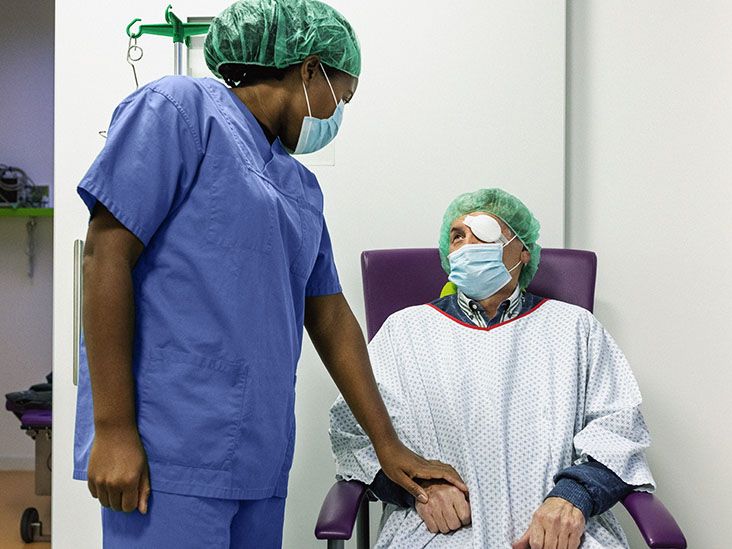
After surgery, you will rest in a recovery area while the team checks how you are doing. Your eye may be covered with a shield or protective glasses. Vision is often blurry at first because of dilation, swelling, ointment, or normal healing. Some people notice improvement within a day or two, while others need more time.
You should not drive yourself home. You may be given prescription eye drops, usually to reduce inflammation and help prevent infection. Follow the schedule carefully. Eye drops are not decorative desk accessories; they are part of the healing plan.
Normal Early Symptoms
Common early symptoms include mild redness, watering, light sensitivity, blurry vision, scratchiness, and a feeling that something is in the eye. Colors may seem unusually bright. This can be delightful, but also surprising. The white bathroom sink may suddenly look aggressively white, as if it has been training for this moment.
What to Avoid Right Away
During the first day, avoid rubbing the eye, bending deeply, heavy lifting, swimming, hot tubs, dusty environments, and getting soap or water directly in the eye. Your doctor may recommend wearing an eye shield while sleeping so you do not accidentally rub your eye in the middle of the night. Sleeping-you is not always a responsible medical assistant.
Cataract Surgery Recovery Timeline
Cataract surgery recovery varies from person to person, but many patients return to light daily activities within a day or two. Full healing may take several weeks. The exact timeline depends on eye health, surgical details, inflammation, medication use, and whether there are other conditions affecting vision.
First Few Days
Vision may fluctuate. Some hours may feel clearer than others. Mild discomfort, dryness, glare, and light sensitivity are common. Most patients can walk, read briefly, watch TV, and use screens as tolerated. However, it is wise to rest the eye and avoid overdoing it.
First Week
Many people notice clearer vision during the first week. You may have a follow-up visit so your doctor can check healing, eye pressure, and the position of the IOL. Continue using drops exactly as prescribed. Do not stop early because your eye “feels fine.” Eyes are sneaky; inflammation can still be present even when symptoms are quiet.
Two to Four Weeks
By this stage, vision often becomes more stable. Restrictions may gradually ease, but you should follow your surgeon’s instructions. Some people may still notice halos, glare, dryness, or mild blur, especially if both eyes are not yet balanced. If the second eye also needs surgery, your doctor will discuss timing.
Several Weeks Later
Once the eye has healed, your doctor may update your glasses prescription if needed. Some patients need reading glasses, distance glasses, or glasses for specific tasks. Cataract surgery can greatly improve vision, but it does not make every eye magically 20 years old again. Sadly, it also does not improve your ability to find your phone while you are holding it.
Possible Risks and Complications
Cataract surgery is generally safe and highly successful, but every surgery has risks. Possible complications include infection, bleeding, swelling, increased eye pressure, inflammation, retinal detachment, lens movement, droopy eyelid, persistent glare, or vision that does not improve as expected because of another eye disease.
Posterior Capsular Opacification
One common later issue is posterior capsular opacification, sometimes casually called a “secondary cataract.” This is not the cataract growing back. The cloudy natural lens has been removed, so it cannot return. Instead, the thin capsule behind the lens implant can become cloudy. If this happens, a quick laser procedure called YAG capsulotomy can often restore clearer vision.
When to Call the Doctor
Contact your eye doctor right away if you have severe or worsening pain, sudden vision loss, increasing redness, pus-like discharge, flashes of light, many new floaters, a curtain-like shadow in vision, nausea with eye pain, or an eye injury after surgery. Do not wait and hope serious symptoms will become polite and leave on their own.
Tips for a Smoother Recovery
A smooth recovery depends on following instructions, protecting the eye, and not trying to resume life at full speed the second vision improves. Healing is not a race, even if your newly clear vision makes you want to reorganize the garage immediately.
Use Eye Drops Correctly
Wash your hands before using drops. Do not touch the bottle tip to your eye or lashes. If you use more than one type of drop, wait the amount of time your doctor recommends between them. Create a simple checklist if the schedule is confusing. Eye drop calendars may not be glamorous, but neither is forgetting the anti-inflammatory drop.
Protect the Eye
Wear sunglasses outdoors, especially if your eye is sensitive to light. Use the eye shield as directed. Avoid rubbing the eye, even if it itches. Rubbing can interfere with healing and increase the risk of problems.
Keep Water and Irritants Away
Be careful while showering. Avoid getting soap, shampoo, or dirty water in the eye. Swimming pools, lakes, hot tubs, and dusty work areas should wait until your surgeon says they are safe. Your eye has just had a tiny, carefully controlled procedure. It does not need a surprise meeting with pool chemicals.
Ease Back Into Activity
Light walking is often fine soon after surgery, but heavy lifting, intense workouts, bending deeply, and contact sports may need to wait. Ask your surgeon for specific activity rules, especially if your job involves physical labor, dust, chemicals, screens, or driving.
Questions to Ask Before Cataract Surgery
Good questions can make the process less stressful and help set realistic expectations. Consider asking:
- Which type of intraocular lens do you recommend for my lifestyle?
- Will I still need glasses after surgery?
- Do I have astigmatism, dry eye, glaucoma, or retina issues that may affect results?
- How long should I avoid driving, lifting, swimming, and exercise?
- What symptoms are normal, and what symptoms are urgent?
- When will I have follow-up visits?
- If both eyes need surgery, how far apart will the procedures be?
The more specific you are about your daily life, the better. Tell your doctor if you drive at night, use computers for long hours, read a lot, play sports, paint, sew, golf, cook, or do close-up work. Your eyes are part of your lifestyle, not just two shiny circles on your face.
Real-World Experiences: What Cataract Surgery Often Feels Like
Many people feel nervous before cataract surgery, even when they know it is common. That is completely normal. Eyes are personal. You can casually discuss a knee procedure at lunch, but the moment someone says “eye surgery,” half the table becomes very interested in their soup. The good news is that many patients say the anticipation is harder than the procedure itself.
Before surgery, the biggest experience is usually the waiting and the decisions. Patients often spend more emotional energy choosing an IOL than they expected. A person who never thought much about vision zones suddenly has to decide whether they care more about distance, reading, computer work, night driving, or reducing glasses use. This is where honest lifestyle thinking helps. For example, someone who drives frequently at night may prioritize crisp distance vision and fewer glare issues. Someone who reads, cooks, and uses a laptop all day may ask more about intermediate and near vision.
On the day of surgery, patients often describe the environment as efficient and surprisingly calm. There are forms, wristbands, eye drops, checks, and more eye drops. The surgical team may confirm the correct eye several times. This can feel repetitive, but it is a good thing. In medicine, “measure twice, operate once” is a comforting philosophy. During the procedure, many people notice lights, colors, or gentle pressure, but not pain. Some say it feels faster than a dental cleaning. Others say the hardest part is staying relaxed while everyone else seems extremely focused on one eyeball.
The ride home can feel strange because the treated eye may be blurry, patched, shielded, or sensitive. Some patients want to test their vision immediately, while others just want a snack and a nap. Both reactions are valid. The first evening is usually about rest, drops, and not poking the eye. That last part sounds easy until the eye feels scratchy and your hand develops a suspicious desire to “just check.” Do not negotiate with the hand.
During the first few days, experiences vary. Some people wake up amazed by clearer vision. Others improve gradually. It is common for vision to fluctuate, especially while the eye adjusts. Bright colors can be exciting. Glare can be annoying. Reading may improve quickly for some, while others need glasses later. If only one eye has been treated, the difference between eyes can feel odd until the second eye is addressed or the brain adapts.
Emotionally, many patients feel relief once they realize recovery is manageable. The routine becomes simple: drops, shield, sunglasses, follow-up visit, avoid risky activities, repeat. The best experience usually comes from realistic expectations. Cataract surgery can be life-changing, but it is still healing tissue, not instant camera repair. Give the eye time. Follow the plan. Ask questions when something feels off. And enjoy the small surprises, like reading a street sign sooner, seeing a loved one’s face more clearly, or discovering that your walls were not actually cream-colored after all.
Final Thoughts
The cataract surgery procedure is usually straightforward: prepare the eye, remove the cloudy lens, place a clear artificial lens, and protect the eye while it heals. The details matter, especially before surgery when you choose an IOL and discuss expectations. During surgery, most people are awake but comfortable. After surgery, recovery usually involves drops, follow-up visits, temporary restrictions, and gradual visual improvement.
If cataracts are making everyday life harder, an eye exam can help determine whether surgery is the right next step. Clearer vision can improve confidence, safety, independence, and quality of life. It may also remind you that the world has been using brighter colors this whole timeyou just needed a clearer window.
Note: This article is for educational purposes only and does not replace medical advice, diagnosis, or treatment. Always follow the instructions of your ophthalmologist or qualified healthcare professional.