There are brewery tours, and then there is the kind of brewery tour where you walk in for a beer and leave casually explaining mash temperature, foeders, hop aroma, and why a bicycle helped launch one of America’s most recognizable craft beer brands. That is the charm of watching New Belgium make some of your favorite beers. It is not just stainless steel tanks, cheerful tap handles, and the comforting smell of warm grain. It is a behind-the-scenes look at how a Fort Collins basement idea grew into a nationally known brewing name behind Fat Tire, Voodoo Ranger, wood-aged sours, seasonal releases, and taproom-only surprises.
For beer lovers, New Belgium Brewing is one of those rare brands that feels both familiar and worth exploring again. You may know Fat Tire from a backyard cookout, Voodoo Ranger from a fridge door covered in IPA choices, or La Folie from a friend who says “sour beer changed my life” with the intensity of someone describing a mountain rescue. But seeing how these beers are made gives the glass a new personality. Suddenly, the beer is not just cold, fizzy happiness. It is a story of ingredients, equipment, people, patience, experimentation, and a little bit of controlled chaos wearing safety glasses.
Why New Belgium Is Worth Watching Up Close
New Belgium’s story begins with co-founders Jeff Lebesch and Kim Jordan, whose inspiration came after a bike trip through Belgium in 1988. Belgian brewing traditions, especially expressive yeasts and flavorful beers, helped spark the idea for a brewery back home in Fort Collins, Colorado. By 1991, brewing equipment was installed in a home basement, and the company began building what would become one of the most beloved names in American craft beer.
The bike connection became more than a cute founding detail. It helped shape the identity of Fat Tire, the beer that made New Belgium famous and turned a bicycle-inspired name into a craft beer landmark. Over time, the brewery expanded far beyond its Colorado roots, opening another major brewery and taproom in Asheville, North Carolina. Today, New Belgium is known for approachable classics, bold IPAs, wood-aged experimentation, climate-focused brewing, and a tour experience that makes visitors feel like beer production is part science lab, part kitchen, part community theater.
What You See on a New Belgium Brewery Tour
A production tour at New Belgium is designed to show how beer travels from grain to glass. The exact route may vary by location and production schedule, but the general experience introduces guests to the brewery’s history, ingredients, brewhouse operations, fermentation, packaging, sustainability systems, and, yes, samples for guests of legal drinking age. In Fort Collins and Asheville, the tours are typically structured as guided experiences, often around 90 minutes, with advanced reservations encouraged.
Expect a walking tour rather than a quick peek through a window. You may pass towering tanks, smell malt in the air, learn why hops are basically the perfume department of beer, and see the difference between the glamorous part of brewing and the unglamorous but absolutely essential cleaning. Brewing is not just “throw grain in pot, add hops, wait, become legend.” It is timing, sanitation, temperature control, yeast management, quality testing, packaging precision, and a thousand little decisions that determine whether a beer tastes bright, balanced, bitter, fruity, crisp, funky, or flat-out unforgettable.
The Brewing Process: From Grain to Glass
1. Milling and Mashing
The process starts with malted grain, usually barley, though different recipes may include wheat, oats, or other grains. The grain is milled to crack it open, then mixed with hot water in the mash tun. This step converts starches into fermentable sugars. If brewing were breakfast, this would be the oatmeal stage, except much more precise and with a happier ending.
For a beer like Fat Tire Classic Ale, malt helps create body, balance, and a subtle sweetness. For hazy IPAs in the Voodoo Ranger family, grains such as oats and wheat may contribute to a softer mouthfeel and cloudy appearance. Each grain choice changes the final experience, which is why brewing is both recipe design and flavor architecture.
2. Lautering and Boiling
After mashing, the sweet liquid called wort is separated from the spent grain. The wort is then boiled, and hops are added at different times to create bitterness, flavor, and aroma. Early hop additions tend to add bitterness, while later additions preserve more bright, aromatic qualities. This is where IPAs start stretching their legs.
Voodoo Ranger IPA, for example, is known for tropical aroma, juicy fruit character, and a bitter but refreshing finish. That personality comes from hop selection, timing, and balance. Too much bitterness without aroma can feel like licking a pinecone after losing a bet. Too much sweetness without structure can taste unfinished. The magic is in balance.
3. Fermentation
Once the wort is cooled, yeast enters the picture. Yeast is the tiny workhorse that transforms sugars into alcohol and carbon dioxide while also contributing flavor. Depending on the strain, yeast can create fruity, spicy, clean, earthy, or funky notes. New Belgium’s Belgian-inspired roots make yeast especially important to its identity.
Fermentation tanks may not look romantic from the outside, but inside them, the beer is becoming itself. Temperature, timing, and yeast health all matter. A degree too warm, a sluggish fermentation, or poor sanitation can change everything. This is why brewers tend to talk about yeast with the protective affection most people reserve for houseplants, dogs, or sourdough starters named Gerald.
4. Conditioning, Blending, and Packaging
After fermentation, beer often needs time to mature. Some beers are filtered, some remain hazy, some are dry-hopped, and some are blended. Packaging is its own technical challenge because oxygen, light, and temperature can damage flavor. Cans, bottles, and kegs must preserve the beer as the brewer intended.
At New Belgium, the packaging side is especially impressive because of the scale. Seeing beer move from tank to package makes you appreciate the difference between a small pilot batch and a beer that reaches shelves across the country. Consistency at that level is not luck. It is engineering, quality control, and a deep respect for repeatable flavor.
Fat Tire: The Beer That Put a Bike on the Map
Fat Tire is the beer many drinkers associate most closely with New Belgium. Originally famous as an amber ale, it became a symbol of the American craft beer movement. In 2023, New Belgium updated Fat Tire with a crisper, brighter profile and refreshed packaging, positioning it as an easy-drinking Classic Ale with a climate-forward message.
On a brewery tour, Fat Tire is a perfect example of how beer evolves with drinker preferences, environmental priorities, and brand identity. Some longtime fans still feel nostalgic for the original amber version, while others appreciate the lighter, cleaner direction. Either way, Fat Tire remains central to the New Belgium story because it represents more than one recipe. It represents the brewery’s willingness to adapt while keeping its bicycle bell ringing in the background.
Voodoo Ranger: The IPA Family With a Mischievous Grin
If Fat Tire is the friendly classic, Voodoo Ranger is the louder cousin who shows up wearing sunglasses indoors and somehow makes it work. The Voodoo Ranger lineup has become one of New Belgium’s biggest modern success stories, especially among IPA fans. The family includes beers built around citrus, tropical fruit, haze, higher ABV, and hop-forward intensity.
Original Voodoo Ranger IPA leans into Mosaic and Amarillo hop character, offering tropical aromas and juicy fruit notes with a clean bitter finish. Juicy Haze brings a softer, hazier profile with citrus and tropical flavors. Sweet Ride Juicy IPA adds a bright, crushable approach with hops such as Sabro, Lotus, Strata, and HBC 522. These beers show how modern IPA brewing is not just about bitterness anymore. It is about aroma, texture, drinkability, and creating a flavor that feels like sunshine got into a fistfight with a fruit stand.
The Wood Cellar: Where Beer Learns Patience
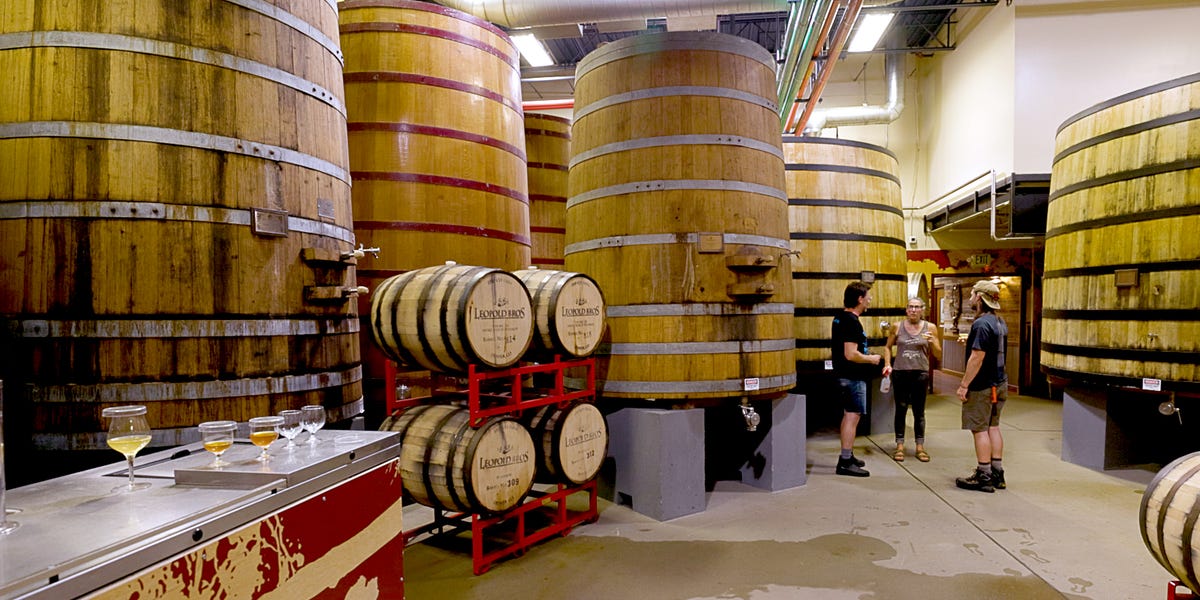
New Belgium is also known for its sour and wood-aged beer program. Beers such as La Folie helped build the brewery’s reputation among fans who enjoy tart, layered, complex flavors. Wood aging is a slower and more unpredictable side of brewing. Instead of pushing beer quickly from tank to package, brewers may allow beer to mature in large oak vessels called foeders.
Wood-aged sour beer depends on time, microorganisms, blending skill, and sensory judgment. It is less like making a standard batch of beer and more like conducting a choir where half the singers are invisible microbes. The result can be deeply flavorful: tart cherry, oak, leather, dark fruit, acidity, and earthy complexity. Even if sour beer is not your everyday choice, seeing the wood cellar helps explain why beer lovers talk about these releases with such devotion.
Sustainability Is Part of the Show
One of the most interesting parts of watching New Belgium make beer is seeing how sustainability is woven into the brewing conversation. Beer production uses water, energy, agricultural ingredients, packaging, transportation, and refrigeration. New Belgium has long emphasized climate action, clean energy, wastewater systems, heat capture, solar power, and carbon-neutral goals.
Fat Tire has been promoted as America’s first nationally distributed certified carbon neutral beer, and the brewery has discussed a broader goal of carbon neutrality across operations. Whether visitors are deeply invested in climate issues or simply curious about how modern breweries reduce waste, New Belgium’s approach adds a layer of meaning to the tour. You are not only watching beer being made; you are watching a company wrestle with what responsible brewing can look like at scale.
Fort Collins vs. Asheville: Two Taprooms, One Spirit
The Fort Collins brewery is the original home base, and it carries the weight of the founding story. For travelers in Colorado, it is a classic craft beer pilgrimage. The campus has a lively taproom feel, production facilities, outdoor space, and a sense of history that makes it more than another stop on a beer map.
The Asheville location brings New Belgium into one of America’s most exciting beer cities. Asheville is already famous for its craft beer culture, so New Belgium fits naturally into a destination where visitors may plan an entire weekend around breweries, food trucks, mountain views, and pretending a four-stop tasting itinerary counts as “cultural research.” The Asheville brewery offers its own production tour experience and has become a major part of the city’s beer landscape.
Tips Before You Go
Before booking a tour, check the current schedule, age rules, footwear requirements, and ticket availability directly with the brewery. Production areas can require closed-toe shoes, safety glasses, and other practical rules because guests may enter regulated working spaces. This is not the day for flip-flops, no matter how emotionally attached you are to them.
Arrive early enough to park, check in, and enjoy the taproom atmosphere. Eat before or during your visit if food is available, especially if you plan to sample. Bring curiosity. Ask questions. Brewers and tour guides are usually happy to explain the difference between ale and lager yeast, why hazy IPAs look like breakfast juice, or how a brewery cleans tanks big enough to make your apartment feel emotionally inadequate.
Experience Section: What It Feels Like to Watch New Belgium Make Some of Your Favorite Beers
The best part of watching New Belgium make beer is that it changes the way you taste the beer afterward. Before the tour, a pint may feel simple: cold glass, golden liquid, foam on top, done. After the tour, that same pint becomes a little documentary. You notice the malt first, then the hop aroma, then the finish. You start thinking about yeast as a living ingredient instead of a mysterious brewing footnote. You may even find yourself sniffing your beer like a very serious person at a very unserious table.
Walking through the brewery creates a sensory memory. The brewhouse smells warm and grainy, like bread dough thinking about becoming beer. The tank rooms feel industrial but clean, full of curved steel, hoses, gauges, valves, and ladders. The packaging area has motion and rhythm, with cans or bottles moving in organized lines like tiny commuters heading to happy hour. It is easy to forget how much coordination sits behind one casual six-pack until you see the machinery, testing, cleaning, and human attention involved.
There is also something unexpectedly personal about the tour. New Belgium’s origin story is not presented as a dusty corporate timeline. It still feels connected to adventure: a bike ride, a homebrewing idea, a basement, a willingness to make beer differently. That story matters because craft beer fans often love more than flavor. They love personality. New Belgium has plenty of it. The brand can talk about carbon neutrality, Belgian yeast, Voodoo Ranger cartoons, and wood-aged sour beer without sounding like four different companies trapped in one trench coat.
If you are visiting with friends, the tour gives you conversation fuel. Someone will become fascinated by hops. Someone else will point at the tanks and say, “I want one of those,” despite having no reasonable place to put it. A sour beer fan may start glowing when the wood cellar comes up. An IPA fan may suddenly care deeply about hop varieties. The casual drinker may discover that brewing is more culinary than they expected. Everyone leaves with at least one fact they will absolutely repeat later, probably with slightly too much confidence.
The tasting portion, when available to guests 21 and older, ties the experience together. Sampling beer after learning how it is made makes the flavors feel clearer. Fat Tire tastes more connected to the brewery’s history. Voodoo Ranger tastes more intentional, less like “IPA happened” and more like a carefully designed hop showcase. A sour beer becomes less strange once you understand time, wood, blending, and microbes. Even if you do not love every style, you can appreciate the craft behind it.
For travelers, the experience also works because it is not only about drinking. It is about place. Fort Collins offers Colorado craft beer heritage, while Asheville offers a mountain-city beer scene full of energy. New Belgium gives visitors a reason to slow down, look behind the curtain, and see beer as a product of culture, science, sustainability, and play. That combination is why the tour remains memorable. You arrive expecting tanks and samples. You leave understanding why your favorite beers taste the way they do.
Conclusion
Watching New Belgium make some of your favorite beers is more than a fun stop for craft beer fans. It is a guided look at one of America’s most influential brewing stories, from a Belgium-inspired bike ride to major breweries in Fort Collins and Asheville. Along the way, you can learn how Fat Tire became a craft beer icon, why Voodoo Ranger dominates the modern IPA conversation, how wood-aged beers develop their complexity, and what sustainability looks like inside a real production brewery.
The tour experience turns familiar beers into something richer. You see the ingredients, equipment, people, and values behind the glass. You learn that beer is not just made; it is designed, tested, cleaned, packaged, refined, and shared. And when you finally sit down with a pint afterward, it tastes a little differentnot because the recipe changed, but because you did.
Note: Visitors should confirm current tour times, ticket prices, age requirements, safety rules, and tasting availability directly with New Belgium before planning a trip. Please enjoy beer responsibly and follow all local drinking-age laws.