Osteoporosis is often called a “silent disease,” which sounds mysterious until you realize it simply means your bones can get weaker without sending a dramatic warning text first. No fever. No rash. No flashing red light over your kneecap. Many people discover osteoporosis only after a fracture, a bone density test, or a doctor gently saying, “Let’s talk about your skeleton.”
The good news is that bone health is not a lost cause after midlife, menopause, a family history of fractures, or years of forgetting that calcium is not just something in milk commercials. Osteoporosis prevention and treatment can be practical, personalized, and surprisingly empowering. With the right mix of nutrition, weight-bearing exercise, fall prevention, medical screening, and medication when needed, many people can lower fracture risk and stay active for decades.
This guide explains what osteoporosis is, who is at risk, how it is diagnosed, and which prevention and treatment strategies are most useful. Think of it as a friendly owner’s manual for your bonesminus the tiny print and confusing diagrams.
What Is Osteoporosis?
Osteoporosis is a condition in which bones lose density and strength, making them more likely to break. Healthy bone is living tissue. It is constantly being broken down and rebuilt through a process called remodeling. When bone breakdown happens faster than bone rebuilding, bones become thinner, more porous, and less able to handle everyday stress.
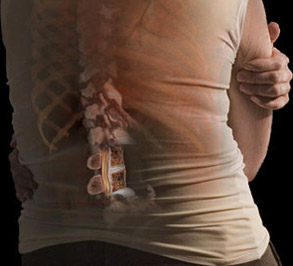
The most common fracture sites linked to osteoporosis are the hip, spine, and wrist. A hip fracture can seriously affect mobility and independence. Spinal compression fractures may cause back pain, height loss, and a curved posture. Wrist fractures often happen when someone tries to catch themselves during a fall. In other words, osteoporosis does not usually hurt until it suddenly does.
Osteopenia is a related term that means bone density is lower than normal but not low enough to be classified as osteoporosis. It is not a reason to panic, but it is a useful warning sign. Osteopenia is like your bones tapping you on the shoulder and saying, “Maybe we should start taking the stairs, eating better, and discussing risk factors.”
Why Osteoporosis Happens
Bone mass typically builds during childhood, adolescence, and young adulthood, reaching a peak around the late 20s to early 30s. After that, bone loss gradually becomes part of aging. For women, bone loss often speeds up after menopause because estrogen levels drop. Men can also develop osteoporosis, especially with aging, low testosterone, certain medications, heavy alcohol use, smoking, or chronic medical conditions.
Common Risk Factors
Some osteoporosis risk factors cannot be changed. These include older age, family history, previous fragility fracture, smaller body frame, and being postmenopausal. Others can be improved, including low calcium intake, low vitamin D, inactivity, smoking, excessive alcohol, poor protein intake, and home hazards that increase fall risk.
Medications matter too. Long-term use of glucocorticoids, such as prednisone, can weaken bones. Some cancer therapies, anti-seizure medications, acid-reducing drugs, and hormone-suppressing treatments may also affect bone density. Anyone taking long-term medication should ask whether bone health monitoring is needed.
How Osteoporosis Is Diagnosed
The most common test for osteoporosis is a bone density scan called a DXA or DEXA scan. It is painless, quick, and usually measures bone density at the hip and spine. The result includes a T-score. A T-score of -1.0 or above is generally considered normal. A score between -1.0 and -2.5 suggests osteopenia. A score of -2.5 or lower indicates osteoporosis.
Doctors may also use fracture risk tools, such as FRAX, to estimate the chance of a major osteoporotic fracture or hip fracture over the next 10 years. This matters because treatment decisions are not based on one number alone. A person with osteopenia and several risk factors may need more aggressive prevention than someone with the same bone density score but fewer risks.
Who Should Ask About Screening?
Women age 65 and older are commonly advised to be screened for osteoporosis. Postmenopausal women younger than 65 may also need screening if they have risk factors, such as a parent with a hip fracture, smoking, low body weight, heavy alcohol use, or previous fracture. Men should also discuss screening if they have risk factors, especially after age 70 or with long-term steroid use, low testosterone, or a history of fractures.
Prevention: How to Build a Bone-Friendly Lifestyle
Osteoporosis prevention is not about doing one magical thing. It is about building a daily routine that gives bones what they need: minerals, muscle support, balance, and fewer opportunities to crash into the furniture.
1. Get Enough Calcium
Calcium is the main mineral that gives bones their structure. Adults generally need about 1,000 to 1,200 milligrams of calcium per day, depending on age and sex. Food is usually the best first choice because calcium-rich foods often bring other nutrients along for the ride.
Good sources include milk, yogurt, cheese, fortified plant milks, calcium-set tofu, canned salmon or sardines with bones, kale, bok choy, collard greens, almonds, and fortified cereals. Spinach is nutritious, but it contains oxalates that reduce calcium absorption, so it should not be your only calcium hero.
Supplements can help when diet falls short, but more is not always better. Too much calcium may cause side effects or interact with certain medications. A healthcare professional can help determine whether a supplement is needed and what dose makes sense.
2. Do Not Forget Vitamin D
Vitamin D helps the body absorb calcium. Without enough vitamin D, calcium is like a delivery truck that cannot find the correct address. Vitamin D comes from sun exposure, fortified foods, fatty fish, egg yolks, and supplements. Many people, especially older adults or those who spend little time outdoors, may have low vitamin D levels.
A doctor may recommend a blood test if deficiency is suspected. Vitamin D supplements can be useful, but mega-dosing without medical advice is not a smart shortcut. Bones appreciate balance, not nutritional fireworks.
3. Eat Enough Protein
Protein supports bone structure and muscle strength. Strong muscles help protect bones by improving balance and reducing falls. Good protein sources include fish, poultry, eggs, beans, lentils, tofu, Greek yogurt, lean meats, nuts, and seeds. Older adults sometimes eat too little protein, especially when appetite decreases, chewing becomes difficult, or meals become repetitive.
A simple example: breakfast with Greek yogurt, berries, and fortified cereal gives calcium, protein, and other nutrients in one bowl. Lunch with salmon, leafy greens, and beans gives another bone-friendly boost. Dinner does not need to be fancy. Even tofu stir-fry with bok choy and brown rice can do the job.
4. Exercise for Bones and Balance
Weight-bearing exercise tells bones to stay strong. Walking, stair climbing, dancing, hiking, and low-impact aerobics are useful options. Resistance training also matters because muscles pull on bones, which helps stimulate bone maintenance. This can include lifting weights, using resistance bands, or doing body-weight exercises such as squats and wall push-ups.
Balance training is equally important. Tai chi, yoga, heel-to-toe walking, and simple balance drills can reduce fall risk. If osteoporosis is advanced or there has already been a fracture, exercise should be chosen carefully. High-impact moves, deep forward bends, and twisting motions may not be safe for everyone. A physical therapist can help design a safer routine.
5. Stop Smoking and Limit Alcohol
Smoking is bad for bones, blood vessels, lungs, and nearly everything else except possibly the profits of people selling wrinkle cream. It is linked with lower bone density and higher fracture risk. Alcohol should also be limited because heavy drinking can interfere with calcium balance, hormones, coordination, and fall risk.
6. Make Falls Less Likely
Fall prevention is osteoporosis treatment in disguise. A person can have thin bones for years without a fracture, but one bad fall can change everything. Remove loose rugs, improve lighting, install grab bars in bathrooms, keep walkways clear, wear supportive shoes, and check vision regularly. Review medications with a healthcare provider, especially if they cause dizziness, sleepiness, or low blood pressure.
Treatment Options for Osteoporosis
When fracture risk is high, lifestyle changes alone may not be enough. Osteoporosis medications can reduce the chance of fractures, especially in people with very low bone density, previous fragility fractures, or high FRAX risk.
Bisphosphonates
Bisphosphonates are often first-line medications for osteoporosis. They work by slowing bone breakdown. Common examples include alendronate, risedronate, ibandronate, and zoledronic acid. Some are taken as weekly or monthly pills, while others are given by IV infusion.
Oral bisphosphonates must be taken exactly as directed, usually first thing in the morning with plain water, followed by staying upright and waiting before eating. This helps reduce irritation of the esophagus. Rare risks, such as jawbone problems or unusual thigh bone fractures, are part of the conversation, especially with long-term use. For many high-risk patients, however, the fracture-prevention benefits outweigh the risks.
Denosumab
Denosumab is an injection usually given every six months. It slows bone breakdown and can be helpful for people who cannot take bisphosphonates. One important point: denosumab should not be stopped suddenly without a follow-up plan because bone loss can rebound. If treatment is paused, another medication may be needed to protect bone density.
Anabolic Bone-Building Medications
Some medications stimulate new bone formation. These include teriparatide, abaloparatide, and romosozumab. They are often considered for people at very high fracture risk, such as those with multiple fractures or very low bone density. Because these medicines have specific time limits, risks, and follow-up needs, they are typically managed by clinicians experienced in osteoporosis care.
Hormone-Related Options
Selective estrogen receptor modulators, such as raloxifene, may be used in certain postmenopausal women, especially when spine fracture prevention is a priority. Hormone therapy can help bone density but is not usually used only for osteoporosis prevention because it has broader risks and benefits. Treatment choice depends on age, symptoms, cancer risk, clot risk, heart health, and personal preferences.
Monitoring: How Do You Know Treatment Is Working?
Osteoporosis care is not “take a pill and vanish for five years.” Follow-up matters. Doctors may repeat a DEXA scan after one to two years, depending on the situation. They may also check calcium, vitamin D, kidney function, thyroid function, or other labs if secondary causes are suspected.
Medication adherence is a major issue. Osteoporosis drugs cannot help if they are sitting in the cabinet next to expired cough drops. If side effects, cost, swallowing problems, or confusion about instructions get in the way, tell a healthcare provider. There is usually another option.
Questions to Ask Your Doctor
Good osteoporosis care is a team sport. Useful questions include: What is my T-score? What is my 10-year fracture risk? Do I need medication or lifestyle changes first? How much calcium and vitamin D should I get from food and supplements? Are any of my current medicines affecting my bones? What exercises are safe for me? When should I repeat my bone density test?
Also ask what would change the plan. For example, a new fracture, a major fall, weight loss, starting steroid medication, or a new medical condition may mean it is time to reassess.
Living With Osteoporosis: Practical Experiences and Lessons From Real Life
Living with osteoporosis is not just a medical checklist. It is a daily experience made up of little decisions: what to eat, how to move, which shoes to wear, whether to ignore that loose rug for the 400th time, and how to stay active without treating your body like a porcelain museum exhibit.
One common experience is surprise. Many people feel perfectly fine when they are diagnosed. They may walk, garden, travel, lift groceries, and chase grandchildren without pain. Then a DEXA scan shows osteoporosis, and suddenly the skeleton feels like breaking news. The first emotional reaction may be fear: “Can I still exercise?” “Will I break a bone if I sneeze?” “Do I have to give up everything fun?” The answer is usually no. Osteoporosis requires respect, not panic.
A helpful approach is to turn prevention into routines instead of chores. For example, one person might keep fortified milk or yogurt in the refrigerator and pair it with breakfast every morning. Another might place resistance bands near the television and do gentle strength exercises during a favorite show. Someone else may start walking after lunch because it supports bones, digestion, mood, and the noble mission of avoiding the afternoon cookie ambush.
Home safety can feel annoying at first, but it quickly becomes empowering. Adding nightlights, clearing clutter, securing cords, and using nonslip mats may not sound glamorous. No one brags at dinner, “You should see my bathroom grab bar.” Yet these changes reduce fall risk, and fall prevention is one of the most practical ways to prevent fractures. The best safety upgrades are the ones that make life easier without making the home feel clinical.
Medication decisions can bring mixed feelings. Some people worry about side effects, while others feel relieved that treatment exists. The key experience here is conversation. Patients do best when they understand why a medication is recommended, how long it may be used, what side effects to watch for, and what happens if they stop. A person taking a weekly bisphosphonate, for instance, may need a simple written routine: take it with water, stay upright, wait before breakfast. Tiny details can make a big difference.
Exercise also becomes a lesson in humility and creativity. A former runner may switch to brisk walking and strength training. A person who dislikes gyms may try dancing, tai chi, or supervised physical therapy. The goal is not to become a superhero in compression socks. The goal is to build strength, improve balance, and keep enjoying life with fewer fracture risks.
Perhaps the most important experience is learning that bone health is long-term work. Progress may not be dramatic from week to week. Bones do not send thank-you notes after a calcium-rich dinner. But over months and years, consistent habits matter. Osteoporosis may be silent, but prevention and treatment are active, practical, and very much within reach.
Conclusion
Osteoporosis is common, serious, and often quiet until a fracture occurs. But it is also manageable. Prevention starts with strong daily basics: enough calcium, vitamin D, protein, weight-bearing exercise, resistance training, balance work, no smoking, limited alcohol, and a safer home. Diagnosis usually involves a DEXA scan and a broader look at fracture risk. Treatment may include medications that slow bone loss or build new bone, especially for people at high risk.
The best plan is personal. A 68-year-old woman with a prior wrist fracture, a 55-year-old taking long-term prednisone, and a 72-year-old man with low testosterone may all need different strategies. What they share is the same goal: fewer fractures, stronger movement, and more years of independence. Your bones may be quiet, but they are listening. Treat them well.