Some homes look organized because every object is lined up like it is waiting for inspection from a very strict museum curator. Other homes feel organized because they simply work. The cereal is where breakfast happens. The keys are not living a mysterious second life under the sofa. The laundry room does not require a search warrant. That is the quiet magic behind the trend of everyday essentials: useful, good-looking, easy-to-maintain home basics that make daily life smoother without turning your house into a storage showroom.
“Trending on The Organized Home: Everyday Essentials” is less about buying more things and more about choosing better systems. The best organized homes are not built from complicated hacks, color-coded anxiety, or bins so fancy you are afraid to touch them. They are built from practical home organization ideas: baskets that actually fit your shelves, drawer dividers that stop utensils from staging a rebellion, labeled containers that help everyone in the household find what they need, and small habits that prevent clutter from becoming a full-time roommate.
Today’s most useful home organization essentials share one big theme: they support real life. They work for busy mornings, muddy shoes, grocery restocks, school papers, pet supplies, phone chargers, and that one drawer everyone pretends not to know about. Let’s explore the everyday essentials that are shaping smarter, calmer, and more stylish homes.
What “Everyday Essentials” Really Means in an Organized Home
Everyday essentials are the items and systems you touch constantly. They are not the once-a-year roasting pan or the formal tablecloth you inherited and still cannot fold correctly. They are the storage tools, cleaning basics, entryway helpers, kitchen containers, laundry supplies, and paper-management systems that keep a home moving.
The trend is rooted in a simple idea: organization should reduce friction. If a system takes too long to use, it will fail. If a bin is beautiful but too heavy to pull down, it becomes decor with commitment issues. If labels are vague, nobody knows where the batteries go, and suddenly every remote control in the house becomes a tiny monument to chaos.
The New Rule: Practical First, Pretty Second
Modern home organization has moved away from perfection and toward function. Matching containers and calm color palettes are still popular, but they are no longer the whole story. A truly organized home asks better questions: Can you find it? Can you put it back easily? Does the system fit your routine? Does it save time instead of creating another chore?
When the answer is yes, even humble essentials can feel luxurious. A well-placed tray for mail, a basket for dog leashes, a turntable for oils and vinegars, or a simple drawer insert for socks can make everyday life feel surprisingly polished. Not “private chef and live-in organizer” polished, but “I found my sunglasses before leaving the house” polished. Frankly, that is the kind of luxury most of us can use.
Entryway Essentials: The First Line of Defense Against Clutter
The entryway is where the outside world crashes into your home. Shoes, bags, umbrellas, packages, receipts, sunglasses, and random pebbles from a child’s pocket all arrive here. Without a system, the entry becomes a clutter landing strip.
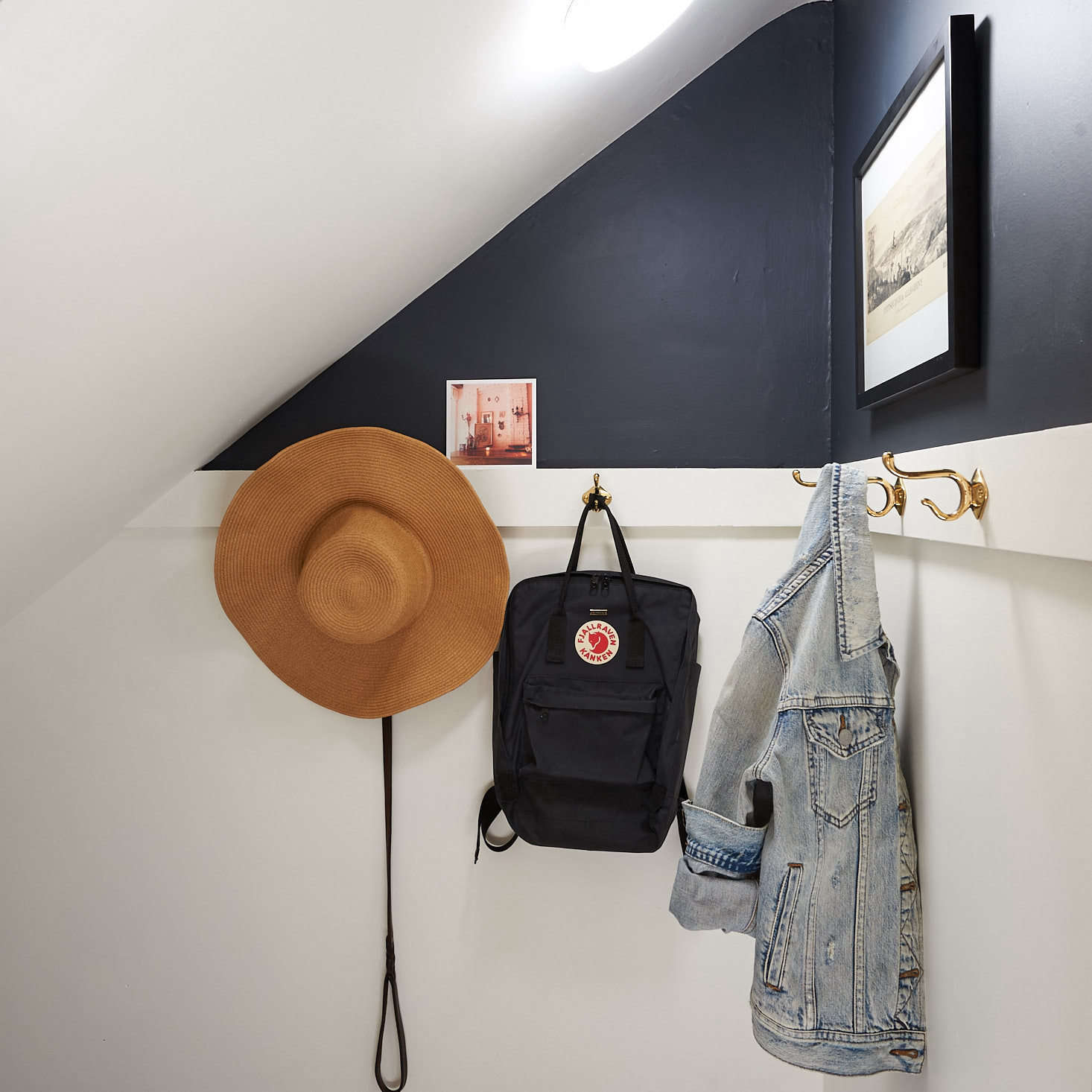
The best entryway organization starts with zones. Create a drop zone for keys and wallets, a shoe zone for daily footwear, a hook zone for bags and jackets, and a small paper zone for mail that needs action. This does not require a grand mudroom. A narrow console, a wall-mounted shelf, a few hooks, and a sturdy basket can do the job beautifully.
Smart Entryway Essentials to Consider
A tray near the door keeps keys from wandering. Hooks give bags and coats a visible home. A washable rug catches dirt before it tours the rest of the house. A lidded basket or shoe rack keeps footwear from spreading across the floor like a low-budget obstacle course. For families, labeled bins for each person can make mornings less dramatic. Nobody needs a missing permission slip before 8 a.m.; coffee already has enough responsibility.
Kitchen Essentials: Storage That Works as Hard as You Do
The kitchen is often the busiest room in the house, which means it has the most opportunities to become a clutter festival. Smart kitchen organization essentials focus on visibility, accessibility, and repeatable habits.
Clear pantry containers can help you see what you have, but they are not mandatory for every household. In many cases, a mix of original packaging, labeled bins, and stackable containers is more realistic. The goal is not to decant every cracker into a glass jar like you are operating a boutique grocery store. The goal is to stop buying a third bag of rice because the first two are hiding behind the pancake mix.
Pantry and Cabinet Basics
Use bins to group categories: breakfast items, baking supplies, snacks, grains, canned goods, and school-lunch staples. Turntables are useful for oils, vinegars, spices, condiments, and vitamins because they make deep shelves easier to navigate. Shelf risers help canned goods and mugs use vertical space. Drawer dividers keep utensils, measuring spoons, foil, wraps, and food-storage lids from becoming one giant metallic knot.
Food-storage containers deserve special attention. Keep a practical set with matching lids and remove cracked, stained, or lidless pieces. A container without a lid is not a container; it is a tiny plastic bowl with trust issues.
Bathroom Essentials: Calm Counters, Clear Routines
Bathroom clutter grows quickly because small products multiply quietly. Skin care, toothpaste, razors, hair tools, medicine, towels, and cleaning supplies all compete for limited space. The best bathroom organization ideas begin with editing.
Start by removing expired products, nearly empty bottles you do not use, duplicate tools, and anything that does not belong in the bathroom. Then divide what remains into daily-use and occasional-use categories. Daily items deserve easy access. Occasional items can live in drawers, bins, or a linen closet.
Bathroom Storage Essentials
Drawer organizers are excellent for toothbrushes, makeup, razors, and grooming tools. Small bins under the sink can separate hair care, first aid, travel toiletries, and backup supplies. A tray on the counter can make daily items look intentional instead of abandoned. For towels, keep only what your household realistically uses between laundry cycles, plus a few extras for guests or emergencies.
Medicine should be checked regularly for expiration dates and stored according to product directions. Cleaning supplies should be kept safely away from children and pets. In other words, the bathroom should be serene, but not so serene that safety takes a nap.
Laundry Room Essentials: Make the Chore Less Annoying
Laundry may never become glamorous, but it can become less chaotic. A functional laundry area needs a few dependable basics: sorted hampers, a surface for folding, a place for detergents, a container for stain-treatment items, and a system for lost socks. Yes, lost socks need a system. They are small, sneaky, and apparently committed to solo careers.
Keep laundry products in their original containers when safety instructions matter, especially in homes with children. Use baskets, shelves, or cabinets to group detergents, dryer balls, stain removers, garment bags, and cleaning cloths. If your laundry area is small, wall-mounted shelves or narrow rolling carts can add storage without taking up much floor space.
A Simple Laundry Flow
Create a routine that matches your household. Some people prefer daily small loads; others prefer batching laundry by category. Whites, darks, towels, bedding, delicates, and athletic wear may need different treatment. A simple checklist near the washer can help family members remember basics like checking pockets, reading fabric-care labels, and not washing a red sock with white towels unless everyone is emotionally prepared for pink.
Closet Essentials: Fewer Items, Better Access
A well-organized closet is not necessarily a large closet. It is a closet where you can see what you own and reach what you wear. The most effective closet essentials include slim matching hangers, shelf dividers, drawer inserts, seasonal storage boxes, and a donation bag.
Before buying closet organizers, declutter first. Remove clothing that does not fit, does not feel good, is damaged beyond repair, or belongs to a fantasy version of your life that attends garden parties every Tuesday. Keep what supports your actual routines: work, weekends, exercise, events, weather, and comfort.
The “Use It or Release It” Mindset
One practical approach is to ask whether you have used an item recently or expect to use it soon. Seasonal, sentimental, and special-occasion items deserve thoughtful exceptions, but everyday closets should serve everyday life. When your closet has breathing room, getting dressed becomes faster and less frustrating.
Group clothes by category, then by color if that helps you. Store shoes where you can see them. Keep accessories in shallow trays or dividers. Add a donation bag to the closet so letting go becomes a regular habit, not a dramatic annual event involving three cups of coffee and a motivational playlist.
Paper and Tech Essentials: Tame the Invisible Clutter
Not all clutter is bulky. Some of it arrives as paper piles, mystery cords, old manuals, receipts, warranties, and digital devices with chargers that may or may not belong to anything you still own. Paper and tech clutter can make a home feel mentally noisy even when surfaces look clean.
Set up a simple paper system with three categories: action, file, and recycle. Action papers include bills, forms, invitations, and documents that need a response. File papers include tax records, medical documents, insurance papers, and important household information. Recycle papers include catalogs, old envelopes, expired coupons, and school flyers for events that happened three months ago.
Cord Control Without the Drama
For cords, keep only the cables that match current devices. Label chargers with small tags or tape. Store extras in a divided box by category: phone, computer, camera, audio, and household electronics. If you cannot identify a cord after reasonable effort, it may be time to let it retire from active duty.
Cleaning Essentials: A Lean Kit Beats a Crowded Cabinet
A clean home is easier to organize, and an organized home is easier to clean. The two are best friends, even if they occasionally argue over who left crumbs on the counter.
Most homes do not need a different cleaner for every square foot. A practical cleaning kit might include an all-purpose cleaner, glass cleaner, disinfecting product when appropriate, microfiber cloths, sponges, a scrub brush, gloves, trash bags, and a small caddy. Store cleaning supplies close to where they are used: bathroom items in or near the bathroom, kitchen products in the kitchen, and laundry products in the laundry area.
Safety Matters
Keep cleaning products in clearly labeled containers and follow manufacturer instructions. Avoid mixing chemicals. Store products securely away from children and pets. Organization should make your home safer, not just prettier. A beautiful cabinet full of mystery liquids is not a system; it is a chemistry exam waiting to happen.
Small-Space Essentials: Think Vertical, Flexible, and Hidden
Small homes, apartments, and compact rooms benefit from storage that uses every inch wisely. Vertical shelves, wall hooks, over-the-door organizers, under-bed storage, nesting baskets, and furniture with hidden compartments can make a major difference.
The key is to avoid overfilling. Small-space organization works best when belongings are edited first. Otherwise, storage tools simply help you keep too much stuff in a slightly more attractive arrangement. That may look better for a week, but the clutter will eventually send a postcard saying, “Miss me?”
Multi-Use Pieces Win
Choose furniture and storage that can do more than one job. A bench with storage can hold shoes and provide seating. A rolling cart can serve as a pantry extension, craft station, cleaning caddy, or home-office supply hub. Wall shelves can display decor while holding baskets for practical items. The best small-space essentials are flexible enough to change as your routines change.
Sustainable Everyday Essentials: Organize Without Overbuying
One of the strongest trends in home organization is sustainability. The smartest organizers are not telling people to buy a mountain of new bins before decluttering. They are encouraging people to use what they have, donate responsibly, recycle correctly, and purchase only what solves a real problem.
Before shopping, measure shelves, drawers, cabinets, and closets. Repurpose containers you already own. Shoeboxes can organize cords. Glass jars can hold small supplies. Baskets from other rooms can become pantry or linen storage. When you do buy, choose durable pieces that fit your space and style.
Declutter Responsibly
Usable items can often be donated, sold, shared, or repurposed. Recycle paper, cardboard, glass, and plastics according to local rules. Handle electronics, batteries, paint, and chemicals through proper disposal programs. A more organized home should not create unnecessary waste. The best version of “less clutter” is one that respects both your living room and the planet.
How to Build an Everyday Essentials System Room by Room
If organizing your entire home sounds overwhelming, start small. Pick one daily frustration and solve it. Maybe your entryway is chaotic. Maybe your pantry hides duplicates. Maybe your bathroom counter looks like a product-testing lab. Choose one area, remove everything, sort what belongs, clean the space, and return only what you use, need, or genuinely love.
Then choose containers or dividers only after you know what must be stored. This order matters. Buying storage before decluttering is like buying a suitcase before deciding whether you are packing for a weekend trip or relocating with three cats and a cappuccino machine.
A Simple System That Works
Use this process: edit, group, contain, label, maintain. Edit what you do not need. Group similar items together. Contain them in bins, baskets, trays, drawers, or shelves. Label categories clearly. Maintain the system with small resets. The reset is the secret ingredient. Even the best system needs a little attention, just like plants, friendships, and sourdough starters.
Real-Life Experiences: What Everyday Essentials Teach You Over Time
Living with organized home essentials for a while teaches you something important: the best systems are the ones you barely notice. They do not shout for attention. They quietly catch the mail, hold the keys, separate the snacks, gather the laundry, and keep the bathroom from turning into a shampoo convention.
One of the most useful experiences is learning that visibility changes behavior. When pantry items are grouped in clear categories, grocery shopping becomes easier. You stop buying duplicates because you can see the backup pasta, the extra peanut butter, and the suspiciously large collection of tea. The same thing happens in closets. When clothing has space, you wear more of what you own. When everything is crammed together, even your favorite shirt can disappear into the fabric wilderness.
Another lesson is that labels are not just for people who own label makers and speak fluent spreadsheet. Labels help everyone participate. A bin marked “pet supplies” makes sense to guests, kids, partners, and your future tired self. A drawer labeled “batteries and bulbs” prevents the classic household question: “Where do we keep the thing that powers the other thing?” Labels reduce decision-making, and fewer decisions mean less daily friction.
Everyday essentials also reveal which habits are realistic. A beautiful laundry system with seven sorting categories may look impressive, but if your household only uses two of them, simplify. A paper filing system with twelve folders may feel professional, but if papers still land on the counter, add a visible action tray. Organization is not a personality test. It is a support system. If it does not support you, change it.
Many people also discover that decluttering is emotional in sneaky ways. You may not care about an old mug until it is in your hand and suddenly it represents a vacation, a friend, and a version of yourself who drank herbal tea without checking email. That does not mean you must keep everything. It means good organizing leaves room for memory while still protecting function. Keep the meaningful item if it earns its place. Release the guilt item if it only makes you feel bad.
The biggest experience, though, is the calm that comes from fewer “micro-annoyances.” Not having to hunt for scissors. Not stepping over shoes. Not opening a cabinet and being attacked by plastic lids. These tiny improvements add up. An organized home does not make life perfect, but it makes ordinary life easier to enter, use, clean, and enjoy.
And here is the good news: you do not have to finish everything at once. In fact, you probably should not. Start with one everyday essential. Add a key tray. Fix the food-storage drawer. Create a donation bag. Put hooks by the door. Organize one bathroom drawer. Small wins build momentum, and momentum is far more useful than a weekend of heroic organizing followed by six months of avoidance.
In the end, the trend behind The Organized Home’s everyday essentials is not about perfection. It is about making home feel like it is on your side. A place where the objects you own have a purpose, a place, and preferably no plans to fall on your head when you open a cabinet.
Conclusion: Everyday Essentials Make Organization Livable
The most effective organized homes are not built from expensive systems or impossible standards. They are built from thoughtful everyday essentials: trays, hooks, baskets, bins, drawer dividers, labels, slim hangers, practical cleaning kits, simple paper systems, and routines that match real life. These tools work because they reduce clutter at the points where clutter usually begins: the entryway, kitchen, bathroom, laundry room, closet, and home office.
When you choose essentials that are functional, durable, attractive, and easy to maintain, organization becomes less of a project and more of a lifestyle. Not a stiff, joyless lifestyle where nobody is allowed to own a novelty mug, but a calmer way of living where the things you use every day are easy to find and easy to put away.
So start small. Edit before you buy. Give every item a home. Label the systems that need labels. Keep what supports your routines, release what adds stress, and remember that the best organized home is not the one that looks perfect in a photo. It is the one that helps you live better on an ordinary Tuesday.