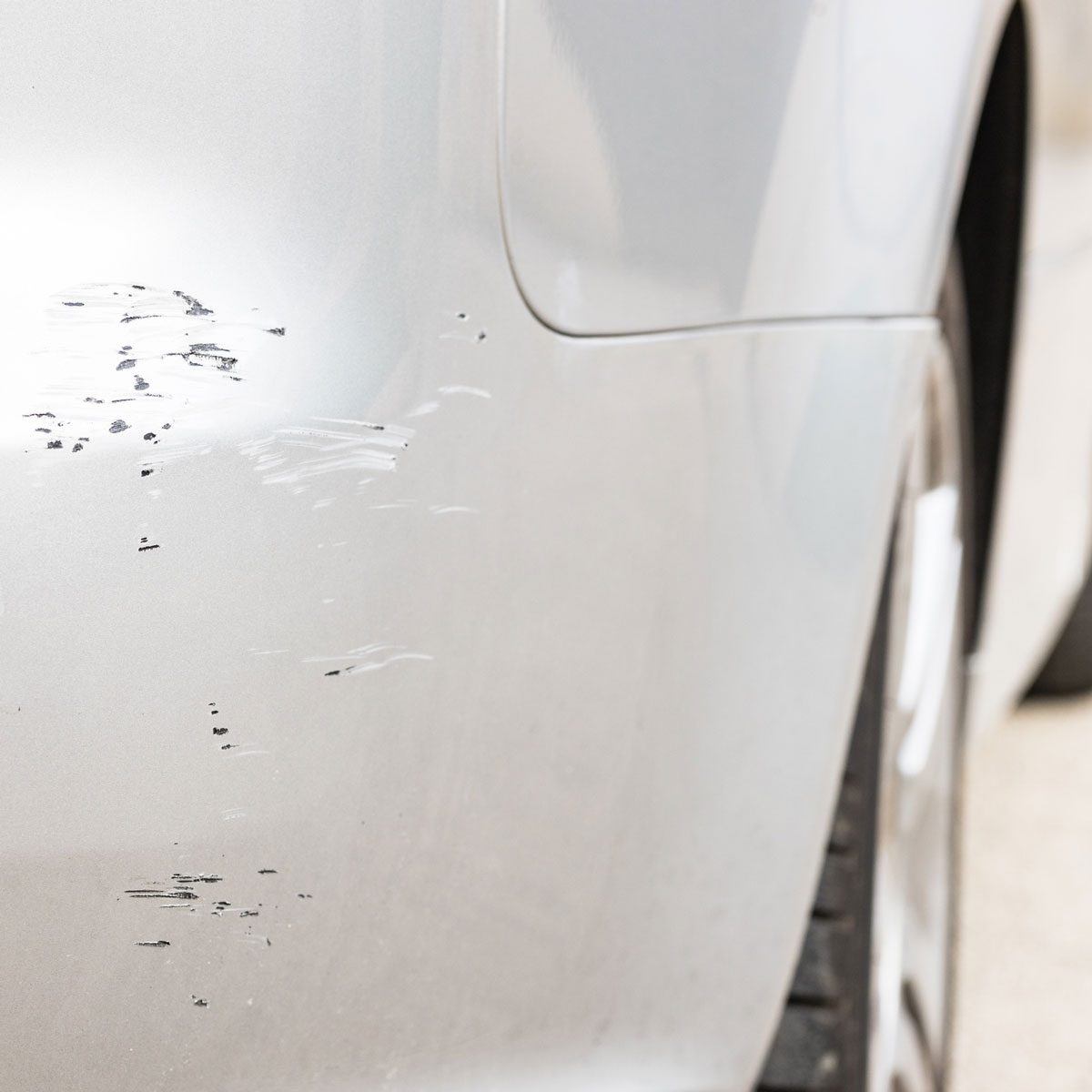
A tiny paint chip on your car can feel weirdly personal. One minute your vehicle is shining in the driveway like it just got promoted, and the next minute there is a little white crater on the hood staring back at you like it pays rent. The good news is that many small chips, clear-coat scratches, scuffs, and parking-lot love taps can be improved at home with the right car paint repair kit.
The important word there is improved. A DIY kit will not magically turn a deep gouge into a factory-fresh panel while angels sing over your garage. But the best car paint repair kits can make damage less visible, protect exposed metal from rust, restore gloss, and save you from spending hundreds of dollars at a body shop for a blemish the size of a lentil.
After comparing popular touch-up paint systems, scratch removers, rock chip repair products, and clear-coat correction kits, here are our favorite car paint repair kits for everyday drivers who want better-looking paint without needing a spray booth, a paint gun, or a cousin named Tony who “knows bodywork.”
What Makes a Car Paint Repair Kit Worth Buying?
A good automotive paint repair kit should do three things well: match the paint, make application manageable, and protect the repaired area. Some kits focus on surface scratches in the clear coat. Others use factory-matched touch-up paint for chips that reach the color layer or primer. A few are designed for deeper rock chips that need sanding, filler, primer, paint, and clear coat.
Before choosing a kit, inspect the damage. If your fingernail does not catch in the scratch, the mark is probably in the clear coat and may respond to a scratch remover or polishing compound. If your nail catches, or you see primer, bare metal, or plastic, you need touch-up paint or a more complete chip repair system. If the panel is dented, rusted, peeling, or damaged across a large area, a professional repair is the smarter move.
Our Favorite Car Paint Repair Kits at a Glance
- Best overall for rock chips: Dr. ColorChip Automotive Touch-Up Paint System
- Best budget paint pen: Dupli-Color Scratch Fix All-in-1
- Best factory-matched custom kit: TouchUpDirect Combo or Preferred Kit
- Best for patient DIY perfectionists: PaintScratch Touch-Up Paint Kit
- Best for clear-coat scratches: 3M Scratch Removal System
- Best quick scratch kit: Meguiar’s Quik Scratch Eraser Kit
- Best all-in-one store-shelf option: Turtle Wax Premium Scratch Repair Kit
- Best for deeper chips before repainting: Bondo Scratch and Rock Chip Repair Kit
1. Dr. ColorChip Automotive Touch-Up Paint System: Best Overall for Rock Chips
Dr. ColorChip is one of the most user-friendly options for small chips, especially the peppered hood and bumper damage caused by highway driving. Instead of dabbing one thick blob of paint into every chip and hoping gravity develops artistic talent, the system uses factory-matched paint and a blending solution that helps remove excess paint from around the repair.
This makes it especially useful for multiple small chips. You apply paint over the damaged spots, let it set, then use the included solution to level and blend the repair. The final result usually will not be invisible from six inches away under inspection lights, but from a normal standing distance it can make a chipped front end look dramatically cleaner.
Why We Like It
It is forgiving, fast, and less intimidating than traditional brush touch-up paint. It works best on newer vehicles with scattered chips, not on neglected paint with rust, wax-filled craters, or damage large enough to host a tiny family picnic.
Best For
Drivers with multiple small rock chips on the hood, bumper, mirror caps, or door edges who want a clean improvement without wet sanding.
2. Dupli-Color Scratch Fix All-in-1: Best Budget Paint Pen
Dupli-Color Scratch Fix All-in-1 is a popular choice because it is affordable, widely available, and simple. Many versions include an abrasive prep tip, factory-match color, and clear coat in one pen-style applicator. For a small chip or narrow scratch, that convenience matters. Nobody wants to turn one pebble mark into a three-day opera.
The key is finding the correct color code. “Looks close enough” is how a silver car ends up with a repair that looks like it borrowed eyeliner from a refrigerator. Always check the vehicle paint code, usually found on a door jamb label, glove box sticker, under-hood tag, trunk label, or owner’s manual. Then test the paint on an inconspicuous area or test card before applying it to the car.
Why We Like It
It is inexpensive, easy to store, and great for quick touch-ups. The built-in clear coat is handy for sealing the repair and restoring some gloss. The downside is that paint pens can dispense too much paint if you press too hard, so use a light touch.
Best For
Small chips, door-edge nicks, and quick cosmetic fixes on daily drivers.
3. TouchUpDirect Kits: Best Custom Paint Kit for Complete Repairs
TouchUpDirect offers several kit formats, including pen, brush, combo, and aerosol options. The company’s stronger kits can include color coat, clear coat, primer, wax and grease remover, polishing compound, and sandpaper depending on the package. That makes TouchUpDirect a solid pick for people who want more than a single paint pen but do not want to shop for every little item separately.
The application process follows the classic sequence: clean the area, test the color, apply primer if needed, apply thin layers of color coat, let each coat dry, apply clear coat, then allow the repair to cure before polishing or waxing. Patience is the secret ingredient, which is annoying because it does not come in the box.
Why We Like It
TouchUpDirect is useful when you want a more complete repair system and multiple applicator choices. The combo pen-and-brush format is practical because tiny chips and longer scratches often need different tools.
Best For
Car owners who want a factory-matched kit with primer, color, and clear coat options.
4. PaintScratch Touch-Up Paint Kit: Best for Careful DIY Detailers
PaintScratch is another strong option for factory-matched automotive touch-up paint. It is especially appealing if you are repairing an older vehicle, working on a specific factory color, or choosing between pen, bottle, and aerosol formats. A pen is easy for tiny chips. A bottle with a fine brush can offer more control. Aerosol is better for larger areas, but it also requires better masking, surface preparation, and technique.
This is not the kit for rushing. PaintScratch-style repairs reward careful prep: wash the panel, remove wax or grease, sand only when appropriate, apply thin coats, and let the repair cure. The finish can look surprisingly good, but the user’s patience level matters as much as the paint quality.
Why We Like It
It gives DIYers flexibility. You can choose the applicator style that matches the damage instead of forcing every scratch to accept the same tiny pen tip like it signed a contract.
Best For
Detail-oriented owners who are willing to spend extra time on preparation, layering, and finishing.
5. 3M Scratch Removal System: Best for Clear-Coat Scratches
The 3M Scratch Removal System is not a paint-matching kit. It is designed for light scratches and scuffs in the clear coat. The kit uses a multi-step process that can include sanding, compounding, and polishing. That sounds scary, and it can be if you attack your paint like you are sanding a picnic table. Used correctly, though, it can reduce light defects around door handles, trunk lids, and car-wash swirl areas.
The big rule: do not use this type of kit on scratches that go through the clear coat into the color, primer, or metal. You cannot polish missing paint back into existence. That would be convenient, but so would tires that refill themselves and cup holders that never collect crumbs.
Why We Like It
3M’s system is a serious clear-coat correction kit from a brand with deep experience in automotive abrasives. It is best for users who can follow instructions carefully and stop before overworking the area.
Best For
Light clear-coat scratches, scuffs, and surface defects that do not catch a fingernail deeply.
6. Meguiar’s Quik Scratch Eraser Kit: Best Quick Scratch Fix
Meguiar’s Quik Scratch Eraser Kit is a beginner-friendly option for light surface scratches, swirl marks, and paint transfer. It commonly pairs a polishing compound with an applicator pad that can attach to a drill, making it easier to get more consistent results than hand rubbing alone.
This kit shines on minor defects. It can improve gloss and reduce the appearance of light scratches quickly. But it is not the right solution for chips, deep scratches, or exposed primer. Think of it as a cosmetic brightener for the clear coat, not a tiny body shop in a box.
Why We Like It
It is approachable, fast, and satisfying when used on the right kind of damage. It is also a good first step before deciding whether a scratch needs touch-up paint.
Best For
Swirls, shallow scratches, mild scuffs, and paint transfer from minor bumps.
7. Turtle Wax Premium Scratch Repair Kit: Best All-in-One Shelf Kit
The Turtle Wax Premium Scratch Repair Kit is easy to find and designed as a complete scratch repair solution. Kits like this may include sanding pads, lubricant, clarifying compound, and a clear coat pen. That makes it more versatile than a simple rubbing compound, especially for users who want to experiment with a structured process.
As with all scratch kits, expectations matter. It can help blend and improve scratches, but it may not make deeper marks disappear. On dark paint, uneven sanding or overapplication of clear coat can be noticeable, so go slowly and test in a small area first.
Why We Like It
It is accessible, affordable, and covers several steps in one package. For a weekend driveway project, it offers enough tools to learn the basics of scratch repair.
Best For
Light to moderate scratches where the user wants a low-cost kit with sanding and finishing supplies included.
8. Bondo Scratch and Rock Chip Repair Kit: Best for Deeper Damage Before Paint
Bondo’s Scratch and Rock Chip Repair Kit is different from a touch-up paint pen. It is made for filling deeper chips, scratches, and small surface damage before primer and paint. Kits often include glazing and spot putty, a spreader, and sandpaper. This is useful when a chip has depth and needs to be leveled before repainting.
However, filler is only part of the repair. You still need primer, matching paint, and clear coat afterward. If you fill a chip and stop there, the repair will look unfinished because it is unfinished. That is not “patina.” That is a project taking a snack break.
Why We Like It
It addresses damage that simple paint cannot level. For deeper rock chips and scratches, filling first can create a smoother final appearance.
Best For
Deep chips, small gouges, and scratches that need leveling before touch-up paint.
How to Choose the Right Car Paint Repair Kit
For Clear-Coat Scratches
Choose a scratch remover kit from 3M, Meguiar’s, Turtle Wax, Chemical Guys, Mothers, or another reputable detailing brand. These products use fine abrasives to smooth the clear coat and improve reflection. If the scratch disappears when wet, it is often a good candidate for polishing.
For Paint Chips
Choose a factory-matched touch-up paint kit such as Dr. ColorChip, Dupli-Color, TouchUpDirect, PaintScratch, or AutomotiveTouchup. Make sure you order by paint code, not by the emotional belief that “blue is blue.” Automotive paint has shades, metallic flakes, pearls, and formulas that can make two similar colors look very different in sunlight.
For Deep Chips or Gouges
Use a repair kit with filler or spot putty, then follow with primer, color coat, and clear coat. If rust is present, remove it properly before painting. Painting over rust is like putting a tuxedo on a raccoon: fancy for a moment, still a problem underneath.
Step-by-Step Tips for Better DIY Paint Repairs
- Wash the area thoroughly. Dirt, wax, and road film can ruin adhesion.
- Confirm the paint code. Use the factory code from the vehicle, not guesswork.
- Test the paint first. Let it dry before judging the match.
- Use thin layers. Several thin coats look better than one thick blob.
- Allow proper drying time. Rushing creates smears, dullness, and regret.
- Apply clear coat only when needed. Clear coat adds gloss and protection but can look raised if overapplied.
- Wait before polishing or waxing. Fresh paint needs time to cure.
- Know when to stop. Over-sanding or over-polishing can make the repair worse.
Common Mistakes to Avoid
The most common mistake is using too much paint. A chip is small; it does not need a frosting layer. Another mistake is skipping surface prep. Touch-up paint sticks best to a clean, dry surface. Wax, silicone dressing, bug residue, and oily fingerprints are all enemies of adhesion.
Many DIYers also expect perfect invisibility. Even a well-done touch-up can remain visible under certain angles, especially on metallic, pearl, tri-coat, or aged paint. The goal is usually to protect the area and make the damage far less noticeable. If you want showroom perfection across a large panel, professional refinishing is the answer.
Real-World Experience: What We Learned Using Car Paint Repair Kits
The first lesson from using car paint repair kits is that the damage always looks smaller before you clean it. A hood that seems to have “a few chips” may reveal a tiny galaxy of white dots once washed, degreased, and inspected in bright light. That is where a system like Dr. ColorChip feels especially practical. Instead of treating each chip like a microscopic oil painting, you can work across a cluster of small chips and blend the excess away. On a commuter car with highway rash, that saves time and sanity.
The second lesson is that paint pens are both wonderful and slightly mischievous. A Dupli-Color-style all-in-one pen can fix a small door nick in minutes, but press too hard and the applicator can release a paint blob large enough to have its own zip code. The best technique is to dab lightly, build the color slowly, and let each layer dry. A toothpick or micro brush can sometimes provide better control than the built-in tip for tiny chips.
For clear-coat scratches, polishing kits can be surprisingly satisfying. A shallow mark near a door handle or trunk opening can fade quickly with a good compound and applicator pad. But the fingernail test matters. If your nail catches hard, polishing may only make the surrounding paint shinier while the scratch continues to wave hello. That is when touch-up paint or professional work becomes more realistic.
Color matching is another humbling experience. Factory-matched paint is usually close, but older paint may have faded from sun exposure. Metallic paint can look darker, lighter, or grainier depending on how the flakes settle. Pearl white and tri-coat finishes are especially tricky because they may require a base color, pearl midcoat, and clear coat. On those colors, patience is not optional; it is the whole game.
Temperature also matters more than many people expect. Repairs work better in mild weather, away from direct sun, wind, dust, and humidity. A garage is ideal. A driveway can work, but falling leaves, curious insects, and airborne grit have a magical ability to land in fresh paint at the worst possible moment. If a bug walks through your clear coat, congratulations: you have created limited-edition automotive archaeology.
The most satisfying repairs are usually small chips on darker cars and light scuffs on clear coat. The least satisfying are long scratches across body lines, damage on flexible plastic bumpers, and large areas where the paint is cracked or peeling. Those jobs can be improved, but they rarely disappear with a simple kit. Knowing that ahead of time prevents disappointment and helps you choose the right tool.
Our practical advice is simple: start conservative. Clean first. Try a scratch remover on shallow marks. Use factory-matched paint only where color is missing. Apply less product than you think you need. Let it dry. Reassess in daylight. Most mistakes happen when people try to finish the entire repair in one heroic session, usually while crouched in the driveway muttering motivational speeches at a bumper.
Final Verdict: Which Car Paint Repair Kit Should You Buy?
If we had to keep one kit for common rock chips, we would choose Dr. ColorChip because it is forgiving and efficient. For a low-cost paint pen, Dupli-Color Scratch Fix All-in-1 is hard to beat. For more complete factory-matched repairs, TouchUpDirect and PaintScratch are strong choices. For clear-coat scratches, 3M and Meguiar’s kits make sense. For deeper chips that need filling before paint, Bondo earns a spot on the shelf.
The best car paint repair kit is the one that matches the damage, your paint color, and your patience level. A good kit can protect your vehicle, improve curb appeal, and make small blemishes easier to ignore. And sometimes, that is all your daily driver needs: not perfection, just the confidence to stop staring at one chip every time you walk past the hood.
Conclusion
Car paint repair kits are not magic wands, but the right one can make your car look cleaner, newer, and better cared for. For rock chips, choose a factory-matched system. For clear-coat scratches, use a quality scratch remover. For deeper damage, prepare the surface properly before adding primer, paint, and clear coat. Take your time, use thin coats, and remember that a neat repair from five feet away is still a win.
Note: Always follow the manufacturer’s instructions, wear proper eye and hand protection when sanding or polishing, and test products on a small area before repairing visible paint.


