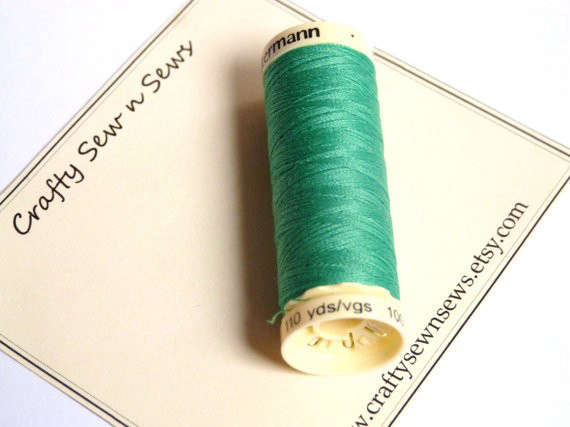
If you have ever stood in a fabric store holding three almost-identical spools of thread and quietly questioning every life choice that brought you there, welcome. Thread looks simple until you need the right one. Then suddenly you are comparing fiber content, needle size, fabric weight, sheen, lint, stretch, color numbers, and whether “all-purpose” actually means all-purpose or just “good luck, buddy.”
That is exactly why Gutterman Sew All Polyester Thread has become a favorite search term for beginners, quilters, garment makers, costume shops, and home sewers. Technically, the brand is spelled Gütermann, often written online as Gutermann. Many shoppers type “Gutterman,” and search engines usually know what they mean. In this article, we will use the requested phrase naturally while also using the correct brand name when discussing the product.
Gütermann Sew-all Thread is a 100% polyester, general-purpose sewing thread designed for hand sewing and machine sewing. It is made for a wide range of fabrics, from everyday cotton and woven blends to many synthetic materials, home décor fabrics, craft projects, repairs, topstitching, and decorative stitching. In plain English: this is the spool you reach for when you want your sewing machine to behave like a helpful friend instead of a tiny mechanical goblin.
What Is Gutterman Sew All Polyester Thread?
Gutterman Sew All Polyester Thread refers to Gütermann Sew-all Thread, a universal sewing thread made from 100% polyester. It is engineered to work smoothly in both sewing machines and hand needles, and it is commonly used for seams, hems, mending, buttonholes, topstitching, craft sewing, garment construction, and decorative stitches.
The thread is known for its smooth finish, reliable strength, and low-lint performance. Gütermann’s current Sew-all line is made with Micro Core Technology, a manufacturing process intended to create a very even thread structure. For the sewist, that means fewer annoying surprises: less fuzz, cleaner stitches, steadier tension, and fewer moments where you stare at your machine and whisper, “Why are you like this?”
Why Polyester Thread Is So Popular
Polyester thread is popular because it is strong, flexible, colorfast, and resistant to everyday wear. It holds up well through washing and regular use, which makes it practical for garments, kids’ clothes, tote bags, pillow covers, curtains, and repairs. Cotton thread has its place, especially in traditional quilting and natural-fiber projects, but polyester is often the safer all-around choice when durability matters.
Gütermann Sew-all Thread combines the smooth sewing feel people associate with premium thread and the toughness of polyester. That balance is why it appears in so many sewing boxes. It is not the most dramatic tool in the room. It does not sparkle, it does not cut fabric, and it will not reorganize your pattern drawer. But when the thread is good, everything else gets easier.
Key Features of Gütermann Sew-All Polyester Thread
1. 100% Polyester Construction
The thread is made from 100% polyester, giving it strength, flexibility, and resistance to abrasion. Polyester thread is especially useful for seams that need to survive movement, washing, and everyday stress. Think pajama pants, school uniforms, tote bags, aprons, cushion covers, and that one pair of jeans you refuse to retire.
2. Suitable for Machine and Hand Sewing
One reason Gutterman Sew All Polyester Thread is so convenient is that it works for both machine sewing and hand sewing. You can use it in a standard home sewing machine, then use the same spool to sew on a button, close a lining, or fix a small seam by hand.
3. Works With Many Fabrics
Gütermann positions Sew-all Thread as suitable for all fabrics and many materials. In real-world sewing, it performs especially well on cotton, polyester blends, linen blends, broadcloth, poplin, shirting, lightweight denim, quilting cotton, fleece, flannel, and many home décor fabrics. For very heavy upholstery, outdoor gear, leather, or technical fabrics, a heavier specialty thread may be better.
4. Recommended Needle Range
The official needle recommendation for Gütermann Sew-all Thread is a universal needle in the NM 70–90 range, roughly equivalent to common home sewing needle sizes 10/70, 12/80, and 14/90. A size 70 needle is useful for lighter fabrics, size 80 is a dependable middle option, and size 90 is better for heavier woven fabrics or multiple layers.
5. Smooth, Even Stitching
Cheap thread can shed lint, snap, tangle, and cause skipped stitches. Premium thread does not magically fix every sewing problem, but it does remove one major suspect from the crime scene. Gütermann Sew-all’s smooth, uniform structure helps stitches form cleanly and consistently, especially when paired with the right needle and balanced machine tension.
Best Uses for Gutterman Sew All Polyester Thread
This thread earns its “sew all” reputation because it fits so many everyday projects. It is excellent for garment seams, alterations, hems, pillowcases, curtains, bags, craft sewing, quilting cotton projects, repairs, and decorative machine stitches. It is also useful for test garments, also called muslins, because it behaves predictably across many fabric types.
For clothing, it is a dependable choice for dresses, skirts, shirts, casual pants, children’s clothing, and light jackets. For home sewing, it works nicely on cushion covers, fabric baskets, table runners, napkins, and curtains. For craft projects, it is strong enough for zipper pouches, holiday ornaments, fabric bookmarks, bunting, and soft toys.
The thread is also friendly to beginners. New sewists already have enough to manage: bobbin winding, seam allowance, fabric direction, pressing, backstitching, and the emotional journey of accidentally sewing a sleeve shut. A reliable all-purpose polyester thread keeps the learning curve from turning into a cliff.
When Not to Use It
No thread is perfect for every situation, no matter how confident the product name sounds. Gütermann Sew-all Polyester Thread is not the ideal choice for every heavy-duty or specialty project. If you are sewing thick leather, marine canvas, outdoor upholstery, climbing gear, or high-stress industrial items, choose a heavier thread designed for that purpose.
For heirloom quilting, hand quilting, or projects where you specifically want cotton fiber, choose a high-quality cotton thread. For stretchy activewear, swimwear, or lingerie, the thread can work in some seams when paired with the correct stretch stitch, but specialty stretch thread or woolly nylon may perform better in certain areas. For visible decorative topstitching on denim, a heavier topstitch thread will create a bolder look.
How to Choose the Right Color
Thread color can make or break a project. The simplest rule is to choose a thread that blends with the fabric, not necessarily one that matches it perfectly on the spool. If the fabric has multiple colors, choose the dominant shade or the background color. If the exact match is impossible, go slightly darker rather than lighter; darker thread usually disappears more naturally into a seam.
For prints, place several spools across the fabric and squint. Yes, squinting is a legitimate sewing technique. The spool that visually disappears first is usually the winner. For topstitching, you can either blend for a professional finish or contrast for a design feature. Navy fabric with navy thread says “classic.” Navy fabric with gold thread says “I planned this,” even if you absolutely did not.
Needle and Tension Tips
Gütermann Sew-all Thread works best when the needle, fabric, and machine tension agree with each other. For lightweight cotton, voile, or thin polyester, try a 70/10 needle. For medium woven fabrics, quilting cotton, and general sewing, an 80/12 universal needle is a reliable starting point. For heavier cotton, lightweight denim, or multiple layers, move to a 90/14 needle.
If your stitches look uneven, do not immediately blame the thread. First, rethread the machine with the presser foot raised. Then check the bobbin direction, replace the needle, and test on a fabric scrap. Many “thread problems” are actually old-needle problems wearing a fake mustache.
For most standard home machines, regular all-purpose sewing tension works well with Sew-all Thread. If you see loops on the underside, the upper thread may not be seated correctly in the tension discs. If the seam puckers, the fabric may need a finer needle, lighter tension, better pressing, or stabilizer.
Gütermann Sew-All vs. Cheap Thread
Budget thread can be tempting, especially when it comes in a giant rainbow pack that looks like a candy store for sewing people. But cheap thread may be fuzzy, uneven, weak, or poorly wound. It can break often, leave lint inside the machine, and create inconsistent stitches. That does not mean every inexpensive thread is terrible, but thread quality matters more than beginners often realize.
Gütermann Sew-all Thread is valued because it is consistent. Consistency is not glamorous, but it is the difference between sewing a neat hem in ten minutes and spending half an hour untangling the bobbin area while questioning whether pants are even necessary as a human concept.
Gütermann Sew-All vs. Cotton Thread
Cotton thread is soft, natural, and popular for quilting, especially when sewing cotton fabric. Polyester thread is stronger and more elastic. For everyday sewing, polyester often gives better durability, especially for clothing and items that will be washed frequently.
If you are piecing a traditional cotton quilt and want everything to remain fiber-consistent, cotton thread is a classic choice. If you are sewing a child’s backpack, repairing a seam, making pajama pants, or stitching a zip pouch that will be tossed around daily, Gütermann Sew-all Polyester Thread is usually more practical.
Common Spool Sizes and Buying Tips
Gütermann Sew-all Thread is commonly sold in smaller 100-meter or 110-yard spools, as well as larger 250-meter, 500-meter, and 1000-meter options depending on retailer and color availability. Small spools are excellent for color matching and occasional projects. Larger spools are better for black, white, navy, gray, beige, and other colors you use constantly.
If you sew often, keep a basic thread wardrobe: black, white, cream, medium gray, dark gray, navy, beige, and one warm neutral. Gray is surprisingly useful because it blends with many colors. Beige works well for khaki, linen, canvas, and warm prints. White is useful, but not as universal as people think; sometimes white thread on off-white fabric looks like it is shouting.
Storage and Care
Store polyester thread away from direct sunlight, dust, moisture, and extreme heat. A closed thread box, drawer, or wall rack away from a sunny window works well. Thread can age, especially if exposed to light and dust for years, so inspect older spools before using them on an important project. If thread snaps easily when pulled, sheds heavily, or looks dry and fuzzy, retire it to temporary basting or craft use.
For finished projects, polyester thread is generally easy-care and suitable for washable items. Always follow the care instructions for the fabric first. The thread may survive the laundry, but your delicate rayon blouse may have other opinions.
Practical Examples: Where This Thread Shines
Imagine you are hemming ready-to-wear pants. Gütermann Sew-all Thread in a close color match gives a strong, clean hem without adding bulk. If you are making a cotton poplin shirt, it creates neat seams and buttonholes. If you are sewing throw pillow covers, it handles straight seams, zipper insertion, and topstitching with ease.
For quilting cotton crafts, such as fabric baskets or zip pouches, it offers the strength needed for corners and stress points. For mending, it is a hero. A split seam, loose pocket, torn apron tie, or falling hem can usually be repaired with this thread and a basic needle. It is the sewing equivalent of duct tape, except much prettier and less likely to ruin your iron.
Conclusion: Is Gutterman Sew All Polyester Thread Worth It?
Yes, Gutterman Sew All Polyester Thread is worth buying, especially if you want one reliable all-purpose thread for everyday sewing. The correct product name is Gütermann Sew-all Thread, and it has earned its reputation because it is smooth, strong, versatile, and easy to use. It works for hand sewing, machine sewing, garment construction, home décor, mending, crafts, and many decorative stitches.
It is not the answer to every sewing challenge. Heavy leather, outdoor gear, heirloom quilting, and specialty stretch projects may require different thread. But for the average sewing room, this is one of the most dependable spools to keep on hand. If your machine has been acting moody, switching to quality thread and a fresh needle may feel like giving it a tiny spa day.
Hands-On Experiences With Gutterman Sew All Polyester Thread
The first thing many sewists notice about Gütermann Sew-all Polyester Thread is not dramatic. There is no thunderclap. No sewing angel descends holding a perfectly pressed seam. Instead, the machine simply sounds smoother, the stitches look more even, and the thread does not break every twelve inches like it has somewhere more important to be.
In everyday garment sewing, this thread feels especially dependable. On quilting cotton, it feeds cleanly and creates balanced seams without much fuss. On medium-weight linen blends, it has enough strength to handle seams that get pulled, sat on, washed, and pressed. On polyester blends, it behaves naturally because the fiber content is compatible. When sewing a basic elastic-waist skirt, for example, Sew-all Thread can handle side seams, casing, hem, and label stitching without needing to change spools.
It also performs well in small repair jobs. A loose pocket corner on jeans, a torn pajama seam, or a button that is hanging by one sad little strand can all be fixed quickly. The thread pulls smoothly through hand needles, which matters more than people think. Rough thread makes hand sewing feel like dragging rope through a keyhole. This thread feels controlled and steady, especially when wax is not needed.
For machine sewing, the biggest advantage is consistency. When a thread is uneven, the machine tension reacts like a nervous cat. One minute the stitches look fine; the next, there are loops underneath or tiny knots near the needle. With Gütermann Sew-all, tension issues are less likely to come from the thread itself. That makes troubleshooting easier. You can focus on the needle, fabric, presser foot, or stitch length instead of wondering whether the spool is plotting against you.
Color matching is another pleasant experience. Because the line is widely available in many colors, it is usually possible to find a close match for common fabrics. For prints, medium gray, beige, and soft blue-gray are surprisingly useful. For denim mending, a slightly faded blue or gray often blends better than a strong navy. For black garments, black is obvious, but charcoal can sometimes disappear more softly on washed black fabric.
One lesson from repeated use is that thread quality cannot replace good sewing habits. Use a fresh needle. Match the needle size to the fabric. Rethread the machine if stitches go strange. Test on scraps. Press seams. Do not sew over pins unless you enjoy danger with a side of broken needle. Gütermann Sew-all Thread gives you a reliable foundation, but it still appreciates basic respect.
Overall, the experience is calm, practical, and confidence-building. It is the kind of thread that lets beginners learn without extra frustration and lets experienced sewists move faster because they trust the spool. In a sewing room full of gadgets, rulers, clips, pins, and mysterious presser feet, that kind of reliability is quietly priceless.