Hair removal wax has one job: grab tightly and refuse to let go. Unfortunately, it does not always limit that talent to body hair. One tiny drip can land on your leggings, robe, towel, bedsheet, or favorite cotton T-shirt, and suddenly you are staring at a sticky, shiny patch that looks like it signed a long-term lease on your fabric.
The good news? Most hair removal wax stains are not a fashion emergency. With the right steps, you can remove wax from clothes without turning your laundry room into a crime scene. The trick is to avoid panic-cleaning. Do not rub hot wax. Do not toss the garment straight into the washer. And please, for the love of your denim, do not put a wax-stained item in the dryer until the stain is completely gone.
This guide explains three simple ways to get hair removal wax out of clothes using practical, fabric-friendly methods: freezing and scraping, heat transfer, and stain pretreatment before washing. These methods are based on common fabric-care principles used for wax, oil-based stains, and laundry stain removal. Whether you spilled soft wax, hard wax, sugar wax, or wax strip residue, the goal is the same: remove the solid wax first, treat the oily residue second, and wash only when the stain is ready.
Before You Start: Know What You Are Dealing With
Hair removal wax is usually a blend of waxes, oils, resins, fragrances, and sometimes colorants. That is why it can create two problems at once. First, there is the hardened wax sitting on top of the fabric. Second, there may be an oily or tinted mark left behind after the solid wax is gone.
Think of it like dropping a tiny candle mixed with beauty product drama onto your clothes. You need a two-part solution, not just a quick rinse. Water alone will not dissolve wax well, and scrubbing can push it deeper into the fibers. A calm, step-by-step approach works much better.
Check the Care Label First
Before using heat, detergent, or stain remover, read the garment care label. Cotton, polyester, denim, and many everyday washable fabrics can usually handle these methods. Silk, wool, velvet, leather, suede, acetate, rayon, and embellished fabrics need extra caution. If the label says “dry clean only,” scrape off what you can gently and take the garment to a professional cleaner.
Gather Your Supplies
You do not need a laboratory. You probably already have most of these items at home:
- Ice cubes or an ice pack
- A plastic bag
- A spoon, dull butter knife, or old credit card
- Plain white paper towels or a clean brown paper bag
- An iron or hair dryer
- Liquid laundry detergent or mild dish soap
- Stain remover or oxygen-safe laundry booster, if needed
- A soft-bristled brush or old toothbrush
Way 1: Freeze and Scrape the Wax
The first and safest method for removing hair removal wax from clothes is to harden it. This is especially helpful when the wax is still soft, tacky, or slightly warm. Cold makes wax brittle, which allows you to lift it away instead of smearing it across the fabric like a bad art project.
Step 1: Let the Wax Cool
If the wax is fresh, resist the urge to wipe it. Hot wax spreads easily and can sink deeper into woven fabric. Let it cool naturally for a few minutes. If you touch it too soon, you may make the stain larger and more difficult to treat.
Step 2: Apply Ice
Place a few ice cubes in a plastic bag, then set the bag directly over the wax. Do not place loose ice directly on the fabric because melting water can spread dye or moisture-sensitive residue. Leave the ice pack in place for about 10 minutes, or until the wax feels hard.
Step 3: Scrape Gently
Lay the garment on a flat surface. Use the edge of a spoon, dull butter knife, or old credit card to gently lift the hardened wax. Work from the outside of the stain toward the center. This helps prevent the stain from spreading.
Do not use a sharp knife. It may remove the wax, but it may also remove part of your shirt, which is not the kind of multitasking we want. Be patient and scrape in small passes. If the wax softens again, reapply the ice and repeat.
Best For
This method is best for thick drops of hard wax, wax beads, strip wax residue, and wax that has dried on denim, cotton, towels, or sturdy synthetic fabrics.
Way 2: Use Heat Transfer to Lift Remaining Wax
After scraping, you may still see a thin waxy film. That is where heat transfer comes in. The idea is simple: gently warm the wax so it melts, then let absorbent paper pull it away from the fabric. This method is commonly used for wax stains because it removes residue without aggressive rubbing.
Step 1: Place Paper Above and Below the Stain
Put a clean white paper towel or a plain brown paper bag under the stained area. Place another paper towel or plain paper bag on top. Avoid printed paper, colored napkins, or paper with ink, because heat may transfer the color to your clothing. Congratulations, you would then have a wax stain and a mystery logo stain.
Step 2: Use Low Heat
Set your iron to the lowest safe heat setting for the fabric. Do not use steam. Press the warm iron over the paper for a few seconds at a time. Lift the iron, check the paper, and move to a clean section as the wax transfers. Repeat until no more wax appears on the paper.
If you do not want to use an iron, a hair dryer can also help. Set it to low or medium heat, warm the waxy area, and blot gently with a clean white paper towel. This approach gives you more control on delicate synthetic fabrics that may not tolerate direct iron heat.
Step 3: Keep Repositioning the Paper
Do not keep pressing the same waxy part of the paper back onto the garment. Move to a clean area each time. Otherwise, you are basically reintroducing the wax to the fabric, and nobody needs that reunion.
Use Caution With Heat-Sensitive Fabrics
Some fabrics can scorch, shrink, melt, or become shiny under heat. Polyester, nylon, spandex blends, and delicate fabrics need extra care. Use the lowest heat possible, keep the iron moving, and stop if the fabric changes texture. When in doubt, use the hair dryer method or skip heat and move to pretreatment.
Way 3: Pretreat the Oily Stain and Wash Properly
Once the visible wax is gone, you may still notice a greasy shadow. This is normal. Hair removal wax often contains oils and resins that cling to fabric. Washing without pretreating may not remove the mark, especially if the garment has already sat for a few hours.
Step 1: Apply Liquid Detergent or Dish Soap
Apply a small amount of liquid laundry detergent directly to the stained area. If the stain feels oily, a tiny amount of mild dish soap can help break down greasy residue. Use your fingers or a soft-bristled brush to gently work the cleaner into the fabric.
Do not scrub harshly. The goal is to loosen residue, not sandpaper your leggings into retirement. Let the detergent sit for 10 to 15 minutes. For tougher stains, you can let it sit a bit longer as long as the product is safe for the fabric.
Step 2: Rinse Before Machine Washing
If you used dish soap, rinse the treated area under warm running water before putting the garment in the washing machine. Dish soap can create too many suds in a washer. A little helps the stain; too much makes your laundry room look like a sitcom bubble disaster.
Step 3: Wash According to the Care Label
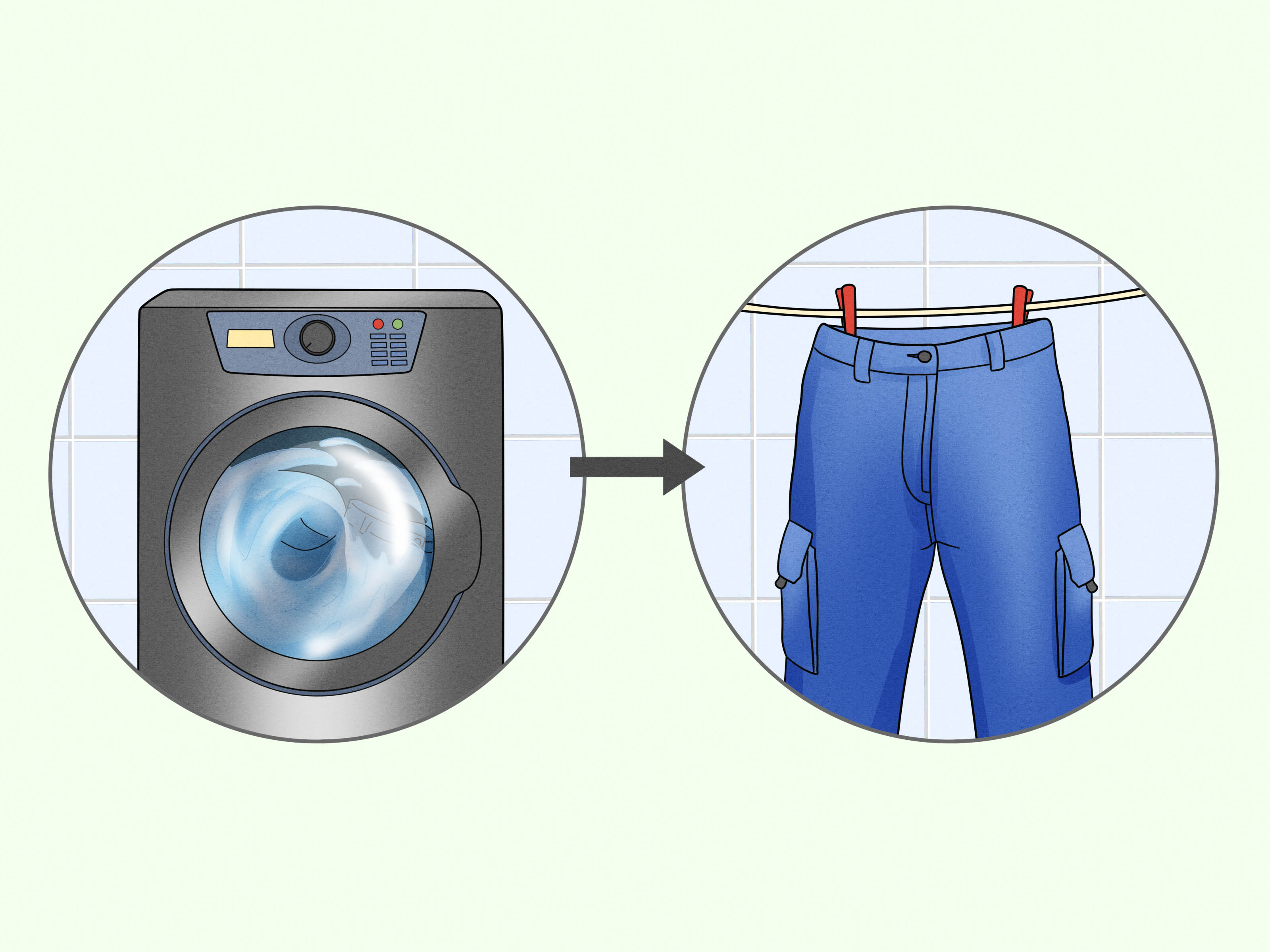
Wash the garment using the warmest water allowed by the care label. Warm water often helps with oily stains, but the label matters more than ambition. Use a good laundry detergent and, if the fabric allows it, an oxygen-safe stain remover or laundry booster.
Step 4: Air-Dry and Inspect
After washing, inspect the stained area while the garment is still damp. If the mark remains, repeat the pretreatment and wash again. Do not put the item in the dryer until the stain is fully gone. Dryer heat can set oily stains and make them far more stubborn.
How to Remove Wax From Different Fabric Types
Cotton and Cotton Blends
Cotton is usually forgiving. Freeze, scrape, use heat transfer if needed, pretreat with detergent, and wash in warm or hot water if the care label allows. White cotton may tolerate stronger stain treatments than colored cotton, but always test first.
Denim
Denim can handle gentle scraping well, but wax may hide in the weave. Use the freeze-and-scrape method first, then apply low heat with paper towels. Pretreat with detergent and wash inside out to reduce fading.
Polyester and Activewear
Hair removal wax on leggings or workout clothes needs patience. These fabrics often contain stretch fibers that dislike high heat. Use ice and a plastic scraper first. If using a hair dryer, keep the heat low. Pretreat with liquid detergent and wash according to the care label.
Towels and Robes
Wax can sink into thick terry cloth loops. Freeze the wax, scrape what you can, then use a hair dryer and blotting method to pull residue from the fibers. Follow with detergent pretreatment and a warm wash if safe.
Delicate or Dry-Clean-Only Fabrics
For silk, wool, velvet, leather, suede, or garments with beading, skip the iron and aggressive stain removers. Gently lift hardened wax with a spoon or credit card, then consult a professional cleaner. Delicate fabrics can be expensive to replace, and sometimes the smartest DIY move is knowing when not to DIY.
Common Mistakes to Avoid
Do Not Rub Fresh Wax
Rubbing fresh wax spreads it and pushes it deeper into the fabric. Let it cool, harden it with ice, then scrape gently.
Do Not Use Very Hot Water First
Hot water may melt wax and spread oily residue before you have removed the solid layer. Remove the wax first, then choose the right wash temperature.
Do Not Use Colored Paper During Heat Transfer
Use plain white paper towels or an unprinted brown paper bag. Printed paper can transfer ink or dye when heated.
Do Not Skip the Final Stain Check
Wax residue can be sneaky. Always inspect before drying. If you can still see a shadow, pretreat again.
What If the Wax Has Color in It?
Some hair removal waxes are blue, green, pink, purple, or honey-colored. After the wax is removed, dye may remain. Treat the oily residue first with liquid detergent. If a color stain remains and the garment is washable, soak it in oxygen-safe bleach according to the product instructions and the clothing label. Avoid chlorine bleach unless the garment label clearly says it is safe, especially on colored fabrics.
What If the Stain Is Old?
Old wax stains are harder, but not hopeless. Start by freezing and scraping any remaining surface wax. Then use gentle heat transfer to lift residue. Pretreat with detergent and let it sit before washing. You may need two or three rounds. The important thing is not to rush the process or use high heat too early.
Real-Life Experience: What Actually Works When Wax Meets Laundry
Anyone who has used hair removal wax at home knows the scene. You lay down a towel, promise yourself you will be careful, and somehow the wax still lands on your clothes like it has GPS. The most common mistake is trying to wipe it immediately. It feels logical in the moment, but it usually makes the stain wider. In real life, the best first move is doing absolutely nothing for a minute. Letting wax cool feels wrong, but it gives you control.
One useful experience-based trick is to treat the garment like a layered problem. The top layer is the wax chunk. The middle layer is the wax film. The bottom layer is the oily stain. If you try to wash all three at once, the washer may remove some residue but leave a shadow behind. If you remove each layer one by one, the results are much better.
For example, if hair removal wax drips onto black leggings, freezing is usually safer than ironing right away. Stretchy fabrics can react badly to high heat, and a shiny iron mark can be more annoying than the original wax. Ice the wax, scrape with an old card, then use a hair dryer on low heat and blot with a white paper towel. After that, massage in a small amount of liquid detergent, rinse, and wash cold or warm according to the label. Air-drying is key because black fabric can hide residue while wet.
For a cotton T-shirt, the iron method often works faster. Place paper towels above and below the stain, press briefly on low heat, and move the paper often. You can actually see the wax transferring, which is weirdly satisfying in the same way peeling a sticker cleanly is satisfying. Once the paper stops picking up wax, pretreat the remaining mark with detergent and wash as usual.
Towels are a different beast. Wax loves textured fabric. A fluffy towel may need repeated scraping because the wax catches in the loops. Do not attack it with force. Freeze, flex the towel slightly to crack the wax, scrape gently, then use heat and blotting. After washing, check the towel by touch as well as sight. If it still feels slick, pretreat again.
Another lesson: keep a “wax cleanup kit” nearby if you wax at home often. It can be as simple as an old credit card, a roll of white paper towels, a small bottle of liquid detergent, and a plastic bag for ice. This tiny kit saves time and keeps you from making creative but questionable choices, such as using a steak knife or a printed receipt under an iron.
Finally, prevention is easier than stain removal. Wear old clothing during waxing, place a washable cotton towel under the area, and keep wax containers away from sleeves, robe belts, and loose fabric. If wax still gets on your clothes, do not panic. Freeze it, lift it, warm it carefully, pretreat the residue, and air-dry. Your garment has a very good chance of surviving the incident with dignity.
Conclusion
Getting hair removal wax out of clothes is all about timing, patience, and using the right order. Start by hardening the wax with ice, then scrape gently with a dull tool. Use low heat and absorbent paper to lift remaining wax from washable fabrics. Finally, pretreat the oily residue with detergent before laundering according to the care label.
The biggest rule is simple: do not put the garment in the dryer until the stain is completely gone. Heat can turn a fixable wax stain into a long-term laundry grudge. With the three methods above, most wax spills can be handled at home using basic supplies and a calm hand.
Note: Always test cleaning products and heat methods on a hidden area first. For dry-clean-only, vintage, expensive, or delicate fabrics, professional cleaning is the safest choice.