Converting grams to calories sounds like something that should require a lab coat, a calculator the size of a lunchbox, and maybe a tiny motivational speech from your high school chemistry teacher. Good news: it is much simpler than that. Once you understand that calories come mainly from macronutrientscarbohydrates, protein, fat, and sometimes alcoholyou can turn grams into calories with a few quick multiplication steps.
The main keyword here is simple: how to convert grams to calories. But the real goal is even better: learning how to read food labels, estimate calories from macros, compare meals, and avoid the classic nutrition mistake of treating all grams as equal. Spoiler alert: 10 grams of fat and 10 grams of protein are not calorie twins. They are more like cousins who show up to dinner with very different energy bills.
This guide explains the gram-to-calorie formula, gives practical examples, shows common mistakes, and helps you use the math in real life without turning every snack into a spreadsheet emergency.
What Does “Calories” Mean in Food?
In nutrition, a calorie is a unit of energy. More specifically, food labels in the United States use “Calories” with a capital C, which means kilocalories. When a label says a granola bar has 190 calories, it means the food provides about 190 kilocalories of energy.
Your body uses that energy for everything: breathing, walking, thinking, digesting, exercising, scrolling through recipes you may or may not cook, and maintaining basic body functions. Calories are not “bad.” They are fuel. The quality, amount, and source of that fuel matter.
Can You Convert Any Gram Amount Directly to Calories?
Not exactly. This is the big “aha” moment. A gram measures weight. A calorie measures energy. You cannot convert grams to calories unless you know what the grams are made of.
For example, 10 grams of carbohydrate provides about 40 calories. Ten grams of protein also provides about 40 calories. But 10 grams of fat provides about 90 calories. Same weight, different energy. That is why a tablespoon of oil can contain more calories than a much larger serving of vegetables. The oil is mostly fat, while vegetables contain a lot of water and fiber.
The Basic Grams to Calories Formula
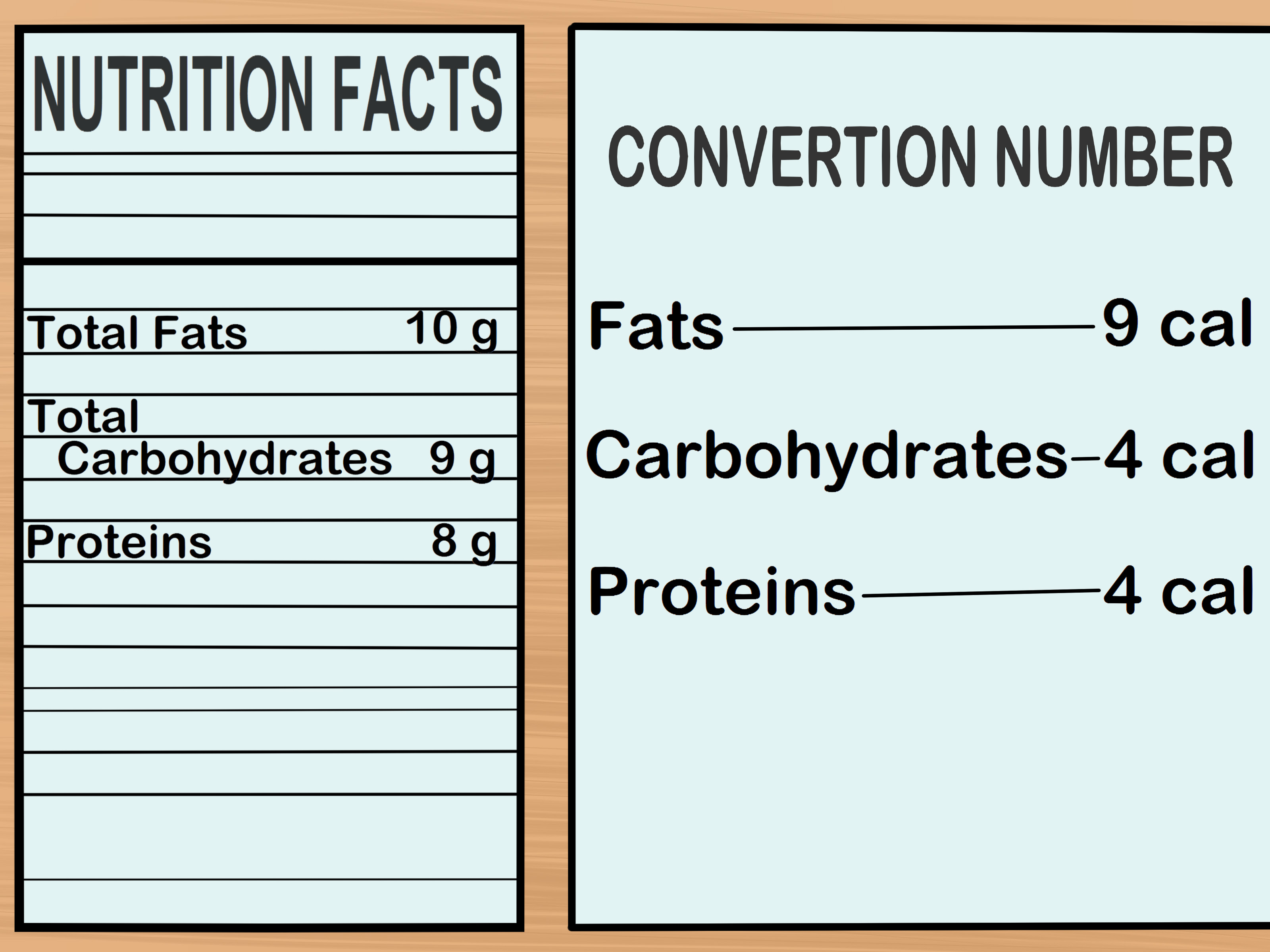
To convert grams to calories, multiply the number of grams by the calorie value of the nutrient:
- Carbohydrates: 4 calories per gram
- Protein: 4 calories per gram
- Fat: 9 calories per gram
- Alcohol: 7 calories per gram
The general formula is:
Calories = grams × calories per gram
If you are calculating total calories from a food’s macronutrients, use this formula:
Total calories = (carb grams × 4) + (protein grams × 4) + (fat grams × 9) + (alcohol grams × 7)
Step-by-Step: How to Convert Grams to Calories
Step 1: Identify the Nutrient
First, figure out whether the grams refer to carbohydrates, protein, fat, or alcohol. This matters because each one has a different calorie value. If you only know that a food weighs 100 grams, that is not enough information. A 100-gram apple, 100 grams of chicken breast, and 100 grams of butter have very different calorie totals.
Step 2: Use the Correct Calories-Per-Gram Value
Once you know the nutrient, match it with the correct number. Carbs and protein each provide 4 calories per gram. Fat provides 9 calories per gram. Alcohol provides 7 calories per gram.
This is where many people get tripped up. They see “grams” and assume there is one universal conversion. Nutrition does not work that way. Fat is more energy-dense, which means each gram contains more than twice the calories of carbohydrate or protein.
Step 3: Multiply Grams by Calories Per Gram
Now do the math. If a food has 20 grams of carbohydrate, multiply 20 by 4:
20 grams carbohydrate × 4 calories = 80 calories
If another food has 20 grams of fat, multiply 20 by 9:
20 grams fat × 9 calories = 180 calories
Same number of grams, very different calorie result. Fat is not “bad” because of this; it simply carries more energy per gram.
Step 4: Add the Calories From Each Macronutrient
Most foods contain more than one macronutrient. A peanut butter sandwich, for example, includes carbohydrates from bread, fat from peanut butter, and protein from both. To estimate total calories, calculate each nutrient separately and then add the results.
Example 1: Converting Carbohydrate Grams to Calories
Suppose a bowl of cereal contains 32 grams of carbohydrates. Since carbs provide 4 calories per gram:
32 × 4 = 128 calories from carbohydrates
This number tells you how many calories come from carbohydrates only. The cereal may also contain protein and fat, so the total calories may be higher.
Example 2: Converting Protein Grams to Calories
Imagine a serving of Greek yogurt contains 18 grams of protein. Protein provides 4 calories per gram:
18 × 4 = 72 calories from protein
Protein is important for muscle repair, fullness, tissue maintenance, and many body functions. When people track macros, protein is often watched closely because it can help support satiety and lean body mass when paired with a balanced diet and physical activity.
Example 3: Converting Fat Grams to Calories
Now let’s say a serving of salad dressing contains 14 grams of fat. Fat provides 9 calories per gram:
14 × 9 = 126 calories from fat
This is why calorie counts can rise quickly with oils, nuts, seeds, butter, cream, and dressings. Many of these foods can absolutely fit into a healthy diet, but the portions matter. A little drizzle can become a full-blown swimming pool if your hand gets enthusiastic.
Example 4: Calculating Total Calories From Macros
Let’s calculate calories for a snack with the following macros:
- Carbohydrates: 25 grams
- Protein: 10 grams
- Fat: 8 grams
Now multiply each:
- Carbs: 25 × 4 = 100 calories
- Protein: 10 × 4 = 40 calories
- Fat: 8 × 9 = 72 calories
Add them together:
100 + 40 + 72 = 212 total calories
The nutrition label may round this number to 210 calories. That is normal because food labels often use rounding rules.
Why Nutrition Labels May Not Match Your Math Exactly
If you calculate calories from grams and your result is slightly different from the Nutrition Facts label, do not panic. Your calculator is not haunted. Nutrition labels may round calories, grams, and serving values. In addition, some foods contain fiber, sugar alcohols, organic acids, or other components that can affect calorie calculations.
Food composition is also more complex than a simple equation. The standard 4-4-9 method is widely used and useful, but real foods vary. A whole almond, a spoonful of almond butter, and almond flour may digest a little differently even though they come from the same ingredient family.
How Fiber Fits Into Gram-to-Calorie Math
Fiber is listed under total carbohydrates on Nutrition Facts labels, but it behaves differently from sugars and starches. Some fiber is not fully digested, and some is fermented by gut bacteria. Because of that, fiber may provide fewer calories than standard digestible carbohydrates.
For everyday label reading, most people can use the total carbohydrate number and the 4 calories-per-gram rule for a quick estimate. For more precise tracking, especially with high-fiber foods, calorie totals on the label are usually more practical than trying to recalculate everything manually.
How Alcohol Changes the Calculation
Alcohol provides about 7 calories per gram. This is why alcoholic drinks can add calories even when they do not seem filling. A drink may contain calories from alcohol itself, plus carbohydrates from juice, soda, syrups, cream, or sweet mixers.
To calculate alcohol calories, multiply grams of alcohol by 7. However, many drink labels do not list alcohol in grams the same way food labels list protein, fat, and carbohydrates. For mixed drinks, calorie estimates can vary widely depending on the recipe.
Grams to Calories Conversion Table
| Nutrient | Calories Per Gram | Example | Calories |
|---|---|---|---|
| Carbohydrate | 4 | 30 grams × 4 | 120 calories |
| Protein | 4 | 25 grams × 4 | 100 calories |
| Fat | 9 | 15 grams × 9 | 135 calories |
| Alcohol | 7 | 12 grams × 7 | 84 calories |
How to Use This Math for Meal Planning
Gram-to-calorie conversion is helpful when you want to understand where your calories come from. It can also help you compare foods that look similar but behave differently nutritionally.
For example, two snacks may both have 200 calories. One may be mostly refined carbohydrates and added sugar, while the other may include protein, fiber, and healthy fats. The calorie number is the same, but the fullness, nutrient value, and blood sugar response may not be.
This is why smart nutrition is not just “calories in, calories out” scribbled on a sticky note. Calories matter, but food quality matters too. A balanced eating pattern usually includes fruits, vegetables, whole grains, lean proteins, dairy or fortified alternatives, beans, nuts, seeds, and healthy fats.
Common Mistakes When Converting Grams to Calories
Mistake 1: Using Food Weight Instead of Macro Grams
The weight of a food is not the same as the grams of carbohydrate, protein, or fat inside it. A 100-gram banana does not contain 100 grams of carbohydrates. Much of that weight is water. Always look for the macro grams, not just the food weight.
Mistake 2: Treating All Grams the Same
Ten grams of fat equals about 90 calories. Ten grams of protein equals about 40 calories. If you use one conversion number for everything, your estimate will be off faster than a shopping cart with one bad wheel.
Mistake 3: Forgetting Serving Size
Nutrition labels are based on serving size. If the label says one serving has 12 grams of fat but you eat two servings, you consumed 24 grams of fat. The calories double too. Serving size is the tiny line on the label that can quietly cause big surprises.
Mistake 4: Ignoring Rounding
If your math gives you 213 calories and the label says 210, that is usually a rounding issue. Do not waste your afternoon arguing with a granola bar.
Quick Practice Problems
Try these simple conversions:
- 45 grams of carbohydrates = 45 × 4 = 180 calories
- 30 grams of protein = 30 × 4 = 120 calories
- 20 grams of fat = 20 × 9 = 180 calories
- 10 grams of alcohol = 10 × 7 = 70 calories
Notice that 45 grams of carbohydrates and 20 grams of fat both equal 180 calories. This is a useful reminder that food energy depends on the nutrient, not just the gram amount.
When Should You Convert Grams to Calories?
You do not need to calculate every bite of food to eat well. For many people, that would turn lunch into accounting, and nobody invited spreadsheets to the picnic. But gram-to-calorie math can be useful when you are:
- Learning how to read Nutrition Facts labels
- Tracking macronutrients for fitness or health goals
- Comparing similar products
- Understanding why some foods are more calorie-dense
- Planning meals with balanced carbohydrates, protein, and fat
- Checking whether an online calorie estimate seems reasonable
Calories vs. Nutrient Quality: Do Not Miss the Bigger Picture
Converting grams to calories is useful, but it is not the whole nutrition story. A food can be low in calories and still not offer much nutrition. Another food can be higher in calories but rich in fiber, protein, vitamins, minerals, and healthy fats.
For example, nuts are calorie-dense because they contain fat, but they also provide nutrients and can be part of a balanced diet. Soda may have fewer calories than a handful of nuts, but it usually provides little beyond sugar and energy. Calories tell you how much energy a food provides. They do not tell you everything about how nourishing that food is.
Real-Life Experience: Using Gram-to-Calorie Math Without Losing Your Mind
The first time many people try to convert grams to calories, they treat it like a final exam. They open a food-tracking app, grab a calculator, stare at a label, and wonder why a harmless-looking spoonful of peanut butter suddenly feels like a financial decision. That reaction is normal. Nutrition math can feel intimidating at first because food is personal, labels are crowded, and serving sizes sometimes seem designed by someone who has never met actual hunger.
A practical way to start is to choose one meal you eat often and calculate only the main macros. Breakfast is a great place to practice. Suppose you eat oatmeal with milk, banana slices, and peanut butter. Look at the label for oats and write down carbohydrate, protein, and fat grams. Do the same for milk and peanut butter. For the banana, use a reliable food database or package information if available. Then multiply carbs by 4, protein by 4, and fat by 9. Add the results. You may quickly notice that oats contribute mostly carbohydrates, milk adds carbs and protein, and peanut butter brings most of the fat. Suddenly the meal makes more sense.
Another useful experience is comparing two similar foods. Take regular yogurt and Greek yogurt. Greek yogurt often contains more protein per serving, which means more of its calories may come from protein. Or compare two salad dressings. One may have 14 grams of fat while another has 5 grams. That difference alone can explain an 81-calorie gap because 9 grams of fat equals 81 calories. You do not need to judge either dressing. You simply understand the numbers better.
The math also helps with portion awareness. Many calorie surprises come from foods that are easy to pour, scoop, or drizzle: cooking oil, cream, sauces, nut butters, trail mix, cheese, and dressings. Measuring them once or twice can train your eye. After that, you may not need to measure every time. Think of it like learning to park a car. At first, you check every mirror. Later, you just know when you are too close to the curb.
The best experience-based advice is to use gram-to-calorie conversion as a learning tool, not a punishment tool. It should make eating feel clearer, not smaller. If calculating everything makes meals stressful, step back. Use the method occasionally to understand patterns. You might learn that adding protein makes breakfast more filling, that fats add calories quickly but also improve satisfaction, or that high-fiber carbs can help you feel energized longer. The goal is not to become a human calculator. The goal is to make informed choices with less confusion and maybe fewer arguments with snack labels.
Conclusion
Learning how to convert grams to calories is one of the simplest ways to understand nutrition labels and meal composition. The core formula is easy: carbohydrates and protein provide 4 calories per gram, fat provides 9 calories per gram, and alcohol provides 7 calories per gram. Once you know which nutrient you are working with, you can multiply grams by the correct calorie value and estimate the energy contribution.
Still, calorie math is only part of the picture. Food quality, fiber, serving size, nutrient density, and personal health needs all matter. Use this guide as a practical tool, not a rigid rulebook. The best nutrition habits are the ones you can actually live withpreferably without needing a calculator at every dinner table.
Note: This article is for general educational purposes only and should not replace personalized advice from a registered dietitian, physician, or qualified healthcare professional.