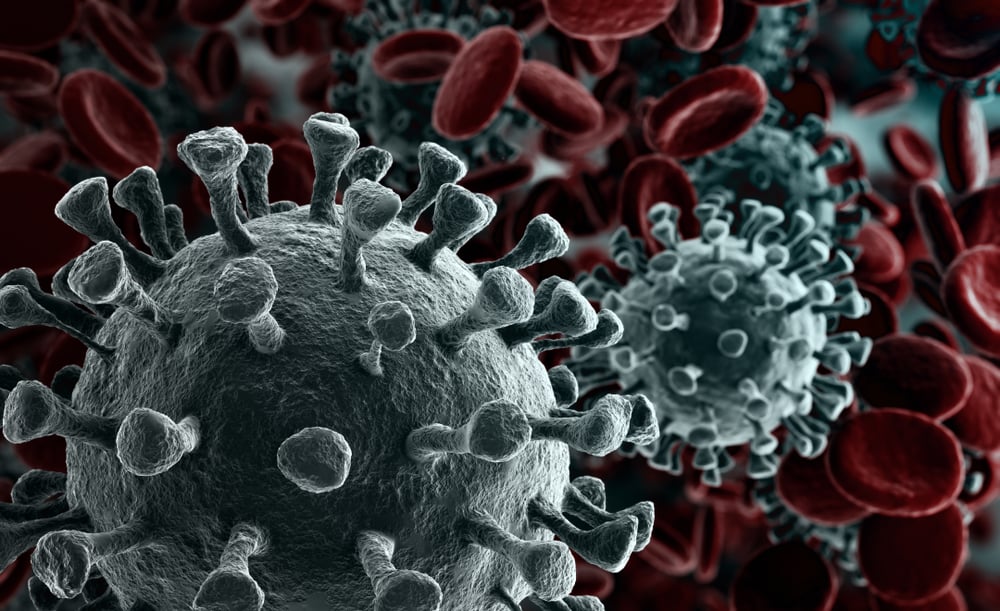
COVID-19 changed the way we think about personal choice, public health, and the invisible threads connecting one household to another. Social distancing and vaccines are not just medical tools; they are community habits that help protect people we may never meet.
Why COVID-19 Still Deserves Our Attention
COVID-19 may no longer dominate every headline, but it has not packed a suitcase, waved goodbye, and retired to a quiet island. The virus that causes COVID-19 continues to circulate, mutate, and cause illness, especially among older adults, people with weakened immune systems, people with chronic health conditions, pregnant people, and those who have never been vaccinated.
That does not mean life must be lived in panic mode. Nobody wants to return to wiping down cereal boxes like they are classified government documents. But it does mean we need a smarter, more balanced approach. Social distancing, staying home when sick, improving indoor air, wearing masks in high-risk situations, and staying up to date on COVID-19 vaccines all work together like a public-health toolbox. A hammer alone does not build a house, and a vaccine alone does not end every risk. But together, these tools can reduce severe illness, protect hospitals, and make daily life safer.
The heart of the matter is responsibility. Not the finger-wagging kind. The practical kind. The kind that says, “I can take small actions today that may keep someone else out of the hospital tomorrow.” That is not fear. That is maturity with shoes on.
What Social Distancing Really Means Now
In the early pandemic, “social distancing” became one of the most repeated phrases in America. It sounded awkward, almost robotic, as if humans had suddenly been reclassified as shopping carts that needed six feet of aisle space. But the idea behind it was simple: respiratory viruses spread more easily when people are close together, especially indoors, especially when ventilation is poor, and especially when someone is coughing, sneezing, talking loudly, singing, or pretending karaoke is a constitutional right.
Today, social distancing does not have to mean isolation from everyone and everything. A better phrase is physical distancing when risk is higher. That can mean staying home when you feel sick, giving people more space in crowded indoor areas, choosing outdoor gatherings when possible, avoiding close contact with someone who has symptoms, and using extra caution around people at higher risk of severe COVID-19.
Social distancing is not about fear; it is about timing
Good judgment matters. If community illness is high, if you are recovering from symptoms, if you are visiting a nursing home, or if you are about to spend time with someone undergoing cancer treatment, physical distance becomes more than a personal preference. It becomes a courtesy. Think of it as holding the door open, except the door is a safer respiratory environment.
Public-health guidance now emphasizes layered prevention. When you are sick, stay away from others until symptoms are improving and fever has been gone without fever-reducing medicine for at least 24 hours. After returning to normal activities, extra precautions for several days can help reduce spread. Those precautions may include masking, distancing, improving ventilation, testing, and avoiding close contact with high-risk people.
Why Vaccines Are Part of the Same Responsibility
COVID-19 vaccines are not magic force fields. They do not guarantee that a person will never test positive, never cough, or never cancel plans because their body suddenly feels like a bag of wet laundry. What vaccines do very well is help reduce the risk of severe illness, hospitalization, and death. That distinction matters.
Vaccination trains the immune system to recognize the virus more quickly. Instead of meeting COVID-19 like a total stranger at the door, the immune system has a wanted poster. That preparation can make a major difference, especially for people who are older or medically vulnerable.
Updated vaccines matter because the virus changes
SARS-CoV-2, the virus that causes COVID-19, changes over time. Variants emerge because viruses replicate, and replication is not always tidy. It is more like a tired intern making photocopies at midnight: mistakes happen. Updated COVID-19 vaccines are designed to better match circulating strains and help refresh protection that may decrease over time.
In the United States, COVID-19 vaccine recommendations have evolved. Current guidance supports shared or individual-based decision-making for people ages 6 months and older, with vaccination especially important for older adults, people at high risk of severe COVID-19, residents of long-term care facilities, people who have never received a COVID-19 vaccine, and those who want to lower their risk of complications such as Long COVID. For children, pregnant people, immunocompromised individuals, and anyone with complex health concerns, a conversation with a healthcare professional can help personalize the decision.
This is where responsibility becomes practical. Staying informed, asking questions, and choosing vaccination when appropriate are not just private health decisions. They can also reduce pressure on emergency rooms, protect vulnerable neighbors, and help keep schools, workplaces, and families functioning.
Social Distancing and Vaccines Work Better Together
One of the most common mistakes in pandemic thinking is treating prevention tools like rival sports teams. Some people talk as if vaccines make distancing unnecessary forever. Others talk as if distancing alone can replace vaccines. In reality, prevention works best as a team sport.
Vaccines reduce the risk of severe outcomes. Distancing reduces exposure. Ventilation lowers the amount of virus that may build up indoors. Masks can reduce inhalation and exhalation of infectious particles. Testing helps people make better decisions before gatherings. Staying home when sick prevents one person’s “just allergies” from becoming ten people’s very non-allergic week of misery.
The Swiss cheese model of protection
Public-health experts often describe layered protection as slices of Swiss cheese. Each slice has holes. No single layer is perfect. But when several layers overlap, the holes are less likely to line up. Vaccination, physical distancing, masking, ventilation, hand hygiene, testing, and staying home when sick each add a layer. Together, they reduce risk more effectively than any single measure alone.
This is especially important because people do not all carry the same level of risk. A healthy 25-year-old and an 82-year-old with heart disease may walk into the same grocery store, but COVID-19 does not pose the same danger to both. Community responsibility means recognizing that our choices can affect someone whose medical history we cannot see.
The Role of Indoor Air: The Prevention Tool We Underestimated
COVID-19 spreads mainly through respiratory particles. That makes indoor air quality a big deal. Crowded rooms with poor airflow allow viruses to linger more easily. Cleaner air, better ventilation, air filtration, and outdoor gatherings can reduce exposure risk.
Opening windows when weather allows, using properly maintained HVAC systems, adding portable HEPA air cleaners, meeting outside, and avoiding packed indoor spaces during surges are common-sense steps. They are not glamorous. Nobody gives an award speech for “Best Supporting Air Filter.” But cleaner air can protect people from COVID-19 and other respiratory viruses, including flu and RSV.
Distancing is easier when spaces are designed wisely
Businesses, schools, churches, clinics, and event venues can support safer behavior by improving airflow, reducing crowding during peak illness seasons, offering flexible sick leave, and making masks available without turning the front desk into a courtroom drama. Public health is easier when environments make the healthier choice the simpler choice.
Common Myths About Social Distancing and Vaccines
Myth 1: “If I feel fine, I cannot spread COVID-19.”
Some people with COVID-19 have mild symptoms or no obvious symptoms. That is one reason prevention matters. Waiting until everyone looks visibly sick is not a reliable strategy. Viruses, unfortunately, do not wear name tags.
Myth 2: “Vaccines are pointless if breakthrough infections happen.”
Breakthrough infections can happen, but that does not make vaccines pointless. A seat belt does not prevent every car accident, yet most people still understand why wearing one is wise. COVID-19 vaccines are mainly valued for reducing the risk of severe disease, hospitalization, and death.
Myth 3: “Social distancing means never seeing anyone.”
Responsible distancing is not permanent isolation. It is risk-based decision-making. Stay home when sick. Avoid crowding when illness is spreading. Protect high-risk people. Choose safer gathering options. That is not antisocial; it is pro-grandma, pro-coworker, and pro-not-ruining-the-family reunion.
Myth 4: “Only high-risk people need to care.”
High-risk people deserve protection, but they cannot carry the entire burden alone. Many live, work, study, shop, worship, and travel in the same spaces as everyone else. A community that expects vulnerable people to disappear so everyone else can avoid inconvenience has misunderstood the word “community.”
How Families Can Make Practical COVID-19 Decisions
Families do not need a laboratory in the basement to make smart choices. They need a simple plan. First, know who in the household or close circle is at higher risk. Second, stay informed about vaccine recommendations. Third, keep rapid tests available if possible. Fourth, create a “sick day” routine that includes rest, distance from others, masks if sharing space, and good ventilation. Fifth, normalize canceling plans when someone has symptoms.
Parents can teach children that staying home when sick is not a punishment. It is an act of kindness. Children understand fairness better than adults sometimes do. Explain that germs can travel from one person to another, and that giving people space helps protect classmates, teachers, grandparents, and babies too young or too medically fragile to fight infections easily.
Workplaces need responsibility too
Employees should not have to choose between paying rent and protecting coworkers. Flexible sick leave, remote work options when possible, clear illness policies, and respectful masking norms can reduce workplace spread. A culture that rewards people for showing up sick is not “dedicated.” It is a group project in bad decision-making.
Protecting High-Risk People Is a Shared Duty
COVID-19 has always been unequal in its impact. Older adults, residents of long-term care facilities, people with certain medical conditions, and immunocompromised people face higher risk of severe outcomes. Some people also do not develop strong immune protection after vaccination because of medical treatments or immune-system conditions.
That means the people around them matter. A vaccinated caregiver, a masked visitor with mild symptoms, a family member who tests before a holiday dinner, or a coworker who stays home while feverish can make a real difference. Responsibility is not always dramatic. Sometimes it looks like rescheduling brunch.
Long COVID is another reason to take prevention seriously. Even people who survive the acute infection may develop lingering symptoms that affect energy, breathing, thinking, sleep, or daily function. Reducing infections and severe illness is not only about avoiding the worst-case scenario; it is also about protecting quality of life.
What Responsible Prevention Looks Like Today
A responsible COVID-19 prevention plan does not require perfection. It requires consistency, humility, and a willingness to adjust when risk changes. During periods of higher respiratory illness, people can choose smaller gatherings, better-ventilated spaces, outdoor events, masks in crowded indoor places, and updated vaccination. When sick, people can stay home, rest, and avoid close contact with others. When visiting someone high risk, people can test, mask, distance, or postpone if symptoms appear.
These actions are not signs that life has stopped. They are signs that we learned something. Before COVID-19, many people treated coughing through a meeting as a badge of honor. Now we know better. The new badge of honor is saying, “I’m staying home because I don’t want to get everyone sick.” Very stylish. Very adult. Pairs nicely with soup.
Personal and Community Experiences: What COVID-19 Taught Us
The experience of COVID-19 was not just medical; it was deeply human. Families learned how quickly a birthday party, a work meeting, or a casual dinner could become a chain of exposure. Teachers learned that classrooms are not only places of learning but also living ecosystems of coughs, backpacks, snacks, and shared air. Healthcare workers learned what exhaustion looks like when it wears scrubs. Parents learned that “remote learning” could turn the kitchen table into a classroom, office, cafeteria, and emotional support center before noon.
One of the clearest lessons was that small choices matter. A person who stayed home with symptoms may never know whose health they protected. A worker who wore a mask on the bus after exposure may never meet the elderly passenger who benefited. A family that moved Thanksgiving dinner outdoors may remember the chilly weather more than the risk they reduced. Public health often works quietly. When prevention succeeds, nothing happens. No ambulance. No outbreak. No frightening phone call. That silence is easy to underestimate, but it is the sound of a community doing something right.
Another lesson was that responsibility can feel inconvenient before it feels meaningful. Social distancing disrupted routines. People missed weddings, funerals, graduations, concerts, school events, and ordinary coffee with friends. Those losses were real. It is important not to pretend they were easy. But many people also discovered new forms of care: porch visits, video calls, grocery drop-offs, neighborhood mutual aid, drive-by celebrations, and handwritten notes that suddenly felt more powerful than another forwarded meme from Uncle Dave.
Vaccination brought its own emotional story. For some, getting vaccinated felt like relief. For others, it brought questions, hesitation, or family debates that could make dinner conversation feel like a cable news panel with mashed potatoes. The best experiences often came from respectful conversations with trusted healthcare professionals, not shouting matches online. People wanted clear information: How does the vaccine work? What are the side effects? Who needs it most? How often should it be updated? Honest answers helped more than judgment.
COVID-19 also exposed how connected we are. One person’s health decision can ripple outward to a grandparent, a newborn, a cancer patient, a teacher, a bus driver, or a stranger in line at the pharmacy. That connection can feel heavy, but it can also be hopeful. It means our actions have power. We are not helpless. We can choose vaccination when appropriate. We can stay home when sick. We can give others space. We can improve air quality. We can stop treating illness like a productivity contest.
The most useful experience to carry forward is balance. We do not need to live frozen in emergency mode, but we should not forget what respiratory viruses can do. The goal is not fear; the goal is wisdom. COVID-19 taught us that public health is built in ordinary moments: the canceled lunch, the opened window, the updated vaccine appointment, the mask worn around a vulnerable relative, the decision to rest instead of powering through. Responsibility is not always loud. Sometimes it is simply choosing not to share your germs with the room. In a world that has shared quite enough already, that is a pretty generous gift.
Conclusion: Responsibility Is How We Move Forward
COVID-19 reminded us that health is personal, but it is never only personal. Social distancing and vaccines are two important ways we protect ourselves and the people around us. They are not about panic, politics, or perfection. They are about reducing preventable harm.
When we stay home while sick, give others space during higher-risk moments, improve indoor air, wear masks when appropriate, and stay informed about updated COVID-19 vaccines, we build a more thoughtful version of normal life. The virus may keep changing, but so can we. We can become better at protecting one another without losing our humor, our routines, or our sense of connection.
Social distancing is our responsibility. Vaccines are too. Together, they remind us that public health is not just something experts talk about at podiums. It is something we practice in grocery stores, classrooms, offices, homes, buses, clinics, and family gatherings. It is ordinary people making ordinary choices that add up to extraordinary protection.