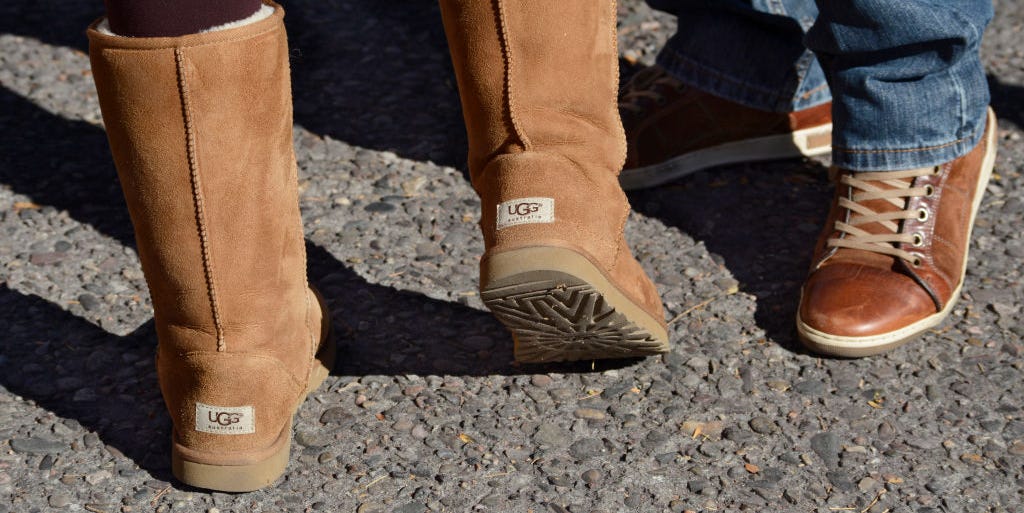
UGGs are the footwear equivalent of a warm hug. They are soft, cozy, easy to slip on, and somehow make a chilly morning feel less rude. But they also have one tiny personality flaw: suede and sheepskin do not love water, road salt, mud, coffee, sidewalk slush, or that mysterious gray puddle you absolutely should have walked around.
The good news? You can clean UGGs at home without turning them into stiff, patchy, sad-looking boot fossils. The trick is to work gently, use the right supplies, avoid soaking the material, and give the boots plenty of time to dry naturally. Whether you are dealing with water stains, salt rings, mud splashes, or everyday grime, this guide explains how to clean UGG boots step by step while protecting their shape, texture, and cozy lining.
Before you begin, remember that “UGGs” can refer to many styles: classic suede sheepskin boots, slippers, leather boots, waterproof styles, and fashion variations. The tips below are best for traditional suede and sheepskin UGG boots. Always check the care label for your exact pair before cleaning, because your boots may have special instructions.
What You Need to Clean UGGs at Home
You do not need a laboratory, a tiny boot spa, or a dramatic cleaning montage. You just need a few gentle tools and a little patience.
- Suede brush or soft-bristled shoe brush
- Clean microfiber cloths
- Clean sponge
- Cold water
- UGG Cleaner & Conditioner or a suede-safe cleaner
- White vinegar for salt stains
- Suede eraser or clean white pencil eraser
- Plain white paper towels or unprinted paper
- Suede protector spray
Avoid colored towels, newspaper, harsh detergents, bleach, fabric softener, shoe polish, and hot water. Suede is beautiful, but it is also a little dramatic. Treat it like a delicate sweater, not a kitchen floor.
Important Rules Before Cleaning UGG Boots
Do Not Put UGGs in the Washing Machine
Classic sheepskin and suede UGG boots should be hand-washed only. A washing machine can oversaturate the material, damage the suede surface, weaken adhesives, shrink the boots, and leave the lining clumpy. The dryer is even worse. Heat can stiffen suede, distort the shape, and make the boots feel less like luxury slippers and more like cardboard with opinions.
Never Dry UGGs With Direct Heat
Do not place wet UGGs near a heater, fireplace, radiator, hair dryer, or direct sunlight. Let them dry slowly in a cool, well-ventilated area. Slow drying helps protect the shape, color, and softness of the suede.
Always Clean Both Boots Evenly
If you clean only one stained area, that section may dry lighter or darker than the rest. For water stains or all-over cleaning, lightly dampen the entire outside surface of both boots so the finish dries more evenly. This is one of the most important tricks for avoiding obvious cleaning marks.
Test First
Before using vinegar, suede cleaner, or protector spray, test it on a small hidden area. Wait until it dries. If the color or texture looks strange, do not continue. Your boots are cozy, not invincible.
How to Clean UGGs at Home Step by Step
Step 1: Let the Boots Dry If They Are Wet or Muddy
If your UGGs are wet from rain, snow, or mud, resist the urge to scrub immediately. Wet suede is more fragile, and rubbing can push dirt deeper into the fibers. First, blot excess moisture with a dry microfiber cloth. Then stuff the boots with white paper towels or unprinted paper to help them keep their shape.
Let the boots air-dry naturally. For mud stains, wait until the mud is fully dry before brushing it away. This may feel wrong, but dried mud is much easier to remove than wet mud, which smears like a villain in a cleaning commercial.
Step 2: Brush Away Surface Dirt
Once the boots are dry, use a suede brush to remove loose dirt, dust, and dried mud. Brush gently in one direction. Do not grind the brush into the suede. Think of it as waking up the fibers, not sanding a deck.
For small scuffs or dry marks, use a suede eraser or clean white pencil eraser. Rub lightly and stop if the material starts to look rough. After erasing, brush again to lift the nap.
Step 3: Lightly Dampen the Exterior
For a full cleaning, dampen a clean sponge with cold water and gently moisten the entire outside surface of the boot. The goal is damp, not soaked. Do not pour water onto the boots or hold them under a faucet. Too much water can cause staining, stiffness, and uneven color.
Step 4: Apply Suede-Safe Cleaner
Use UGG Cleaner & Conditioner or a cleaner labeled safe for suede and sheepskin. Apply a small amount to a wet sponge rather than directly onto the boot. Gently clean the surface with light, even strokes. Pay extra attention to stained areas, but avoid aggressive scrubbing.
If you are using the official cleaner, follow the product directions carefully. Some cleaners should be diluted before use. When in doubt, use less product and more patience.
Step 5: Remove Cleaner Residue
Use a separate clean, damp sponge or microfiber cloth to wipe away remaining cleaner. Again, use cold water and avoid soaking the suede. This step helps prevent residue from drying into the material and leaving dull spots.
Step 6: Stuff and Air-Dry
Stuff the inside of each boot with white paper towels or unprinted paper. This helps the boots hold their shape while drying. Place them in a cool, ventilated spot away from sunlight and heat. Let them dry for at least 24 hours, or longer if they still feel damp.
Step 7: Brush the Nap Back to Life
After the boots are completely dry, brush the suede gently in one direction. This restores the soft, velvety texture and helps remove any flattened areas. If the suede still looks uneven, keep brushing lightly. Do not rush this final step; it is where the boots start looking like themselves again.
How to Remove Water Stains From UGGs
Water stains are common because suede reacts unevenly when only one patch gets wet. A few raindrops can leave spots, while a splash can create a ring. The solution is not to scrub the stain harder. The solution is to even out the moisture.
Water Stain Removal Method
- Let the boots dry completely if they are still wet.
- Brush the suede gently to remove dirt and lift the nap.
- Lightly dampen the entire outer surface of the boot with cold water.
- Blot with a microfiber cloth to remove excess moisture.
- Stuff with white paper and let the boots dry naturally.
- Brush again once dry.
This works because it prevents one small wet patch from drying differently than the rest of the boot. If the stain remains, follow the full cleaning method with a suede-safe cleaner.
How to Remove Salt Stains From UGGs
Salt stains are the winter enemy of suede boots. Road salt can leave chalky white lines, dry out the material, and make boots look older than they are. Luckily, salt stains can often be removed at home with white vinegar and water.
Vinegar Method for Salt Stains
- Let the boots dry completely.
- Brush away loose salt with a suede brush.
- Mix one part white vinegar with one part cold water.
- Dampen a clean cloth with the mixture. Do not soak it.
- Gently dab or wipe the salt-stained areas.
- Use another cloth dampened with plain cold water to remove vinegar residue.
- Blot with a dry cloth, stuff the boots, and air-dry.
- Brush the suede once the boots are fully dry.
For stubborn salt rings, repeat the process lightly rather than using more liquid. Oversaturating suede can create a new water stain, which is a very annoying way to win the battle and lose the war.
How to Remove Mud Stains From UGGs
Mud stains look dramatic, but they are often easier to handle than salt or oil. The key is to let the mud dry completely first.
Mud Stain Removal Method
- Let the mud dry fully. Do not wipe wet mud.
- Use a suede brush to remove dried mud from the surface.
- Use a suede eraser for remaining marks.
- If stains remain, lightly clean the area with suede cleaner and a damp sponge.
- Wipe with a clean damp cloth to remove residue.
- Stuff and air-dry naturally.
- Brush the nap when dry.
If the mud is heavy, hold the boot upside down while brushing so loosened dirt falls away instead of settling deeper into the fibers. Be patient, especially around seams and the lower part of the boot where mud tends to cling.
How to Clean the Inside of UGG Boots
The inside of UGGs can collect sweat, odor, lint, and the occasional mystery crumb. Since many UGG boots are lined with sheepskin or wool-like material, avoid soaking the interior.
Freshening the Lining
Start by shaking out loose debris. If the boots smell stale, sprinkle a small amount of baking soda inside and let it sit overnight. The next day, shake out the powder thoroughly and use a vacuum hose on low suction if needed.
You can also use a shoe deodorizing spray designed for sheepskin or suede footwear. Wear clean socks with UGG boots when possible, especially if your feet tend to sweat. Yes, UGGs feel amazing barefoot, but the lining remembers everything.
How to Protect UGGs After Cleaning
Once your UGGs are clean and completely dry, apply a suede protector spray. Choose a product made for suede or sheepskin and follow the directions on the label. Spray lightly and evenly, holding the bottle several inches away from the boots. Do this in a well-ventilated area.
Protector spray will not turn suede UGGs into rain boots, but it can help repel light moisture, dirt, and stains. Reapply as directed, especially before winter weather. Protection is much easier than stain removal, and your future self will appreciate the small effort.
Common Mistakes That Can Ruin UGGs
Using Too Much Water
Water is useful when used carefully, but soaking UGG boots can cause stains, stiffness, and loss of shape. Always use a damp sponge or cloth, never a drenched one.
Scrubbing Aggressively
Suede has a delicate surface. Heavy scrubbing can rough up the nap, remove color, or create bald-looking patches. Gentle pressure is your friend.
Using Heat to Speed Up Drying
Heat may dry the boots faster, but it can also shrink, warp, or harden them. Let the boots dry naturally, even if it takes a full day or more.
Applying Cleaner Directly to the Boot
Pouring cleaner directly onto suede can create concentrated spots. Apply cleaner to a sponge first, then work it gently into the boot.
Skipping the Final Brush
Brushing after drying restores the texture and helps the boots look soft again. Without this step, cleaned UGGs may look flat or uneven.
When Should You Take UGGs to a Professional Cleaner?
Home cleaning works well for water stains, salt marks, mud, light grime, and small scuffs. However, professional cleaning may be worth it if your boots have deep oil stains, dye transfer, heavy discoloration, mold, or major water damage. A suede and leather specialist has products and techniques that are safer for serious stains.
If your UGGs are expensive, limited edition, or emotionally important because you bought them after surviving a brutal Monday, consider professional help before experimenting.
Frequently Asked Questions About Cleaning UGGs
Can I clean UGGs with dish soap?
A tiny amount of mild dish soap diluted in cold water may help with certain stains, but it is safer to use UGG Cleaner & Conditioner or a suede-safe cleaner. Dish soap can leave residue if not removed carefully.
Can I use vinegar on UGG boots?
Yes, white vinegar diluted with water can help remove salt stains from suede UGGs. Use it sparingly, test first, and wipe with plain water afterward to remove residue.
Can I clean UGGs with a toothbrush?
A soft toothbrush can help with small areas, seams, and dried mud, but a suede brush is better for the overall surface. Use gentle strokes only.
How long do UGGs take to dry after cleaning?
Most UGG boots need at least 24 hours to air-dry. Thicker styles or heavily dampened boots may take longer. Do not wear them until they are completely dry.
Can I wear UGGs in the rain?
Classic suede UGGs are not ideal for heavy rain, deep snow, or puddles. A suede protector can help with light moisture, but waterproof UGG styles are a better choice for wet weather.
Real-Life Cleaning Experiences and Practical Lessons
One of the most common experiences with UGG boots is the “I only stepped outside for five minutes” disaster. The sidewalk looked dry, the weather seemed harmless, and then suddenly one boot has a dark water spot shaped like a small country. The first instinct is to rub it with a towel. That usually makes it worse. The better move is to blot gently, let the boot dry, and then even out the surface with a light damp cleaning. UGGs do not reward panic cleaning. They reward calm, boring, sensible cleaning.
Another familiar situation is the winter salt line. You come home, kick off your boots, and notice a white ring around the toe or lower side. It looks permanent, but it often is not. The important lesson is to remove loose salt before adding moisture. If you wet the stain too soon, the salt can dissolve and spread. Brushing first gives you a cleaner starting point. Then a lightly damp cloth with diluted white vinegar can help break down the salty residue. The key word is lightly. A cloth should feel damp, not like it just survived a shipwreck.
Mud teaches a different lesson: patience. Wet mud smeared across suede looks terrifying, but dry mud is much less dramatic. Letting it dry before brushing makes the cleaning process easier and safer. Many people ruin the texture by attacking wet mud immediately. A better approach is to stuff the boots, let them dry away from heat, then brush off the dried dirt in layers. If a faint shadow remains, a suede eraser or a small amount of suede cleaner usually helps.
Color changes can happen when only one small area is cleaned. That is why evenly dampening the full outside surface can make a big difference. If one toe box gets cleaned and the rest of the boot stays dry, the cleaned section may look brighter. Cleaning both boots evenly helps avoid the awkward “one boot went to the spa and the other stayed home” effect.
Drying is where many good cleaning attempts go wrong. It is tempting to put damp UGGs near a heater, especially when you want to wear them the next day. Unfortunately, heat can stiffen suede and change the shape. Stuffing the boots with white paper and letting them dry slowly is less exciting, but it works better. The final brush after drying also matters more than people expect. It lifts the nap, softens the look, and helps the boots feel refreshed rather than simply “less dirty.”
The best long-term experience is prevention. Spraying clean, dry UGGs with a suede protector before bad weather can reduce the panic later. It will not make classic UGGs waterproof, but it gives the suede a fighting chance against light moisture and dirt. Also, storing UGGs upright in a dry place helps them hold their shape. Do not crush them under heavy shoes in the closet unless you want them to emerge looking like they made poor life choices.
In short, cleaning UGGs at home is less about power and more about restraint. Use less water, less pressure, less heat, and more time. That simple formula handles most water, salt, and mud stains while keeping your boots soft, wearable, and ready for their next cozy adventure.
Conclusion
Cleaning UGGs at home is completely possible when you use a gentle method and avoid the common mistakes that damage suede and sheepskin. Start by brushing away dry dirt, treat water stains by evening out moisture, remove salt stains with diluted white vinegar, and let mud dry before brushing it off. For full cleaning, use cold water, a suede-safe cleaner, a damp sponge, and slow air-drying away from heat. Finish with a suede brush and protector spray to keep your boots looking fresh longer.
UGGs may be cozy, but they are not low-maintenance superheroes. Give them a little care, and they will reward you with many more seasons of warm feet, soft steps, and fewer moments of staring sadly at salt rings by the front door.
Note: Always read the care label for your specific UGG style before cleaning. These tips are intended for traditional suede and sheepskin UGG boots and may not apply to leather, waterproof, embellished, or specialty styles.