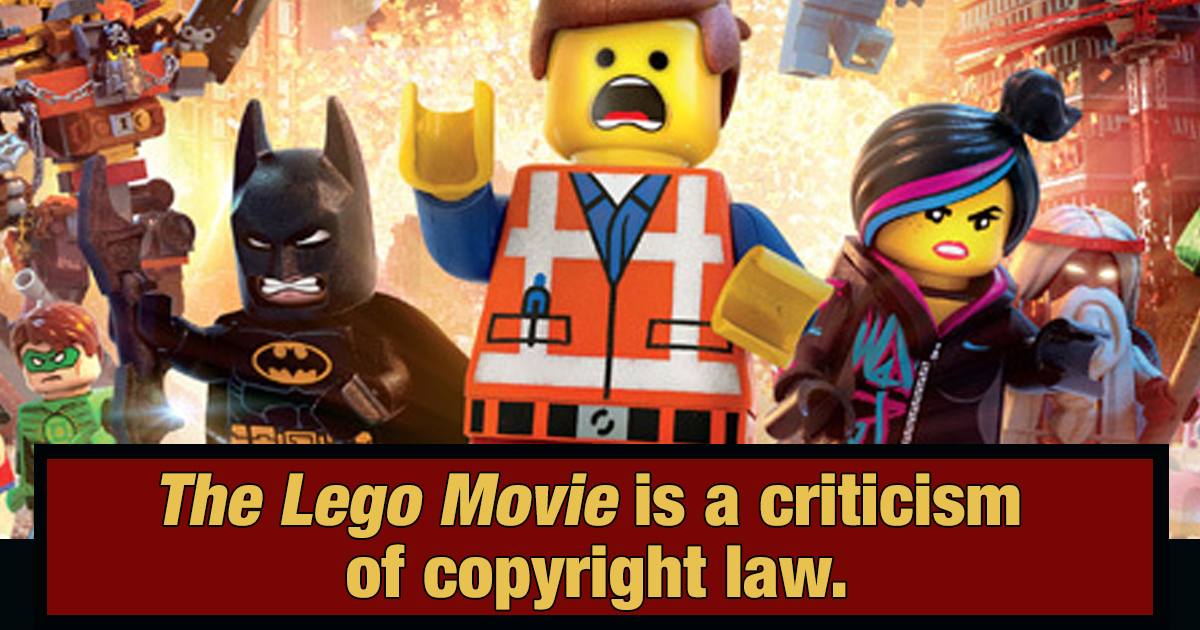
Some movies announce their politics with a megaphone. Others sneak them in wearing a cape, carrying a lightsaber, or disguised as a cute animated animal who definitely did not come here to discuss systemic bias over popcorn. The most famous films often become hits because they work on two levels: they entertain us with spectacle, jokes, action, romance, or robots with adorable eyes, while quietly asking bigger questions about power, fear, class, propaganda, identity, and who gets to control the story.
That is why political agendas in movies can be easy to miss. When a film is wrapped in explosions, fantasy worlds, superheroes, or family-friendly animation, viewers may focus on the fun and overlook the social commentary hiding in plain sight. And to be fair, not every political reading means a filmmaker sat at a desk whispering, “Excellent, now I shall brainwash the audience.” Often, political meaning grows from the cultural moment, the director’s worldview, the source material, and the audience’s own experience.
Below are five famous movies with political messages you may not have noticed the first time. They are not secret instruction manuals. They are popular films with deeper themes, sharper teeth, and a lot more on their minds than “please buy the action figure.”
What Makes a Movie Political?
A political movie does not have to include elections, presidents, flags, campaign slogans, or two people yelling on cable news while a third person looks like they regret journalism. A movie becomes political when it explores how power works. That power can come from governments, corporations, police, media systems, social hierarchies, class structures, or even public fear.
Political themes in film often show up through allegory. A fictional empire may stand in for authoritarian rule. A superhero’s surveillance machine may raise questions about civil liberties. A cheerful animated city may expose prejudice and social inequality. A dystopian game show may criticize propaganda, war, and entertainment culture. In other words, movies can talk politics without ever using the word “politics.” Sneaky? Absolutely. Effective? Very.
1. Star Wars Anti-Authoritarian Rebellion in Space
The movie everyone remembers for lightsabers has a serious political backbone
At first glance, Star Wars looks like pure space fantasy: laser swords, droids with anxiety, a villain with world-class breathing problems, and a farm boy who discovers his family drama is somehow galactic. But beneath the adventure is a classic political story about rebellion against authoritarian power.
The Galactic Empire is not just “the bad guys.” It is a centralized military state that rules through fear, destroys democratic institutions, and uses overwhelming force to crush resistance. The Death Star is more than a giant space weapon; it is state terror turned into architecture. The message is not subtle once you notice it: unchecked power will always build something big, shiny, and horrifying, then insist it is for “security.”
The Rebel Alliance, meanwhile, is small, underfunded, and morally imperfect, but it represents resistance to empire. That structure reflects real-world political anxieties about imperialism, authoritarianism, and the way governments can justify violence in the name of order. George Lucas has discussed the influence of political events such as the Vietnam War era and the fall of democratic systems into dictatorship. So yes, Star Wars is fun. It is also a story about how republics collapse, how empires sell fear, and why resistance movements begin.
The political agenda you may have missed: ordinary people must resist authoritarian systems before those systems become too powerful to challenge. Also, never trust a government that builds a moon-sized weapon and calls it peacekeeping.
2. The Dark Knight Security, Surveillance, and the War on Terror
Batman’s coolest gadgets come with uncomfortable civil liberties questions
Christopher Nolan’s The Dark Knight is often remembered as a crime thriller with a legendary Joker performance. It is tense, stylish, and full of lines that people quoted for years, usually while dramatically staring out windows. But the movie is also one of the clearest mainstream blockbusters about post-9/11 political anxiety.
The Joker operates like a terrorist figure. He uses random violence, public fear, hostage-style moral tests, and media spectacle to destabilize Gotham. His goal is not simply money or revenge. He wants to prove that society is fragile and that fear can make decent people abandon their values. That is a very political idea: terror works not only by causing damage, but by provoking overreaction.
Batman’s response raises the film’s central dilemma. To catch the Joker, he uses a citywide surveillance system built through cell phones. The machine allows him to locate a threat, but it also gives him frightening power over everyone in Gotham. Lucius Fox objects because the tool is morally dangerous even if the goal is noble. That conflict echoes debates about national security, emergency powers, privacy, and whether democracies can fight terror without becoming more authoritarian themselves.
The film does not offer a neat answer. Batman stops the Joker, but the cost is high. He lies to the public, takes the blame for Harvey Dent’s crimes, and helps create a myth that later becomes politically unstable. The movie asks whether society can survive without comforting lies, and whether exceptional violence by “good” people remains dangerous even when it appears necessary.
The political agenda you may have missed: fear can make citizens accept surveillance, secrecy, and moral compromiseand that bargain may save the day while damaging democracy. Basically, Batman wins, but your phone looks nervous.
3. WALL-E Environmental Collapse and Consumer Culture
The cute robot movie is also a warning label for modern civilization
WALL-E is adorable. That is how it gets you. You sit down for a sweet animated romance between two robots and suddenly find yourself staring at a future Earth buried under trash while humanity floats through space, distracted by screens and mega-corporate convenience. Pixar really said, “Here is a robot who loves old musicals. Also, please think about ecological ruin.”
The film’s political message is tied to environmental neglect, corporate power, and consumerism. Earth has become unlivable because humans consumed endlessly, wasted carelessly, and outsourced responsibility to a giant corporation called Buy n Large. That company does not merely sell products; it appears to have swallowed government functions, shaped public life, and managed humanity’s escape from the planet it helped ruin. It is a cartoon corporation, but the critique is serious.
On the spaceship Axiom, people are comfortable but passive. They glide around in chairs, stare at screens, drink meals from cups, and accept a life of convenience that has quietly replaced agency. The political warning is not just “littering is bad.” It is that systems built around endless consumption can make people dependent, distracted, and disconnected from the real consequences of their choices.
The movie’s solution is not presented as a policy paper. It is emotional and symbolic: humans must wake up, reconnect with the physical world, and take responsibility for rebuilding. The tiny plant becomes a political object because it represents the possibility of renewal after collapse. It is also probably the most pressure any sprout has ever been under.
The political agenda you may have missed: unchecked consumerism and corporate control can destroy the environment while keeping people too comfortable to notice. The villain is not one evil person. It is an entire lifestyle with cup holders.
4. The Hunger Games Propaganda, Inequality, and Political Spectacle
The teen survival story is really about power controlling the camera
The Hunger Games may look like a dystopian action film about teens fighting in an arena, but its deeper political message is about how authoritarian systems use entertainment to control public emotion. The Capitol does not simply punish the districts; it turns that punishment into a televised event. The Games are violence, propaganda, celebrity culture, class domination, and reality TV blended into one horrifying package with excellent costume design.
The political structure of Panem is built on inequality. The Capitol enjoys wealth, fashion, food, and spectacle, while the districts provide labor and live under surveillance, scarcity, and fear. The Games remind the districts that rebellion failed and that the state owns even their children’s bodies. That is not just cruelty. It is political theater.
Katniss Everdeen becomes dangerous because she disrupts the script. At first, she is supposed to be a tribute, then a performer, then a symbol the Capitol can package. But symbols are tricky. Once people read defiance into her actions, the state cannot fully control her image. The mockingjay becomes a lesson in propaganda: power depends on controlling stories, but stories can escape.
The movie also criticizes audiences, not just rulers. Viewers inside Panem watch suffering as entertainment. Viewers outside the movie watch a fictional version of that same spectacle. Awkward? Yes. Intentional? Very likely. The film asks how easily media can make violence feel distant, stylish, and consumable.
The political agenda you may have missed: authoritarian power survives by turning inequality and violence into spectacle, while resistance begins when people reclaim the narrative. In Panem, media strategy is not a side quest. It is the battlefield.
5. Zootopia Prejudice, Identity, and Social Bias
The talking-animal comedy has a surprisingly serious civic lesson
Zootopia is bright, funny, fast-moving, and packed with animal jokes that should not work as well as they do. A sloth at the DMV? Cinema. But under the comedy is a political story about prejudice, fear, policing, social identity, and how stereotypes shape public life.
The city of Zootopia presents itself as a place where anyone can be anything. That slogan sounds inspiring, but the movie spends most of its time showing how incomplete that promise is. Judy Hopps faces assumptions because she is a small bunny trying to become a police officer. Nick Wilde has been shaped by prejudice against foxes. Predators are feared when a crisis spreads through the city, and political figures exploit that fear for power.
The film’s species metaphor is not perfect, and critics have debated where it succeeds and where it becomes messy. Still, its core political theme is clear: bias is not only personal meanness. It can become institutional, cultural, and politically useful. People in power can use fear of an “other” to divide communities, justify control, and win support.
One of the smartest parts of Zootopia is that Judy is both sympathetic and flawed. She wants justice, but she carries her own stereotypes. That makes the message more interesting than a simple “bad people are prejudiced” lesson. The film argues that even good intentions can reproduce harmful assumptions when people do not examine the stories they have absorbed.
The political agenda you may have missed: a society can advertise equality while still being shaped by prejudice, fear, and unequal power. Also, never underestimate a children’s movie with a fox in a Hawaiian shirt. It may be coming for your worldview.
Why Hidden Political Messages Work So Well in Famous Movies
Political agendas in movies work best when they are tied to character and story rather than delivered like a lecture from someone trapped in a college seminar. Audiences may resist being told what to think, but they will happily follow a farm boy, a vigilante, a robot, a tribute, or a bunny cop into a moral dilemma. Once viewers care about the characters, the political questions become personal.
This is why genre films are so powerful. Science fiction can exaggerate the present by placing it in the future. Fantasy can turn political conflict into myth. Superhero films can explore public safety, justice, and power without naming specific parties. Animation can introduce difficult topics through humor and visual metaphor. Dystopian stories can show extreme versions of real social problems, making familiar systems look strange enough to question.
The best political movies do not always tell audiences what conclusion to reach. Instead, they create pressure. They ask: What would you sacrifice for security? How much comfort makes people passive? Who benefits when society is afraid? What happens when media turns suffering into entertainment? Who gets to decide which bodies are dangerous, valuable, or disposable?
That is not “just entertainment.” That is entertainment doing its sneakiest and most useful job: making us think after the credits roll.
Are Political Agendas in Movies a Bad Thing?
Not necessarily. The phrase “political agenda” often sounds suspicious, as if a movie is hiding behind the couch waiting to steal your independent thought. But all stories carry values. A movie that celebrates individual freedom has politics. A movie that praises military sacrifice has politics. A movie that says love conquers all has politics too, just with better lighting and more kissing.
The real question is not whether a film has politics. It is whether the film handles its themes honestly, creatively, and intelligently. A political message can make a movie richer when it grows naturally from the plot. It can also feel clumsy when characters stop behaving like people and start sounding like bumper stickers.
The five films above became famous because they work as entertainment first. You can enjoy Star Wars without writing an essay on imperialism. You can watch The Dark Knight for the action. You can love WALL-E because the robot is impossibly charming. You can enjoy The Hunger Games as suspenseful dystopian drama. You can laugh at Zootopia because the jokes are genuinely sharp. But the deeper themes are there, waiting for viewers who want to look closer.
Personal Viewing Experiences: How These Movies Change When You Rewatch Them
The funny thing about political messages in famous movies is that they often appear louder on the second or third viewing. The first time, you are usually busy following the plot. Will Luke blow up the Death Star? Will Batman stop the Joker? Will WALL-E find love and possibly invent emotional damage for adults? Will Katniss survive? Will Judy and Nick solve the case? The entertainment layer does its job so well that the political layer quietly rides along in the passenger seat.
Then you rewatch the movie years later, and suddenly the passenger grabs the steering wheel.
For many viewers, Star Wars feels different after learning more about history and government. As a kid, the Empire may simply look cool and evil. As an adult, the scenes about dissolved senates, military control, and fear-based rule feel much less like space fantasy and much more like a warning about political decay. The uniforms, the hierarchy, the giant weapons, and the language of order all become part of a larger pattern. The movie still has magic, but the magic now comes with a civics lesson.
The Dark Knight also ages in interesting ways. On a first watch, Batman’s surveillance system may feel like an intense superhero solution to an impossible problem. On a later watch, it feels more troubling. Lucius Fox’s discomfort becomes the moral center of the scene. The question is no longer just “Can Batman stop the Joker?” It becomes “What powers are we willing to create during an emergency, and can we ever truly put them away afterward?” That is a much heavier question than “Where does he get those wonderful toys?”
WALL-E may be the most personally uncomfortable rewatch of the group because its satire is wrapped in cuteness. The Axiom passengers are exaggerated, but not as exaggerated as we might like. Watching people stare into screens, consume constantly, and drift through life while a corporation manages everything can feel a little too familiar. The movie does not shame ordinary people as much as it warns against systems that reward passivity. Still, it is hard to watch without sitting up straighter, drinking water, and briefly considering whether your online shopping cart has become a character flaw.
The Hunger Games changes once you notice how much of the conflict happens through image management. Katniss is not only fighting other tributes; she is fighting editing, branding, public perception, and state-controlled storytelling. That makes the movie especially relevant in a world of viral clips, influencer politics, and carefully packaged outrage. The Capitol understands that whoever controls the camera controls reality. That insight feels sharper every year.
Zootopia may hit differently depending on the viewer’s own experiences with stereotypes, belonging, or being underestimated. Its comedy makes the medicine easier to swallow, but the film is still asking viewers to examine how quickly fear can turn neighbors into suspects. The most valuable part of the movie may be its insistence that bias is not only something villains have. Nice people can carry it too. That is uncomfortable, which is exactly why it matters.
In my experience, the best way to watch politically layered movies is not to hunt for a single “correct” message. Movies are not math problems with popcorn. Instead, ask what the story rewards, what it fears, who has power, who gets silenced, and what kind of world the ending imagines. Those questions can turn a familiar blockbuster into something fresh. You may still enjoy the jokes, fights, romances, and heroic music, but you will also see the machinery underneath.
And that is the real pleasure of discovering hidden political agendas in famous movies. It does not ruin the fun. It adds another screen behind the screen. Suddenly, the movie is not only entertaining you; it is arguing with you, teasing you, warning you, and occasionally pointing at society while pretending to be about robots, rabbits, or space wizards.
Conclusion
Famous movies often become cultural landmarks because they offer more than spectacle. Star Wars, The Dark Knight, WALL-E, The Hunger Games, and Zootopia all entertain first, but each one also carries a political message about power, fear, media, inequality, prejudice, or resistance. These themes do not make the films less enjoyable. They make them more durable.
The next time a blockbuster seems like “just a movie,” look again. Ask who has power, who wants more of it, who is being controlled, and what the story says about freedom. You may discover that the political agenda was never hidden very deeply. It was simply wearing a cape, piloting a spaceship, rolling on tiny robot treads, or making you laugh at a DMV sloth while quietly rearranging your brain.
Note: This article is written as cultural analysis based on real film history, widely discussed creator interviews, and established criticism. Interpretations may vary, because movies are artnot tax forms, thankfully.