Selling a used car online is usually about as glamorous as explaining your Wi-Fi password to a houseguest for the third time. You take a few photos, write “runs good,” add a price that says “I know what I have,” and then prepare your soul for messages like, “Will you take half and deliver it two states away?” But every so often, someone breaks the pattern. Someone looks at a painfully ordinary car and says, “What if I sold this thing with the emotional honesty of a man who has accepted his fate?”
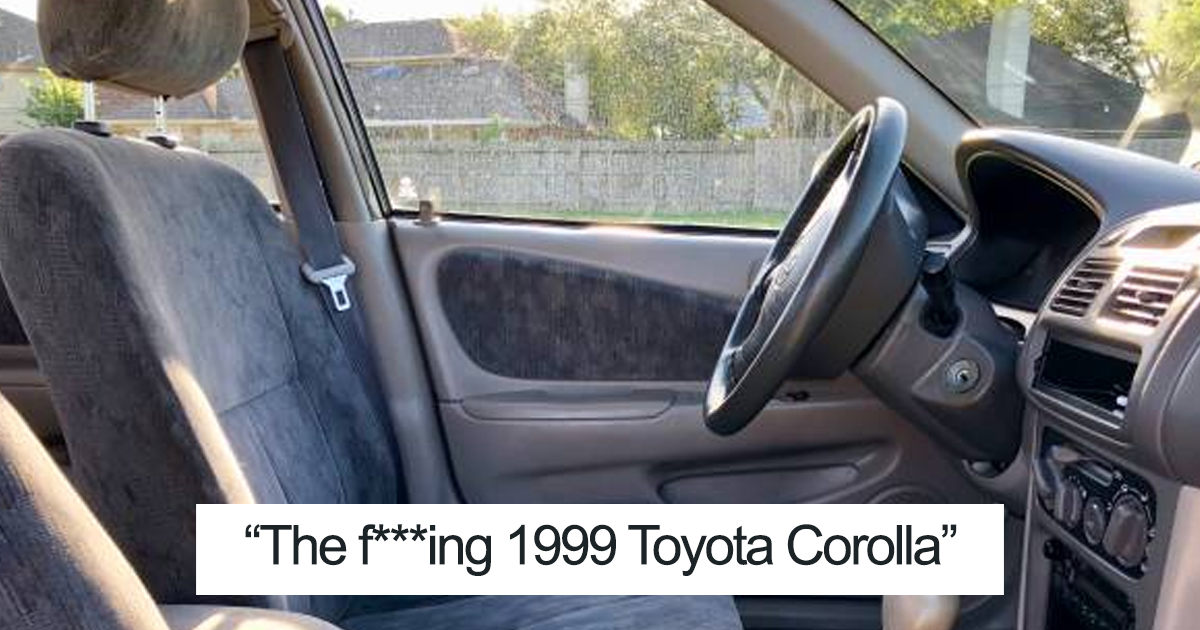
That is exactly why the viral Craigslist ad for a 1999 Toyota Corolla became internet legend. The car was not rare. It was not sporty. It was not the kind of vehicle that makes neighbors peek through the blinds and whisper, “Wow, Gary finally made it.” It was a Corolla: dependable, modest, visually allergic to attention, and probably capable of surviving both a recession and a family argument in a Costco parking lot.
Instead of pretending the car was a luxury machine, the seller leaned into everything boring about it. No fancy tech. No glamorous design. No promises of social status. Just a brutally honest pitch for a machine that existed to start, move, stop, and repeat. And somehow, that made it brilliant.
Why This Craigslist Car Sale Ad Went Viral
The humor of the ad came from its refusal to oversell. Most used-car listings try to polish every sentence until a dented commuter sedan sounds like a “rare executive touring edition.” This ad did the opposite. It took the most ordinary parts of the 1999 Corolla and turned them into punchlines. No Bluetooth? No problem. No rearview camera? The car had a rear window, and the driver presumably had a neck. That was the energy.
The seller understood something many marketers forget: honesty can be more persuasive than hype. A buyer shopping for an old Corolla is probably not expecting heated massage seats, a cinematic infotainment screen, or the ability to impress strangers at valet parking. They want transportation. They want reliability. They want a car that will get them to work without needing a spiritual intervention from a mechanic named Dale.
By being funny, the ad also felt trustworthy. The seller was not hiding the car’s lack of glamour; he was turning it into the main attraction. In a marketplace crowded with vague descriptions, blurry photos, and suspicious phrases like “minor issue, easy fix,” a listing that admits the car is boring can feel refreshingly human.
The Real Star: A 1999 Toyota Corolla With Zero Main Character Syndrome
The 1999 Toyota Corolla was the perfect subject for this kind of ad. It was not an exotic project car. It was not a collectible muscle car. It was not a convertible purchased during a midlife crisis with the phrase “just browsing.” It was a compact sedan from a nameplate known for practicality, fuel economy, and long-term dependability.
That matters because the joke only works if the product is believable. A hilariously honest ad for a broken sports car might sound like a warning. A hilariously honest ad for a Corolla sounds like a friend telling you, “Look, it is not exciting, but it will probably outlive your houseplants.” The Corolla’s reputation gave the comedy a sturdy foundation.
The ad did not need to claim the car was beautiful. It did not need to promise excitement. Its charm came from the fact that the vehicle was gloriously ordinary. In an age when car ads often sell identity, adventure, freedom, ruggedness, elegance, and occasionally a confusing amount of fog-machine drama, this Craigslist listing sold something simpler: usefulness.
Brutal Honesty: The Secret Engine Under the Hood
The best part of the ad was not just that it was funny. It was that the humor served the sale. The seller did not write random jokes and then awkwardly attach them to a car listing like a bumper sticker on a refrigerator. Every joke reinforced the same message: this car is simple, reliable, and free from unnecessary nonsense.
Honesty Makes the Seller Sound Human
Online marketplaces can feel impersonal. Buyers wonder whether the seller is exaggerating. Sellers wonder whether the buyer is real or a scammer who recently discovered punctuation. Humor cuts through that tension. A funny, specific listing suggests that an actual person wrote it, not a template copied from an abandoned forum in 2009.
Specific Details Beat Generic Claims
“Great car, must see” is not persuasive because it says almost nothing. A vivid description, even a ridiculous one, sticks in the reader’s mind. The Corolla ad made the lack of premium features memorable. That is good advertising: not fancy, just unforgettable.
The Weakness Became the Selling Point
Most sellers try to hide what their product lacks. This seller made the missing features the joke. No luxury options? That means fewer things to break. No confusing screen? That means no software update turning your morning commute into a customer-service ticket. No social prestige? Excellent. Park it anywhere and no one will care.
What Used-Car Sellers Can Learn From the Funniest Craigslist Ad
You do not need to write like a stand-up comedian to sell a used car, but this ad offers a surprisingly useful lesson: clarity wins. Buyers want to know what the car is, what condition it is in, why you are selling it, and whether the price makes sense. Humor is the hot sauce, not the meal.
1. Be Honest About the Car’s Condition
A good private-party car listing should mention the important details: year, make, model, trim, mileage, maintenance history, title status, accident history if known, and any issues the buyer should expect. If the air conditioning only works when it feels emotionally supported, say so. If the driver’s seat has a mysterious stain shaped like Wisconsin, mention it before the test drive gets weird.
2. Use Photos That Answer Questions
Good photos reduce buyer anxiety. Show the exterior from multiple angles, the interior, tires, odometer, dashboard, engine bay, trunk, and any visible flaws. Do not photograph the car at midnight in a rainstorm unless you are selling suspense. Buyers notice when photos hide damage, and they will either walk away or arrive with the energy of a courtroom attorney.
3. Price It Like Reality Exists
Sentimental value is real, but it is not a pricing tool. Your car may have carried you through college, three jobs, and one extremely questionable road trip, but the market does not charge extra for emotional mileage. Use valuation tools, compare similar local listings, and be realistic about mileage, age, and condition.
4. Make the Writing Sound Like a Person
A listing does not need to be poetic. It just needs personality. Instead of “vehicle has normal wear,” try “it has the small scratches you would expect from a car old enough to remember flip phones.” That kind of line tells the truth while keeping the reader engaged.
Why Funny Craigslist Ads Work So Well
Craigslist has always had a strange charm. It is part marketplace, part digital bulletin board, part museum of human decisions. Among ordinary posts for furniture, appliances, roommates, and mysterious “free dirt,” funny ads stand out because they feel unscripted. They remind readers that buying and selling does not have to sound like a corporate brochure.
Funny Craigslist ads work because they create a story. A normal car listing says, “Here is a car.” A great funny listing says, “Here is a car, and here is the kind of person who owns it.” That matters. People are not only buying metal, rubber, and cup holders. They are also judging trust. A seller with a clear, funny, detailed ad often seems more credible than someone who posts one dim photo and the words “no lowballers.”
There is also a sharing effect. Nobody sends their friends a bland used-car listing unless the price is suspiciously low or the bumper is held on by optimism. But a hilarious ad travels. People share it because it entertains them, even if they are not in the market for a car. That extra attention can turn a boring item into a viral object.
The Marketing Lesson Hidden Inside the Joke
Under the comedy, this Craigslist ad is a masterclass in positioning. The seller did not fight the car’s identity. He accepted it. A 1999 Corolla is not aspirational in the traditional sense. It does not say, “You have arrived.” It says, “You will arrive, probably on time, and with decent gas mileage.” That is not a weakness if the buyer values reliability.
Great marketing often starts with knowing what not to say. Do not tell budget-conscious buyers that an old Corolla is thrilling. Tell them it is simple. Do not pretend missing features are hidden luxuries. Explain that fewer gadgets can mean fewer headaches. Do not chase the wrong audience. Speak directly to the person who wants affordable transportation and can laugh at the idea of driving something aggressively unflashy.
That is why the ad felt so fresh. It did not try to transform the car into something else. It made the car’s plainness the entire point.
Specific Examples of What Made the Ad So Memorable
The ad used contrast beautifully. In a normal car advertisement, features are presented as upgrades: premium sound, alloy wheels, navigation, leather seating, advanced cameras. This seller listed the absence of those features as if he were proudly reading a menu of anti-luxury. The joke worked because readers recognized the familiar rhythm of car marketing, then watched it get flipped upside down.
Another strong element was confidence. The seller did not apologize for the car. He celebrated it. That confidence made the listing funnier and more persuasive. A nervous seller makes buyers nervous. A confident seller, even one making jokes, signals that the car does what it is supposed to do.
The ad also used simple language. No jargon. No overcomplicated mechanical explanations. No paragraph that begins with “rare opportunity.” Just direct, punchy writing. That made it easy to read and easy to share.
Safety Still Matters When Selling a Car Online
As entertaining as viral Craigslist ads can be, private car sales still require common sense. Sellers should avoid sharing sensitive financial information, be careful with unusual payment requests, and meet buyers in safe public places when possible. Buyers should inspect the vehicle, verify the title, check for recalls, and consider a pre-purchase inspection before handing over money.
Humor can attract attention, but it cannot replace paperwork. A hilarious listing may get people to click, but the sale still needs clean documentation, a safe payment method, and a buyer who understands what they are purchasing. In other words, jokes are optional; the title is not.
How to Write a Funny Car Sale Ad Without Scaring Buyers Away
If you want to borrow the spirit of the famous Corolla ad, start with truth. What is genuinely good about your car? What is genuinely not so good? Then write around that. A minivan with stains can become “pre-disastered for family life.” A compact commuter can be “small enough to park in spaces designed by people who hate joy.” A truck with scratches can be “already emotionally prepared for actual work.”
The key is to keep the joke connected to useful information. Do not write a full comedy sketch and forget to mention the mileage. Do not be so sarcastic that buyers cannot tell whether the transmission works. And do not make jokes about serious problems that could affect safety. “Brakes mostly optional” is not a selling point; it is a lawsuit wearing a hat.
Experience-Based Takeaways: What This Ad Teaches Anyone Who Has Ever Tried to Sell a Car
Anyone who has sold a used car online knows the process can test your patience in ways normally reserved for assembling furniture with missing screws. You clean the car, take photos, write the listing, and within minutes someone asks whether you will trade it for a gaming console, a dirt bike, or “cash next Friday, probably.” That is why a funny, honest ad feels like emotional self-defense. It lets the seller control the story before the inbox turns into a circus.
The biggest lesson from the hilarious Corolla ad is that buyers appreciate confidence when it is paired with transparency. A seller who admits the car is basic, old, and not exactly red-carpet material can still create trust by explaining what it does well. In real-world selling, that matters more than trying to make a commuter car sound like a spaceship. Buyers of older vehicles are often practical. They want to know whether the engine starts, whether the title is clean, whether the tires are decent, whether the air conditioning works, and whether they will need to sell a kidney to pass inspection next month.
There is also a psychological benefit to humor. A funny listing attracts people who understand the tone. That can filter out some buyers who expect perfection from a car old enough to rent a car of its own. It sets expectations early. If the seller says, in a charming way, “This car is not fancy,” the buyer is less likely to arrive expecting luxury. That can make the test drive smoother and the negotiation less dramatic.
For buyers, the experience is different but just as familiar. Scrolling through used-car listings can feel like decoding ancient tablets. “Needs TLC” might mean a loose trim piece, or it might mean the engine has entered witness protection. “Highway miles” can mean careful commuting, or it can mean the car has seen more of America than a touring band. A funny, detailed ad stands out because it gives the buyer something rare: personality plus information.
The Corolla listing also proves that boring products can become interesting when the story is good. Not every car has leather seats, a turbocharger, or a dramatic exhaust note. But every car has a position in the market. Maybe it is cheap to run. Maybe it is easy to park. Maybe it is ugly enough that thieves will politely choose another target. When sellers understand the real value of what they have, they can write ads that feel more honest and more memorable.
In the end, the most hilarious Craigslist car ad was not just funny because it mocked an old Corolla. It was funny because it respected what the car actually was. It did not pretend the vehicle was cool. It made practicality cool for a few glorious internet minutes. And in the world of used-car sales, where exaggeration is everywhere and trust is hard to earn, that kind of honesty is worth more than a sunroof.
Conclusion
The viral 1999 Toyota Corolla Craigslist ad became famous because it understood the assignment better than most professional ads: sell the truth, but make it entertaining. The seller did not hide the car’s plain personality. He turned it into the headline. That is why the ad still works as a lesson in humor, honesty, and smart used-car marketing.
For anyone selling a used car, the message is simple. Be clear. Be specific. Be realistic. Add personality where it helps, but never let jokes replace important details. A funny ad can get attention, but a trustworthy ad closes the deal. And if your car is painfully ordinary, do not panic. Somewhere out there is a buyer who does not need glamour. They just need a car that gets the job doneand maybe a listing that makes them laugh before they message you.
Editorial Note: This article is an original, publication-ready rewrite based on real public information about the viral Craigslist 1999 Toyota Corolla ad, general used-car marketplace practices, and current consumer guidance for buying and selling vehicles safely online.