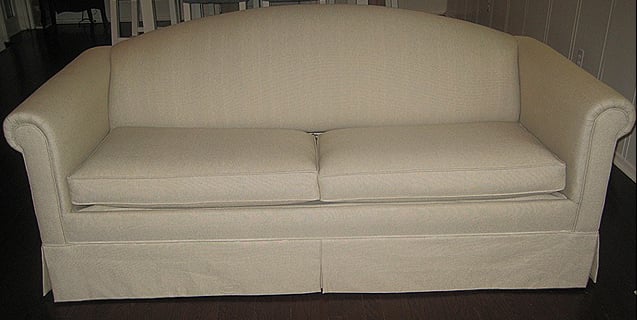
Every home has that one chair. You know the one. It sits in the corner looking noble from a distance and mildly tragic up close. Maybe the fabric has faded into a color best described as “old oatmeal.” Maybe the cushions have given up on posture. Maybe your guest sat down once and the chair made a noise that sounded like it was filing a formal complaint.
That is where furniture reupholstery comes in: the interior-design version of a nip and tuck. Not a total identity crisis. Not a trip to the furniture landfill. Just a skillful refresh that tightens, smooths, restores, and brings the piece back into polite society. Whether you are reviving a family heirloom, updating a guest room chair, or giving an old sofa a second career, reupholstery can be practical, stylish, sustainable, and deeply satisfying.
In this guide, we will explore what furniture reupholstery really means, when it is worth doing, how to choose the right fabric, what to know before hiring a professional, and how to make reupholstered furniture shine in a guest-friendly home.
What Does Furniture Reupholstery Mean?
Furniture reupholstery is the process of removing old fabric, padding, trim, and sometimes springs or foam from a piece of furniture and replacing them with new materials. It is commonly done on sofas, armchairs, dining chairs, benches, ottomans, headboards, and accent pieces.
Think of it as a makeover with carpentry credentials. A good upholsterer does not simply staple pretty fabric over the problem and call it a day. They inspect the frame, check the joints, evaluate the padding, repair weak spots, rebuild cushions if needed, and then tailor the new fabric so it fits cleanly and comfortably.
That “nip and tuck” idea is especially accurate because the magic is in the details: a tightened seat, smoother corners, better seams, refreshed piping, firmer cushions, and fabric that makes the entire room look more intentional.
Why Reupholster Instead of Buying New?
Buying new furniture can be tempting. It is fast, shiny, and comes with product photos where nobody has spilled coffee, dropped crumbs, or let a dog claim the chaise as a throne. But reupholstery has several advantages that new furniture cannot always match.
1. You Keep a Quality Frame
Older furniture is often built with solid hardwood frames, strong joints, and better bones than many mass-produced pieces. If a sofa or chair is structurally sound, reupholstery can preserve that quality while giving the piece a fresh look.
2. You Get Custom Style
With reupholstery, you are not limited to whatever beige, gray, or “mysterious showroom taupe” is trending this season. You can choose performance fabric, velvet, linen blends, leather, boucle, stripes, florals, textured neutrals, or a bold pattern that announces, “Yes, I have opinions about chairs.”
3. It Can Be More Sustainable
Reupholstering extends the life of furniture and can reduce waste. Instead of sending a usable frame to a landfill, you refresh it with new fabric and materials. Many homeowners also choose eco-conscious fabrics such as recycled polyester, organic cotton, hemp, or other natural fibers.
4. Sentimental Value Matters
Some furniture is not just furniture. It is your grandmother’s reading chair, the bench from your first apartment, or the armchair your guests always fight over. Reupholstery lets you keep the memory without keeping the stains.
When Is Furniture Reupholstery Worth It?
Reupholstery is usually worth considering when the furniture has a strong frame, comfortable shape, good proportions, or emotional value. A professional can help you decide, but there are a few simple clues.
If the frame feels sturdy, the piece does not wobble dramatically, and the shape still works in your space, it may be a good candidate. If the furniture has carved wood, unique lines, antique value, or custom dimensions, reupholstery may be smarter than trying to replace it.
On the other hand, if the frame is cracked, the piece was cheaply made, or the cost of repair is far higher than the value of the furniture, replacement may be more practical. Reupholstery is not always the cheapest option, especially for large sofas with complicated details, but it can be the better long-term choice for well-built pieces.
Understanding the Cost of Reupholstery
The cost of furniture reupholstery depends on several factors: the size of the piece, the amount of fabric required, the complexity of the design, the condition of the frame, the type of cushions, and local labor rates.
A simple dining chair seat may be relatively affordable, while an eight-foot sofa with skirted edges, button tufting, patterned fabric, and worn-out cushions can become a major project. Fabric alone can vary widely in price, and many sofas require several yards. Labor is often the largest part of the cost because upholstery is skilled, detailed work.
Common price factors include:
- Furniture size: Larger pieces require more fabric and more labor.
- Fabric choice: Designer textiles, leather, velvet, and performance fabrics can increase the budget.
- Construction details: Tufting, piping, nailheads, skirts, and curves take more time.
- Repairs: New foam, springs, webbing, or frame repairs add cost.
- Pattern matching: Stripes, plaids, and large prints require extra planning and fabric.
The smartest approach is to get a detailed quote before starting. Ask what is included, what might cost extra, how much fabric you need, and whether the upholsterer will inspect the frame before final pricing.
Choosing the Right Upholstery Fabric
Fabric is where the personality enters the room. It is also where practical decisions matter most. A fabric can be gorgeous, but if it cannot survive guests, pets, snacks, sunlight, or everyday use, it may become a very expensive lesson in wishful thinking.
Durability and Rub Count
One of the most useful terms to know is “double rubs,” a measurement used to estimate fabric durability. In simple terms, it indicates how much abrasion a fabric can handle before showing wear. Light-duty fabric is better for decorative pieces or occasional-use chairs. Medium-duty fabric works for many residential settings. Heavy-duty fabric is better for sofas, family rooms, dining chairs, and high-traffic furniture.
For a guest room accent chair, you may not need the toughest fabric on earth. For a living room sofa where guests, kids, and pets gather like a tiny indoor festival, durability becomes much more important.
Cleaning Codes Matter
Upholstery fabrics often come with cleaning codes. These tell you whether the fabric should be cleaned with water-based cleaners, solvent-based cleaners, vacuuming only, or professional cleaning. Before falling in love with a fabric, check whether its care instructions match your lifestyle.
If your guest room doubles as a snack zone, movie lounge, or pet nap headquarters, easy-clean fabric is your friend. Your future self will be grateful, probably while holding a damp cloth and whispering, “Good choice.”
Color and Pattern Strategy
Neutral fabrics are flexible and timeless, but they do not have to be boring. Texture can do a lot of work. Think woven linen blends, soft chenille, boucle, or subtle herringbone. These fabrics add depth without shouting.
Patterns are excellent for accent chairs, benches, and ottomans. A patterned guest chair can become the design “wink” in the room. Florals, stripes, checks, geometrics, and botanical prints can all work beautifully when balanced with calmer surrounding pieces.
Furniture Reupholstery for Guest Spaces
Guest spaces deserve furniture that feels welcoming, fresh, and comfortable. A reupholstered chair, bench, or headboard can completely change how a guest room feels without requiring a full renovation.
Reupholstered Guest Room Chairs
A guest room chair is more than a place to sit. It becomes a luggage landing zone, a reading nook, a shoe-tying station, and occasionally a temporary closet for someone who believes unpacking is a personality flaw.
Choose a fabric that feels inviting but not fragile. A small-scale pattern can hide wear, while a textured neutral can blend with changing bedding and decor. If the room is simple, the chair can carry more personality. If the room already has bold wallpaper or colorful bedding, keep the chair more restrained.
Benches at the Foot of the Bed
A reupholstered bench at the foot of a bed adds hotel-like polish. It gives guests a place to sit, place bags, or lay out tomorrow’s outfit. Performance fabric is a smart choice here because benches often get more practical use than people expect.
Upholstered Headboards
A tired headboard can date a room quickly. Reupholstering it in a soft neutral, tailored stripe, or rich textured fabric can make the entire guest room feel more finished. For a cozy look, consider linen-like textures. For drama, try velvet or a deep color. For easy maintenance, performance fabric wins.
Design Tips: Making Old Furniture Feel Fresh
The best reupholstery projects do not look like old furniture trying too hard to be young. They look intentional. The goal is to respect the shape of the piece while updating the fabric, cushion profile, and finishing details.
Use Contrast Thoughtfully
If your sofa is plain, an accent chair can be patterned. If your sofa is dark, a lighter chair can add balance. If your room has many straight lines, a curved upholstered chair can soften the space. Contrast helps pieces feel collected instead of matched straight from a catalog.
Update the Details
Small changes can modernize a piece. Removing a skirt can reveal legs and make a sofa feel lighter. Replacing heavy fringe with clean piping can sharpen the silhouette. Swapping tired cushion foam for firmer inserts can make the furniture feel new, even before guests compliment the fabric.
Do Not Ignore the Legs
Furniture legs are like shoes. The wrong ones can confuse the whole outfit. If a reupholstered chair still has scratched, dated, or wobbly legs, consider refinishing, staining, painting, or replacing them.
DIY Reupholstery vs. Hiring a Professional
Some reupholstery projects are beginner-friendly. Dining chair seats, simple stools, and basic benches can often be handled with fabric, foam, batting, a staple gun, and patience. The patience is important. It is not sold in craft stores, sadly.
More complex pieces should usually go to a professional. Sofas, wingback chairs, tufted furniture, antiques, leather pieces, and furniture needing spring or frame repair require specialized tools and experience. A professional upholsterer understands tension, pattern matching, seams, cushion shaping, and structural repair.
If you are unsure, start small. Reupholster a stool or chair seat before declaring yourself the Michelangelo of microfiber.
Questions to Ask Before Hiring an Upholsterer
A good upholsterer can guide you through fabric selection, yardage, repairs, and design details. Before committing, ask practical questions:
- Do you provide a written estimate?
- Can you inspect the frame before final pricing?
- How much fabric will this project require?
- Do you help source fabric, or should I provide it?
- What repairs might be needed inside the piece?
- Can you replace foam, webbing, springs, or cushion inserts?
- Do you have photos of similar completed work?
Also ask about timeline. Quality upholstery takes time, especially if fabric must be ordered or if the shop has a full schedule. Rushing a reupholstery project is like rushing a haircut before picture day: technically possible, emotionally risky.
Common Furniture Reupholstery Mistakes
Choosing Fabric Only by Looks
Beautiful fabric is wonderful, but durability, cleaning, texture, and lifestyle matter. A delicate silk-like fabric may be lovely on a formal accent chair but disastrous on a daily-use sofa.
Ignoring the Frame
Fresh fabric will not fix a broken frame. Before investing in new upholstery, make sure the furniture is structurally worth saving.
Forgetting About Scale
A huge print may look amazing on a fabric sample but overwhelming on a small chair. A tiny pattern may disappear on a large sofa. Always imagine the fabric across the entire piece.
Skipping Cushion Upgrades
If the cushions are flat, lumpy, or uncomfortable, new fabric alone will not solve the problem. Foam and fill upgrades can dramatically improve comfort.
Experience Notes: A Guest-Friendly Reupholstery Story
Here is a realistic reupholstery experience many homeowners will recognize. A guest room has a chair that is technically functional but visually exhausted. The frame is solid, the arms are graceful, and the size fits perfectly beside the window. Unfortunately, the fabric looks like it survived three design eras, two pets, and one mysterious beverage incident nobody wants to discuss.
The first instinct might be to replace it. But after measuring the corner, searching online, and discovering that most new chairs are either too wide, too flimsy, or oddly shaped, reupholstery starts to make sense. The chair already fits. It already has a story. It just needs a little dignity.
The process begins with inspection. The upholsterer checks the frame, presses the seat, looks underneath, and explains that the springs are fine but the foam should be replaced. This is good news. It means the chair has strong bones, and the update will improve both appearance and comfort.
Next comes fabric selection, which sounds simple until you are staring at 300 swatches and suddenly questioning every decision you have ever made. A pale cream boucle looks chic but might be risky for a guest chair that could host denim, suitcases, and coffee mugs. A dark velvet feels luxurious but may collect lint. A small blue-and-cream pattern turns out to be the winner: cheerful, forgiving, stylish, and flexible enough to work with white bedding, wood furniture, and brass lamps.
The upholsterer recommends adding fresh piping in the same fabric for a tailored finish. The legs are lightly refinished, and the old cushion is replaced with firmer foam wrapped in soft batting. When the chair returns, the whole room changes. The window corner now looks intentional instead of abandoned. Guests have a comfortable place to read, text, put on shoes, or pretend they are going to unpack their suitcase.
The best part is that the chair still feels familiar. It is not a generic replacement. It is the same piece, only refreshed. That is the emotional power of reupholstery: it keeps the character while removing the tiredness.
Another experience comes from dining chairs. Many people delay reupholstering dining seats because each chair looks small, and small projects seem easy to ignore. But six worn-out dining chairs can quietly drag down an entire room. Replacing the seat fabric with a durable performance textile can make the dining area look cleaner, newer, and more cohesive. Even better, dining chair seats are often one of the most approachable DIY projects. Remove the seat, pull off the old fabric, add new foam if needed, wrap the fabric smoothly, staple carefully, and reattach. The transformation can be dramatic, especially when the new fabric connects with curtains, rugs, or wall color.
For guest-focused homes, reupholstery is especially useful because guests notice comfort quickly. They may not know the term “double rub count,” but they absolutely know when a chair feels supportive, when a bench is useful, and when a room feels cared for. Reupholstered furniture sends a quiet message: this space was prepared for you.
The lesson is simple. Before discarding old furniture, pause and look at its shape, frame, comfort, and purpose. Some pieces are not worn out; they are just wearing the wrong outfit. With the right fabric, careful repair, and a skilled hand, a tired chair can become the best seat in the house again.
Conclusion: A Smart Nip and Tuck for the Home
Furniture reupholstery is not just about covering old cushions with new fabric. It is about seeing potential. It is about preserving quality, reducing waste, honoring sentimental pieces, and creating furniture that fits your home better than something pulled randomly from a showroom floor.
For guest rooms, living rooms, dining spaces, and cozy corners, reupholstery can deliver comfort and style in one satisfying project. Choose durable fabric, respect the frame, ask smart questions, and do not be afraid to add personality. A well-reupholstered piece can make guests feel welcome, make rooms feel finished, and make old furniture proud to be seen in daylight again.