Your gut is not just a food-processing tube with dramatic opinions after chili night. It is home to a busy community of bacteria, fungi, and other microorganisms known as the gut microbiome. When that community is diverse and well-fed, it can support digestion, regular bowel movements, immune function, nutrient absorption, and even the way your body responds to inflammation.
The good news? You do not need a luxury wellness retreat, a refrigerator full of mysterious powders, or a smoothie that costs more than lunch. Nutrition experts consistently point to a simpler strategy: eat more fiber-rich plants, include probiotic foods when they fit your diet, and choose a wide variety of whole foods. In plain English, your gut likes real food, regular meals, and fewer ultra-processed snacks pretending to be dinner.
Below are eight foods that can help improve gut health naturally. Some provide probiotics, which are live beneficial microorganisms. Others provide prebiotics, which are fibers and plant compounds that feed helpful gut bacteria. The best results usually come from combining both, because a healthy gut is less like a single magic bullet and more like a well-run neighborhood potluck.
What Makes a Food Good for Gut Health?
A gut-friendly food usually does one or more of three things. First, it may contain live beneficial bacteria, especially if it is fermented and labeled with “live and active cultures.” Second, it may contain fiber, resistant starch, or fermentable carbohydrates that nourish the microbes already living in your digestive tract. Third, it may provide polyphenols, vitamins, minerals, and antioxidants that support overall digestive wellness.
Fiber deserves special attention because many Americans do not get enough of it. Fiber adds bulk to stool, helps support regularity, and gives gut bacteria material to ferment into short-chain fatty acids. These compounds are associated with benefits for the colon and broader metabolic health. If your current diet is low in fiber, increase it gradually and drink enough water. Your gut may be enthusiastic, but it does not enjoy surprise parties.
1. Yogurt
Yogurt is one of the most familiar probiotic foods, and for good reason. Traditional yogurt is made by fermenting milk with bacterial cultures, often including Lactobacillus and Streptococcus species. When you choose yogurt with live and active cultures, you are getting a food that may help support a balanced gut microbiome while also delivering protein, calcium, potassium, and vitamin B12.
How yogurt supports digestion
The live cultures in yogurt may help some people digest lactose more comfortably because the bacteria help break down lactose during fermentation. Yogurt can also be an easy daily food for people who want a gut-friendly breakfast or snack without complicated prep.
How to eat it
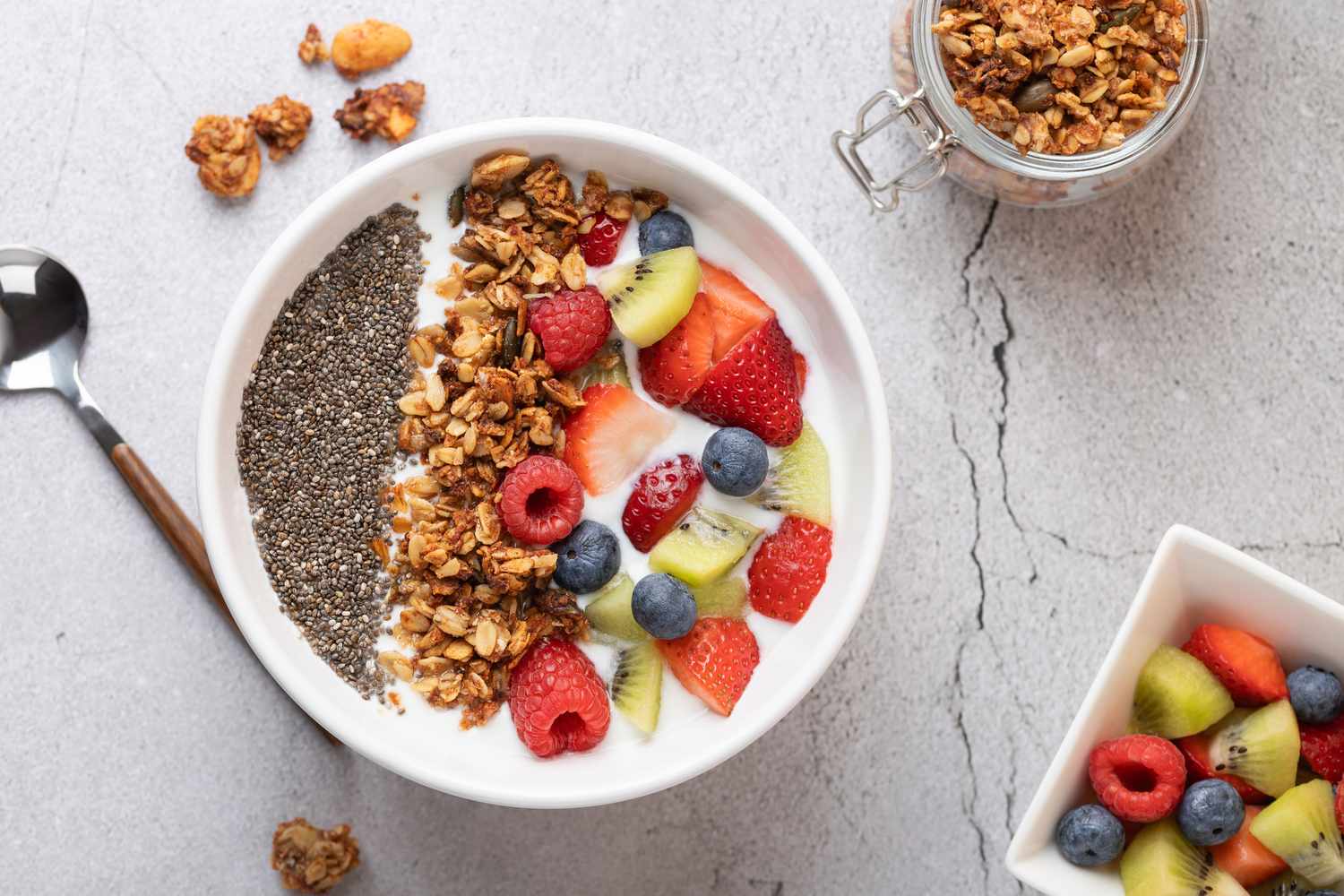
Choose plain, unsweetened Greek or regular yogurt most often. Add berries, sliced banana, oats, chia seeds, or a drizzle of honey if you want sweetness. Flavored yogurts can be delicious, but some are closer to dessert than breakfast, so check the added sugar. A simple bowl of plain yogurt with blueberries and oats is basically a tiny gut-health committee meeting in a bowl.
2. Kefir
Kefir is a fermented dairy drink with a tangy flavor and a thinner texture than yogurt. It is made using kefir grains, which contain a mix of bacteria and yeasts. Because of that microbial variety, kefir is often discussed by nutrition experts as a strong probiotic option.
Why kefir is gut-friendly
Kefir may help increase the variety of beneficial microbes in the diet. It also provides protein and important minerals, depending on the product. Some people who do not tolerate regular milk well may find kefir easier to digest, although tolerance varies from person to person.
How to eat it
Drink kefir on its own, blend it into smoothies, pour it over high-fiber cereal, or use it as the liquid base for overnight oats. Look for plain kefir with minimal added sugar. If you are new to it, start with a small serving. Kefir has personality, and your digestive system may appreciate a polite introduction.
3. Sauerkraut and Kimchi
Sauerkraut and kimchi are fermented cabbage dishes that bring probiotics, fiber, and bold flavor to the table. Sauerkraut is usually made with cabbage and salt, while kimchi often includes cabbage, radish, garlic, ginger, chili, and other seasonings. Both can be excellent additions to a gut-friendly diet when chosen carefully.
Fermented vegetables and microbial diversity
Fermented vegetables may contain live microorganisms when they are unpasteurized and refrigerated. They also deliver plant fiber and phytochemicals. Research on fermented foods has found that diets including fermented foods can increase gut microbiome diversity in some people, which is one reason nutrition experts often recommend them as part of a balanced pattern.
How to eat them
Add sauerkraut to grain bowls, sandwiches, eggs, roasted potatoes, or salads. Use kimchi with rice bowls, tofu, eggs, noodles, or soups. To get live cultures, look for refrigerated products that say raw, unpasteurized, or live cultures. Shelf-stable versions are still flavorful, but heat processing may reduce live microbes.
One caution: fermented vegetables can be high in sodium. A spoonful or two can go a long way. Your gut may cheer, but your blood pressure does not need a salt parade.
4. Oats
Oats are a classic gut-health food because they contain beta-glucan, a type of soluble fiber. Soluble fiber absorbs water and forms a gel-like texture in the digestive tract. That texture is part of what makes oatmeal so satisfyingly creamy and part of why oats are useful for digestive and heart health.
Why oats feed good bacteria
The fiber in oats can act as a prebiotic, meaning it helps nourish beneficial gut bacteria. As gut microbes ferment certain fibers, they produce short-chain fatty acids, which help support the gut lining and overall colon health. Oats are also affordable, easy to prepare, and flexible enough to be breakfast, snack, or even a savory meal.
How to eat them
Try overnight oats with kefir, warm oatmeal with berries, baked oatmeal with apples, or savory oats with spinach and an egg. Choose rolled oats, steel-cut oats, or plain instant oats. The key word is plain. Once an oatmeal packet contains marshmallow shapes and enough sugar to wake a hibernating bear, it is no longer the gut-health hero you were looking for.
5. Beans and Lentils
Beans and lentils are fiber champions. Black beans, chickpeas, kidney beans, pinto beans, split peas, and lentils provide a mix of soluble fiber, resistant starch, plant protein, iron, magnesium, and polyphenols. They are also filling, budget-friendly, and useful in nearly every cuisine.
Why legumes are powerful for the microbiome
Legumes provide fermentable carbohydrates that gut bacteria can use as fuel. This fermentation process helps produce short-chain fatty acids. Over time, regularly eating beans and lentils may support microbial diversity, bowel regularity, and a more satisfying diet.
How to eat them without feeling like a balloon
If beans make you gassy, start small. Add two tablespoons of lentils to soup, a quarter cup of black beans to tacos, or a few chickpeas to salad. Rinse canned beans to reduce sodium and some gas-producing compounds. Cooking dried beans until very soft can also help. Your gut bacteria may throw a small welcome party at first, but they usually calm down as your body adapts.
6. Berries
Berries are small but mighty. Blueberries, raspberries, strawberries, and blackberries provide fiber, vitamin C, and polyphenols. Polyphenols are plant compounds that may interact with gut bacteria in helpful ways. Berries are also naturally sweet, which makes them an easy swap for sugary snacks.
Why berries belong in a gut-health diet
Berries offer both soluble and insoluble fiber. Raspberries and blackberries are especially fiber-rich. Their colorful pigments come from antioxidant compounds, and their natural tartness pairs well with fermented dairy, oats, nuts, and seeds. In other words, berries are not just decoration for brunch photos. They are doing actual work.
How to eat them
Add berries to yogurt, kefir smoothies, oatmeal, chia pudding, salads, or whole-grain pancakes. Frozen berries are just as practical as fresh ones and often more affordable. Keep a bag in the freezer for quick breakfasts or snacks.
7. Garlic, Onions, and Leeks
Garlic, onions, and leeks are members of the allium family. They are famous for making food taste better and breath more dramatic, but they also contain prebiotic fibers such as inulin and fructooligosaccharides. These fibers can help feed beneficial gut bacteria.
Why alliums are prebiotic foods
Prebiotics are not bacteria. They are the fuel bacteria enjoy. Garlic, onions, and leeks provide fermentable fibers that may encourage the growth of helpful microbes. They also contain sulfur compounds and other plant chemicals that contribute to their strong flavor and potential health benefits.
How to eat them
Add sautéed onions to soups, roasted garlic to vegetables, leeks to potato soup, or raw scallions to grain bowls. If you have irritable bowel syndrome or follow a low-FODMAP diet, these foods may trigger symptoms, so they are not ideal for everyone. Gut health is personal. What helps one person feel fantastic may make another person regret every life decision since lunch.
8. Chia Seeds and Flaxseeds
Chia seeds and flaxseeds are tiny foods with big fiber benefits. Chia seeds absorb liquid and form a gel, while ground flaxseed adds a mild nutty flavor to meals. Both provide fiber and plant-based omega-3 fats. Flaxseed also contains lignans, which are plant compounds with antioxidant activity.
How seeds support digestive regularity
The fiber in chia and flax can help support bowel regularity. Their gel-forming texture can make meals more filling and may slow digestion in a useful way. Because they are easy to add to existing meals, they are one of the simplest gut-health upgrades.
How to eat them
Stir chia seeds into yogurt, kefir, oatmeal, or smoothies. Make chia pudding by soaking the seeds in milk or a dairy-free alternative. Add ground flaxseed to oatmeal, muffins, pancakes, or nut butter toast. Use ground flax rather than whole flax when possible because it is easier for the body to access the nutrients.
How to Build a Gut-Healthy Plate
You do not need to eat all eight foods every day. The goal is variety over time. A gut-healthy plate might include a fiber-rich carbohydrate, a colorful fruit or vegetable, a protein source, healthy fat, and a fermented food when it makes sense.
For breakfast, try plain yogurt with oats, berries, and chia seeds. For lunch, make a lentil soup with onions, garlic, carrots, and leafy greens. For dinner, serve salmon or tofu with brown rice, kimchi, and roasted vegetables. For snacks, choose kefir, fruit, hummus with vegetables, or whole-grain toast with ground flaxseed.
The biggest mistake people make is trying to change everything overnight. Suddenly going from low fiber to bean salads, chia pudding, raw onions, and sauerkraut in one day can make your digestive system file a complaint. Increase fiber gradually, drink water, and let your microbiome adjust.
Foods That May Work Against Gut Health
Improving gut health is not only about what you add. It is also about what you do not overdo. Diets high in ultra-processed foods, added sugars, excessive saturated fat, and low-fiber refined carbohydrates may crowd out the foods your gut bacteria need. Alcohol can also irritate the digestive tract and disrupt healthy routines.
This does not mean you need a perfect diet. A cookie does not erase your microbiome. But if most meals are built around whole grains, beans, fruits, vegetables, nuts, seeds, and fermented foods, your gut has a much better chance of thriving.
Common Questions About Gut-Healthy Foods
Are probiotic supplements better than food?
For many healthy people, food is the better first step. Probiotic supplements can be useful in specific situations, but strains and doses matter, and research does not support every claim on every bottle. Fermented foods and fiber-rich meals provide broader nutrition beyond microbes alone.
How quickly can food improve gut health?
The gut microbiome can respond to diet changes fairly quickly, but lasting results come from consistent habits. Eating yogurt once while living mostly on fries and soda is like watering a plant one time and expecting a rainforest.
Can gut-healthy foods cause bloating?
Yes, especially high-fiber foods such as beans, lentils, onions, and certain whole grains. Bloating does not always mean a food is bad for you; it may mean your gut bacteria are fermenting fiber. Start with small servings and increase slowly. If symptoms are severe, persistent, or painful, talk with a healthcare professional.
Personal Experience: What Eating for Gut Health Looks Like in Real Life
In real life, improving gut health rarely looks like a perfect meal plan printed on recycled paper and followed with monk-like discipline. It looks more like small decisions repeated often: choosing oatmeal instead of a pastry on a busy morning, adding lentils to soup, buying plain yogurt instead of the candy-flavored kind, or tossing frozen berries into a smoothie because fresh berries somehow became luxury jewelry this week.
One practical experience many people have when they start eating for gut health is realizing that their digestive system prefers consistency. A single “gut reset” meal does not do much if the rest of the week is low in fiber and high in heavily processed foods. But when breakfast includes oats and yogurt most days, lunch includes beans or vegetables, and dinner includes whole grains or fermented vegetables a few times a week, digestion often feels more predictable. Not perfect, not magical, but steadier.
Another common lesson is that fiber needs patience. Someone may read about beans being great for gut health and immediately eat a giant bowl of chili, three-bean salad, and hummus in the same day. The result may be less “wellness journey” and more “indoor weather event.” A better approach is to start with small portions. Add a few spoonfuls of lentils to rice. Mix chickpeas into a salad. Use half beans and half meat in tacos. Over time, the gut often adapts, and those foods become easier to tolerate.
Fermented foods also work best when treated like condiments or meal partners, not miracle medicine. A tablespoon of kimchi with eggs, a little sauerkraut on a sandwich, or a glass of kefir with breakfast is enough to begin. The flavor can be strong at first, especially for people used to mild foods. But fermented foods add acidity, crunch, and brightness, which can make healthy meals taste more exciting. Gut-friendly eating should not feel like punishment. If your meal tastes like wet cardboard with moral superiority, something has gone wrong.
Travel and busy schedules can make gut-health habits harder, but not impossible. Shelf-stable oats, bananas, nuts, seeds, and simple bean-based meals can help. At restaurants, choosing dishes with vegetables, legumes, whole grains, or yogurt-based sauces can keep things balanced. Even convenience stores often carry yogurt, fruit, nuts, or whole-grain snacks. The goal is not perfection; it is giving your gut something useful more often than not.
The most sustainable gut-health routine is one that fits your taste, budget, culture, and schedule. If you hate sauerkraut, do not force it. Try yogurt, kefir, miso, tempeh, or simply focus on fiber-rich plants. If beans bother you, begin with lentils or smaller servings. If raw onions are too much, try cooked leeks or skip alliums and get prebiotic fiber from oats, bananas, asparagus, or legumes. Your gut does not need a trendy identity. It needs regular nourishment.
Over time, the best experience is realizing that gut health is not a separate project from normal eating. It is built into ordinary meals: oatmeal with berries, tacos with black beans, soup with lentils, yogurt with chia, rice bowls with kimchi, and vegetables cooked with garlic. These foods are not exotic. They are everyday ingredients doing quiet, useful work. That is the beauty of eating for gut health: it can be simple, flavorful, affordable, and realistic enough to continue long after motivation has left the building.
Conclusion
The best foods for gut health are not mysterious. Yogurt, kefir, fermented vegetables, oats, beans, berries, alliums, chia seeds, and flaxseeds all support the gut in different ways. Some bring beneficial microbes. Others feed the microbes already there. Many do both while also providing vitamins, minerals, antioxidants, and satisfying flavor.
Nutrition experts generally agree that the strongest gut-health strategy is not chasing one perfect superfood. It is eating a diverse, fiber-rich, plant-forward diet with fermented foods included when tolerated. Start small, stay consistent, and let your gut microbiome enjoy the upgrade one meal at a time.