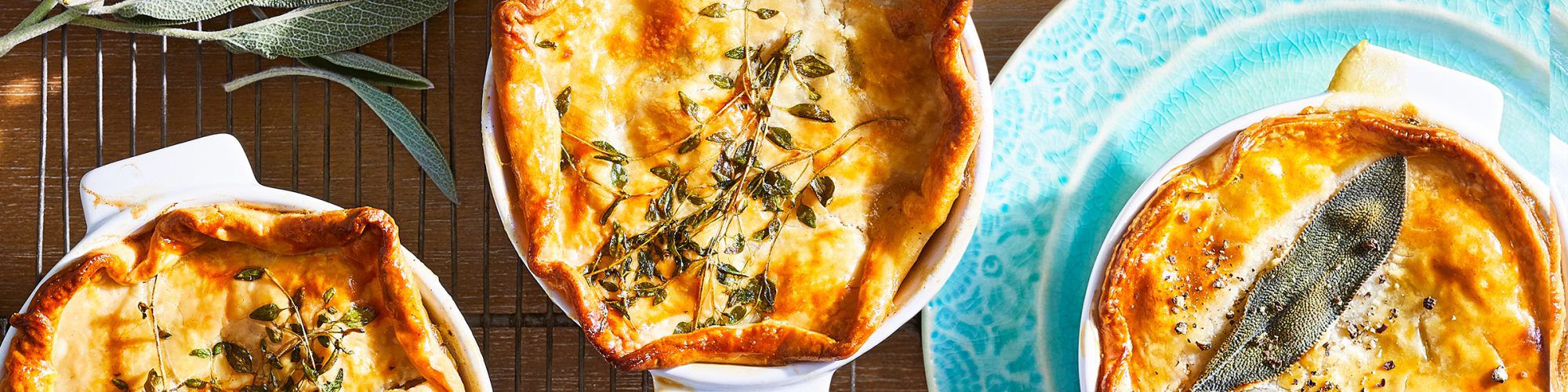
Recipes and cooking are a little like good friends: they make life easier, more interesting, and far less likely to end with cereal for dinner. A recipe gives you structure. Cooking gives you freedom. Put them together, and you get one of the most practical life skills on earthone that saves money, builds confidence, brings people together, and makes your kitchen smell like you know exactly what you’re doing, even when you absolutely do not.
That is the real magic of home cooking. It is not about making restaurant-level food on a Tuesday while wearing a crisp apron and effortlessly chiffonading basil. It is about learning how flavors work, how ingredients behave, and how a few dependable techniques can turn ordinary groceries into meals you actually look forward to eating. Whether you are new to the stove or already have a favorite skillet that deserves its own parking space, understanding recipes and cooking can make daily life simpler, healthier, and a whole lot tastier.
Why Recipes Still Matter in the Age of “Just Wing It”
Some people treat recipes like sacred documents. Others see them as polite suggestions from the internet. The sweet spot is somewhere in the middle. A good recipe is a roadmap. It helps you avoid the culinary equivalent of driving into a lake because you trusted your instincts too much.
Recipes matter because they teach patterns. Once you make a few soups, sheet-pan dinners, pasta sauces, stir-fries, or quick breads, you begin to notice the rhythm. Most great dishes rely on the same fundamentals: a base ingredient, a cooking method, seasoning, texture, and a final touch that wakes everything up. That last part might be lemon juice, chopped herbs, flaky salt, grated cheese, or a dramatic “I meant to do that” crack of black pepper.
In other words, recipes are not kitchen handcuffs. They are training wheels. Use them long enough, and you stop needing every instruction spelled out. You learn how to swap vegetables based on the season, change the protein based on the sale flyer, and adjust flavor based on taste instead of blind faith.
The Building Blocks of Better Cooking
1. Start with a smart pantry
A strong pantry is the behind-the-scenes hero of easy recipes and home cooking. When you keep basics on hand, dinner becomes a plan instead of a problem. Think olive oil, neutral oil, kosher salt, black pepper, dried pasta, rice, canned beans, canned tomatoes, broth, vinegar, garlic, onions, flour, baking powder, soy sauce, mustard, and a few dried herbs or spice blends you actually use.
The goal is not to own a spice collection large enough to alarm houseguests. The goal is to build a pantry that helps you improvise. With pasta, tomatoes, garlic, olive oil, and Parmesan, you have dinner. With rice, eggs, frozen vegetables, and soy sauce, you have fried rice. With oats, cinnamon, nuts, and fruit, breakfast suddenly looks suspiciously responsible.
2. Learn a handful of core cooking methods
You do not need to master 50 techniques to become a better cook. You need a solid grip on a few. Roasting, sautéing, simmering, steaming, grilling, and baking will carry you through most recipes you will ever make.
Roasting is perfect for vegetables, chicken, salmon, and potatoes because dry heat concentrates flavor and encourages browning. Sautéing is fast and ideal for onions, greens, mushrooms, shrimp, and cutlets. Simmering is what turns chili, soup, grains, and sauces from separate ingredients into one coherent meal. Steaming keeps vegetables bright and tender. Baking brings structure and precision, especially when flour, eggs, and leavening enter the chat.
Once you understand what each method does, recipes become easier to read and even easier to adapt. You stop seeing cooking as memorization and start seeing it as a system.
3. Respect food safety without turning dinner into a science fair
Food safety is not the flashy part of cooking, but it is the part that keeps dinner from becoming a regrettable life event. Wash your hands, separate raw meat from ready-to-eat foods, chill perishables promptly, and use a food thermometer instead of vague optimism.
That thermometer deserves a standing ovation. It tells you when poultry is safely cooked, when burgers are done, and when a roast can come off the heat and rest. It also saves food from the common tragedy of overcooking. Dry chicken is not a personality trait; it is usually just bad timing.
What Great Recipes Actually Do
The best recipes do more than list ingredients and bark instructions. They solve problems. They tell you what to look for, not just what minute to stop. They explain whether onions should be soft and translucent or deeply golden. They tell you if cookie dough should be chilled, if pasta water should be reserved, and if a sauce is meant to coat the spoon or run like a happy little river.
Great recipes also balance flavor. Most memorable dishes hit several notes at once: salt for depth, acid for brightness, fat for richness, and texture for contrast. That is why tacos need lime, roasted vegetables love a crunchy topping, and creamy soups often benefit from something sharp or fresh at the end.
If your food tastes flat, it often needs one of three things: more salt, more acid, or more contrast. Not always more cheesealthough, to be fair, cheese has made a persuasive case over the years.
Healthy Cooking That Still Tastes Like Real Food
One of the biggest myths in recipes and cooking is that healthy food must be bland, steamed into submission, and morally disappointed in you. In reality, healthy cooking is usually about method, balance, and ingredient choices, not punishment.
Build meals around vegetables, fruits, beans, whole grains, nuts, seeds, seafood, and lean proteins more often. Use healthy oils thoughtfully. Lean on herbs, spices, citrus, garlic, onions, ginger, vinegar, yogurt, and tomato paste for flavor. Roast vegetables until their edges caramelize. Sauté greens with garlic. Stir beans into soups and grain bowls. Add texture with toasted nuts or seeds. Suddenly, “healthy cooking” starts tasting like a meal you would choose on purpose.
Recipe makeovers can be simple. Swap heavy cream for a blend of milk and puréed vegetables in some soups. Use Greek yogurt where it makes sense. Add more vegetables to pasta dishes and casseroles. Choose whole grains more often when the recipe allows it. Cut some sugar in muffins if the recipe is already sweet from fruit. These are not dramatic reinventions. They are smart, practical upgrades.
Recipes for Real Life: Weeknight Cooking Strategies
Weeknight cooking is where ideals meet reality and reality shows up late, hungry, and mildly annoyed. This is why the most useful recipes are not always the fanciest ones. They are the ones that help you get food on the table without using every pan you own.
Use the “one cooked, one fresh, one sauce” formula
This is an easy way to make simple dinners feel complete. Pair one cooked element, one fresh element, and one bold sauce or finishing touch. Think roasted chicken, cucumber salad, and herby yogurt sauce. Or rice, sautéed vegetables, and spicy peanut sauce. Or baked salmon, sliced tomatoes, and lemon-dill dressing. This formula keeps meals balanced without demanding a 14-step recipe.
Meal prep ingredients, not always full meals
Full meal prep works for some people, but ingredient prep is often more flexible. Roast a tray of vegetables, cook a pot of rice, wash greens, mix a vinaigrette, hard-boil eggs, and marinate a protein. Then use those building blocks in different ways across several days. You avoid boredom, waste less food, and keep future-you from making emergency toast decisions.
Keep a few “lazy genius” recipes in rotation
Every home cook needs a short list of low-effort wins. A baked potato bar. Scrambled eggs with toast and fruit. Pasta with garlicky tomato sauce. Black bean quesadillas. Sheet-pan sausage and vegetables. Chicken soup from rotisserie chicken and broth. These are not backup meals. These are strategic victories.
Common Cooking Mistakes That Sneak Up on Home Cooks
Overcrowding the pan: Food steams instead of browns, and your vegetables become sad and sweaty. Give ingredients space.
Under-seasoning: Salt is not just for making food salty. It helps ingredients taste more like themselves. Season in layers.
Cooking on the wrong heat: High heat is not the answer to everything. Sometimes it is just the fastest route to scorched garlic and kitchen drama.
Skipping the rest: Meat, baked goods, and even some casseroles benefit from resting. Cut too soon, and you lose juices, texture, and patience.
Ignoring texture: Soft on soft on soft can make even flavorful food feel dull. Add crunch, freshness, or chew where you can.
Not tasting as you go: This is how people discover at the table that the soup needed acid, the pasta needed salt, or the dressing needed literally anything.
Baking vs. Cooking: Same Kitchen, Different Personalities
Cooking and baking share a home, but they definitely have different vibes. Cooking is flexible. It lets you adjust. It forgives a missed clove of garlic or a different vegetable in the crisper drawer. Baking is more exact. Ratios matter. Measuring matters. Timing matters. Your banana bread may still love you if you improvise a little, but pie dough and yeasted bread are less interested in your free spirit.
This does not mean baking is scary. It just means it rewards precision. Measure flour correctly, pay attention to temperature, and follow the sequence of steps. Once you understand the structure behind baking recipes, it becomes less mysterious and more satisfying. Few things feel more triumphant than pulling a loaf of bread, a tray of cookies, or a bubbling fruit crisp from the oven and pretending you do this sort of thing all the time.
Why Cooking Is About More Than Food
Recipes and cooking do more than produce meals. They create rituals. The Sunday soup simmering on the stove. The birthday cake that leans slightly to one side but still disappears in 20 minutes. The weeknight pasta you can make from memory. The pancakes that mean someone had enough time to care. Cooking creates repetition in the best way. It turns ordinary days into recognizable moments.
It also builds confidence. The first time you cook chicken without drying it out, the first time a sauce comes together, the first time you serve people and everyone goes quiet because they are too busy eatingthat matters. Home cooking teaches problem-solving, patience, resourcefulness, and the deeply important life lesson that butter browns faster than you think.
Experiences That Make Recipes & Cooking Stick With You
Ask people why they cook, and they usually start with practical reasons. It saves money. It is healthier. It is easier to control ingredients. All true. But if you let the conversation run long enough, people eventually get to the good stuff: the memories, the smells, the tiny disasters, and the accidental victories that make cooking feel personal.
Maybe it starts with a recipe card stained with vanilla and old ambition. Maybe it starts with watching a parent, grandparent, roommate, or favorite aunt toss ingredients into a pan without measuring a thing, as if the laws of flavor had personally sworn loyalty to them. Or maybe it starts later, in your own kitchen, when you realize adulthood apparently includes deciding what to make for dinner every single day until the end of time. Charming.
There is a special kind of pride that comes from the first recipe you truly own. Not just one you follow, but one you understand. Maybe it is chili. Maybe it is roast chicken. Maybe it is brownies you can make without looking anything up. That recipe becomes your edible security blanket. You make it when you want comfort, when guests are coming, or when life feels a bit too loud and chopping onions sounds more productive than doom-scrolling.
Cooking also teaches humility in unforgettable ways. The rice burns. The cookies spread into one giant dessert continent. The pasta water boils over at the exact moment you answer a text. Garlic goes from fragrant to bitter in what feels like half a second. These moments are annoying, yes, but they are also oddly useful. They make you better. They teach timing, attention, and the value of reading the whole recipe before turning on the stove like a maniac.
Then there are the joyful kitchen moments: tasting a soup and realizing it suddenly works after a squeeze of lemon; hearing the sizzle when vegetables hit a hot pan; pulling a pie from the oven and pretending you are on a magazine cover; feeding friends and noticing how the room changes once everyone has a plate in hand. Cooking can calm a house. It gives people somewhere to gather, something to do, and a reason to linger a little longer.
Some of the best cooking experiences are not elegant at all. They are messy taco nights, improvised breakfasts, rainy-day grilled cheese sandwiches, and freezer clean-out soups that somehow taste better than they have any right to. They are holiday kitchen traffic jams, with too many cooks, too many opinions, and at least one person asking where the serving spoon went. Somehow, that chaos becomes part of the flavor.
That is why recipes matter and why cooking lasts. They help us eat, yes, but they also help us remember, connect, adapt, and care for ourselves and each other in a very physical, immediate way. A recipe might begin as instructions, but over time it becomes experience. And experience is what turns cooking from a task into a life skill you keep coming back toone meal, one mistake, and one delicious surprise at a time.