Eyebrows are tiny strips of hair with a suspicious amount of power. They can make you look awake before coffee, frame your eyes like a good picture frame, and quietly sabotage a selfie if one tail decides to wander south. The good news? Finding your perfect eyebrow shape is not about chasing a trend, copying a celebrity, or turning your face into a geometry final. It is about working with your natural brow growth, your features, your lifestyle, and the amount of maintenance you can honestly handle.
In this guide, we will break down the 12 types of eyebrows, explain what each shape does visually, and show you how to choose the best brow shape for your face. You will also learn simple brow mapping, grooming tips, filling techniques, and real-life experience-based advice so your brows look polished without looking like they were drawn on during a power outage.
Why Eyebrow Shape Matters
Your eyebrows help create balance. A soft arch can lift the eye area. A straight brow can make the face look calmer and more modern. A fuller brow can add softness, while a sharper brow can create definition. The “perfect eyebrow shape” is not one universal shape. It is the shape that makes your face feel harmonious while still looking like you.
Think of brows as punctuation for your expression. Rounded brows are like a friendly comma. High arches are an exclamation point. Straight brows are a clean period. Over-plucked brows? Sometimes they are a question mark, especially when you look in the mirror and ask, “What happened here?”
The 12 Types of Eyebrows
1. Straight Eyebrows
Straight eyebrows have little to no visible arch. They run horizontally across the brow bone and often create a youthful, calm, and clean look. This shape is popular in Korean beauty trends because it can soften facial features and make the eyes look relaxed.
Best for: long faces, oval faces, or anyone who wants a softer, minimal brow style.
Style tip: Avoid dragging the tail downward too much. A slightly lifted tail keeps the eyes from looking tired.
2. Softly Arched Eyebrows
Softly arched eyebrows are the classic “safe bet” of brow shapes. They have a gentle rise and fall, creating a natural lift without looking dramatic. If brows had a little black dress, this would be it.
Best for: oval, square, round, and heart-shaped faces.
Style tip: Keep the arch subtle and follow your natural hair growth. This shape works beautifully with brow pencils, powders, and clear gel.
3. High-Arched Eyebrows
High-arched eyebrows have a more noticeable peak. They can visually lift the eyes and add structure to the face. This shape often feels polished, bold, and slightly glamorous.
Best for: round faces, softer features, or anyone who wants more facial definition.
Style tip: Do not force the arch too high. If your natural brow sits low, create lift with makeup instead of aggressive tweezing.
4. Rounded Eyebrows
Rounded eyebrows curve softly without a sharp angle. They create a gentle, approachable look and can balance strong facial angles.
Best for: square faces, angular jawlines, or sharp cheekbones.
Style tip: Keep the curve natural. Too much roundness can make brows look surprised, and nobody wants to look permanently startled by their own forehead.
5. Angled Eyebrows
Angled eyebrows have a defined lift and a clear change in direction at the arch. They are sharper than softly arched brows but not as dramatic as high arches.
Best for: round faces, fuller cheeks, or faces that benefit from extra structure.
Style tip: Use a fine-tip brow pencil to define the lower edge, then soften with a spoolie so the shape does not look harsh.
6. S-Shaped Eyebrows
S-shaped eyebrows have a slight dip near the front, then rise into an arch and taper at the tail. This shape can look elegant and expressive when it follows natural growth.
Best for: people whose brows naturally curve or dip near the inner section.
Style tip: Do not overemphasize the “S.” The goal is graceful movement, not a road sign.
7. Flat Eyebrows
Flat eyebrows are similar to straight brows but usually look more intentional and sculpted. They can help visually shorten a longer face and create a sleek, editorial style.
Best for: long faces, oval faces, and modern minimal makeup looks.
Style tip: Trim long hairs instead of removing too much from the top or bottom. This keeps the shape flexible.
8. Feathered Eyebrows
Feathered eyebrows are full, brushed-up, and airy. Instead of a solid block of color, the brow shows visible hair texture. This style looks effortless, even though “effortless” often requires a spoolie, gel, and a small negotiation with gravity.
Best for: naturally full brows, sparse brows that can be filled with hair-like strokes, and casual makeup routines.
Style tip: Brush hairs upward, fill only the gaps, and set with clear or tinted brow gel.
9. Thick Eyebrows
Thick eyebrows are naturally dense or styled to appear fuller. They can make the face look youthful and expressive. The key is grooming, not shrinking them into submission.
Best for: people with naturally full brow hair or features that can carry a stronger frame.
Style tip: Clean up stray hairs underneath, trim carefully, and avoid making the front of the brow too dark.
10. Thin Eyebrows
Thin eyebrows have a narrow shape and less visible fullness. They can look delicate, vintage, or polished when shaped intentionally. The modern version is softer than the ultra-thin brows of the early 2000s.
Best for: fine features, naturally sparse brows, or anyone who prefers a lighter brow look.
Style tip: Keep the line soft. A thin brow that is too dark or too sharply drawn can look severe.
11. Tapered Eyebrows
Tapered eyebrows start fuller at the front and gradually narrow toward the tail. This is one of the most flattering and natural-looking brow shapes because it mimics how many brows grow on their own.
Best for: almost every face shape.
Style tip: Fill the tail lightly and keep the front airy. The front of the brow should whisper, not shout.
12. Natural Eyebrows
Natural eyebrows follow your real growth pattern with minimal shaping. They may be straight, arched, rounded, thick, or slightly uneven. Natural brows celebrate what is already there instead of forcing a brand-new personality onto your face.
Best for: anyone who wants low-maintenance brows, especially beginners.
Style tip: Brush, trim, remove only obvious strays, and fill sparse spots with light strokes.
How to Find Your Perfect Eyebrow Shape
Step 1: Start With Brow Mapping
Brow mapping helps you find where your eyebrow should begin, arch, and end. Hold a pencil vertically from the side or center of your nostril upward to mark the starting point. Then angle the pencil from the nostril through the center of your iris to find the arch. Finally, angle it from the nostril to the outer corner of the eye to locate the tail.
This method is not a law carved into marble. It is a guide. Your natural bone structure, eye spacing, and brow hair pattern all matter. Use brow mapping to create balance, then adjust gently so the shape still looks believable on your face.
Step 2: Match Your Brow Shape to Your Face Shape
Round face: A soft angled brow or gentle high arch can add definition and create a longer-looking effect.
Square face: Rounded or softly arched brows can soften a strong jawline.
Heart-shaped face: A rounded or low-arched brow can balance a wider forehead and narrower chin.
Long face: Straight or flatter brows can help visually shorten the face.
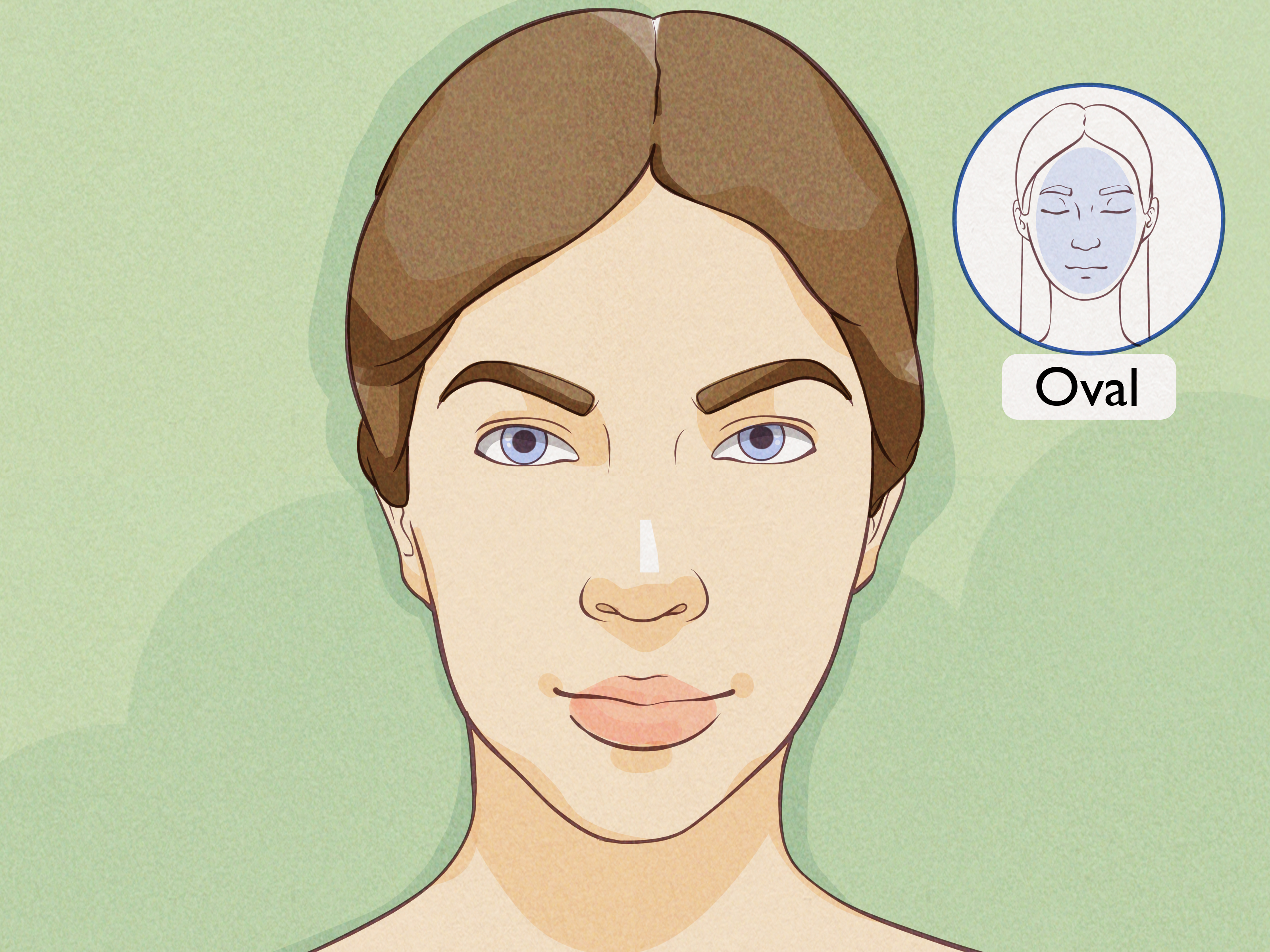
Oval face: Most shapes work well, especially softly arched, tapered, or natural brows.
Step 3: Respect Your Natural Brow Growth
The easiest brow shape to maintain is usually the one closest to your natural shape. If your brows naturally grow straight, forcing a dramatic arch may require constant plucking and daily makeup. If your brows naturally arch, flattening them may feel like trying to convince a cat to take a bath: possible, but emotionally expensive.
Instead of recreating someone else’s brows, enhance your own. Fill sparse areas, clean up strays, and define the shape you already have. Your brows should look related, not identical. Sisters, not photocopies.
Eyebrow Grooming Methods: Tweezing, Waxing, Threading, and Trimming
Tweezing
Tweezing gives you the most control because you remove one hair at a time. It is ideal for cleaning small areas and maintaining shape between appointments. Use clean, sharp tweezers, pluck in the direction of hair growth, and step back from the mirror often. Close-up mirrors are useful, but they can also trick you into removing half your eyebrow because one tiny hair looked “suspicious.”
Waxing
Waxing removes multiple hairs quickly and can create crisp lines. It is often best done by a trained professional, especially around the delicate eye area. Avoid waxing over irritated skin, sunburn, open cuts, or areas recently treated with strong exfoliants or retinoids. After waxing, keep skincare gentle and avoid heavy makeup on the area for a short period.
Threading
Threading uses twisted cotton thread to remove hairs from the root. It can create precise brow edges and is often chosen by people who want less contact with the skin than waxing. It may still cause temporary redness, so plan your appointment before a quiet evening, not ten minutes before school photos or a big event.
Trimming
Trimming is underrated. Sometimes the brow shape is fine, but long hairs create a messy outline. Brush brow hairs upward with a spoolie and trim only the tips that extend beyond your desired shape. Small scissors, steady hands, and patience are your friends. Big scissors and confidence without evidence are not.
How to Fill In Eyebrows Naturally
For natural-looking brows, choose a pencil, powder, pomade, or gel close to your brow color. If your hair is very dark, going one shade softer often looks more natural. If your brows are light, a tinted gel can add definition without creating a heavy effect.
Use Hair-Like Strokes
Draw short, light strokes in the direction your hair grows. Focus on sparse areas instead of coloring the entire brow like a marker project. The front of the brow should be softer than the arch and tail.
Blend With a Spoolie
A spoolie brush is the tiny magic wand of eyebrow makeup. Brush through your brows after applying product to soften lines and distribute color.
Set With Brow Gel
Clear brow gel works for most shapes and shades. Tinted gel is useful if you want extra fullness. Brush upward for feathered brows, outward for natural brows, or slightly diagonally for lifted brows.
Common Eyebrow Mistakes to Avoid
Over-Plucking the Front
Removing too much from the inner brow can make the eyes look farther apart and the expression less balanced. Clean the center only enough to avoid unwanted stray hairs.
Making the Tail Too Long or Too Low
A tail that extends too far downward can make the eye area look heavy. Keep the tail clean and slightly lifted for a fresher effect.
Using Too Much Product
Brows need definition, not a full architectural blueprint. Start light, blend, and build slowly.
Ignoring Skin Sensitivity
If your skin reacts easily, be careful with waxing, harsh exfoliants, and strong skincare before brow appointments. When in doubt, choose gentle grooming and patch-test products.
How Often Should You Shape Your Eyebrows?
Most people can maintain their brows every two to six weeks, depending on hair growth and grooming method. Tweezing small strays weekly is fine for some people, while professional shaping every month or two works better for others. The goal is maintenance, not a weekly brow demolition project.
If you are growing out over-plucked brows, leave them alone for at least six to eight weeks before reshaping. Use brow gel, pencil, or powder to survive the awkward stage. Brow grow-out requires patience, but so does waiting for toast to pop up, and we manage that as a society.
Choosing the Best Eyebrow Shape for Your Lifestyle
If you love low-maintenance beauty, choose natural, tapered, softly arched, or straight brows. These styles are easier to maintain and forgiving when hair grows in.
If you enjoy polished makeup, angled, high-arched, or sculpted brows may suit your routine. They require more upkeep but can look beautifully defined.
If you prefer trendy styles, feathered brows, flat brows, or laminated-looking brows can feel modern and fresh. Just remember that trends change. Your natural brow line is a better long-term guide than whatever the internet is dramatically clapping for this month.
Experience-Based Brow Advice: What Actually Works in Real Life
After trying, observing, and fixing plenty of brow situations, one truth becomes clear: the best brows are rarely the most complicated ones. They are the brows that fit your face on a regular Tuesday, not just under perfect lighting with a ring light, a filter, and three motivational quotes in the background.
One useful experience is to take a makeup-free photo of your face in natural light before changing your brows. Most people shape their eyebrows while standing two inches from a mirror, which turns every tiny hair into a national emergency. A photo gives you distance. You can see whether your brows are actually uneven or whether one hair simply had the audacity to stand up.
Another helpful lesson is to remove less hair than you think. Shape slowly. Tweeze a few hairs, brush the brows, step back, and check again. Many brow disasters begin with the phrase, “Just one more hair.” That one hair invites another hair, and suddenly your eyebrow has moved to a new zip code.
If your brows are sparse, filling them before tweezing can help. Draw the shape you want first, then remove only the hairs outside that shape. This prevents you from accidentally thinning the areas you actually need. A fine pencil works well because it lets you create small, realistic strokes. Powder gives a softer finish. Pomade gives more drama, but it requires a light hand unless you are intentionally going for “CEO of the Eyebrow Department.”
For beginners, clear brow gel is often the easiest upgrade. It keeps hairs in place, reveals the natural shape, and makes brows look groomed without adding color. If your brows are unruly, brush them up and slightly outward. If they are sparse, use gel after pencil so the hairs look lifted and the filled areas blend better.
Professional shaping can be useful, especially if you are unsure where to start. A good brow artist should ask about your preferences, look at your natural growth, and avoid removing too much. Bring reference photos, but choose photos with similar brow thickness and face structure. Asking for thick feathered brows when your natural brows are very fine is possible with makeup, but not always realistic with hair removal alone.
Skin care matters too. Avoid experimenting with strong exfoliants, retinoids, or new active products right before waxing or threading. After grooming, keep the area clean and calm. Skip heavy makeup on irritated skin, and do not scratch or pick at redness. Your skin is not being dramatic; it just had hair pulled from it and would like a moment.
The biggest real-life takeaway is this: your eyebrows should support your face, not steal the entire meeting. A good brow shape makes your eyes look more defined, your features more balanced, and your routine easier. It should not make you feel trapped in constant maintenance. Whether your perfect shape is straight, softly arched, feathered, thick, thin, rounded, or natural, the winning brow is the one that feels comfortable, flattering, and believable on you.
Conclusion
The 12 types of eyebrows offer plenty of room for personal style. Straight brows look calm and modern. Soft arches are timeless. High arches add lift. Rounded brows soften angles. Feathered brows bring texture. Natural brows keep things easy. The best eyebrow shape is not about copying a trend; it is about understanding your face shape, natural growth, skin sensitivity, and daily routine.
Start with brow mapping, clean up slowly, fill lightly, and choose a shape that makes your features feel balanced. Above all, remember that eyebrows are meant to frame your face, not stress you out before breakfast.
Note: This article is written for general beauty and grooming education. For persistent skin irritation, sudden eyebrow hair loss, or reactions after waxing, threading, tinting, or lamination, consult a licensed professional or dermatologist.