Note: This article is written for general food education and cooking inspiration. It is not medical advice, and anyone with wheat allergy, celiac disease, gluten intolerance, or diabetes-related diet concerns should follow guidance from a qualified health professional.
Introduction: The Tiny Golden Grain With a Big Personality
Sooji, rawa, rava, suji, semolinacall it what you like, this golden, grainy kitchen hero has probably done more work than it gets credit for. It thickens breakfast porridge, turns into fluffy upma, becomes rich halwa, gives pasta its bite, adds crunch to snacks, and politely waits in the pantry like a humble overachiever. If all-purpose flour is the quiet office worker of the baking world, sooji or rawa is the friend who can cook breakfast, dessert, and dinner while still having time to make dosa batter behave.
So, what is sooji or rawa? In simple terms, sooji or rawa is a coarse, granular wheat product most commonly made from durum wheat or hard wheat. In global food language, it is closely related to semolina. In Indian cooking, the words “sooji,” “suji,” “rava,” and “rawa” are often used interchangeably, though texture and regional usage may vary. North Indian recipes often say “sooji,” while South Indian recipes usually say “rava.” In American grocery stores, you may find it labeled as “semolina flour,” “durum semolina,” or sometimes “cream of wheat” style farina, though farina and durum semolina are not always the same product.
This ingredient matters because it sits at the delicious intersection of convenience, texture, nutrition, and tradition. Whether you want to make Indian rava dosa, creamy sooji halwa, homemade pasta, crispy fish coating, or a tender semolina cake, understanding sooji or rawa helps you cook smarterand avoid buying the wrong bag at the store while pretending you totally meant to do that.
What Is Sooji or Rawa?
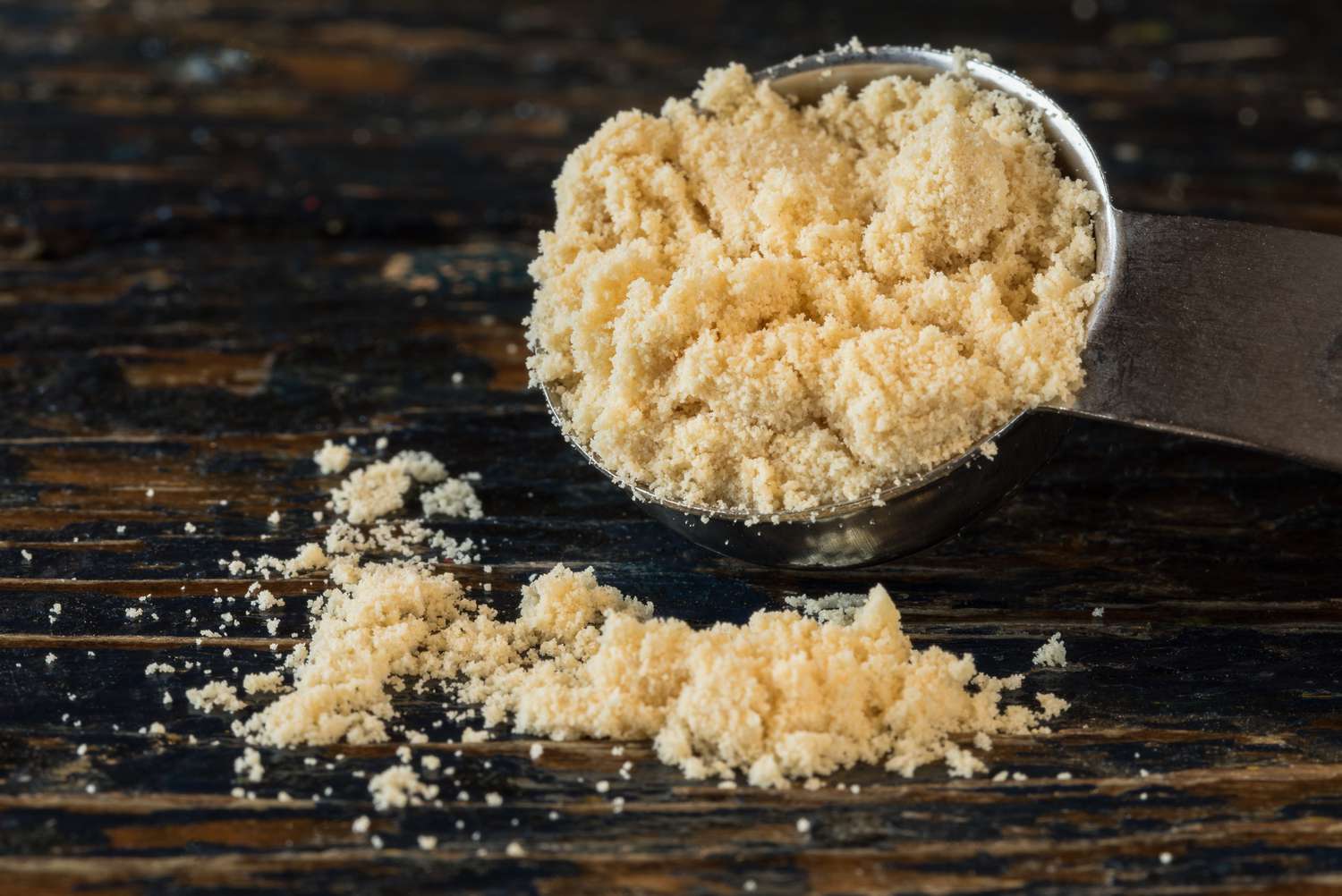
Sooji or rawa is a milled wheat product with a grainy texture. It is not as powdery as regular wheat flour, and it is not as large as cracked wheat. Think of it as tiny wheat granules that have enough body to absorb liquid, swell during cooking, and create a soft yet slightly textured finish.
Most high-quality semolina is made from durum wheat, a hard wheat known for its protein and firm texture. Durum wheat gives semolina its pale yellow color, mild nutty flavor, and sturdy structure. This is why semolina is famously used in pasta: it helps noodles stay firm, chewy, and pleasantly “al dente” instead of collapsing into a sad wheat blanket.
In Indian kitchens, sooji or rawa is a staple for both sweet and savory dishes. It cooks quickly, stores well, and works with simple pantry ingredients. Add vegetables and spices, and it becomes upma. Add ghee, sugar, and nuts, and it becomes halwa. Add yogurt and leavening, and it can become instant rava idli. Add water and patience, and it may become a dosa batter that rewards you with crisp edges and breakfast glory.
Sooji, Rawa, Rava, and Semolina: Are They the Same?
In everyday cooking, yes, sooji, rawa, rava, and semolina are usually talking about the same broad ingredient: granular wheat middlings. However, the exact product can differ depending on the region, brand, and milling style.
Sooji or Suji
“Sooji” or “suji” is commonly used in North Indian recipes. It often refers to a fine or medium granular wheat product used for halwa, cheela, dhokla, and light breakfast dishes. Fine sooji cooks faster and gives a smoother texture, especially in desserts.
Rava or Rawa
“Rava” or “rawa” is widely used in South Indian cooking. It is the go-to ingredient for upma, rava dosa, rava idli, kesari bath, and many quick snacks. Rava may be fine, medium, or coarse. Coarser rava gives more bite, while fine rava blends more smoothly into batters.
Semolina
“Semolina” is the term most often used in Western grocery stores and recipes, especially for pasta, bread, couscous-style dishes, puddings, and baked goods. Semolina is usually associated with durum wheat, but labels matter. If a recipe needs Indian-style rava, very coarse pasta semolina may not always behave the same way.
How Is Sooji or Rawa Made?
Sooji or rawa is produced by milling wheat and separating the endosperm from the bran and germ. The endosperm is then ground into small granules. During this process, the wheat is cleaned, conditioned, milled, sifted, and graded by particle size. The final product may be fine, medium, or coarse.
The texture is the secret. Fine sooji absorbs water quickly and works well for halwa, pancakes, and soft batters. Medium rava is a flexible all-rounder for upma, idli, and many snacks. Coarse rava brings a stronger bite and may be used in rustic dishes, porridges, or recipes where texture is the star of the show.
Some brands roast rava before packaging it, while others sell it raw. Roasted rava saves time and gives a slightly nutty aroma. Raw rava usually needs to be dry-roasted before making upma or halwa, because roasting improves flavor and helps prevent clumping. In other words, do not skip the roasting step unless you enjoy chasing lumps around a saucepan like it is a tiny culinary sport.
What Does Sooji or Rawa Taste Like?
Sooji or rawa has a mild, slightly sweet, nutty wheat flavor. It is not overpowering, which is why it works in both sweet and savory recipes. When roasted, the flavor becomes warmer and more fragrant. The texture changes too: dry-roasted rava becomes less raw-tasting and more cooperative when liquid is added.
In savory recipes, sooji happily absorbs spices, curry leaves, mustard seeds, ginger, onions, vegetables, and ghee. In sweet dishes, it pairs beautifully with cardamom, saffron, sugar, jaggery, milk, raisins, cashews, almonds, and coconut. It is basically the “yes, chef” ingredient of the pantry.
Popular Uses of Sooji or Rawa
1. Upma
Upma is one of the most famous savory rava dishes. It is made by roasting rava and cooking it with water, spices, onions, vegetables, and sometimes nuts. The result is soft, fluffy, and comforting. It is quick enough for breakfast but satisfying enough for lunch.
2. Sooji Halwa or Sheera
Sooji halwa is a sweet dish made with roasted sooji, ghee, sugar, and water or milk. Cardamom, nuts, and raisins often join the party. It is simple, rich, and deeply nostalgic for many families. The trick is roasting the sooji patiently until it smells nutty but not burnt.
3. Rava Dosa
Rava dosa is a crisp South Indian crepe made with rava, rice flour, spices, and water or buttermilk. Unlike traditional dosa, it often does not require long fermentation. The batter is thin, and when poured on a hot pan, it creates lacy, crunchy edges that make breakfast feel like an event.
4. Rava Idli
Rava idli is a soft, steamed cake made with semolina, yogurt, leavening, and seasonings. It is popular because it can be made faster than fermented rice-and-lentil idli. It is excellent with coconut chutney, sambar, or a generous spoonful of ghee.
5. Pasta and Noodles
In Italian-style cooking, durum semolina is prized for pasta because it creates firm dough and chewy noodles. Dry pasta is commonly made from semolina and water. Fresh pasta recipes may combine semolina with other flours for better texture and handling.
6. Baking and Breads
Semolina can be used in breads, cakes, pizza dough, and biscuits. It adds a golden color, subtle nuttiness, and pleasant texture. Some bakers also sprinkle semolina on baking sheets or pizza peels to keep dough from sticking.
7. Crispy Coatings
Sooji or semolina can be used as a coating for fish, cutlets, vegetables, or patties. It gives a crisp surface without becoming too heavy. This is one of those small kitchen tricks that makes you feel suspiciously professional.
Nutrition: Is Sooji or Rawa Healthy?
Sooji or rawa can be part of a balanced diet, but it is not magic dust. Nutritionally, semolina is mostly carbohydrates, with some protein, small amounts of fiber, and minerals such as iron and magnesium depending on the product and whether it is enriched. A cup of enriched semolina contains significant calories and carbohydrates, so portion size matters.
Because sooji is usually made from refined wheat endosperm, it generally has less fiber than whole wheat flour. That means it may not be as filling as whole grains that include the bran and germ. However, compared with many refined flours, durum semolina often has a firmer texture and higher protein content, which helps in pasta, breads, and structured dishes.
The best way to make sooji-based meals more balanced is to pair them with protein, healthy fats, and fiber-rich ingredients. For example, upma becomes more nutritious when you add peas, carrots, beans, peanuts, cashews, lentils, or paneer. Rava idli can be served with sambar for extra protein. Halwa, wonderful as it is, should be enjoyed as dessert rather than pretending it is a salad in disguise.
Is Sooji or Rawa Gluten-Free?
No. Sooji, rawa, rava, and semolina are made from wheat, so they contain gluten. They are not suitable for people with celiac disease, wheat allergy, or medically diagnosed gluten intolerance. If you need gluten-free alternatives, look for rice flour, millet flour, sorghum flour, cornmeal, quinoa flour, or certified gluten-free blends depending on the recipe.
For example, rice flour can help make crisp dosas, cornmeal can provide a similar grainy texture in some porridges, and millet flours can work in Indian-style breakfast recipes. However, substitutions are not always one-to-one because sooji absorbs liquid and forms texture in its own specific way.
Types of Sooji or Rawa You May Find
Fine Sooji
Fine sooji has small granules and cooks quickly. It is useful for smooth halwa, pancakes, cheela, and batters. It can also help thicken mixtures without adding a rough texture.
Medium Rava
Medium rava is the most versatile option for everyday cooking. It works well for upma, rava idli, snacks, and many common Indian recipes. If you are buying one bag for general use, medium rava is usually the safest choice.
Coarse Rava
Coarse rava has larger granules and a heartier bite. It may require more liquid and longer cooking. It is good when you want texture, but it may not be ideal for smooth desserts or delicate batters.
Roasted Rava
Roasted rava has already been heated until lightly fragrant. It is convenient for quick recipes and can reduce cooking time. Still, check the aroma before using it; if it smells stale, your dish will not hide the evidence.
Durum Semolina
Durum semolina is common in pasta-making and baking. It may be coarser than Indian sooji, so choose carefully when following Indian recipes. Fine durum semolina, sometimes labeled as “semola rimacinata,” is more suitable for certain breads and pasta doughs.
Sooji vs. Maida vs. Whole Wheat Flour
Sooji is granular and usually made from hard wheat or durum wheat. Maida is finely milled refined wheat flour, often softer and smoother. Whole wheat flour includes more of the wheat kernel, including bran and germ, so it usually contains more fiber and a stronger wheat flavor.
In cooking, these ingredients behave differently. Sooji absorbs liquid and creates texture. Maida creates smooth batters, soft breads, and tender baked goods. Whole wheat flour adds density, flavor, and nutrition but can make baked items heavier. You can sometimes substitute one for another, but the result will change. A rava dosa made with maida is not rava dosa anymore; it is just a confused pancake having an identity crisis.
How to Store Sooji or Rawa
Store sooji or rawa in an airtight container in a cool, dry place. Because it is a wheat product, it can attract pantry pests if left open. For longer storage, especially in warm or humid climates, keep it in the refrigerator or freezer. Always check for stale smell, discoloration, clumping, or insects before using.
If you buy in bulk, divide it into smaller containers. This prevents one small pantry disaster from becoming a full-blown grain tragedy. Label the container with the purchase date, because “I think this is from last Diwali” is not a reliable food safety system.
Cooking Tips for Better Sooji or Rawa Recipes
Roast Before Cooking
For upma, halwa, and many Indian recipes, roasting is key. Heat the sooji gently in a dry pan or with ghee until it smells nutty. Stir constantly so it does not brown unevenly.
Add Liquid Slowly
Sooji clumps when liquid is dumped in too quickly. Add hot water or milk gradually while stirring. This simple habit can save your dish from turning into a lumpy science project.
Choose the Right Texture
Fine sooji makes smoother dishes. Medium rava gives balanced texture. Coarse rava needs more cooking. Matching the grind to the recipe is half the battle.
Let Batters Rest
For rava dosa, idli, pancakes, or cheela, resting helps the granules absorb liquid. A batter that looks thin at first may thicken after 15 to 30 minutes.
Balance With Flavor
Sooji is mild, so seasoning matters. In savory dishes, use spices, herbs, aromatics, vegetables, and fat wisely. In sweet dishes, use cardamom, nuts, saffron, coconut, or fruit to add depth.
Common Mistakes to Avoid
The first mistake is using the wrong grind. Coarse semolina in a delicate halwa can taste gritty, while fine sooji in a recipe that needs structure may become mushy. The second mistake is skipping roasting. Raw sooji can taste flat and pasty. The third mistake is adding cold liquid too fast, which encourages clumps. The fourth mistake is assuming all semolina products are identical. Pasta semolina, Indian rava, farina, and cream-of-wheat style cereals may overlap, but they are not always interchangeable.
Finally, do not ignore portion size. Sooji dishes can be wholesome, but they can also become rich quickly when cooked with ghee, sugar, nuts, and milk. Delicious? Absolutely. Calorie-free? Sadly, no. Food still insists on obeying biology.
500-Word Experience Section: Cooking With Sooji or Rawa in Real Life
My favorite thing about sooji or rawa is that it teaches patience without making a big speech about it. The first time many home cooks make upma, they discover that the recipe looks simple on paper: roast rava, boil water, mix, season, done. Then reality enters wearing an apron. Add water too quickly, and the rava clumps. Skip roasting, and the dish tastes flat. Forget to stir, and the bottom of the pan develops a personality of its own. But once you learn the rhythm, upma becomes one of the most reliable comfort foods in the kitchen.
A good upma starts with fragrance. Dry rava in a warm pan smells mild at first. After a few minutes, it turns nutty and cozy, like toast but softer. That smell is your signal. Then the tempering begins: mustard seeds crackle, curry leaves jump dramatically, onions soften, ginger wakes everything up, and vegetables bring color. When hot water meets roasted rava, the mixture thickens almost immediately. This is where steady stirring matters. The finished upma should be soft, fluffy, and spoonablenot dry like beach sand and not wet like regret.
Sooji halwa offers a completely different experience. It is richer, sweeter, and more festive. The key is roasting sooji in ghee until the aroma deepens. You do not rush this stage. You stand there, stirring, watching the grains turn slightly golden, feeling like a dessert guardian. When syrup or milk goes in, the pan bubbles up with enthusiasm. Add cardamom, cashews, and raisins, and suddenly a plain pantry ingredient becomes something worthy of a celebration.
Rava dosa is the fun rebel of the family. Unlike thick fermented dosa batter, rava dosa batter is thin and pourable. The first pour may look wrong if you are used to regular dosa. It splashes across the pan and forms holes. Those holes are exactly what you want. They become crisp, lacy edges. The trick is using a hot pan, pouring from a little height, and resisting the urge to spread it aggressively. Rava dosa rewards confidence. It also forgives practice, which is good because the first one is often donated to the kitchen gods.
In baking, semolina brings another kind of pleasure. Add a little to bread dough, and the crumb feels more interesting. Use it in cake, and it adds a tender graininess that works beautifully with citrus, yogurt, honey, or almonds. Sprinkle it under pizza dough, and it helps prevent sticking while adding a subtle crunch. Even as a coating for cutlets or fish, sooji earns its place by creating crispness without heaviness.
The biggest real-life lesson is this: sooji or rawa is simple, but it is not boring. It responds to heat, liquid, fat, and time. It can be breakfast, dessert, snack, or dinner. It belongs in Indian kitchens, Italian pasta traditions, Middle Eastern desserts, and modern American baking experiments. Keep a bag in your pantry, learn its texture, and you will always have a quick meal idea waiting quietly on the shelf.
Conclusion
Sooji or rawa is a versatile wheat ingredient known for its grainy texture, mild nutty flavor, and ability to transform into countless dishes. It is commonly called semolina in Western cooking and is widely used in Indian recipes under names like sooji, suji, rava, or rawa. Made mostly from hard wheat or durum wheat, it works in savory dishes such as upma, rava dosa, and rava idli, as well as sweet dishes like sooji halwa and semolina cakes.
Its biggest strength is texture. Unlike regular flour, sooji gives body, bite, and structure. It can be roasted, boiled, steamed, baked, fried, or used as a coating. While it provides carbohydrates, protein, and some minerals, it is still a wheat-based refined product and should be eaten in balanced portions. It is not gluten-free, so people with celiac disease or gluten sensitivity should avoid it.
If you are new to sooji or rawa, start with medium rava and try simple recipes like upma or halwa. Once you understand how it absorbs liquid and changes with roasting, you can explore dosa, idli, pasta, breads, cakes, and crispy coatings. One humble bag can open the door to a surprisingly large world of cooking.