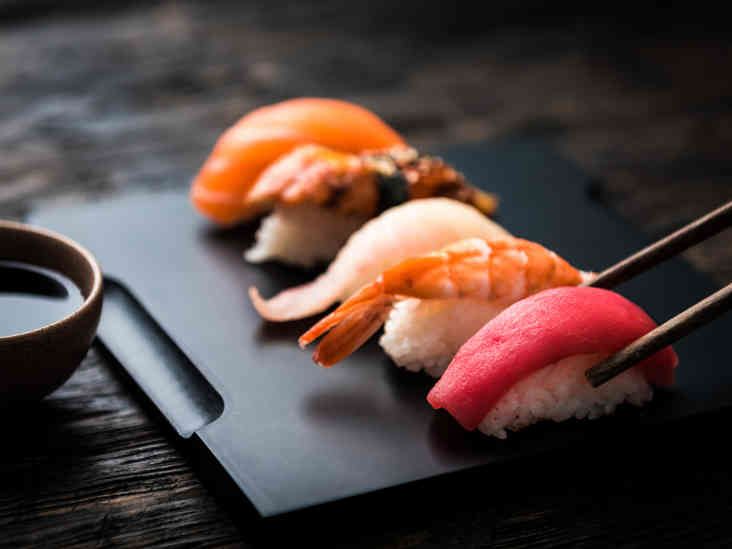
Raw fish has a glamorous reputation. It arrives on a sleek black plate, wears a tiny hat of wasabi, and somehow makes dinner feel like a vacation even if you are sitting three feet from your laundry basket. Sushi, sashimi, poke, ceviche, crudo, tartare, and raw oysters have moved from special-occasion food to everyday cravings. But the big question remains: is eating raw fish safe and healthy?
The honest answer is: raw fish can be safe for many healthy adults when it is properly sourced, frozen, handled, and servedbut it is never completely risk-free. Fish itself is a nutritious food, rich in protein, omega-3 fatty acids, vitamins, and minerals. However, eating it raw removes the most reliable food-safety tool we have: heat. Cooking fish to a safe internal temperature kills many germs and parasites. Raw preparation depends instead on prevention, temperature control, sanitation, and trust in the seafood supply chain.
That does not mean every spicy tuna roll is a tiny daredevil stunt. It means smart choices matter. A clean restaurant, properly frozen fish, quick refrigeration, low-mercury species, and a realistic view of your personal health risk can make the difference between a delightful meal and a very dramatic evening with ginger ale and regret.
What Counts as Raw Fish?
Raw fish is seafood that has not been cooked with heat before eating. The most familiar examples include sashimi, sushi rolls with raw fish, poke bowls, ceviche, crudo, carpaccio, raw oysters, and lightly cured or marinated seafood. Some dishes feel “cooked” because acid, salt, or smoke changes the texture. Ceviche, for example, uses citrus juice to firm the fish, and smoked salmon may look ready-to-eat. But acid and cold smoke do not reliably kill all parasites, bacteria, or viruses the way proper cooking does.
That is why the safety conversation is not just about flavor. It is about the species of fish, where it came from, how it was frozen, how cold it stayed, how clean the preparation area was, and who is eating it.
Is Raw Fish Healthy?
Fish is one of the most nutrient-dense animal proteins available. Many types of fish provide complete protein, vitamin D, vitamin B12, iodine, selenium, and omega-3 fatty acids such as EPA and DHA. These nutrients support heart health, brain function, eye health, muscle maintenance, and healthy development during pregnancy and childhood.
The American Heart Association recommends eating fish, especially fatty fish, regularly as part of a heart-healthy diet. Salmon, sardines, trout, anchovies, herring, and mackerel are especially known for omega-3 content. From a nutrition perspective, fish can be an excellent choice when it replaces highly processed meats or meals heavy in saturated fat.
Does Raw Fish Have More Nutrients Than Cooked Fish?
Raw fish may retain slightly more of certain heat-sensitive nutrients, and some omega-3 fats can be reduced by high-heat cooking. However, the difference is usually not dramatic enough to make raw fish automatically “healthier” than cooked fish. A grilled salmon fillet, baked cod, or steamed trout can still be extremely nutritiousand much safer for people who should avoid raw seafood.
In other words, raw fish is not a magical superfood just because it skipped the oven. The health benefit comes mainly from the fish itself, not from its refusal to meet a skillet.
The Main Risks of Eating Raw Fish
Raw fish carries three major categories of concern: parasites, bacteria and viruses, and environmental contaminants such as mercury. These risks vary by species, source, handling, and the health of the person eating it.
1. Parasites
Some fish can carry parasites, including roundworms such as Anisakis. These parasites are more commonly associated with raw or undercooked marine fish and squid. If swallowed alive, they can cause stomach pain, nausea, vomiting, and other gastrointestinal symptoms. Sometimes symptoms appear quickly after eating. In rare cases, medical treatment may be needed.
Freezing is an important control method because properly freezing fish can kill many parasites. This is why reputable restaurants and seafood suppliers often use fish that has been frozen according to food-safety standards before serving it raw. However, your home freezer may not reach or maintain the ultra-low temperatures used in commercial parasite destruction. Tossing a random piece of grocery-store fish into the freezer for a night does not magically turn it into sushi-bar material.
2. Bacteria and Viruses
Freezing helps with many parasites, but it does not kill all harmful germs. Raw seafood can carry bacteria such as Salmonella, Vibrio, Listeria, or other pathogens. It can also be contaminated through poor handling, dirty cutting boards, unsafe storage temperatures, or cross-contamination from other raw foods.
Vibrio bacteria are a special concern with raw or undercooked shellfish, especially oysters. Oysters filter water, which means bacteria in coastal waters can concentrate inside them. An oyster carrying harmful bacteria may look, smell, and taste perfectly normal. Sadly, oysters do not come with tiny warning lights.
Most healthy adults who get a foodborne illness may experience unpleasant symptoms such as diarrhea, vomiting, fever, or stomach cramps. But for high-risk groups, raw seafood infections can be severe or even life-threatening.
3. Mercury and Other Contaminants
Mercury is not a “raw fish only” issue. Cooking does not remove mercury. Large predatory fish tend to accumulate more mercury because they eat smaller fish over a long lifespan. Species such as swordfish, shark, king mackerel, marlin, orange roughy, bigeye tuna, and tilefish are commonly listed among higher-mercury choices.
For most healthy adults, eating a variety of lower-mercury fish is more beneficial than avoiding seafood altogether. However, people who are pregnant, planning pregnancy, breastfeeding, or feeding young children should choose fish carefully. Lower-mercury options such as salmon, sardines, trout, anchovies, tilapia, cod, shrimp, scallops, and canned light tuna are generally better choices.
Who Should Avoid Raw Fish?
Raw fish is not equally risky for everyone. Some people should skip raw seafood entirely because their risk of severe illness is higher.
People Who Should Be Extra Careful
- Pregnant people
- Young children, especially under age 5
- Adults over 65
- People with weakened immune systems
- People with liver disease, diabetes, cancer, kidney disease, or conditions affecting immunity
- Anyone taking immune-suppressing medications
For these groups, cooked seafood is the better choice. A cooked salmon roll, shrimp tempura roll, California roll made with cooked seafood, grilled fish taco, or veggie sushi can still be delicious without the same level of risk.
Is Sushi Safe?
Sushi can be safe, but it depends on what kind of sushi you choose and where you buy it. Sushi made with cooked seafood, vegetables, egg, or fully cooked ingredients is generally lower risk than sushi containing raw fish. Raw sushi from a reputable restaurant with strong food-safety practices is safer than mystery sushi from a warm gas-station display case. Yes, that display case may be convenient. No, convenience is not a food-safety certification.
When ordering sushi, choose restaurants that smell clean, stay busy, have good local inspection records, and handle seafood professionally. Fresh fish should smell mild, not aggressively “fishy.” Flesh should look firm and moist, not slimy, dull, or mushy. If the rice is warm, the fish is lukewarm, or the display looks tired enough to need a nap, choose something cooked.
What About “Sushi-Grade” Fish?
The phrase “sushi-grade” sounds official, but shoppers should not treat it as a magic shield. In the United States, “sushi-grade” or “sashimi-grade” is often used by sellers to suggest that fish is intended for raw consumption, but the term itself is not a universal guarantee of safety. What matters more is whether the fish came from a reputable supplier, was properly frozen for parasite control when required, was kept cold, and was handled cleanly.
If you are buying fish to prepare raw at home, ask direct questions: Was it frozen for raw consumption? What species is it? When was it thawed? How should it be stored? If the seller cannot answer confidently, that is your cue to cook it.
How to Eat Raw Fish More Safely
You cannot make raw fish completely risk-free, but you can reduce the odds of trouble. Think of these steps as your “please do not ruin my weekend” checklist.
Choose Reputable Sources
Buy raw fish only from trusted restaurants, seafood markets, or grocers with high turnover and good sanitation. Avoid fish that looks dry, smells sour, feels slimy, or sits unrefrigerated. A bargain is not a bargain if it comes with abdominal cramps.
Ask Whether the Fish Was Previously Frozen
For many fish species served raw, freezing is used to reduce parasite risk. Commercial freezing for parasite destruction is more controlled than typical home freezing. If a restaurant or market serves raw fish, staff should be able to explain its sourcing and freezing practices.
Keep It Cold
Raw seafood must stay cold. Bacteria grow quickly in the temperature “danger zone” between 40°F and 140°F. Refrigerate seafood promptly, keep it on ice when needed, and do not let poke, sushi, or ceviche sit at room temperature for hours during parties. Raw fish is not charcuterie. It does not want to mingle all afternoon.
Prevent Cross-Contamination
Use clean cutting boards, knives, plates, and hands. Keep raw seafood away from ready-to-eat foods. If you prepare raw fish at home, sanitize surfaces carefully and wash hands before and after handling seafood. Cross-contamination can turn even good fish into a bad idea.
Be Careful With Raw Shellfish
Raw oysters and clams deserve extra caution. You cannot reliably judge safety by smell or appearance. People at higher risk for severe Vibrio infection should avoid raw or undercooked shellfish completely. Cooked oysters, grilled clams, or steamed mussels are safer choices.
Raw Fish vs. Cooked Fish: Which Is Better?
If the question is nutrition, both raw and cooked fish can be healthy. If the question is food safety, cooked fish wins. Cooking fish to 145°F or until it separates easily with a fork greatly reduces the risk of harmful germs and parasites. Cooking also makes seafood safer for pregnant people, children, older adults, and anyone with immune concerns.
Raw fish wins on texture, delicacy, and culinary experience. Cooked fish wins on safety and accessibility. The best choice depends on your health status, your confidence in the source, and your comfort with risk.
Best Types of Fish for Raw Preparations
Common raw fish choices include salmon, tuna, yellowtail, halibut, sea bass, snapper, and scallops. However, not every piece of these fish is appropriate for raw eating. Species matters, but sourcing and handling matter more. Farmed salmon, for example, may have different parasite risks than wild fish, while tuna is often treated differently in parasite-freezing guidance. Still, bacteria and handling risks remain.
For mercury awareness, frequent raw fish eaters should avoid relying too heavily on high-mercury species. Rotate lower-mercury choices and balance raw meals with cooked seafood. Variety is good for nutrition and for reducing contaminant exposure.
Can You Make Raw Fish at Home?
You can, but it requires more care than assembling a sandwich. Do not use ordinary supermarket fish unless it is specifically sold for raw consumption by a trusted seller. Ask whether it was frozen for parasite control. Keep it refrigerated until the moment of preparation. Use clean tools. Eat it the same day. When in doubt, cook it.
For beginners, homemade poke with cooked shrimp, smoked tofu, crab-style seafood, or seared fish may be a smarter first step. You still get the fun of the bowlrice, cucumber, avocado, sesame, seaweed, spicy saucewithout betting dinner on uncertain raw seafood handling.
Signs Raw Fish May Not Be Safe
Do not eat raw fish if it has a strong fishy odor, sour smell, mushy texture, sticky slime, gray discoloration, dry edges, or has been sitting out too long. Also avoid raw seafood from places with poor hygiene, unclear sourcing, or staff who cannot answer basic safety questions. Food safety is not the time to be polite. If something feels off, send it back or choose a cooked dish.
So, Is Eating Raw Fish Safe and Healthy?
For many healthy adults, eating raw fish occasionally from a reputable source can be both enjoyable and reasonably safe. It can provide high-quality protein, omega-3 fats, and important micronutrients. But raw fish is not safer than cooked fish, and it is not necessary for a healthy diet. The safest way to enjoy seafood is still to cook it properly.
The practical answer is this: raw fish can be part of a healthy diet, but it should be treated as a higher-risk food. Choose quality sources, ask about freezing, keep it cold, avoid high-mercury fish too often, and skip raw seafood entirely if you are in a higher-risk group.
Practical Experience: What Smart Raw Fish Eating Looks Like in Real Life
In real life, eating raw fish safely is less about being fearless and more about being observant. The safest raw fish experience usually starts before the first bite. A good sushi restaurant feels organized. The fish is kept cold. The counter is clean. The staff handle ingredients with care. The menu does not smell like low tide. These details may sound small, but they are the quiet signs that a restaurant takes seafood seriously.
A common mistake is assuming that expensive automatically means safe. Price can reflect quality, but it is not a thermometer, inspection report, or parasite-control record. A small neighborhood sushi bar with excellent turnover and disciplined handling may be a better choice than a trendy lounge where raw fish sits too long under dramatic lighting. Fresh seafood should move quickly from cold storage to preparation to your plate. The longer it hangs around, the more opportunity bacteria have to throw a tiny party nobody invited them to.
Another practical lesson: simple orders can be smarter. If you are trying a new restaurant, start with cooked items, vegetable rolls, miso soup, or a small sashimi order rather than a giant platter of every raw species available. Notice the texture and smell. Good raw fish usually tastes clean, mild, and slightly sweet or ocean-like. It should not taste sour, metallic, overly fishy, or “funky” in a way that makes your brain whisper, “Are we sure about this?” Listen to that whisper.
At grocery stores, pre-packed sushi can be convenient, but timing matters. Buy it from stores with busy prepared-food departments, check the packed-on date, keep it cold on the way home, and eat it promptly. Do not leave it in a warm car while you run six more errands. Sushi rice may be seasoned, but raw fish still needs cold control. Your California roll does not care that you needed socks from aisle nine.
For home preparation, the best experience often comes from humility. Unless you have a reliable seafood market that clearly sells fish intended for raw consumption, cook your fish. If you do buy raw-intended fish, keep portions small, chill everything, use separate cutting boards, and prepare it just before serving. Do not thaw fish on the counter. Do not rinse away bad smells and hope for the best. Do not serve raw fish to pregnant guests, small children, older relatives, or immune-compromised friends unless they have clearly chosen that risk for themselvesand even then, a cooked option is kinder.
Finally, raw fish is best enjoyed as a treat, not a personality. You do not need raw tuna five days a week to be healthy. Mix it up with baked salmon, sardines on toast, shrimp tacos, trout, cod, mussels, or veggie sushi. This keeps your diet varied, helps manage mercury exposure, and gives you the benefits of seafood without leaning too hard on higher-risk meals. The goal is not to fear raw fish. The goal is to respect itlike the ocean, sharp knives, and group texts that start with “quick question.”
Conclusion
Raw fish can be safe and healthy for many people, but it depends on smart sourcing, proper freezing, careful handling, and personal health risk. It offers protein, omega-3 fatty acids, and a fresh culinary experience, but it can also expose diners to parasites, bacteria, viruses, and mercury. Cooking remains the safest option, especially for pregnant people, young children, older adults, and anyone with a weakened immune system.
If you love sushi, sashimi, poke, or ceviche, you do not necessarily have to break up with them. Just date them responsibly. Choose reputable places, ask questions, keep seafood cold, avoid suspicious smells or textures, and remember that cooked fish is still a nutritional superstar. Raw fish may be elegant, but food safety never goes out of style.