Some products are practical. Some are adorable. And then there are the rare little overachievers that manage to be both while looking like they hopped straight out of a children’s storybook. That is exactly the charm behind Oui Presse Children’s Bunny Slippers, a now-discontinued pair that still sparks curiosity thanks to its handmade look, cozy materials, and delightfully unfussy bunny design.
If you landed here searching for these slippers, you are probably after one of three things: the original product details, an honest sense of whether they were special, or advice on how to find something similar today without ending up with a flimsy pair that looks cute for five minutes and sheds its dignity by snack time. Fair goal. Tiny feet deserve standards too.
This guide takes a close look at what made Oui Presse Children’s Bunny Slippers memorable, how they compare with modern kids’ bunny slippers, and what parents, gift shoppers, and bunny-themed optimists should look for before buying a pair for real-world use.
What Were Oui Presse Children’s Bunny Slippers, Exactly?
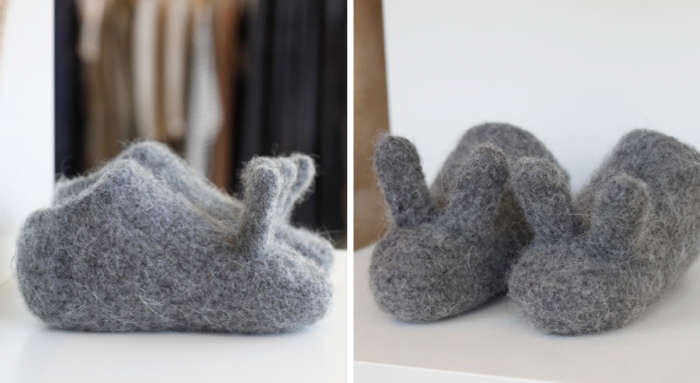
At their core, Oui Presse Children’s Bunny Slippers were a craft-forward take on kids’ house shoes. The archived product details describe them as gray felted bunny slippers for children, made with 80% wool and 20% mohair. They were hand knit and felted in Portland, Oregon, offered in children’s sizes S 3/4, M 5/6, and L 7/8, and listed as handwashable. In other words, these were not generic big-box bunny slippers with glued-on ears and a suspiciously shiny sole. They were softer, simpler, and more handmade in spirit.
That combination matters. Wool gives slippers warmth, softness, and a naturally cozy texture, while felted construction tends to create a slightly structured finish that hugs the foot better than super-loose plush styles. Mohair adds a little extra softness and visual fuzz, which is very on-brand for anything hoping to pass as bunny-adjacent. The result sounds less like a cartoon costume and more like a miniature design object that just happens to keep little toes warm.
There is also a regional, artisan appeal here. Portland-made, hand-felted children’s slippers carry a very different vibe from mass-produced novelty footwear. They feel thoughtful. They feel giftable. They feel like something a stylish parent would buy and then quietly wish came in adult sizes too.
Why People Still Search for Them
Products like this tend to linger in search results because they occupy a sweet spot that is oddly hard to replace. Oui Presse Children’s Bunny Slippers were whimsical without being loud, handmade without being fussy, and cute without looking like they had been focus-grouped by an Easter basket. They likely appealed to shoppers who wanted children’s slippers that felt warm and playful but still visually calm enough to leave by the front door without starting an argument with the rest of the decor.
That may sound dramatic for slippers, but home goods and children’s accessories live and die by this sort of detail. One pair says, “My kid likes rabbits.” Another pair says, “My kid likes rabbits, and apparently we all have excellent taste.” The Oui Presse version belonged to the second category.
They also arrived before every cozy item on the planet needed to scream “viral gift.” Their charm seems quieter. More handmade shop, less algorithm. That alone makes them memorable.
What Made Them Different From Typical Kids’ Bunny Slippers?
1. The materials were more elevated
A lot of current children’s bunny slippers lean toward polyester plush, sherpa-style linings, and synthetic outer materials. There is nothing wrong with that. Synthetic slippers can be soft, affordable, easy to wipe down, and appealing for families who want an indoor-outdoor sole. But the original Oui Presse pair stood out because it was rooted in wool and mohair, which gives a more natural, textured, handmade feel.
That difference changes the entire personality of the slipper. Synthetic plush bunny slippers often feel fluffy and cheerful. Felted wool bunny slippers feel cozy, understated, and a little more timeless. One says sleepover. The other says Scandinavian rabbit with a side of hot cocoa.
2. The design sounds artisanal, not novelty-first
Modern kids’ bunny slippers often feature fuzzy faces, oversized ears, or bright seasonal styling. The Oui Presse version seems to have leaned simpler: gray, felted, and restrained. That makes them easier to style with everyday pajamas, loungewear, or even a tiny robe that makes your child look like a retired poet on winter break.
3. The construction likely favored comfort over flash
Hand-knit and felted slippers usually create a softer, more flexible shape than many structured novelty slippers. That matters for children who hate stiff footwear and will reject uncomfortable shoes with the theatrical conviction of a food critic returning cold fries.
How to Shop for Similar Children’s Bunny Slippers Today
If you cannot buy the original Oui Presse Children’s Bunny Slippers anymore, the next best move is knowing what to look for in a similar pair. Cute is the bait. Fit, traction, care, and construction are the part that keeps the slippers from becoming an expensive floor decoration.
Choose the right upper material
If you want the closest look and feel to the original, look for felted wool, wool blends, or textured natural-fiber slippers. These tend to feel more refined and less costume-like. If your priority is easy care and a plush, cloud-soft feel, synthetic materials such as polyester fleece or sherpa can still be a good pick, especially for younger kids who treat every hallway like a racetrack.
Pay attention to the sole
Traction is not a glamorous shopping term, but it is one of the most useful. A good children’s slipper should help kids move around hardwood, tile, or smooth floors without turning the living room into a slapstick sequence. Some styles are strictly indoor slippers with softer bottoms, while others use textured rubber or indoor-outdoor outsoles for more grip and durability.
If the child is very young, active, or still slightly chaotic in the way only toddlers can be, prioritize a sole with decent grip. A bunny can be whimsical. A wipeout is less charming.
Think about heel style and closure
Open-back scuff slippers are easy to slip on, but they are not always the most secure option for little kids who run, twist, hop, or forget that slippers are not parkour equipment. For toddlers and younger children, a backstrap, closed heel, or secure closure can be more practical. Older kids may do fine with slip-on scuff styles, especially if they mostly wear them for quiet indoor time.
Use size charts, not optimism
Children’s slippers vary wildly by brand. Some use age ranges, some use shoe sizes, and some combine both. That means “small” can be helpful, confusing, or wildly unhelpful depending on who made the product. Always compare the child’s current shoe size with the brand’s chart, and when available, check foot-length measurements instead of guessing. Guessing works for birthday candles. It is weaker as a fit strategy.
Check the cleaning instructions before you fall in love
Every parent knows the truth: children’s slippers will eventually meet spilled juice, mystery crumbs, and one deeply suspicious gray streak whose origin no one can explain. Before buying, check whether the pair is handwashable, spot clean only, wipe clean, or machine washable. Wool and felted styles usually need gentler treatment than synthetic plush slippers. If you are shopping for daily use, care instructions can matter almost as much as design.
How Oui Presse Compares With Today’s Bunny Slippers
In today’s market, many kids’ bunny slippers are built around convenience. You will often see polyester uppers, fuzzy novelty faces, recycled synthetic components, wipe-clean surfaces, and indoor-outdoor soles. That is not a bad thing. In fact, for a lot of families, that combination is practical and budget-friendly.
But the original Oui Presse Children’s Bunny Slippers appear to have aimed at something slightly different: craft, texture, and handmade charm. Instead of a loud novelty statement, they offered a softer visual language. Instead of mass-market plush, they leaned into felted wool and mohair. Instead of “just for Easter,” they read more like a cozy all-season house slipper with bunny personality.
That distinction is why they still feel interesting. They were not just bunny slippers. They were nice bunny slippers.
Who Would Have Loved These Slippers Most?
The original Oui Presse pair would have been especially appealing for a few types of shoppers. First, parents who like children’s items that feel thoughtful and well-made rather than disposable. Second, gift buyers searching for something more memorable than another stuffed animal. Third, people who like whimsical design but prefer it with a little restraint.
They also make sense for children who enjoy soft indoor footwear but do not want something overly bulky. Felted slippers often feel lighter and less puffy than thick plush scuffs, which can make them easier for some kids to actually keep on their feet. And yes, that is the true gold standard of children’s slippers: not how cute they look in the box, but whether the child still likes them after fifteen minutes of existing in them.
If You Want a Similar Look, Use This Checklist
When shopping for an alternative to Oui Presse Children’s Bunny Slippers, focus on these features:
- Natural or natural-looking texture: felted wool, wool blends, or matte fabrics instead of super-shiny plush
- Soft but secure fit: enough structure to stay on, enough softness to feel cozy
- Good traction: especially for hardwood, tile, or active toddlers
- Age-appropriate heel style: secure heel for little kids, easier slip-on style for older kids
- Simple bunny design: charming, but not so oversized it flops into the child’s line of sight
- Reasonable care: handwash, spot clean, or machine wash depending on your tolerance for chaos
If you find a pair that checks most of those boxes, you are already close to the spirit of the original.
The Real Appeal: Cozy Design With Personality
What makes Oui Presse Children’s Bunny Slippers worth remembering is not just that they were cute. Plenty of children’s slippers are cute for roughly six minutes. The lasting appeal here is that they appear to have balanced comfort, material quality, handmade character, and playful design without tipping into gimmick territory.
That is harder to pull off than it sounds. Kids’ products often swing between “hyper-practical and boring” and “adorable but clearly engineered by chaos.” The Oui Presse pair seems to have landed in the rare middle ground: slippers that could charm a child and impress an adult in the same glance.
So if you are hunting down the original product, consider this your answer: yes, the interest makes sense. And if you are shopping for a modern stand-in, aim for a pair that feels warm, secure, easy to care for, and just whimsical enough to make mornings more fun.
Because honestly, if a child is willing to put on footwear without a negotiation, the slippers are already doing excellent work.
Real-Life Experiences With Children’s Bunny Slippers
Children’s bunny slippers are one of those small household items that tend to become part of family routines faster than expected. At first, they look like a cute extra. Then suddenly they are in the Saturday-morning rotation, under the kitchen chair during breakfast, next to the bed after bath time, and somehow in the car because someone absolutely needed “the bunny shoes” for a two-minute drive. That pattern makes sense because slippers like these sit right at the intersection of comfort, habit, and personality.
For many families, the biggest win is that bunny slippers feel fun enough that kids actually want to wear them. That matters. Parents spend a shocking amount of time convincing small humans to put things on their bodies in the correct order. A slipper that gets a child excited can remove friction from the start of the day. Instead of arguing about cold floors, you hand over the bunny slippers and watch the problem solve itself. That is not magic, but it is close enough for 7:05 a.m.
There is also a sensory side to the experience. Soft slippers can help make home feel calmer, especially during colder months. A child changes out of school clothes, steps into warm slippers, and immediately looks more at ease. It is a tiny ritual, but rituals matter. Cozy items often signal that the busy part of the day is over. Homework, snacks, books, and couch time seem to land a little better when the feet are warm and the shoes have little ears.
Gift-givers tend to love bunny slippers for the same reason. They are practical, but they do not feel boring. They photograph well. They fit easily into holiday baskets, birthday bundles, or winter care packages. And unlike some novelty gifts, they usually get actual use. Grandparents especially seem to understand the assignment here. They know that children appreciate softness, parents appreciate usefulness, and everyone appreciates a gift that is cute without making noise.
Of course, real life also reveals the less glamorous side. Slippers get stepped on, dragged outside “for just one second,” and tested against every crumb-producing snack known to childhood. That is why the best experiences usually come from pairs that are easy to clean and easy to keep on. If a slipper slides off every ten feet, kids stop caring. If it takes an emotional support spreadsheet to wash it, adults stop caring. The happiest middle ground is a pair that feels special but survives normal family mess.
And then there is the emotional factor, which is surprisingly strong for such a tiny item. Children often get attached to character-like footwear in a way adults underestimate. Bunny slippers can become part comfort object, part costume, part daily uniform. They show up in holiday photos, movie nights, sick days, and sleepy walks to the kitchen for water. Years later, people may not remember the exact pajamas, but they often remember the little bunny slippers with the floppy ears. That is the secret power of a well-designed children’s slipper: it is useful in the moment, but memorable long after the child outgrows it.
Conclusion
Oui Presse Children’s Bunny Slippers may no longer be easy to buy, but they remain a strong example of why some children’s products stick in people’s minds. The original pair combined felted wool texture, handmade Portland charm, easy care, and a bunny motif that felt playful without becoming over-the-top. For shoppers trying to find a similar style today, the smartest move is to focus less on the ears and more on the essentials: comfortable materials, reliable sizing, secure fit, decent traction, and realistic cleaning instructions.
Find that balance, and you will end up with more than cute slippers. You will end up with the kind of cozy everyday item that children actually wear and families actually remember.