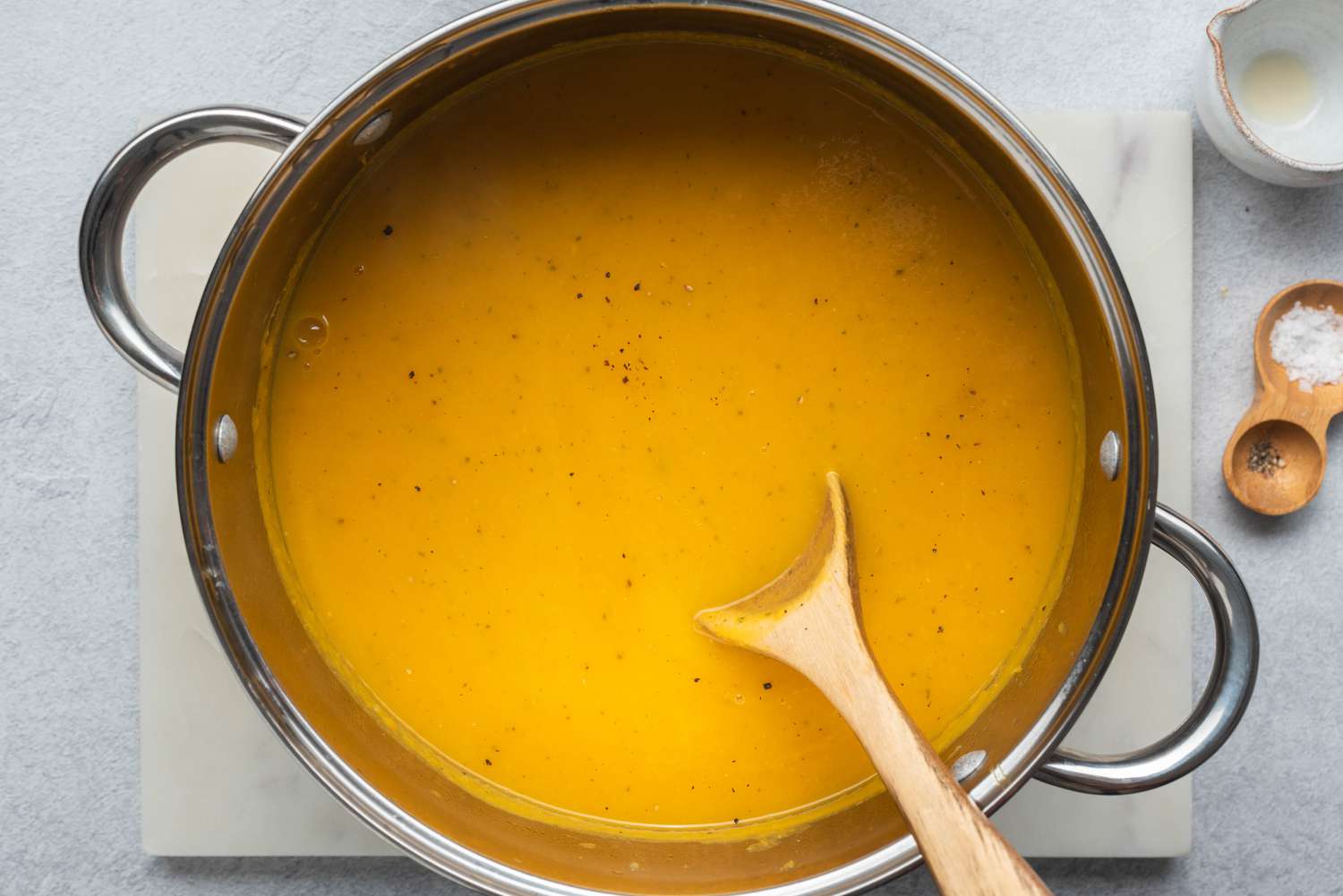
Thin soup is one of those kitchen moments that can make a cook stare into the pot like it just betrayed the family. You followed the recipe, chopped the vegetables, simmered with patience, tasted with hopeand somehow the result looks less like cozy dinner and more like flavored rainwater. Good news: learning how to thicken soup is easier than rescuing a burnt casserole, and it usually requires ingredients already sitting in your pantry, quietly waiting for their heroic entrance.
The best way to thicken soup depends on what kind of soup you are making. A silky tomato bisque needs a different fix than chicken noodle soup. A chowder welcomes a roux like an old friend, while a vegetable soup may only need a quick blend. The goal is not just thickness. The real goal is better texture, fuller flavor, and a spoonful that feels satisfying without turning into paste. Nobody invited wallpaper glue to dinner.
This guide explains the most reliable soup thickening methods, including cornstarch slurry, flour slurry, roux, beurre manié, pureed vegetables, beans, rice, potatoes, cream, coconut milk, bread, pasta, and reduction. You will also learn which method fits which soup, how to avoid lumps, and how to fix soup that becomes too thick. Consider this your friendly rescue manual for watery soup.
Why Soup Turns Out Too Thin
Soup usually turns out thin for one of three reasons: too much liquid, not enough starch or body-building ingredients, or not enough simmering time. Sometimes the vegetables release more moisture than expected. Sometimes the recipe says “add broth” with the confidence of a person who has never met your pot size. And sometimes you simply prefer a richer texture than the recipe creator did.
Before you add anything, taste the broth. If the soup tastes watery and under-seasoned, simmering uncovered may solve two problems at once: it evaporates excess liquid and concentrates flavor. If the soup tastes great but feels too light, choose a thickener that supports the recipe instead of covering it up.
The Golden Rule: Match the Thickener to the Soup
There is no single best soup thickener for every situation. Cornstarch is fast and powerful, but it can create a glossy texture that feels wrong in rustic soups. Flour adds body but can taste raw if not cooked properly. Cream makes soup luxurious, but it does not always create dramatic thickness. Pureed vegetables add body while keeping flavor natural, which makes them one of the best tricks for homemade soup.
Think of thickening soup like choosing shoes. Hiking boots are greatunless you are going to a wedding. The thickener should match the soup’s personality.
1. Simmer the Soup Uncovered
The simplest way to thicken soup is to cook it a little longer without the lid. This method reduces the liquid through evaporation, making the broth more concentrated and slightly thicker. It works especially well for tomato soup, chili-style soups, bean soups, vegetable soups, and stews.
How to do it
Remove the lid, lower the heat to a gentle simmer, and stir occasionally. Give the soup 10 to 20 minutes, then check the texture. Avoid boiling aggressively, especially if the soup contains pasta, rice, dairy, or delicate vegetables. A hard boil can overcook ingredients and make the final dish taste tired.
Reduction is best when the flavor is already good but the texture is loose. If the broth is too salty, do not reduce it further. You will only create a saltier problem wearing a thicker coat.
2. Make a Cornstarch Slurry
A cornstarch slurry is one of the fastest ways to thicken soup. It is made by mixing cornstarch with cold water or cold broth before stirring it into hot soup. The cold liquid keeps the cornstarch from clumping, which is important unless you enjoy surprise dumplings that nobody asked for.
Basic cornstarch slurry ratio
Start with 1 tablespoon cornstarch mixed with 1 tablespoon cold water for every 2 cups of soup. Whisk until smooth, then slowly stir the slurry into simmering soup. Let it cook for 1 to 2 minutes so the starch can activate and thicken the liquid. Add more only if needed.
Cornstarch works well for clear soups, Asian-inspired soups, chicken soup, vegetable soup, and quick fixes near the end of cooking. It creates a glossy, smooth thickness. Use a light hand, because too much cornstarch can make soup feel slippery or gel-like.
3. Use a Flour Slurry
A flour slurry works like a cornstarch slurry, but it needs a little more cooking time to remove the raw flour taste. Flour produces a more opaque, hearty texture, which makes it useful for creamy chicken soup, mushroom soup, beef stew, pot pie soup, and rustic vegetable soup.
How to make a flour slurry
Whisk 2 tablespoons all-purpose flour with 1/4 cup cold water or broth until smooth. Stir the mixture slowly into simmering soup. Cook for at least 5 minutes, stirring often, until the soup thickens and the flour flavor disappears.
Never sprinkle dry flour directly into hot soup. The flour will clump instantly, and you will spend the next ten minutes chasing tiny dough islands around the pot. A slurry is the safer route.
4. Make a Roux for Creamy, Rich Soups
A roux is a cooked mixture of fat and flour. It is one of the classic ways to thicken soup, especially chowders, gumbo, cream soups, cheese soups, and bisques. The fat coats the flour, helping it disperse smoothly while the cooking step removes the raw taste.
Basic roux ratio
Use equal parts fat and flour. For a medium pot of soup, melt 2 tablespoons butter in a saucepan, whisk in 2 tablespoons flour, and cook for 2 to 3 minutes until smooth and lightly bubbly. Slowly whisk in a little hot broth from the soup, then stir the loosened roux back into the pot.
A pale roux thickens without adding much flavor. A blond roux brings a light nutty taste. A darker roux adds deeper flavor but has slightly less thickening power. For delicate cream soups, keep the roux light. For gumbo, darker roux brings character, drama, and the kind of aroma that makes people wander into the kitchen pretending they “just needed water.”
5. Try Beurre Manié for Last-Minute Thickening
Beurre manié sounds fancy, but it is simply softened butter mashed with flour. Unlike roux, it is not cooked first. It is useful when a soup is nearly finished and needs a little more body.
How to use beurre manié
Mash 1 tablespoon softened butter with 1 tablespoon flour until you have a smooth paste. Add small pieces to simmering soup, whisking well after each addition. Let the soup cook for several minutes so the flour can thicken the liquid and lose its raw edge.
This method is excellent for creamy soups, mushroom soup, chicken soup, and sauces that need gentle thickening. Add it gradually. The difference between “velvety” and “accidentally made gravy” can happen quickly.
6. Blend Part of the Soup
One of the cleanest ways to thicken soup is to blend some of the solids and stir them back into the pot. This method adds body without extra flour, cornstarch, or cream. It works especially well with soups containing potatoes, beans, lentils, squash, carrots, cauliflower, corn, peas, or tomatoes.
How much should you blend?
For chunky soup, blend 1 to 2 cups of soup, then return it to the pot. For a thicker, smoother soup, blend one-third to one-half of the batch. Use an immersion blender directly in the pot, or transfer a portion to a countertop blender.
If using a countertop blender, be careful with hot liquid. Work in batches, do not overfill the blender, and let steam escape. Hot soup expands when blended, and nobody wants to repaint the ceiling with lentils.
7. Add Mashed Potatoes or Potato Flakes
Potatoes are natural soup thickeners because they contain starch and create a creamy texture when mashed. Cooked potatoes can be removed from the soup, mashed, and stirred back in. Instant mashed potato flakes can also help in a pinch.
Best soups for potato thickening
This method works beautifully in vegetable soup, chowder, broccoli soup, cauliflower soup, leek soup, and chicken soup. Add potato flakes 1 tablespoon at a time, stir well, and wait a minute before adding more. They thicken quickly.
Avoid over-blending potato-heavy soups. Too much blending can make potatoes gummy. Use short pulses or mash by hand for a better texture.
8. Use Beans or Lentils
Beans and lentils are perfect for thickening soup while adding protein, fiber, and earthy flavor. White beans are especially useful because they blend into a creamy texture without taking over the dish. Red lentils soften quickly and almost melt into soup, making them a smart choice for tomato, curry, and vegetable soups.
How to thicken soup with beans
Blend 1 cup cooked beans with 1/2 cup broth until smooth, then stir the puree into the soup. Cannellini beans, navy beans, chickpeas, black beans, and pinto beans all work, depending on the flavor profile. For lentils, simmer them directly in the soup until soft, or blend part of the finished soup.
This is one of the best methods for anyone who wants a creamy soup without heavy cream. It gives the soup substance and makes leftovers even better the next day.
9. Add Rice, Pasta, or Grains
Rice, pasta, barley, oats, and other grains release starch as they cook, which naturally thickens soup. This method is ideal for chicken and rice soup, minestrone, pasta e fagioli, beef barley soup, and hearty vegetable soups.
Add grains early enough to cook through, but remember that they continue absorbing liquid as the soup sits. If you plan to store leftovers, consider cooking pasta or rice separately and adding it to each serving. Otherwise, tomorrow’s soup may become a casserole with confidence issues.
10. Stir in Cream, Half-and-Half, Yogurt, or Coconut Milk
Dairy and creamy ingredients add richness and a smoother mouthfeel. Heavy cream, half-and-half, sour cream, Greek yogurt, cream cheese, coconut milk, and cashew cream can all make soup feel thicker and more luxurious.
How to prevent curdling
Lower the heat before adding dairy. For yogurt or sour cream, temper it first by stirring a little hot soup into the dairy, then adding that mixture back to the pot. Do not boil aggressively after adding dairy. Gentle heat keeps the soup smooth.
Coconut milk is excellent in curry soups, squash soup, carrot soup, lentil soup, and Thai-inspired soups. Greek yogurt adds tang, so it works best when brightness is welcome.
11. Use Bread, Tortillas, or Breadcrumbs
Bread is an old-school soup thickener that deserves more love. Stale bread, soft sandwich bread, breadcrumbs, or corn tortillas can add body without making soup taste starchy in an obvious way. This method is especially useful for tomato soup, garlic soup, tortilla soup, ribollita, gazpacho, and rustic vegetable soups.
How to use bread
Tear bread into small pieces and simmer it in the soup until soft, then blend or stir until it breaks down. Remove tough crusts if you want a smoother texture. Corn tortillas work beautifully in Mexican-inspired soups because they add both thickness and corn flavor.
Use strongly flavored breads carefully. Rye, sourdough, or seeded bread can be delicious, but they also bring their own personality. Sometimes that personality is charming. Sometimes it steals the microphone.
12. Add Cheese the Smart Way
Cheese can help thicken soup, but it needs careful handling. Cheddar, Parmesan, cream cheese, Gruyère, and Monterey Jack can add body, saltiness, and richness. The key is low heat and gradual stirring.
For cheese soups, a roux often helps stabilize the base so the cheese melts smoothly instead of separating. Shred cheese yourself when possible, because pre-shredded cheese often contains anti-caking agents that can affect texture. Add cheese off the heat or over very low heat, a handful at a time.
Common Soup Thickening Mistakes
Adding dry starch directly to hot soup
This causes lumps. Always mix flour, cornstarch, potato starch, or arrowroot with cold liquid first.
Using too much thickener at once
Add thickener gradually. Soup continues to thicken as it simmers and cools.
Boiling dairy
High heat can make dairy separate. Keep creamy soups at a gentle simmer.
Over-blending potatoes
Potatoes can turn gluey if blended too aggressively. Mash or pulse lightly.
Forgetting about leftovers
Rice, pasta, and grains keep absorbing broth in the fridge. Store extra broth separately if possible.
Best Thickener by Soup Type
For chicken noodle soup
Use a light cornstarch slurry, a small flour slurry, or blend a few vegetables. Avoid making it too heavy.
For potato soup
Mash some potatoes, add cream, or use a small roux. Do not over-blend.
For tomato soup
Simmer uncovered, blend thoroughly, add bread, or finish with cream.
For chowder
Use roux, potatoes, cream, or a combination of all three for classic body.
For vegetable soup
Blend part of the soup, add beans, or simmer uncovered.
For bean soup
Mash or blend some beans. This thickens naturally and keeps the flavor focused.
For gluten-free soup
Use cornstarch, potato starch, arrowroot, rice, beans, lentils, potatoes, cream, or blended vegetables. Make sure packaged ingredients are labeled gluten-free if needed.
How to Fix Soup That Is Too Thick
Soup can go from thin to thick faster than expected. If that happens, stir in warm broth, stock, milk, cream, or water a little at a time until the texture loosens. Match the liquid to the soup: broth for savory soups, milk or cream for creamy soups, coconut milk for curry soups, and tomato juice for tomato-based soups.
After thinning, taste again. Extra liquid may dilute seasoning, so adjust salt, pepper, herbs, acid, or spices as needed. A squeeze of lemon juice or a splash of vinegar can brighten heavy soup and make it taste balanced again.
Practical Kitchen Experiences: What Actually Works When the Soup Is Too Thin
After making many pots of soup at home, one lesson becomes obvious: the best thickening method is usually the one that feels invisible. A great thickened soup should not announce, “Hello, I have been repaired with emergency cornstarch.” It should simply taste like it was always meant to be that way.
For brothy soups, I usually start with patience. Ten minutes of uncovered simmering can make a bigger difference than expected, especially in vegetable soup or tomato soup. The flavor becomes stronger, the broth feels less watery, and nothing new has to be added. This is the method I trust when the soup is only slightly thin. It is also the method least likely to create regrets.
When the soup needs help fast, a cornstarch slurry is the kitchen equivalent of a reliable umbrella. It works quickly, but it must be used carefully. I prefer adding half the slurry first, waiting a minute, and then deciding whether the pot needs more. The biggest mistake is dumping in a full bowl of slurry because panic has entered the chat. Soup thickens as it heats, so giving it a moment is important.
For creamy soups, roux is still one of the best choices. A small butter-and-flour roux gives chowder, broccoli cheddar soup, and creamy chicken soup a rounded texture that feels comforting rather than slick. The secret is cooking the flour long enough. Raw flour flavor is subtle, but once you notice it, it waves at you from every spoonful.
For vegetable-heavy soups, blending part of the pot is my favorite trick. It keeps the flavor pure and avoids extra starch. Lentil soup, white bean soup, squash soup, cauliflower soup, and potato leek soup all become richer with a partial blend. I usually blend only one-third of the soup so there are still chunks left. Texture matters. A soup with some bite feels homemade in the best way.
Beans are another excellent fix. Blended cannellini beans can make soup taste creamy without cream, which is helpful when the soup needs body but not heaviness. They work especially well in chicken vegetable soup, kale soup, and minestrone-style recipes. The flavor is mild, and the texture becomes cozy without feeling overly thick.
I have also learned to be careful with pasta and rice. They seem innocent at first, but they keep drinking broth after the stove is turned off. A soup that looks perfect at dinner can become surprisingly dense by lunch the next day. When making soup for leftovers, I cook pasta separately and add it to each bowl. It sounds fussy until you open the fridge and find actual soup instead of noodle cement.
Finally, the most useful habit is to thicken slowly and taste often. Soup is forgiving, but it is not magic. Add a little, stir, wait, taste, and adjust. That rhythm prevents lumps, gluey texture, and over-thickening. A good pot of soup should feel warm, balanced, and generousthe kind of food that makes people ask for seconds before they have finished firsts.
Conclusion
Learning how to thicken soup gives you control over texture, flavor, and comfort. Whether you use a cornstarch slurry for speed, a roux for richness, blended vegetables for natural body, beans for creaminess, or simple simmering for concentration, the best method depends on the soup in front of you. Start small, stir well, and let the soup tell you what it needs. With the right technique, a watery pot can become a cozy, spoon-hugging masterpieceand yes, “spoon-hugging” should absolutely be a recognized culinary term.
Note: This article is written for web publishing in original American English, with practical cooking guidance synthesized from reliable culinary references and rewritten in a natural, non-duplicated style.