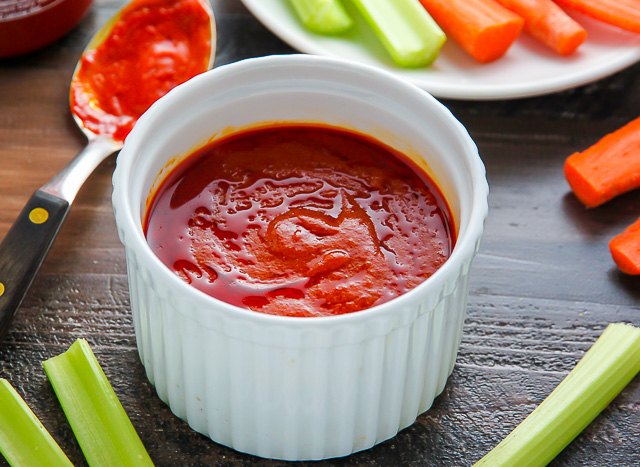
Some recipes wear a tuxedo. Buffalo sauce shows up in a football jersey, kicks open the fridge, and somehow becomes the life of the party anyway. That is exactly why this classic spicy sauce has stuck around for decades. It is bold, buttery, tangy, just a little messy, and ridiculously easy to make at home.
If you have ever bought a bottle of Buffalo sauce and thought, “Wait, I probably already own all of this,” you were not wrong. A great homemade Buffalo sauce recipe is one of the easiest kitchen wins around. It comes together in minutes, works on everything from wings to sandwiches to roasted vegetables, and gives you full control over heat, texture, saltiness, and tang. In other words, you get the flavor without the mystery.
This guide breaks down how to make Buffalo sauce from scratch, how to tweak it for your taste, what mistakes to avoid, and how to use every last drop. Whether you want a classic wing sauce, a smoother dipping sauce, or a version with extra garlic and attitude, this recipe has your back.
What Is Buffalo Sauce, Exactly?
Buffalo sauce is a buttery hot sauce blend most often associated with chicken wings, but that description barely does it justice. At its core, traditional Buffalo sauce starts with a cayenne pepper hot sauce and melted butter. That pairing creates the signature flavor: spicy, tangy, silky, and just rich enough to cling to food like it means business.
Many homemade versions also add a few extras such as white vinegar, garlic powder, Worcestershire sauce, black pepper, or a tiny bit of honey or brown sugar. Those additions are not mandatory, but they can round out the flavor and help tailor the sauce to whatever you are cooking. Think of the classic base as the little black dress of sauces. It works everywhere, and accessories are optional.
Why Make Homemade Buffalo Sauce?
You control the heat
Store-bought sauces can swing wildly from mild and buttery to “Who approved this lava?” When you make Buffalo sauce at home, you can keep it mellow, turn it fiery, or land somewhere in the happy middle where your mouth tingles but your eyebrows stay put.
You control the texture
Some people love a thin, classic wing sauce. Others want a thicker sauce that coats tenders, wraps, and cauliflower like a glossy orange blanket. Homemade sauce lets you decide.
You probably already have the ingredients
This is one of those rare recipes that feels suspiciously easy. If you keep hot sauce, butter, and a few pantry seasonings around, you are most of the way there already.
It is wildly versatile
Buffalo sauce is not just for wings. It works on grilled chicken, roasted potatoes, burgers, tacos, pizza, dips, mac and cheese, rice bowls, and even roasted carrots or cauliflower. It is basically a flavor shortcut with excellent timing.
Easy Homemade Buffalo Sauce Recipe
Ingredients
- 1/2 cup cayenne pepper hot sauce
- 1/3 cup unsalted butter
- 1 tablespoon white vinegar
- 1/2 teaspoon garlic powder
- 1/2 teaspoon Worcestershire sauce
- 1/8 teaspoon black pepper
- 1 teaspoon honey, optional
- Pinch of cayenne pepper, optional for extra heat
Directions
- Add the hot sauce, butter, vinegar, garlic powder, Worcestershire sauce, and black pepper to a small saucepan.
- Warm over low to medium-low heat, whisking often, until the butter is fully melted and the sauce looks smooth and glossy.
- Taste and adjust. Add honey if you want a softer edge, or a pinch of cayenne if you want more kick.
- Use immediately, or let it cool and store it in a sealed jar in the refrigerator.
This recipe makes enough sauce for about 2 to 3 pounds of wings, or several sandwiches, wraps, bowls, and snack attacks. If your fridge contains leftovers and ambition, you are in excellent shape.
How This Buffalo Sauce Tastes
The best homemade Buffalo sauce should hit in layers. First comes the tang from the hot sauce and vinegar. Then the butter rounds everything out and gives the sauce that classic velvety mouthfeel. Garlic and Worcestershire deepen the flavor without turning the recipe into something fussy or overbuilt. The honey is optional, but just a teaspoon can make the sauce taste fuller without becoming sweet.
In other words, the goal is not to make the hottest sauce on the block. The goal is balance. Buffalo sauce should be punchy, not punishing.
Best Ingredients for Homemade Buffalo Sauce
Hot sauce
Choose a cayenne-forward hot sauce for the most classic Buffalo flavor. This is the backbone of the recipe, so use one you already know you enjoy. If your hot sauce is vinegary and bright, your Buffalo sauce will lean that way too. If it is saltier or deeper, the final flavor will follow.
Butter
Unsalted butter gives you the most control. It softens the heat, adds richness, and creates that smooth finish people expect from a great Buffalo wing sauce. Salted butter works in a pinch, but taste before adding anything else salty.
Vinegar
A little vinegar sharpens the sauce and keeps it from tasting flat. Buffalo sauce should wake up your taste buds, not nap on them.
Garlic powder
Garlic powder blends in smoothly and adds savory depth without making the sauce chunky. Fresh garlic can work, but it changes the vibe from classic to more assertive and homemade in a different way.
Worcestershire sauce
This adds umami and subtle complexity. It is not the star, but it is a very effective supporting actor.
How to Customize Buffalo Sauce
For a milder Buffalo sauce
Add a little more butter or a small spoonful of honey. You can also use a milder hot sauce as your base. This is a good move if you are cooking for a crowd that includes spice skeptics and one cousin who says black pepper is “kind of intense.”
For a hotter Buffalo sauce
Add a pinch of cayenne, a few dashes of extra hot sauce, or a hotter pepper sauce in small amounts. Build slowly. Nobody wins when the sauce becomes a dare.
For a sweeter Buffalo sauce
Stir in 1 to 2 teaspoons of honey or brown sugar. Sweetness can help tame aggressive heat and pairs especially well with grilled chicken, shrimp, and roasted cauliflower.
For a thicker sauce
Simmer it gently for an extra minute or two, whisking often. That helps the sauce reduce slightly and coat food better. Keep the heat moderate so the butter stays smooth.
For a garlic-forward version
Increase the garlic powder slightly or use a small amount of finely grated fresh garlic. That gives the sauce a bolder edge that works beautifully on wraps and sandwiches.
Common Buffalo Sauce Mistakes to Avoid
Boiling the sauce
Buffalo sauce likes gentle heat, not drama. If you boil it aggressively, the butter can separate and the sauce can look oily instead of silky.
Using too much butter
Yes, butter is wonderful. No, more is not always better. Too much can dull the hot sauce and leave the final flavor tasting heavy instead of bright and punchy.
Skipping the taste test
Hot sauces vary in salt, acidity, and heat. Always taste before serving. One brand may need more vinegar. Another may need more butter. This is a recipe, not a courtroom transcript.
Pouring it on soggy food
If you are tossing wings, tenders, or roasted vegetables in Buffalo sauce, make sure the food is crisp first. Sauce adds flavor, but it cannot resurrect limp skin or sad breading.
What to Serve with Buffalo Sauce
- Chicken wings
- Crispy chicken tenders
- Buffalo chicken sandwiches
- Chicken wraps
- Roasted cauliflower
- Roasted potatoes or fries
- Pizza drizzle
- Burgers
- Mac and cheese
- Buffalo chicken dip
- Tacos
- Rice bowls
- Celery and carrot sticks with ranch or blue cheese
One of the best things about this easy Buffalo sauce recipe is how quickly it can turn leftovers into something exciting. Yesterday’s plain shredded chicken becomes today’s lunch hero. A boring baked potato suddenly gets a personality. Even roasted vegetables start acting like they got invited to the fun table.
How to Store Homemade Buffalo Sauce
Let the sauce cool, then transfer it to a clean, sealed jar or airtight container. Store it in the refrigerator for up to 3 to 4 days. If you make a bigger batch and will not use it soon, freeze it in small portions for easier thawing later.
Because the sauce contains butter, it will firm up in the fridge. That is completely normal. Reheat it gently on the stovetop or in short bursts in the microwave, whisking until smooth. Do not leave it sitting out for hours at room temperature. Like most homemade sauces with dairy or butter, it does best when chilled promptly and handled like a leftover, not a decorative countertop companion.
Buffalo Sauce FAQs
Is Buffalo sauce the same as hot sauce?
No. Hot sauce is one ingredient in Buffalo sauce. Buffalo sauce is usually made by combining hot sauce with butter and sometimes vinegar, garlic, or Worcestershire sauce.
Can I make Buffalo sauce ahead of time?
Yes. It is a great make-ahead sauce. Refrigerate it, then warm it gently and whisk before using.
Can I make it dairy-free?
Yes. Use a plant-based butter alternative. The flavor will change slightly, but you can still get a smooth, spicy sauce with good balance.
Can I use it as a marinade?
Yes, but it shines best as a finishing sauce or toss sauce. For marinating, many cooks prefer using some of the same flavors with less butter so the mixture clings better during cooking.
What dip goes best with Buffalo sauce?
Ranch and blue cheese are the classic pairings. Choose your team wisely, and be prepared to defend it at family gatherings.
Final Thoughts
This easy homemade Buffalo sauce recipe proves that great flavor does not need a complicated ingredient list or a culinary pep talk. With a handful of basics and about five minutes, you can make a sauce that is richer, fresher, and far more customizable than most bottled versions.
The real beauty of Buffalo sauce is that it is both classic and flexible. Keep it simple with hot sauce and butter, or dress it up with garlic, vinegar, Worcestershire, and a whisper of honey. Use it for wings if you want the full game-day moment, or toss it with roasted vegetables when you want dinner to feel less responsible and more fun.
Either way, once you start making Buffalo sauce at home, the bottled stuff starts looking a little nervous. And honestly, it should.
Kitchen Experiences and Real-Life Tips with Homemade Buffalo Sauce
The funniest thing about learning to make homemade Buffalo sauce is how quickly it changes your cooking habits. At first, it feels like a special-occasion recipe. You make it for game day, for a platter of wings, or for a party where people hover near the snack table like it is a sacred site. Then suddenly you realize you are making it on a random Tuesday because there is leftover chicken in the fridge and you are tired of pretending plain meals are exciting.
One of the most useful experiences people have with this recipe is discovering that the sauce is less about strict measurements and more about understanding balance. The first time you make it, you might follow the recipe carefully. The second time, you use a little extra butter because the hot sauce seems sharp. The third time, you add more garlic powder because you liked what happened last time. Before long, you have your own house version, and that is when the recipe becomes part of your kitchen instead of just another tab you forgot to close.
Homemade Buffalo sauce is also one of those recipes that teaches confidence. It looks simple, but it trains your palate in a useful way. You start noticing how acidity lifts flavor, how butter softens heat, and how a tiny splash of Worcestershire can make everything taste deeper. That kind of experience carries over into other cooking. Suddenly you are adjusting soups, marinades, and salad dressings with more instinct and less panic.
Another real-life perk is how well Buffalo sauce rescues leftovers. Cold roasted chicken becomes spicy sandwich filling. A plain grain bowl gets transformed with one spoonful. Even a tray of roasted vegetables that felt suspiciously virtuous at dinner can become something you genuinely want to eat for lunch. The sauce does not just add heat. It adds momentum. It convinces leftovers to stop feeling like punishment.
There is also the social side of Buffalo sauce. It is a conversation food. Put out wings, tenders, fries, or cauliflower with a bowl of homemade Buffalo sauce and people immediately have opinions. Someone wants it hotter. Someone wants ranch. Someone insists blue cheese is the only acceptable answer. Somebody else claims they are “just having one” and then mysteriously eats enough for a small marching band. Good Buffalo sauce has that effect. It creates a low-stakes kind of excitement that makes casual meals feel more memorable.
And then there is the smell. Warm butter, hot sauce, a little garlic, that tangy edge floating through the kitchen. It is the aroma equivalent of a doorbell for hungry people. Even before dinner hits the table, everyone knows something good is happening. That is part of the charm. Buffalo sauce does not whisper. It announces itself.
If there is one lasting lesson from making this recipe at home, it is that simple recipes are often the ones you come back to most. Homemade Buffalo sauce is fast, flexible, affordable, and endlessly useful. It gives big flavor without demanding a sink full of dishes or a trip to three grocery stores. And once you have made it a few times, it stops feeling like a recipe and starts feeling like a reliable kitchen move. That is usually the sign of a keeper.