A Brazillian Soapstone Grillmore commonly spelled Brazilian soapstone grillsounds like something a backyard chef discovered after asking, “What if a steak could meet a spa rock and come out tasting incredible?” Funny name aside, this style of cooking has a very serious fan base. It brings together the bold, fire-loving spirit of Brazilian barbecue with the steady, even heat of natural soapstone.
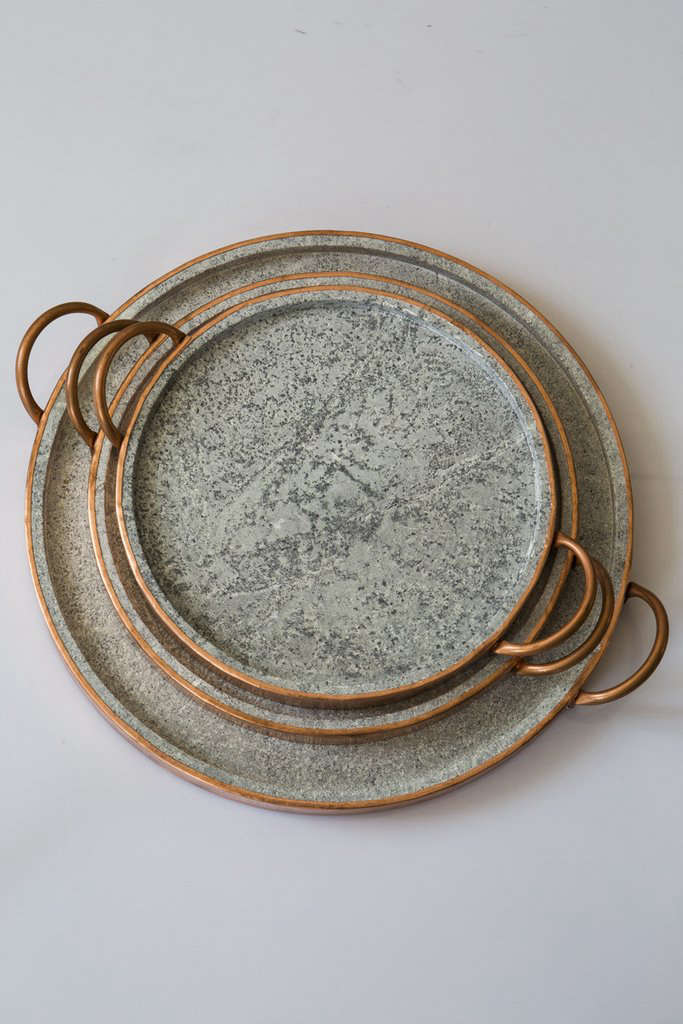
Instead of placing food directly on metal grates, a soapstone grill uses a thick slab or pan made from soapstone as the cooking surface. The stone heats gradually, holds temperature beautifully, and creates a smooth, naturally nonstick surface for searing meat, seafood, vegetables, and even fruit. Think of it as a rustic plancha with South American confidence and a little geological swagger.
For home cooks, grill collectors, and anyone who believes dinner should come with a little theater, the Brazilian soapstone grill offers a unique way to cook. It is practical, beautiful, and surprisingly versatile. It can turn picanha into a juicy centerpiece, give chicken a golden crust, and make vegetables taste like they finally hired a publicist.
What Is a Brazillian Soapstone Grill?
A Brazillian Soapstone Grill is a grill setup that uses soapstone as the main cooking surface. The stone may be shaped as a removable slab, a handled griddle, a tabletop grill insert, or a built-in stone plate placed above charcoal, gas, or another heat source. In Brazilian-inspired cooking, it is often associated with churrasco-style meals: simple seasoning, high-quality ingredients, and slow social eating that lasts longer than most family group chats.
Soapstone is a natural metamorphic rock known for its smooth texture and strong heat-retention properties. It is dense, nonporous, and resistant to many acids and stains. These qualities make it popular for countertops, fireplaces, cookware, and grilling stones. When used properly, it can handle high heat and distribute that heat across its surface more evenly than many thin metal grill pans.
Why soapstone works for grilling
The magic is in the thermal behavior. Soapstone takes time to heat, but once hot, it holds that heat like a loyal friend guarding the last slice of cake. This makes it excellent for searing, keeping food warm, and cooking delicate ingredients that might stick or fall through ordinary grill grates.
Because food rests on the stone instead of directly over open gaps, small items like shrimp, sliced onions, mushrooms, asparagus, and cheese can cook without making a dramatic escape into the flames. The surface also reduces direct flare-ups because dripping fat is less likely to fall immediately onto the fire. You still need to manage grease, but your eyebrows may feel safer.
Brazilian Barbecue Meets Soapstone Cooking
Brazilian barbecue, or churrasco, is famous for bold cuts of meat, open-fire cooking, skewers, coarse salt, and a relaxed serving style. In many Brazilian-inspired meals, the star is picanha, the top sirloin cap with a generous fat cap. Other favorites include fraldinha, linguiça sausage, chicken thighs, pork ribs, queijo coalho, grilled pineapple, and hearty side dishes like farofa, rice, beans, and vinaigrette salsa.
A Brazilian soapstone grill does not replace traditional churrasco; it gives it a different personality. Instead of flame-kissed grill marks from metal grates, soapstone creates a broad, even sear. The meat browns across the surface, juices stay close, and the fat renders slowly enough to add flavor without turning the grill into a smoke alarm audition.
The picanha example
To cook picanha on a soapstone grill, slice the meat into thick steaks or crescent-shaped pieces. Season generously with coarse salt and let the meat sit briefly while the stone preheats. Place the fat side down first so the fat renders and lightly coats the surface. Then sear each side until the crust develops and the internal temperature reaches your preferred doneness, while following safe cooking guidelines.
The result is rich, beefy, and dramatic in the best way. The fat cap becomes crisp and savory, while the stone’s steady heat helps prevent the meat from scorching in one spot and undercooking in another. It is not magic, but it does feel like the grill is finally paying attention.
Benefits of Using a Brazilian Soapstone Grill
1. Excellent heat retention
Soapstone is loved because it stores heat extremely well. Once it reaches cooking temperature, it stays hot for a long time. This is helpful when grilling multiple batches of food or serving directly from the stone at the table. A hot soapstone slab can keep steak, vegetables, or skewers warm without sending everyone sprinting back to the kitchen.
2. Even cooking surface
Thin pans can develop hot spots. Soapstone is slower and calmer. It spreads heat more evenly, which helps prevent the “burned on the outside, emotionally confused on the inside” problem. For thicker cuts of meat, steady heat can create better browning while giving the center time to cook properly.
3. Naturally smooth cooking
Many soapstone grilling surfaces become easier to cook on after proper seasoning and repeated use. While it is not the same as synthetic nonstick cookware, the dense surface can release foods well when preheated correctly. Fish fillets, chicken pieces, and vegetables often perform better on a stone than on dry metal grates.
4. Great for delicate foods
A soapstone grill is perfect for foods that normally cause backyard heartbreak: shrimp, scallops, sliced zucchini, mushrooms, onions, peppers, tomatoes, and halloumi-style grilling cheese. These ingredients stay on the surface, cook evenly, and avoid the tragic fate of falling between grill bars.
5. Beautiful presentation
Soapstone looks elegant. Its gray, charcoal, or greenish tones fit rustic outdoor kitchens, modern patios, and indoor serving setups. Bring a hot soapstone grill pan to the table, and suddenly dinner feels like a chef’s tasting menueven if your playlist is just “songs to flip steak by.”
Possible Drawbacks to Know Before Buying
A Brazilian soapstone grill is wonderful, but it is not a gadget for impatient cooks who treat every appliance like a race car. Soapstone rewards patience and punishes shock. Heat it too quickly, drop it, or pour cold liquid onto a very hot stone, and you may shorten its life.
It heats slowly
If you want instant heat, soapstone may test your character. It needs gradual preheating, especially when new. Start low, increase heat slowly, and give the stone time to warm evenly. This is not wasted time; it is flavor preparation wearing a geological costume.
It is heavy
Soapstone is dense. A thick grill slab can be surprisingly heavy, so check the weight before buying. Make sure your grill, table, or countertop can support it safely. Also, use strong heat-resistant gloves when moving it. Oven mitts with holes in them are not gloves; they are tiny betrayal blankets.
It can scratch or chip
Soapstone is softer than granite or steel. Metal tools can scratch it, and sharp impacts can chip edges. Scratches are often cosmetic, and many users enjoy the patina that develops over time. Still, wood or silicone utensils are a friendlier choice.
How to Use a Brazilian Soapstone Grill
Step 1: Choose food-grade soapstone
Only use soapstone products designed for cooking. Decorative stone, countertop remnants, or mystery slabs from the garage should not be used for food unless the supplier confirms they are safe and suitable for heat. A real cooking stone should be made for grilling, oven use, or direct heat according to the manufacturer’s instructions.
Step 2: Season the stone if required
Some soapstone cookware benefits from seasoning with oil before first use. The process varies by product. Some manufacturers recommend washing, drying, oiling, and gently heating the stone several times. Others sell stones that are ready to use after cleaning. Always follow the specific instructions that come with your grill.
Step 3: Preheat gradually
Place the stone on the grill while the grill is still cool or only slightly warm. Increase heat slowly. For charcoal, let the coals settle before placing food on the stone. For gas, begin at low heat, then move to medium or medium-high. Sudden temperature changes are the enemy of stone cookware.
Step 4: Cook with patience
Once hot, the stone sears beautifully. Add food in a single layer and avoid overcrowding. Leave space between pieces so moisture can evaporate. If you pile food too high, you will steam it instead of searing it, and the grill will quietly judge you.
Step 5: Clean gently
Let the stone cool naturally before cleaning. Do not dunk a hot stone in cold water. Wipe away grease, use warm water and mild soap if the manufacturer allows it, and avoid harsh chemicals. For stuck bits, a soft scraper or gentle brush usually works well. Dry the stone thoroughly before storing.
Best Foods to Cook on a Brazilian Soapstone Grill
The beauty of soapstone grilling is flexibility. It can handle a full Brazilian-inspired feast or a quiet weeknight dinner that does not require you to explain what farofa is to your neighbors.
Meats
- Picanha: The classic Brazilian steak cut with a fat cap that renders beautifully.
- Fraldinha: Flank or skirt-style cuts that love quick, hot searing.
- Linguiça: Brazilian-style sausage that browns well on the stone.
- Chicken thighs: Juicy, forgiving, and excellent with garlic, lime, and herbs.
- Pork tenderloin: Lean, quick-cooking, and flavorful with a citrus marinade.
Seafood
Shrimp, scallops, salmon, cod, and whole small fish can work beautifully on soapstone. Because the surface is solid, fish is less likely to fall apart than it would on grill grates. Use oil lightly, preheat properly, and turn seafood only when it releases naturally.
Vegetables and fruits
Bell peppers, onions, zucchini, eggplant, mushrooms, corn slices, tomatoes, and asparagus all shine on soapstone. Pineapple is especially good. Sprinkle it with cinnamon or brush it lightly with honey and lime. The stone caramelizes the fruit without burning it too aggressively.
Cheese
Queijo coalho is a Brazilian grilling cheese often served on skewers. If you cannot find it, halloumi is a useful substitute. On soapstone, grilling cheese gets golden edges and a soft center without disappearing through the grates like a dairy ghost.
Food Safety Tips for Soapstone Grilling
Great grilling should be delicious and safe. Use a food thermometer, especially for poultry, ground meat, and thick cuts. Color is not enough. A steak can look cooked and still need more time; chicken can appear golden while hiding an undercooked center like it is guarding state secrets.
| Food | Safe Internal Temperature |
|---|---|
| Whole cuts of beef, pork, lamb, or veal | 145°F with a 3-minute rest |
| Ground beef or pork | 160°F |
| Chicken and other poultry | 165°F |
| Fish | 145°F or until opaque and flaky |
Keep raw and cooked foods separate. Use clean plates and utensils after food is cooked. Do not reuse marinade that touched raw meat unless it has been boiled safely. Keep perishable foods chilled until cooking time, and avoid leaving cooked food out too long, especially during hot weather.
Flavor Ideas for a Brazilian Soapstone Grill
Classic picanha with coarse salt
Sometimes simple is best. Cut picanha into thick steaks, season with coarse salt, and sear on the hot soapstone. Let the meat rest, then slice against the grain. Serve with farofa, rice, beans, and vinaigrette salsa.
Garlic-lime chicken thighs
Marinate chicken thighs with lime juice, garlic, olive oil, salt, black pepper, and a little paprika. Cook on the soapstone until browned and safely cooked through. The stone helps create a crisp surface while keeping the meat juicy.
Grilled pineapple with cinnamon
Slice pineapple into spears or rounds. Grill on the soapstone until caramelized, then sprinkle with cinnamon. It is simple, sweet, and dangerously easy to eat while pretending it counts as a salad.
Buying Tips: What to Look For
When shopping for a Brazilian soapstone grill, look for a product clearly labeled for cooking or grilling. Check thickness, weight, handle design, heat-source compatibility, and cleaning instructions. A thicker stone usually retains heat better, but it also weighs more and takes longer to preheat.
If you plan to use it outdoors, make sure it fits your grill. Measure your cooking area before buying. Leave room for airflow and safe handling. If you want to serve at the table, choose a model with a stable base or heat-safe tray. A hot stone on an unprotected table is not rustic charm; it is an insurance claim warming up.
Maintenance and Long-Term Care
Soapstone gets better with care. Over time, it may darken and develop a natural patina. This is normal and often part of its appeal. Light oiling can enhance the color, but avoid using random oils that become sticky or rancid. Food-grade mineral oil is commonly used for soapstone surfaces, though cooking stones should always be maintained according to the maker’s directions.
Store the stone in a dry place. Avoid stacking heavy items on top of it. If it has handles or copper trim, clean those parts gently. If the stone develops small scratches, they may blend into the surface over time. Deeper damage should be handled carefully, and cracked stones should not be used over direct heat.
Is a Brazilian Soapstone Grill Worth It?
A Brazilian soapstone grill is worth it for cooks who enjoy slow, social, flavor-focused grilling. It is not the fastest tool, but it is one of the most satisfying. It encourages better preparation, calmer cooking, and more intentional meals. Instead of chasing flames, you work with stored heat.
It is especially useful if you like steak, seafood, vegetables, and tabletop presentation. It also appeals to people who want a natural cooking surface without synthetic coatings. However, it may not be ideal if you need lightweight gear, instant heat, or dishwasher-level convenience.
Conclusion
The Brazillian Soapstone Grill, or Brazilian soapstone grill, is more than a trendy cooking stone. It is a practical, beautiful, and flavorful way to bring Brazilian-inspired barbecue into the home. With excellent heat retention, an even cooking surface, and a natural charm that looks great from grill to table, soapstone can make everyday meals feel special.
The key is patience. Preheat slowly, cook thoughtfully, clean gently, and respect the material. Do that, and your soapstone grill can reward you with juicy picanha, golden chicken, caramelized pineapple, tender seafood, and vegetables that finally get applause. It may not shout like a roaring flame, but it cooks with quiet confidenceand sometimes quiet confidence makes the best steak.
Personal Experience: Cooking With a Brazillian Soapstone Grill
The first time using a Brazillian Soapstone Grill feels different from firing up a normal backyard grill. With metal grates, the routine is fast: light the grill, wait for heat, toss on the meat, and hope the grill marks look impressive enough for a photo. Soapstone asks for a slower rhythm. You place the stone on the grill, let it warm gradually, and begin to understand that this is not a “rush dinner before the game starts” tool. It is more like inviting dinner to sit down, relax, and tell a good story.
One of the best experiences comes from cooking picanha. The fat cap begins to soften as soon as it touches the hot stone, and soon the surface is lightly coated with beef fat. That is when the real aroma starts. The smell is rich, savory, and slightly smoky, especially if charcoal is involved. Unlike open grates, where fat drips into the fire and creates flare-ups, the soapstone keeps more of the flavor close to the meat. You still get sizzle, but it feels controlled, almost polished.
Chicken thighs are another pleasant surprise. On ordinary grill grates, chicken skin can stick, tear, or burn before the inside is done. On a well-heated soapstone surface, the skin browns more evenly. The trick is not to move the chicken too soon. At first, it may seem attached to the stone, but after a few minutes, it releases more easily. That moment teaches a useful grilling lesson: food usually knows when it is ready to turn. People are the impatient ones.
Vegetables may be the most underrated part of the experience. Sliced onions become sweet and soft. Mushrooms brown instead of drying out. Zucchini gets golden edges without slipping into the fire. Bell peppers blister gently and hold their shape. Even people who claim they are “only here for the meat” tend to steal vegetables from the corner of the stone when they think nobody is watching.
Serving directly from the stone is also memorable. Because soapstone holds heat so well, food stays warm longer at the table. This changes the mood of the meal. Instead of everyone rushing to grab food before it cools, the table becomes more relaxed. Guests can take a piece of steak, add a spoonful of farofa, try grilled pineapple, go back for sausage, and keep talking. The grill becomes part of the gathering, not just the tool that cooked the food.
There are practical lessons, too. Never skip gradual preheating. Never pour cold water on a hot stone. Never assume “heavy” means “indestructible.” Soapstone is strong against heat but still deserves careful handling. Use sturdy gloves, protect your table, and give the stone time to cool naturally. Once that routine becomes familiar, the grill feels less intimidating and more dependable.
The best way to describe the Brazillian Soapstone Grill experience is simple: it makes grilling feel slower, warmer, and more connected. It is not only about getting food cooked. It is about watching ingredients transform, hearing the steady sizzle, and serving a meal that feels handcrafted. For anyone who loves Brazilian barbecue, natural materials, and cooking with a little ceremony, soapstone brings a special kind of joy to the grill.