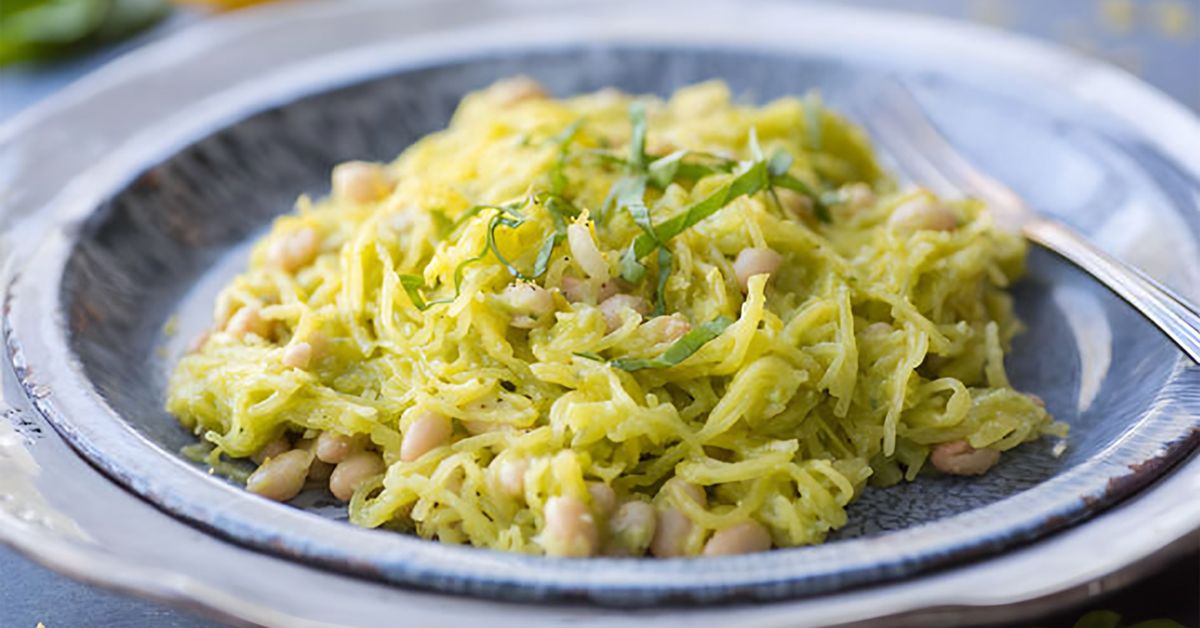
There are nights when you want a creamy ppants already feels like a major achievement. Creamy lemon-basil spaghetti squash with shrimp was made for the second kind of evening. It delivers tender strands, juicy shrimp, fresh herbs, Parmesan, garlic, and a silky citrus sauce without requiring a mountain of pots or an advanced degree in Italian cooking.
Spaghetti squash plays the role of pasta surprisingly well, but it brings its own personality to the table. Its strands are slightly sweet, pleasantly tender, and sturdy enough to carry a creamy sauce. Add quick-cooking shrimp and a generous amount of lemon and basil, and the result feels bright and comforting at the same time.
This recipe is also wonderfully flexible. It can be a weeknight dinner, a lower-carbohydrate alternative to traditional shrimp pasta, or an impressive meal for guests who do not need to know how little effort it required.
Why This Creamy Spaghetti Squash Recipe Works
A successful spaghetti squash dinner depends on balance. The squash is mild and slightly sweet, shrimp is delicate, cream is rich, lemon is sharp, and basil is highly aromatic. Used in the right proportions, these ingredients support one another instead of competing for attention like relatives arguing over the thermostat.
Roasting creates better squash strands
Roasting spaghetti squash concentrates its flavor and helps prevent the strands from becoming excessively watery. A medium squash generally becomes tender in a 400°F oven in roughly 35 to 50 minutes, depending on its size and ripeness. The goal is to cook it until a fork can separate the flesh into strands while the strands still retain a little structure. hrimp provides fast, flavorful protein
Shrimp cooks in only a few minutes, making it ideal for a quick dinner. Searing it separately gives the surface light browning while allowing you to remove it before it overcooks. Properly cooked shrimp should be firm, pearly, and opaque rather than translucent. emon keeps the cream sauce lively
A creamy sauce can become heavy without enough acidity. Lemon zest adds fragrant citrus oils, while lemon juice cuts through the richness. Similar combinations of lemon, shrimp, garlic, Parmesan, and herbs appear in classic shrimp pasta and scampi-style recipes because the flavors naturally complement one another. resh basil ties everything together
Basil brings a sweet, peppery freshness that bridges the gap between the earthy squash and bright lemon. Adding most of the basil near the end preserves its aroma and color. Cooking it for too long can make its delicate flavor disappear faster than leftovers in an office refrigerator.
Ingredients for Creamy Lemon-Basil Spaghetti Squash with Shrimp
This recipe makes approximately four servings.
For the spaghetti squash
- 1 medium spaghetti squash, about 2 1/2 to 3 pounds
- 1 tablespoon extra-virgin olive oil
- 1/2 teaspoon kosher salt
- 1/4 teaspoon freshly ground black pepper
For the shrimp
- 1 pound large shrimp, peeled and deveined
- 1 tablespoon extra-virgin olive oil
- 1/2 teaspoon kosher salt
- 1/4 teaspoon freshly ground black pepper
- 1/4 teaspoon crushed red pepper flakes, optional
For the creamy lemon-basil sauce
- 1 tablespoon unsalted butter
- 1 small shallot, finely chopped
- 3 garlic cloves, minced
- 3/4 cup heavy cream
- 1/2 cup finely grated Parmesan cheese, plus more for serving
- 1 teaspoon finely grated lemon zest
- 2 tablespoons fresh lemon juice, divided
- 1/3 cup loosely packed fresh basil leaves, sliced
- 2 tablespoons chopped fresh parsley, optional
- Salt and black pepper to taste
Note: For a slightly lighter sauce, replace up to half of the heavy cream with half-and-half. Avoid using only low-fat milk, which may produce a thin sauce and is more likely to separate when combined with lemon juice.
How to Make Creamy Lemon-Basil Spaghetti Squash with Shrimp
Step 1: Prepare the squash
Preheat the oven to 400°F. Line a rimmed baking sheet with parchment paper or foil.
Place the squash on a stable cutting board. Using a sharp chef’s knife, carefully cut it in half lengthwise. If the squash is difficult to cut, pierce the skin several times and microwave it for three to four minutes. This slightly softens the exterior without cooking the inside completely.
Scoop out the seeds and stringy center with a spoon. Brush the cut surfaces with one tablespoon of olive oil, then season them with salt and pepper.
Step 2: Roast until just tender
Place the squash halves cut-side down on the prepared baking sheet. Roast for 35 to 45 minutes. Begin checking at 35 minutes, especially if the squash is on the smaller side.
The squash is ready when the skin gives slightly under pressure and a fork can easily separate the flesh into strands. Do not roast it until it collapses. Overcooked spaghetti squash can become soft and watery, which makes a creamy sauce less creamy and more like an awkward vegetable soup.
Let the roasted squash cool for five minutes. Use a fork to scrape the flesh into long strands. Transfer them to a bowl and set them aside. If liquid collects at the bottom, drain it before adding the squash to the sauce.
Step 3: Season the shrimp
While the squash roasts, pat the shrimp thoroughly dry with paper towels. Dry shrimp sears more effectively than wet shrimp, which tends to steam in the skillet.
Season the shrimp with salt, black pepper, and crushed red pepper flakes. The red pepper is optional, but a small amount gives the finished dish gentle warmth without turning dinner into a competitive endurance event.
Step 4: Sear the shrimp
Heat one tablespoon of olive oil in a large skillet over medium-high heat. Add the shrimp in a single layer. Cook for one to two minutes on the first side, then turn and cook for approximately one minute more.
Remove the shrimp as soon as they are opaque and lightly curled. They do not need to form tight circles. Shrimp cooks rapidly and can move from tender to rubbery within moments, so it is better to remove it slightly early and let it finish warming in the sauce later. tep 5: Build the creamy garlic sauce
Reduce the heat to medium. Add the butter to the same skillet. Once melted, add the chopped shallot and cook for two to three minutes, stirring frequently, until softened.
Add the garlic and cook for about 30 seconds. Garlic should become fragrant but not dark brown. Burned garlic has a special talent for making an entire meal taste as though it was prepared beside a campfire.
Pour in the cream and scrape the bottom of the skillet to release the flavorful browned bits left by the shrimp. Bring the cream to a gentle simmer. Cook for two to three minutes, stirring occasionally, until it begins to thicken.
Step 6: Add Parmesan and lemon
Turn the heat to low. Gradually sprinkle in the Parmesan while stirring continuously. Adding the cheese slowly helps it melt smoothly rather than gathering into stubborn little clumps.
Stir in the lemon zest and one tablespoon of lemon juice. Taste the sauce before adding the remaining tablespoon. Lemons vary in acidity, so gradual seasoning provides more control. This approach is also useful in creamy lemon pasta sauces, where acidity should brighten the dish without overpowering the cheese and cream. tep 7: Combine everything
Add the spaghetti squash strands to the skillet and gently toss them with the sauce. Cook for two to three minutes, just until heated through.
Return the shrimp to the pan. Add most of the basil and the parsley, reserving a small amount for garnish. Toss gently for approximately one minute. If the sauce seems too thick, stir in one or two tablespoons of water. If it seems thin, let it simmer briefly before returning the shrimp.
Taste and adjust with additional salt, black pepper, lemon juice, or Parmesan. Serve immediately with the reserved basil and extra cheese scattered over the top.
Tips for the Best Texture and Flavor
Choose a firm spaghetti squash
Look for a squash with hard, evenly colored skin and no soft, wet, or deeply damaged areas. It should feel heavy for its size. A good spaghetti squash has a mild flavor that works especially well with garlic, herbs, seafood, cheese, and citrus. o not overcook the squash
The squash will continue to soften when tossed in the warm cream sauce. Roast it only until the strands separate easily. Slightly firm strands produce a much better final texture than strands cooked into submission.
Remove excess moisture
Spaghetti squash naturally contains water. After scraping out the strands, let them sit in a colander for a few minutes if they appear wet. This small step prevents the sauce from becoming diluted.
Use freshly grated Parmesan
Pre-shredded cheese is convenient, but it often contains ingredients that reduce clumping in the package and can interfere with smooth melting. Finely grated Parmesan blends more evenly into the warm cream.
Add lemon juice over low heat
High heat and strong acidity can destabilize a dairy-based sauce. Lower the heat before adding the lemon juice and introduce it gradually. Lemon zest can go in first because it provides aroma without adding significant liquid or acidity.
Keep fresh basil fresh
Add basil during the final minute of cooking or immediately before serving. This protects its vivid flavor. Save a few small leaves for garnish because, occasionally, dinner deserves to look as good as it smells.
Easy Variations
Add more vegetables
Baby spinach, asparagus, peas, cherry tomatoes, or sliced mushrooms can all join the skillet. Cook firm vegetables before preparing the sauce, then add tender greens during the final few minutes.
Make it dairy-free
Use full-fat unsweetened coconut milk in place of heavy cream, omit the Parmesan, and add nutritional yeast or a dairy-free Parmesan alternative. Coconut milk creates a different flavor profile, but it pairs naturally with shrimp, citrus, and squash. Creamy coconut-based spaghetti squash and shrimp combinations are already popular for precisely that reason. urn up the heat
Increase the red pepper flakes, add a minced Fresno chile, or finish the dish with chile oil. Keep the heat moderate enough that the lemon and basil remain noticeable.
Use another protein
Scallops, salmon, chicken breast, or white beans can replace the shrimp. Cooking times will change, so prepare the protein separately and return it to the sauce near the end.
Add a crisp topping
Toast panko breadcrumbs in olive oil with garlic and lemon zest. Sprinkle them over each serving for contrast. The combination of creamy sauce, tender squash, and crisp crumbs makes the dish feel more complete and slightly restaurant-like.
Serving Suggestions
Creamy lemon-basil spaghetti squash with shrimp is substantial enough to serve alone, but a simple side can round out the meal. Try it with a peppery arugula salad, roasted broccoli, steamed green beans, or warm garlic bread.
For entertaining, serve the finished mixture inside the roasted squash shells. Place each shell on a plate, fill it generously, and garnish with basil, lemon wedges, and Parmesan. It looks impressive even though the squash has done most of the dishwashing for you.
A dry white wine, sparkling water with lemon, or iced tea pairs well with the creamy citrus flavors. Avoid extremely sweet drinks, which can compete with the brightness of the sauce.
Storage and Reheating
Store leftovers in an airtight container in the refrigerator. For the best quality, eat them within three days. Cooked spaghetti squash itself can generally be refrigerated for several days, but seafood dishes should be handled more conservatively. eat the dish gently in a covered skillet over low heat. Add a splash of cream, milk, or water to loosen the sauce. Microwave reheating also works, but use short intervals and stir between each one. Aggressive reheating may overcook the shrimp.
Freezing the complete dish is not recommended. Spaghetti squash can release additional water after thawing, while cream sauces may separate. For meal preparation, roast and refrigerate the squash separately, then cook the shrimp and sauce shortly before serving.
My Experience Making Creamy Lemon-Basil Spaghetti Squash with Shrimp
The first time I made a creamy spaghetti squash dish, I approached the squash as though it were regular pasta. I roasted it until extremely soft, scraped it directly into the skillet, and poured sauce over the top. The result tasted acceptable, but the texture resembled creamy lemon porridge with occasional shrimp sightings. It was edible, but nobody was requesting the recipe.
The biggest improvement came from roasting the squash for less time. Spaghetti squash should separate into strands without turning mushy. Now I begin checking it well before I think it will be done. If the shell yields slightly and the flesh pulls apart with a fork, I take it out. The strands finish softening when they meet the warm sauce.
I also learned to drain the squash. Even properly roasted spaghetti squash may release moisture after it is scraped from the shell. Letting the strands rest in a colander for five minutes made the sauce noticeably richer. It also eliminated the frustrating moment when a beautiful cream sauce suddenly became thin after the squash entered the pan.
The shrimp required a different lesson: stop cooking sooner than feels natural. Large shrimp need very little time in a hot skillet. My early versions left them in the pan while I made the sauce, which transformed them into tiny seafood tires. Searing them first and transferring them to a plate solved the problem. They return only during the final minute, when they can warm without becoming tough.
Fresh lemon also made a dramatic difference. Bottled lemon juice technically adds acidity, but it lacks the fragrance of fresh zest. Zesting the lemon directly over the skillet releases aromatic oils that make the whole dish smell brighter. I add the juice gradually because some lemons are polite while others arrive ready to dominate the conversation.
Another useful discovery involved the Parmesan. Dumping a large handful into simmering cream often produced clumps. Lowering the heat and adding finely grated cheese a little at a time created a smoother sauce. The same principle applies to the lemon juice: once the cream and cheese have blended, I keep the heat low and stir in the citrus slowly.
Basil should be treated as a finishing ingredient rather than a cooking ingredient. In one test, I added it with the garlic. By serving time, its flavor had almost vanished and its color had become dull. Adding it during the final minute preserves the fresh herbal aroma that makes the recipe special.
I have also experimented with spinach, asparagus, peas, and cherry tomatoes. Spinach is the easiest addition because it wilts directly into the sauce. Roasted cherry tomatoes provide sweetness and color, while asparagus makes the meal feel especially appropriate for spring. However, adding too many vegetables can distract from the lemon-basil combination. One additional vegetable is usually enough.
For guests, I like serving the mixture in the empty squash shells. The presentation looks deliberate and festive, although it mostly involves not throwing away the container nature already provided. A topping of toasted breadcrumbs adds crunch and makes the meal feel more indulgent.
The most important lesson is that spaghetti squash does not need to imitate traditional pasta perfectly. Its slight sweetness and tender texture are part of the appeal. Once I stopped judging it by how closely it resembled spaghetti and started treating it as a vegetable with its own strengths, the dish became far more enjoyable. Creamy sauce, lemon, basil, garlic, and shrimp do not hide the squash; they give it excellent company.
Final Thoughts
Creamy lemon-basil spaghetti squash with shrimp proves that comfort food does not have to feel heavy. Roasted squash creates tender golden strands, shrimp contributes satisfying protein, and the sauce brings together cream, Parmesan, garlic, lemon, and fresh herbs.
The recipe is simple enough for a busy weeknight yet attractive enough for a relaxed dinner with friends. Roast the squash only until tender, drain excess moisture, cook the shrimp briefly, and add the lemon and basil near the end. Follow those principles, and you will have a silky, bright dinner that tastes far more complicated than it actually is.