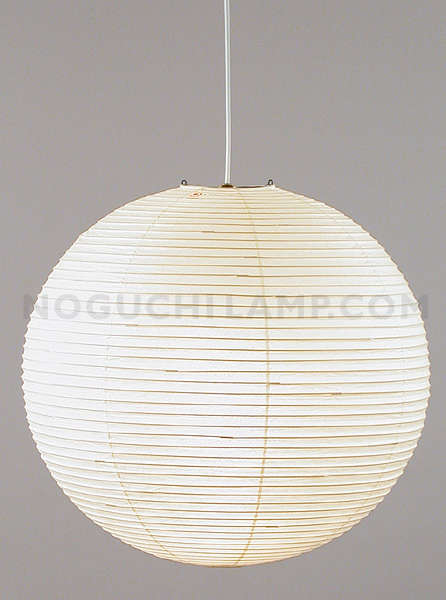
The Noguchi Ceiling Lamp – 30A is the kind of lighting piece that quietly walks into a room and somehow makes every chair, table, plant, and half-forgotten coffee mug look more intentional. Officially part of Isamu Noguchi’s celebrated Akari Light Sculptures, the 30A is not just a pendant lamp shade; it is a small lesson in how softness can be powerful. It is made from handmade washi paper, bamboo ribbing, and a metal frame, giving it that unmistakable floating-lantern look that has been loved by designers, collectors, and people who simply want their ceiling to stop looking bored.
At roughly 11 inches wide and 11 inches high, the Akari 30A is compact, but it does not feel timid. Its rounded form diffuses light with a gentle glow, making it especially appealing for bedrooms, dining corners, reading nooks, hallways, and small apartments where harsh lighting can make the space feel like a dentist’s waiting room. The magic of the Noguchi Ceiling Lamp 30A is that it feels artistic without trying too hard. No drama. No glitter. No “look at me, I am expensive” energy. Just paper, bamboo, light, and excellent taste.
What Is the Noguchi Ceiling Lamp – 30A?
The Noguchi Ceiling Lamp – 30A is a ceiling-hung Akari light shade designed within the larger Akari series by Japanese American sculptor and designer Isamu Noguchi. The word “Akari” means light in Japanese, and the meaning works on two levels: light as illumination and light as physical lightness. That double meaning is exactly what makes the 30A so charming. It illuminates a room, but it also looks almost weightless, like a small moon that politely agreed to move indoors.
The 30A model is typically described as a pendant or ceiling lamp shade. Its shape is simple, rounded, and slightly sculptural, with thin bamboo ribs giving the washi paper its structure. The result is a fixture that softens the bulb inside rather than showing it off. Instead of throwing sharp light downward, the shade spreads a warm, diffused glow across the room. This makes the Akari 30A especially useful in interiors where atmosphere matters as much as brightness.
The Design Story Behind Akari
Isamu Noguchi began creating Akari light sculptures in the early 1950s after encountering the traditional lantern-making craft of Gifu, Japan. Gifu had long been known for paper lanterns and parasols, and Noguchi saw in that craft something modern design often forgets: ordinary materials can become extraordinary when proportion, texture, and light are handled with intelligence.
Noguchi was never interested in separating art from daily life. His career included sculpture, furniture, gardens, public spaces, stage sets, and lighting. With Akari, he brought sculpture into the home in a way that felt useful, affordable compared with fine art, and emotionally warm. The Noguchi Ceiling Lamp 30A continues that idea beautifully. It is an object you live with, not just something you admire from a safe museum distance while whispering, “Do not touch.”
Materials: Why Washi Paper and Bamboo Matter
Washi Paper
The shade is made from washi paper, traditionally derived from mulberry fibers. Washi is prized because it is lightweight, textured, and translucent. In a lamp, those qualities matter enormously. The paper does not merely hide the bulb; it transforms the quality of light. The glow becomes softer, warmer, and more flattering. In other words, your living room gets a filter before your phone camera does.
Bamboo Ribbing
The bamboo ribbing gives the 30A its structure and visual rhythm. The ribs are not just functional lines; they become part of the lamp’s personality. When the lamp is on, the ribs appear gently through the washi paper, creating a subtle pattern that feels handmade and organic. This detail is one reason the Akari 30A works in both minimalist and eclectic interiors.
Metal Frame
The metal frame supports the shade and helps preserve its shape. Because the materials are delicate, the frame matters more than it may appear at first glance. The combination of paper, bamboo, and metal makes the lamp feel both fragile and clever. It is not fragile in a useless way; it is fragile in the way a good ceramic bowl or linen shirt is fragile. You respect it, and it rewards you by looking better than plastic ever could.
Why the 30A Size Is So Practical
One of the best things about the Noguchi Ceiling Lamp – 30A is its scale. Larger Akari ceiling lamps can make a room feel dramatic, while the 30A feels more intimate and flexible. It is small enough for apartments, modest bedrooms, breakfast corners, and low-key workspaces, but it still carries the design legacy of the Akari series.
In a small dining area, the 30A can hang above a round café table and create a cozy focal point. In a bedroom, it can replace a generic ceiling fixture with something warmer and more sculptural. In an entryway, it offers a welcoming first impression without overwhelming the space. For renters, the 30A is especially appealing because it can upgrade a room visually without requiring a full renovation. Sometimes the most powerful design move is not knocking down a wall; it is replacing the sad ceiling light that has been silently judging everyone since 1998.
Best Rooms for the Noguchi Ceiling Lamp 30A
Bedroom
The bedroom is one of the strongest places to use the Akari 30A. Its soft diffusion helps create a calm environment, especially when paired with a warm LED bulb. The lamp does not shout. It does not glare. It simply glows, which is exactly what you want when you are trying to convince your brain that scrolling for “just five more minutes” is not a legally binding activity.
Dining Nook
Over a small dining table, the Noguchi Ceiling Lamp 30A brings intimacy without heaviness. It works particularly well with natural wood, simple ceramics, woven chairs, and linen textiles. The round shape softens the geometry of tables and cabinets, helping the space feel less rigid.
Hallway or Entry
In a hallway or entry, the 30A can act as a quiet design signal. It says, “Yes, someone thought about this space,” without demanding applause. Because the shade is compact, it can fit where larger pendants might feel awkward.
Home Office
For a home office, the Akari 30A can provide ambient light while a desk lamp handles task lighting. This combination is ideal because paper pendant lights are not meant to blast a workspace with surgical brightness. Their strength is atmosphere, and atmosphere matters when your inbox is trying to steal your soul.
How to Style the Noguchi Ceiling Lamp – 30A
The Akari 30A is wonderfully versatile because it does not belong to only one design style. In a midcentury modern room, it pairs naturally with walnut furniture, low sofas, and classic lounge chairs. In a Japandi space, it feels completely at home beside pale woods, neutral walls, and simple textiles. In a contemporary apartment, it adds softness to clean lines and hard surfaces.
For a balanced look, place the lamp near natural materials. Wood, stone, cotton, linen, rattan, wool, and handmade ceramics all complement the washi paper texture. Avoid crowding it with overly flashy fixtures nearby. The 30A is not jealous, but it does appreciate a little breathing room.
Color-wise, the lamp works best with warm whites, creams, beiges, taupes, soft grays, black accents, and natural wood tones. It can also look beautiful in colorful interiors because its shade acts like a visual pause. If your room has bold art, patterned rugs, or saturated walls, the Akari 30A can calm the composition without making it boring.
Lighting Quality: Soft, Warm, and Human
The main reason people fall in love with the Noguchi Ceiling Lamp 30A is the quality of light. Paper shades are masters of diffusion. They reduce glare, soften contrast, and create a glow that feels closer to candlelight or late afternoon sun than to a bare bulb. This is why Akari lights are often described as sculptural rather than merely functional.
For the best effect, use a warm LED bulb rather than a cool white bulb. A bulb in the warm white range will usually make the washi paper feel inviting and natural. Cool bulbs can make the shade look flatter and more clinical. The lamp deserves better than “office break room at 9:07 a.m.” lighting.
Because the 30A is relatively small, it is best used as ambient or accent lighting rather than the only light source in a large room. In a small room, it can be the main fixture if supported by lamps or wall sconces. In a bigger space, it works beautifully as one layer in a lighting plan.
Installation Tips to Consider
The Noguchi Ceiling Lamp – 30A is often sold as a shade, so buyers should pay close attention to whether a cord kit, socket, canopy, or bulb is included. Product listings can vary by retailer. Before purchasing, check exactly what comes in the box. Nobody wants to open a beautiful paper shade and then realize the ceiling still has no way to participate.
If you are hardwiring the lamp, a licensed electrician is the safest choice. If you are using a plug-in pendant kit, make sure the socket, cord, and bulb are compatible with the shade and appropriate for your home’s electrical standards. The shade should hang with enough clearance so people do not bump into it. This is especially important in hallways, near doors, or above beds where dramatic wake-up collisions are not part of the design plan.
Care and Maintenance
Because the Akari 30A is made of washi paper, it should be treated gently. Keep it away from moisture, outdoor exposure, and strong heat sources. Do not scrub it with wet cloths or spray cleaners. For regular dusting, use a soft microfiber cloth, a dry paintbrush, or another gentle dry tool. If there is a small mark, a lightly adhesive cleaning tape, art gum eraser, or similar delicate method may help, but always test carefully and avoid aggressive rubbing.
Also consider placement. A paper lamp is not ideal above a steamy shower, directly beside a stove, or in a room where indoor soccer mysteriously happens after dinner. The 30A is durable enough for normal use, but it is still a handmade paper object. Treat it like a design piece, not a dodgeball target.
Authenticity and Buying Advice
Because Noguchi Akari lamps are famous, they are widely imitated. Some buyers knowingly choose inspired paper lanterns, while others want an authentic Akari piece. If authenticity matters to you, buy from reputable sellers, check product descriptions carefully, and look for proper markings or documentation when available. Authentic Akari pieces are valued not only for their appearance but also for their connection to Noguchi’s design legacy and the traditional production methods behind them.
Price can vary depending on availability, retailer, condition, and whether the item is new, vintage, or bundled with electrical components. Be cautious with listings that use vague wording such as “style,” “inspired by,” or “attributed to” when you are trying to buy an authentic Noguchi lamp. Those phrases may describe something attractive, but they do not always mean original.
Pros and Cons of the Noguchi Ceiling Lamp – 30A
Pros
The 30A offers timeless design, warm light diffusion, natural materials, and a compact size that suits many homes. It works across styles, from midcentury modern to Japandi to contemporary. It is also visually light, making it great for small rooms where heavy fixtures can feel oppressive.
Cons
The main drawback is delicacy. Washi paper needs careful handling and smart placement. The lamp may not provide enough light on its own for large rooms or detailed tasks. Buyers must also confirm whether electrical hardware is included, because the shade and wiring components may be sold separately depending on the source.
Experience Notes: Living With a Noguchi Ceiling Lamp – 30A
Living with a Noguchi Ceiling Lamp – 30A is less like owning a normal ceiling fixture and more like inviting a calm, tasteful little cloud to move into your home. The first thing most people notice is not the shape, although the shape is lovely. It is the shift in mood. Turn on a bare ceiling bulb and a room becomes visible. Turn on an Akari-style paper lamp and the room becomes livable. That difference may sound dramatic, but lighting people have been saying this forever, probably while standing under extremely flattering pendants.
In a bedroom, the 30A creates an immediate sense of softness. It is especially good in rooms with white bedding, light wood furniture, and simple curtains. The shade adds texture without adding clutter. During the day, it looks airy and sculptural. At night, it glows like a small paper moon. This is where the lamp earns its reputation: it does not need decoration around it to feel complete.
In a dining corner, the experience is slightly different. The lamp makes meals feel more intentional, even if dinner is takeout eaten from a plate because you are “being civilized tonight.” Its warm diffusion flatters food, faces, and the general human condition. A small table under the 30A can feel like a café corner, especially when paired with wood chairs, a linen runner, and one ceramic vase that looks casual but definitely took twenty minutes to position.
One practical lesson is that bulb choice matters. A cool bulb can make the lamp feel less special, while a warm bulb gives the washi paper depth. A dimmable setup is even better if compatible with your electrical hardware, because the 30A shines brightest emotionally when it is not shining brightest literally. Low, warm light is where it becomes magical.
Another experience-based tip: give the lamp visual space. Do not trap it between a ceiling fan, a busy gallery wall, and a giant plant trying to become a roommate. Let the 30A breathe. Its beauty comes from proportion and shadow, so a cleaner surrounding area helps it stand out.
The care routine is simple but requires gentleness. Dust it lightly and avoid touching it with damp hands. If you have children, pets, or chaotic adults in the house, hang it where it is less likely to be poked, bumped, or used as evidence in an indoor “what happens if” experiment. The lamp is not fussy, exactly, but it has boundaries. Respect them, and it will keep making your space feel calmer, warmer, and more designed than the effort required.
Final Thoughts
The Noguchi Ceiling Lamp – 30A is a small fixture with a large design presence. Its handmade washi paper, bamboo ribbing, and sculptural form make it more than a simple pendant shade. It is an example of how thoughtful materials and restrained design can change the feeling of a room. For anyone looking to add warmth, softness, and a touch of modern design history to a space, the Akari 30A is a beautiful choice.
It is not the brightest lamp, the toughest lamp, or the flashiest lamp. That is exactly the point. The 30A succeeds because it understands atmosphere. It brings light into a room gently, with texture and calm. In a world full of overdesigned objects shouting for attention, the Noguchi Ceiling Lamp 30A whispersand somehow, everyone listens.