Note: This article is written for informational and storytelling purposes. Anyone who drinks heavily or worries about alcohol withdrawal should speak with a qualified medical professional before quitting suddenly, because withdrawal can be serious and sometimes dangerous.
The World Closed, and My Wine Glass Didn’t Open
I stopped drinking right before the world became one long group project nobody volunteered for. One minute, I was learning how to order sparkling water at dinner without performing a TED Talk about my “journey.” The next minute, the restaurants were closed, the dinner invitations disappeared, and my biggest social event was waving at a delivery driver through the window like a lonely Victorian ghost.
At first glance, quitting alcohol before a pandemic sounds like terrible timing. Sobriety usually needs structure, connection, routine, and a reason to put on pants. The pandemic was not exactly generous with any of those things. It replaced office schedules with kitchen-table chaos, gym classes with suspicious YouTube workouts, and social lives with video calls where someone always forgot to unmute.
But in a strange way, the timing also became a gift. I had stopped drinking before lockdown culture turned alcohol into a punchline, a coping tool, and a home-decor accessory. Suddenly, jokes about “quarantinis,” wine o’clock, and stress drinking were everywhere. For many people, alcohol became the unofficial mascot of uncertainty. For me, the absence of alcohol became the only quiet room in a very noisy house.
Why the Pandemic Made Drinking Feel So Normal
The COVID-19 pandemic disrupted nearly every protective habit people depend on. Work routines vanished. Childcare became a puzzle with missing pieces. People lost jobs, loved ones, sleep, privacy, and a sense of control. When stress has no clear finish line, the brain starts shopping for shortcuts. Alcohol is one of the easiest shortcuts to find.
Research during the pandemic showed that many Americans drank more frequently, especially during the early months of lockdown. Alcohol sales rose sharply, online alcohol purchasing became easier, and drinking at home lost many of the old boundaries that came with bars, restaurants, commutes, or public schedules. A glass at 6 p.m. became a glass at 4 p.m. became “does time even exist anymore?”
That does not mean everyone who drank during lockdown developed a problem. Many people had a drink, coped, and moved on. But for those who were already questioning their relationship with alcohol, the pandemic acted like a magnifying glass. It enlarged the small things: the nightly habit, the anxious craving, the private refill, the morning regret, the promise to “take a break next week.”
Stress Drinking Is Not a Personality Flaw
One of the most useful truths about sobriety during the pandemic is this: stress drinking is not proof that someone is weak. It is often a sign that the nervous system is overwhelmed and looking for relief. Alcohol can temporarily soften anxiety, but it can also disturb sleep, worsen mood swings, increase next-day anxiety, and create a loop where the “solution” quietly becomes part of the problem.
That loop became especially easy during isolation. There were fewer witnesses, fewer routines, and fewer reasons to stop after one drink. Nobody could smell your breath on Zoom. Sweatpants do not judge. The recycling bin, however, was keeping extremely detailed records.
The First Awkward Stage of Sobriety
When I stopped drinking, I expected the physical part to be the main event. I imagined better sleep, clearer skin, fewer headaches, and maybe the spiritual glow of someone who owns linen pants. Some of that did happen eventually. But the early stage was more awkward than glamorous.
The hardest part was not always craving alcohol. Sometimes it was meeting myself without the volume turned down. Alcohol had been a fast transition button: from work to relaxation, from anxiety to confidence, from boredom to buzz. Without it, I had to learn how to leave a bad mood without pouring something over ice.
Early sobriety can feel like being handed the remote control to your own brain and realizing half the buttons are sticky. You may feel restless at night, irritated for no obvious reason, or weirdly emotional about a cereal commercial. That does not mean sobriety is failing. It often means your body and mind are adjusting to life without a chemical shortcut.
New Routines Became the New Happy Hour
During the pandemic, routines were not cute lifestyle accessories. They were scaffolding. I needed small anchors: morning coffee without shame, a walk around the block, real meals, a bedtime that did not involve doomscrolling until my soul left the room. I learned that “self-care” did not always mean bubble baths. Sometimes it meant doing the dishes before they became a documentary about neglect.
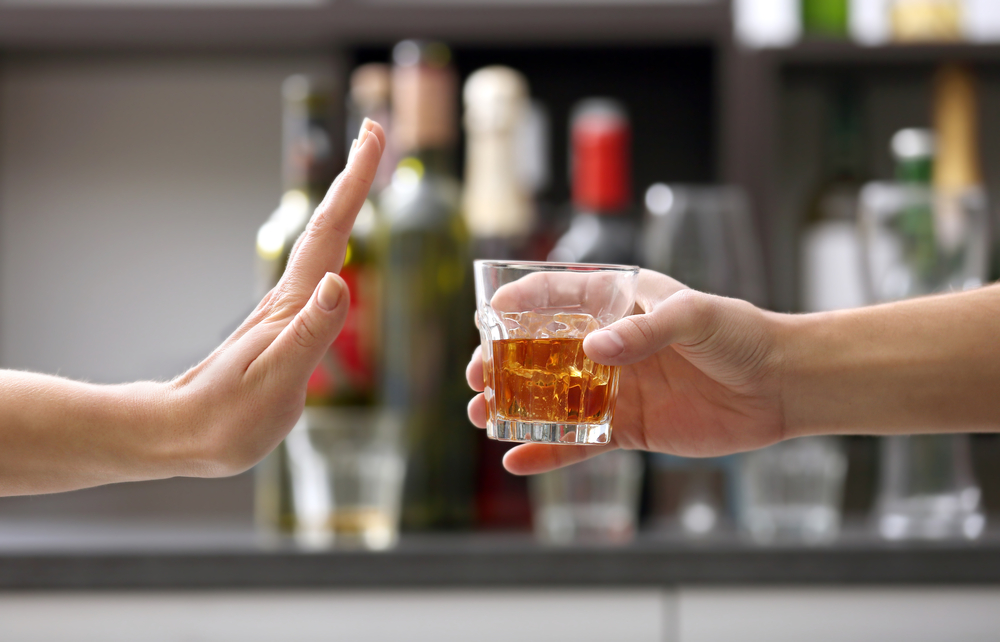
Replacing alcohol also required replacing the ritual around alcohol. I stocked flavored seltzer, made tea, tried nonalcoholic drinks, and used fancy glasses because apparently my brain enjoys being tricked by stemware. The point was not to pretend that tea was wine. The point was to keep the ceremony while removing the consequence.
What Sobriety Revealed During Lockdown
Once drinking was gone, some truths got louder. I noticed how often I had used alcohol to avoid boredom. I noticed how much social confidence I had outsourced to a drink. I noticed that my anxiety was not caused by sobriety; sobriety simply stopped covering it with a decorative blanket.
The pandemic made those discoveries both harder and clearer. Without parties, bars, weddings, conferences, or casual dinners, I could see which cravings were truly about alcohol and which were about escape. Sometimes I did not want a drink. I wanted a different life for twenty minutes. I wanted certainty. I wanted a vacation from my own thoughts. I wanted someone else to make dinner and also possibly every decision I had ever avoided.
That distinction mattered. If the craving was really loneliness, I could call someone. If it was anxiety, I could move my body or write down the fear. If it was boredom, I could do something intentionally boring and survive it like an adult with indoor plumbing and snacks.
Connection Had to Change, Not Disappear
One of the biggest challenges of staying sober during the pandemic was the loss of in-person support. Many people in recovery rely on meetings, therapy, sober friends, community groups, exercise classes, religious communities, or regular check-ins. When public health restrictions limited gatherings, people had to rebuild support online almost overnight.
Virtual meetings were imperfect, but they were also powerful. A laptop on the kitchen table became a lifeline. People joined recovery groups from bedrooms, cars, garages, and laundry rooms. Dogs barked. Kids interrupted. Someone’s microphone made a noise like a haunted blender. Still, people showed up. That mattered.
Sobriety thrives when it is not treated like a secret punishment. Whether through professional treatment, peer-support groups, therapy, trusted friends, or online communities, connection helps turn “I am not drinking” from a private battle into a supported choice.
The Social Pressure Got Weirdly Easier
Before the pandemic, explaining sobriety could feel like trying to return a product without a receipt. People wanted reasons. Was it forever? Was it health? Was it addiction? Was it a cleanse? Was I still fun? During lockdown, those questions faded. Nobody was buying rounds at a crowded bar. Nobody was pushing champagne at a wedding. The social performance of drinking went quiet.
That pause gave me time to build confidence. By the time social life returned, I had practiced saying no in private. I had learned what to order. I had learned that other people’s discomfort with my sobriety was not an emergency. I could let silence sit at the table without filling it with a nervous explanation.
The Health Benefits Were Real, but Not Magical
Quitting alcohol can improve sleep, mood, digestion, energy, blood pressure, liver health, and overall mental clarity for many people. But the benefits do not always arrive like a movie makeover montage. Sometimes sleep gets worse before it gets better. Sometimes emotions feel sharper. Sometimes you save money and immediately spend it on premium coffee, because the human brain loves a substitute hobby.
Still, the changes can be meaningful. Mornings become less dramatic. Weekends feel longer. Exercise becomes less punishing. Conversations are easier to remember. Anxiety may become more manageable once the body is not constantly recovering from alcohol’s effects. The biggest benefit, though, may be trust. You begin to trust yourself again.
That trust is quiet. It sounds like waking up without checking your phone for damage control. It feels like keeping a promise to yourself even when nobody applauds. It looks like pouring a drink that will not steal tomorrow from you.
How to Stay Alcohol-Free When Life Gets Loud
Stopping drinking during a crisis is not about becoming a flawless wellness statue. It is about building practical defenses for ordinary human moments. The goal is not to never feel stress. The goal is to stop handing stress the keys to the liquor cabinet.
1. Name the Trigger Before It Names You
Cravings often arrive with a costume. They may look like anger, boredom, loneliness, celebration, exhaustion, or “I deserve this.” Before reacting, pause and ask: What am I actually feeling? A craving loses some power when it is translated into plain English.
2. Keep Replacement Drinks Ready
Decision fatigue is real. If the only alcohol-free option in the house is tap water and resentment, sobriety gets harder. Stock options you genuinely like: sparkling water, iced tea, kombucha, mocktail ingredients, NA beer, or anything that feels festive without turning tomorrow into a crime scene.
3. Protect Sleep Like It Owes You Money
Poor sleep is a major relapse risk for many people. Create a simple wind-down routine. Charge the phone away from the bed. Keep the room cool. Avoid turning midnight into a personal news conference about everything wrong with the planet.
4. Tell the Truth to Safe People
You do not owe everyone your full story. But one or two honest people can make an enormous difference. A simple “I’m not drinking right now, and I could use support” can open the door to accountability without turning your life into a public service announcement.
5. Get Professional Help When Needed
If alcohol feels impossible to control, if withdrawal symptoms appear, or if drinking is connected to depression, anxiety, trauma, or family conflict, professional support matters. Doctors, therapists, addiction specialists, and evidence-based treatment programs exist for a reason. Needing help is not failure. It is logistics.
What I Learned From Not Drinking Through a Pandemic
I learned that sobriety is not just the absence of alcohol. It is the presence of awareness. It is noticing the moment before the automatic habit. It is realizing that discomfort is not a command. It is understanding that a feeling can be loud without being correct.
I also learned that joy survives sobriety. This was important, because part of me worried that quitting drinking would make life smaller. Instead, it made certain pleasures clearer. Food tasted better. Conversations had edges. Walks became less like chores and more like tiny field trips. Music hit differently. Even boredom became useful, because boredom is often where creativity hides when it is tired of being ignored.
Did sobriety make the pandemic easy? Absolutely not. I still worried. I still got restless. I still stared into the refrigerator like it might contain breaking news. But I did not have to fight the pandemic and a hangover at the same time. That was no small thing.
Experiences Related to “I Stopped Drinking and Then There Was a Pandemic”
The experience of stopping drinking right before a pandemic can feel like learning to swim just as the weather report announces a flood. Everything familiar changes at once. Your coping tool is gone, your routine is gone, your distractions are gone, and suddenly your home is not just a home. It is an office, gym, restaurant, movie theater, crisis bunker, and emotional storage unit.
In the beginning, the experience can be strangely private. Nobody sees the little victories: the first Friday night without wine, the first stressful email answered without a drink, the first grocery run where you walk past the alcohol aisle and pretend to be deeply fascinated by oatmeal. These moments do not look heroic from the outside. Inside, they can feel like lifting a sofa with your mind.
Then come the emotional surprises. Without alcohol, feelings stop arriving with soft edges. Irritation feels sharper. Sadness feels heavier. Happiness, when it comes, feels cleaner. You may realize that you used to drink not only when you felt bad, but also when you felt good, awkward, proud, tired, romantic, social, lonely, or mildly inconvenienced by Tuesday. Alcohol had become punctuation. Sobriety makes you rewrite the sentence.
The pandemic also created an unusual kind of sober training ground. Social pressure decreased, but emotional pressure increased. There were fewer parties to refuse, but more anxious nights to endure. There were fewer awkward bar conversations, but more time alone with old patterns. Staying sober meant learning to build a life inside limits. It meant celebrating tiny rituals: fresh sheets, morning walks, homemade soup, video calls, clean counters, books actually finished, plants somehow kept alive.
One of the most powerful experiences was discovering how many people were quietly questioning alcohol too. Some were sober curious. Some were cutting back. Some were scared by how fast casual drinking had turned into daily drinking. Some were in recovery and fighting hard to stay connected. The pandemic made alcohol more visible, but it also made the desire for alcohol-free living more visible. People started asking better questions: Why do I drink? What does it give me? What does it take? Who am I without it?
There is also grief in the experience. Sobriety can mean grieving the fantasy that alcohol was always fun, always harmless, always under control. The pandemic added another layer of grief: lost time, lost people, lost plans, lost versions of ourselves. But grief can coexist with relief. You can miss the ease of the old habit and still be grateful you left it behind.
Over time, the experience becomes less about resisting alcohol and more about building a life that does not require escape as often. You learn your danger zones. You learn your honest comforts. You learn that cravings pass, mornings matter, and peace is often less dramatic than chaos but much better company. Stopping drinking did not make the pandemic beautiful. It made it survivable with my self-respect intact. And some days, that felt like enough. Other days, it felt like everything.
Conclusion: Sobriety in a Crisis Is Still Sobriety
Stopping drinking before or during the pandemic was not a neat self-improvement challenge wrapped in inspirational music. It was messy, human, inconvenient, and sometimes boring enough to qualify as character development. But it also revealed something important: alcohol was not the only way to survive stress, loneliness, fear, or uncertainty.
For anyone who stopped drinking and then found themselves facing a global crisis, give yourself credit. You chose clarity during confusion. You chose honesty when escape was heavily marketed. You chose to meet your life without a buffer, even when life was acting like it had been written by an exhausted disaster novelist.
The pandemic changed the way many people saw alcohol. For some, it became a crutch. For others, it became a mirror. If it became a mirror for you, and you did not like what you saw, that does not make you broken. It makes you awake. And being awake is a pretty good place to begin again.