In New Orleans, dinner can be many things: a parade in a dining room, a love letter written in roux, or a perfectly legal reason to eat oysters before sunset. But Mosquito Supper Club is something rarer. It is a Cajun dinner experience tucked inside an old Uptown house, where strangers sit close enough to become temporary cousins and where the food tells a story that began far beyond the city, down the bayou in south Louisiana.
Chef and author Melissa Martin created Mosquito Supper Club to honor the cooking, labor, language, and landscape of Cajun Louisiana. The restaurant celebrates shrimpers, oyster fishermen, crabbers, farmers, and the home cooks who have kept these traditions alive without ever needing a spotlight. The setting is intimate, the pace is gentle, and the message is clear: this is not a meal designed to rush you back into traffic. This is a supper meant to slow you down.
For travelers searching for the best intimate dinner in New Orleans, Mosquito Supper Club offers a different kind of luxury. There are no velvet ropes, no theatrical towers of foam, and no menu trying to win a spelling bee with obscure ingredients. Instead, you may find seafood, vegetables, biscuits, gumbo, crab, rice, pickles, and wine arriving in a rhythm that feels less like restaurant service and more like being invited to someone’s family tableassuming that family table happens to be run by a James Beard Award-winning storyteller with excellent seafood connections.
What Is Mosquito Supper Club?
Mosquito Supper Club is a Cajun restaurant and supper club located at 3824 Dryades Street in New Orleans. Its signature experience is a communal, multi-course, family-style meal built around the flavors and traditions of coastal Louisiana. The restaurant describes its food as “Mama Cuisine,” a phrase that fits because the cooking is rooted in home, memory, and care rather than trend-chasing.
The restaurant’s name may raise eyebrows for first-time visitors. No, the mosquitoes are not on the menu. The name nods to the humid, marshy, deeply alive world of south Louisiana, where the air buzzes, the water feeds families, and supper is often the center of community life. In that sense, Mosquito Supper Club is not just a place to eat Cajun food in New Orleans. It is a carefully built bridge between the city and the bayou.
The Old-House Charm: Why the Setting Matters
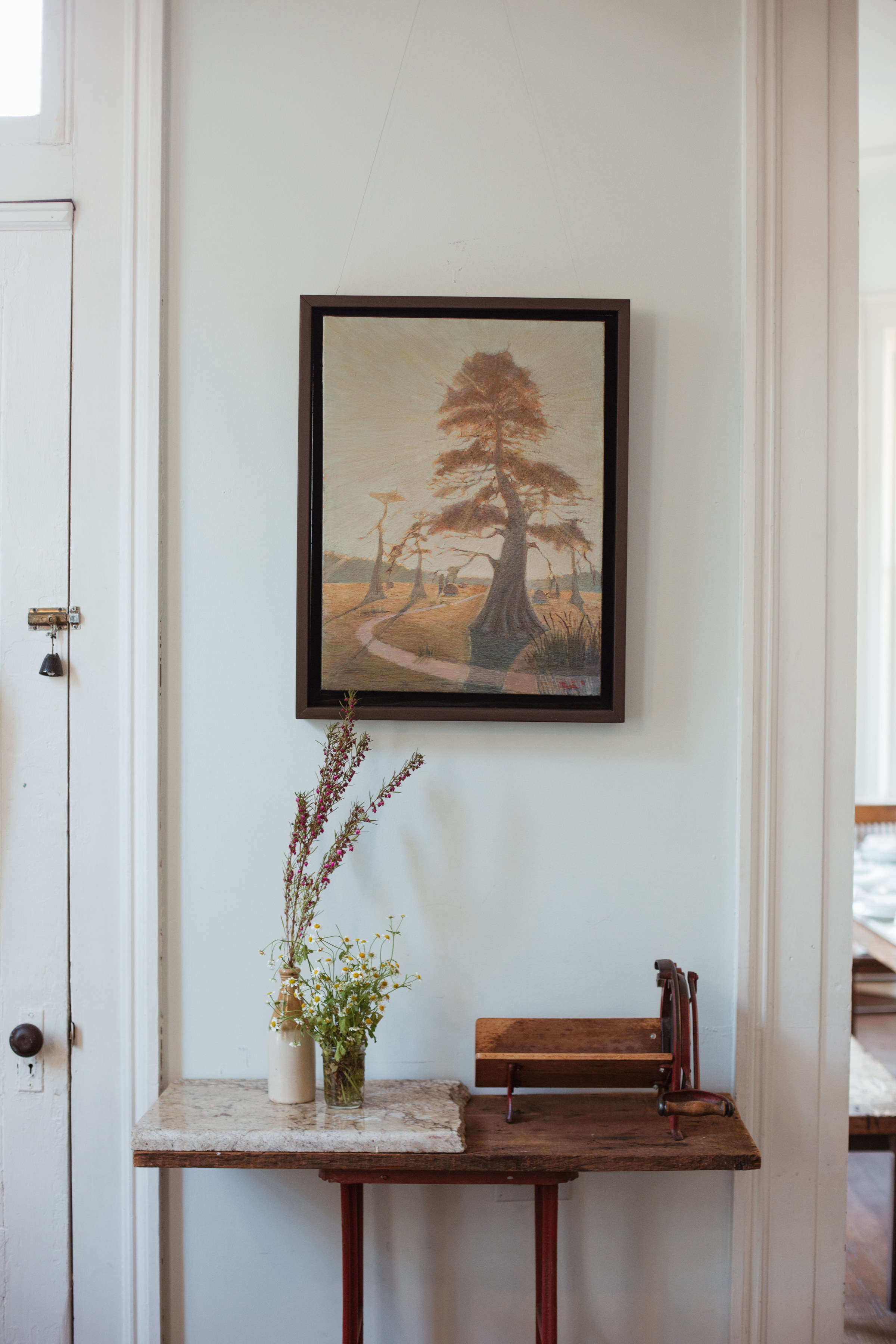
Part of the magic comes from the building itself. Mosquito Supper Club feels more like an old New Orleans home than a polished dining machine. That matters. Cajun cooking is not meant to be experienced at arm’s length. It belongs near wood, chatter, open bottles, shared platters, and the mild panic of realizing the person across from you may take the last biscuit if you do not act with confidence.
The room encourages conversation. Communal tables are a central part of the restaurant’s identity, and the format mirrors the way many families experience food in south Louisiana: together, loudly, generously, and with enough passing of bowls to qualify as light exercise. Guests may also find private-table options, but the communal supper remains the heart of the experience.
This old-house atmosphere also keeps the meal grounded. In a city filled with legendary restaurants, Mosquito Supper Club stands out by feeling personal. It is not trying to imitate the grand dining rooms of the French Quarter or the brass-band energy of Bourbon Street. It is quieter, warmer, and more reflective. It invites you to pay attentionto the seafood, to the room, to the people beside you, and to the disappearing coastline behind the cuisine.
Melissa Martin and the Story Behind the Supper
Melissa Martin grew up in Chauvin, Louisiana, a bayou community shaped by fishing, family, storms, and a fragile coastal landscape. Her work as a chef and author has brought national attention to Cajun home cooking, especially the kind passed down by women, grandparents, aunts, and neighbors. At Mosquito Supper Club, she does more than cook familiar dishes. She gives them context.
Her acclaimed cookbook, Mosquito Supper Club: Cajun Recipes from a Disappearing Bayou, helped introduce a wider audience to the foodways of south Louisiana. The book won major culinary recognition, including a James Beard Award for Best Book in U.S. Foodways and IACP honors, including Cookbook of the Year. That recognition matters because it confirms what Cajun families have known for generations: these recipes are not rustic side notes to American cuisine. They are central, complex, and worthy of preservation.
Martin’s cooking also challenges a common misunderstanding. Many visitors use “Cajun” and “Creole” as if they are interchangeable, like “soda” and “pop.” They are not. Cajun food has deep rural roots tied to Acadian, Indigenous, African, German, Spanish, and French influences, shaped by what the land and water provide. Creole cuisine is often more urban and historically connected to New Orleans’ port culture. Both are delicious. Both deserve respect. Mosquito Supper Club helps diners taste the difference without turning dinner into a lecture. Nobody wants a pop quiz between crab courses.
What the Menu Is Like
The menu at Mosquito Supper Club changes with the seasons and the availability of local seafood and produce. That is not a marketing trick; it is the logic of bayou cooking. Shrimp, crab, oysters, greens, okra, rice, beans, herbs, citrus, and peppers all have moments when they shine. The restaurant builds its supper around that natural rhythm.
A meal might include gumbo, marinated crab claws, fresh vegetables, biscuits, seafood stew, shrimp boulettes, oysters, or a bright seasonal salad. Food & Wine has highlighted the restaurant’s careful distinction between Cajun and Creole cooking, pointing to examples such as okra-based gumbo and deeply browned onion-driven jambalaya. Axios New Orleans has praised the gumbo, describing the restaurant as a destination for classic comfort served with seriousness and soul.
One important detail: this is a seafood-forward restaurant. Guests with shellfish allergies, seafood restrictions, vegan diets, vegetarian diets, or certain dairy allergies should review policies before booking. The restaurant is transparent about what it can and cannot accommodate. That honesty may not sound glamorous, but it is essential. A tiny, ingredient-driven kitchen cannot magically reinvent its entire menu at 7:00 p.m. because someone suddenly announces that oysters are “emotionally complicated.”
The Communal Table: Dinner With Friendly Strangers
The communal table is one of the most memorable parts of Mosquito Supper Club. For some diners, this is thrilling. For others, it may sound like being assigned a group project in high school. The good news is that the setting usually does the hard work for you. Food arrives, plates move, glasses clink, and conversation begins naturally.
Communal dining changes how guests experience the meal. Instead of focusing only on your plate, you become part of a shared rhythm. You pass a platter. Someone asks where you are from. Someone else recommends a bar for later. A quiet guest becomes animated after the second course. By dessert, the table has developed its own little weather system of jokes, stories, and satisfied silence.
This approach also reflects the roots of the cuisine. Cajun food was built for families, gatherings, church halls, fishing camps, and long tables. Serving it family-style is not a gimmick. It is the point. The food makes more sense when it is shared.
Why Mosquito Supper Club Belongs on a New Orleans Food Itinerary
New Orleans has no shortage of famous meals. You can eat oysters at old-line institutions, po’boys from neighborhood counters, beignets under a snowfall of powdered sugar, and tasting menus that sparkle with modern technique. Mosquito Supper Club belongs on that same itinerary because it offers something distinct: a deeply personal Cajun experience in a city more often associated with Creole icons.
It is especially appealing for travelers who want more than a checklist meal. If your goal is simply to eat “something famous,” there are easier reservations. But if you want to understand why south Louisiana food carries so much emotion, Mosquito Supper Club is worth planning around. It is not only about flavor; it is about erosion, memory, labor, migration, family, and the daily work of preserving culture while still making supper taste wonderful.
Reservations, Timing, and Practical Tips
Mosquito Supper Club has used a prepaid reservation model, with bookings released in advance through an online reservation platform. The restaurant has offered supper seatings, communal dining, private tables, and a bar with an à la carte menu, natural wines, cocktails, nonalcoholic drinks, and oysters. Because hours, prices, and formats can change, diners should always check current details before booking.
Plan ahead. Small restaurants with national attention do not behave like fast-food drive-throughs, and that is a good thing. Read the policies, confirm dietary needs before reserving, and arrive ready for the kind of evening that unfolds slowly. Dress comfortably. The restaurant’s attitude toward attire is refreshingly relaxed: come as you are. In New Orleans, that can mean anything from linen and loafers to “I walked twelve miles today and my shoes have opinions.”
Also, give yourself time before and after dinner. Mosquito Supper Club is located Uptown, so it pairs well with a relaxed afternoon exploring Magazine Street, the Garden District, or nearby neighborhood bars. After supper, you may not want a loud night out. You may want a quiet drink, a slow streetcar ride, or a respectful moment alone with the memory of whatever seafood dish just rearranged your standards.
What Makes the Experience Feel Different
The difference is restraint. Many restaurants try to impress diners by shouting. Mosquito Supper Club impresses by listeningto the seasons, to family history, to local producers, and to the needs of a small staff. Its philosophy includes sustainability not only in sourcing, but also in business structure: limited seatings, fair wages, health insurance, composting, recycling, and a slower operating rhythm.
That philosophy affects the guest experience. You are not entering a high-volume restaurant trying to flip tables until midnight. You are entering a small ecosystem. The price reflects more than ingredients; it reflects labor, scale, and a commitment to doing things in a way that can last. In a hospitality world often powered by burnout, that is quietly radical.
Best Dishes and Flavors to Watch For
Because the menu changes, it is better to think in categories than fixed dishes. Watch for Gulf seafood, especially crab, shrimp, and oysters. Pay attention to rice, which often plays a more important role than outsiders expect. Notice how acidity appears through pickles, peppers, citrus, or vinaigrettes. Listen for the deep flavor of browned onions, the earthy pull of okra, and the comfort of broths that taste like someone took their time because they did.
If gumbo appears, treat it with respect. Gumbo is not just soup with better public relations. It is a whole philosophy in a bowl: patience, technique, seasoning, memory, and debate. Every family has an opinion. Every pot has a personality. At Mosquito Supper Club, gumbo is part of a larger argument that Cajun cooking deserves the same careful attention given to any celebrated regional cuisine in America.
A 500-Word Experience: What It Feels Like to Eat at Mosquito Supper Club
Imagine arriving just as New Orleans is slipping into evening. The air is soft, the sidewalks hold the day’s warmth, and the old house glows with the kind of light that makes everyone look like they have made good life choices. You step inside and immediately understand that this will not be a stiff dinner. The room feels lived-in, not staged. There is wood, movement, conversation, and the gentle clatter of people preparing to feed you well.
The first few minutes may feel a little uncertain if you are seated communally. You glance at your tablemates and perform the ancient restaurant ritual of deciding who looks chatty, who looks shy, and who might know the most about wine. Then the food begins to arrive, and the awkwardness melts faster than butter on a hot biscuit. Passing a platter is a social shortcut. Asking, “Have you tried this yet?” is easier than making small talk about the weather, although in New Orleans the weather usually has enough drama for its own Netflix series.
Course by course, the meal becomes less about individual plates and more about atmosphere. A bowl lands on the table, fragrant and serious. Someone leans in. Someone else closes their eyes after the first bite, which is either a compliment to the chef or a sign they need a vacation. The food tastes connected to water: briny, earthy, bright, sometimes smoky, sometimes sharp. It does not taste like a theme-park version of Louisiana. It tastes specific.
One of the pleasures of the experience is how quickly you begin to notice small details. The texture of crab. The snap of a pickled pepper. The comfort of rice beneath sauce. The way a salad can be vivid enough to compete with seafood. The way a biscuit can become a tool, a sponge, and a minor emotional event. This is food that rewards attention without demanding that you analyze every bite like a graduate seminar.
By the middle of the meal, the table has usually changed. Strangers compare travel notes. Locals explain neighborhood shortcuts. Someone mentions their grandmother’s gumbo, and suddenly the conversation becomes personal because food in Louisiana almost always becomes personal. That is the quiet genius of Mosquito Supper Club: it uses dinner to create a temporary community, then feeds that community from a tradition built on real ones.
Leaving feels different from leaving a normal restaurant. You are full, yes, but also a little more aware of where the food came from and what it represents. The old house stays behind you, glowing on Dryades Street, while the story follows you out into the New Orleans night. You may forget the exact order of the courses. You will not forget the feeling of being welcomed, fed, and gently reminded that some of America’s most important food traditions began at home, around tables just like this.
Conclusion: A Supper Worth Slowing Down For
Mosquito Supper Club is one of New Orleans’ most meaningful dining experiences because it understands that intimacy can be more powerful than spectacle. In an old Uptown house, Melissa Martin and her team serve Cajun food with purpose, generosity, and a deep respect for the bayou communities that shaped it. The restaurant is romantic without being fussy, serious without being cold, and educational without ever making you feel trapped in a classroom with a fork.
For visitors, it offers a memorable alternative to the usual New Orleans dining itinerary. For locals, it is a reminder that the city’s food culture is connected to lands and waters beyond the parish line. And for anyone who believes dinner should come with a story, Mosquito Supper Club delivers one course at a time.