Editorial note: Let’s be honest: everyone has had that tiny, maddening nose itch at the worst possible momentduring class, in a meeting, on a date, in a rideshare, or while pretending to understand a complicated coffee menu. This article is not a celebration of digging for treasure. It is a practical, hygiene-first guide to handling nasal discomfort discreetly, respectfully, and safely.
Picking your nose may be common, but it is not exactly a public-relations win. It can irritate delicate nasal tissue, cause small scratches, spread germs, and sometimes lead to nosebleeds or infection. The smarter goal is not “How do I pick my nose like a spy?” but “How do I solve the problem without looking like I am mining for ancient fossils?”
Below are eight discreet, cleaner ways to deal with an itchy, crusty, or uncomfortable nose while keeping your dignity intact and your fingers out of trouble.
Why Nose Picking Happens in the First Place
Before we get into the “inconspicuous” part, it helps to understand the “why.” Your nose produces mucus to trap dust, allergens, germs, smoke particles, and other airborne irritants. When mucus dries, it can form crusts that feel uncomfortable. Dry indoor air, allergies, colds, dehydration, air conditioning, heaters, and frequent nose-blowing can all make the inside of your nose feel dry or blocked.
That uncomfortable feeling often triggers the urge to pick. The problem is that fingernails and fingertips can carry bacteria, and the inside of the nose is lined with sensitive tissue. A quick scratch can become irritation. Repeated picking can lead to bleeding, soreness, scabbing, and an even stronger urge to keep touching the area. In other words, the nose becomes a tiny drama queen: the more attention you give it, the louder it complains.
8 Ways to Pick Your Nose InconspicuouslyWithout Being Gross About It
1. Use a Tissue Like a Civilized Human
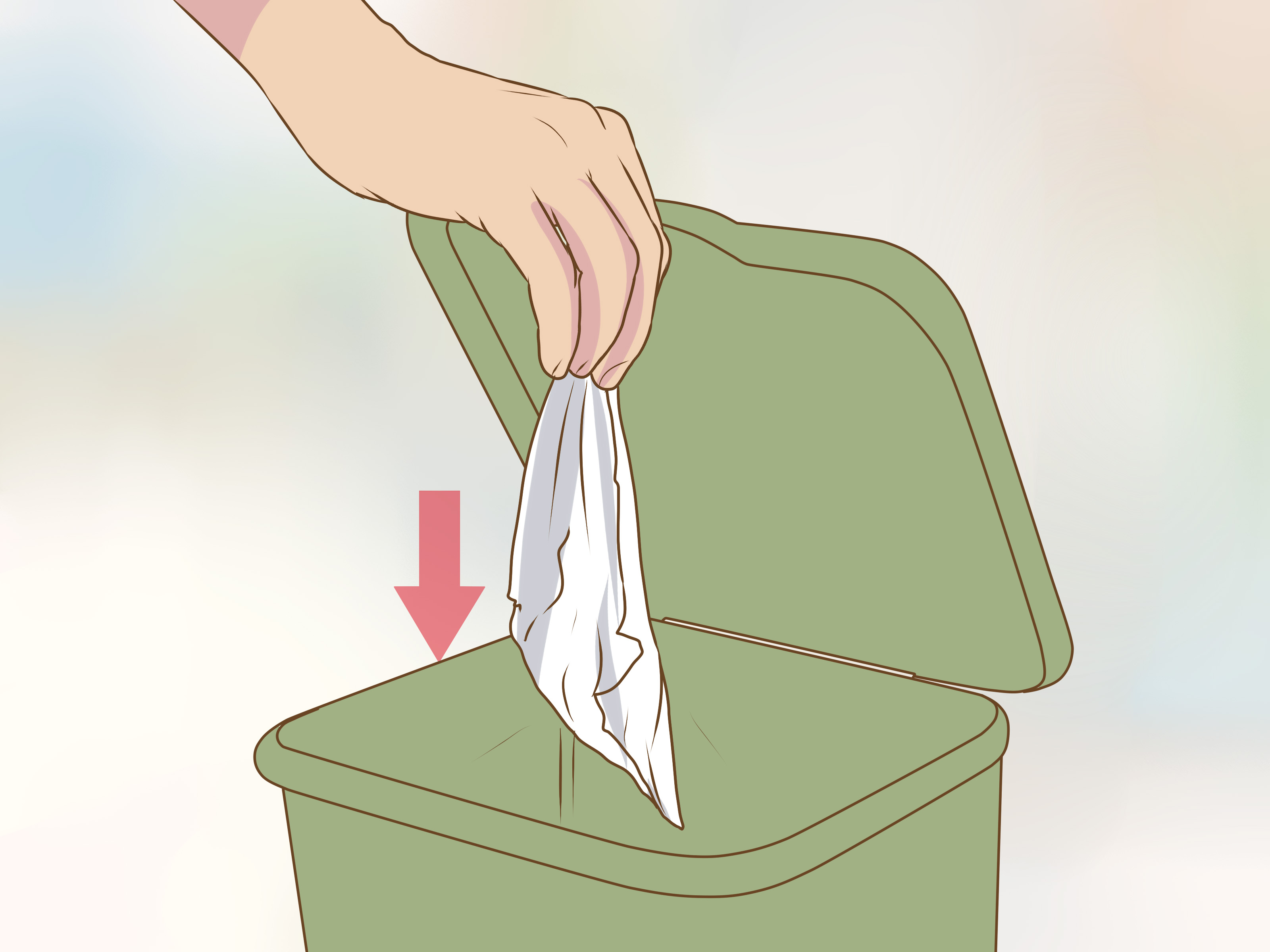
The most discreet and hygienic method is also the simplest: use a tissue. Fold it over your fingertip, gently press near the nostril, and remove the irritation without direct finger contact. This creates a barrier between your hand and your nose, which helps reduce germ transfer.
The trick is to make the motion look like a normal nose wipe rather than a full excavation project. Keep it brief. Do not twist, dig, or push deeply. If something does not come out easily, leave it alone and try moisture instead. A tissue is for gentle cleanup, not architectural remodeling.
Afterward, throw the tissue away immediately. Do not stuff it into your pocket like a mystery souvenir. Then wash your hands or use hand sanitizer when soap and water are not available.
2. Excuse Yourself to the Restroom
If your nose situation requires more than a quick tissue dab, the restroom is your best friend. It gives you privacy, a mirror, water, soap, and a trash canthe dream team of nasal problem-solving.
In a restroom, you can gently blow your nose, dampen a tissue, clean around the nostril, and wash your hands afterward. You can also check whether the issue is actually a visible crust, a loose hair, dry skin, or just an itch caused by irritation.
A good rule: if it takes longer than three seconds, do not do it in public. Step away. Nobody needs to watch your nose become a weekend project.
3. Master the “Nose Wipe” Disguise
Sometimes the problem appears suddenly and you cannot immediately leave. In that case, use a normal-looking nose wipe. Hold a tissue, napkin, or handkerchief over your nose as if you are wiping or checking for a sniffle. Keep your hand relaxed and your movement short.
The key is not to linger. Long, suspicious nose contact draws attention. A quick dab says, “Allergies.” A fifteen-second tunnel operation says, “Call National Geographic.”
This method works best when you are already carrying tissues. If you deal with allergies, dry air, or frequent sniffles, keeping a small pack of tissues in your bag, backpack, desk, or car can save you from awkward moments.
4. Turn Away Before You Touch Your Face
Body positioning matters. If you must handle your nose, turn slightly away from people. Look down, face a wall, step beside a doorway, or angle your body toward a private corner. The goal is not to act suspicious. The goal is to create a small bubble of privacy.
For example, if you are at your desk, turn toward your monitor and use a tissue. If you are in a car, face the window. If you are at a restaurant, excuse yourself rather than handling the issue at the table. Social grace often comes down to timing and location.
This technique is especially useful in crowded places where people are not staring at you directly but may notice sudden movements. A subtle turn makes the action feel like ordinary grooming rather than an emergency nasal rescue mission.
5. Wash or Sanitize Your Hands First
If you absolutely must touch your nose, clean your hands first. This is not glamorous advice, but neither is getting an irritated nostril because you touched your face after using a public door handle, phone screen, gym machine, or school desk.
Hands pick up germs from surfaces all day. Touching your nose with unwashed hands can move those germs to sensitive tissue. Washing with soap and water is best, especially after blowing your nose, coughing, sneezing, using the restroom, or touching shared surfaces. When soap is not available, hand sanitizer can help until you can wash properly.
Also, keep fingernails trimmed. Long or jagged nails can scratch the inside of the nose more easily. Your nostrils are not built for claw-based technology.
6. Use Moisture Instead of Force
If dried mucus is the problem, moisture is often safer than picking. A saline spray can help soften dry material and make blowing your nose easier. A humidifier may also help when indoor air is dry, especially during cold weather or in heavily air-conditioned rooms.
You can also drink enough water throughout the day. Hydration will not magically turn your nose into a luxury spa, but it can support healthier mucus and reduce dryness. If your nose often feels crusty, dry, or irritated, the cause may be environmental rather than a one-time annoyance.
Be gentle with nasal sprays and follow product directions. Avoid putting spray tips too far into the nostril, and do not share nasal products with other people. Sharing may be caring, but not when the item goes near your nose.
7. Blow Gently, Not Like a Trumpet Solo
Blowing your nose can help, but aggressive blowing can irritate nasal tissue and may contribute to nosebleeds. Use a tissue, press one nostril lightly, and blow gently through the other side. Repeat on the other side if needed.
Do not force it. If nothing moves, the mucus may be too dry or too far back. Try saline, steam from a warm shower, or a humid environment instead of pushing harder. Your nose is not a clogged sink. It does not need plumbing rage.
After blowing, throw the tissue away and clean your hands. This protects other people as well as you, especially during cold and flu season.
8. Know When the Habit Needs Attention
Occasional nose picking or discreet nose cleaning is common. But if you find yourself picking constantly, causing bleeding, creating scabs, or feeling unable to stop, it may be more than a casual habit. Some people pick because of dryness, allergies, anxiety, boredom, stress, or a body-focused repetitive behavior.
In that case, the best solution is not better stealth. It is better prevention. Treat dryness, manage allergies, keep tissues nearby, trim nails, moisturize the air, and notice when the urge appears. If the behavior causes pain, bleeding, infection, or emotional distress, consider talking with a healthcare professional.
There is no shame in asking for help. The nose may be small, but habits can be stubborn.
What Not to Do When Your Nose Bothers You
Do Not Pick With Dirty Hands
This is the big one. Dirty hands increase the chance of spreading germs. If you have touched shared surfaces, your phone, money, public railings, school equipment, or bathroom doors, your hands are not exactly ready for delicate nasal contact.
Do Not Dig Deeply
The inside of the nose contains delicate tissue and small blood vessels. Deep picking can cause scratches, pain, bleeding, and irritation. Stay near the entrance of the nostril if you are cleaning with a tissue, and stop if it hurts.
Do Not Reuse Tissues
A used tissue belongs in the trash. Reusing it spreads germs and feels unpleasant for everyone involved, including future you.
Do Not Pick at Scabs
If you have a scab inside your nose, picking at it can restart bleeding and delay healing. Keep the area moist with appropriate gentle care, avoid trauma, and seek medical advice if bleeding keeps happening.
How to Prevent the Urge to Pick Your Nose
The best way to pick your nose inconspicuously is to reduce the need in the first place. Prevention sounds boring, but so does explaining why your nose started bleeding during a group presentation.
Keep the Air Moist
Dry air can make nasal passages crusty and irritated. A clean humidifier can help add moisture to indoor air. Be sure to clean it regularly, because a dirty humidifier can create a new problem while pretending to solve the old one.
Try Saline Spray
Saline spray can help moisten dry nasal passages and loosen dried mucus. It is simple, widely available, and often useful for people who deal with dry environments, seasonal allergies, or frequent stuffiness.
Manage Allergies
Allergies can cause itching, sneezing, congestion, and extra mucus. If you often feel the urge to pick because your nose is itchy, allergies may be part of the issue. Reducing dust, washing bedding, checking pollen levels, and using allergy treatments as directed can help.
Carry a Pocket Tissue Pack
This tiny habit can prevent big awkwardness. Keep tissues in your backpack, purse, desk, locker, car, or jacket. A tissue pack is basically a social emergency kit for your face.
Stay Aware of Triggers
Notice when you pick most often. Is it when you are stressed? Studying? Watching TV? Sitting in dry air? After eating spicy food? During allergy season? Once you identify the pattern, you can solve the cause instead of constantly reacting to the symptom.
Social Etiquette: How to Handle Nose Issues Around Other People
Good manners are not about pretending humans do not have bodies. Everyone sneezes, sniffs, coughs, itches, and occasionally has a nasal emergency. Good manners are about handling those moments with respect for others.
If you are eating with people, step away. If you are in a classroom or office, use a tissue and sanitize afterward. If you are on public transportation, turn away and keep it brief. If you are talking face-to-face, wait until the conversation pauses or excuse yourself.
Most people will not judge a quick tissue wipe. They will judge a bare-finger excavation performed with the confidence of someone searching for buried treasure.
When to See a Doctor
Most nasal dryness and occasional discomfort are not serious. However, you should consider medical advice if you have frequent nosebleeds, pain, swelling, pus, sores that do not heal, repeated infections, severe crusting, or a strong urge to pick that feels hard to control.
You should also get help if nosebleeds are heavy, happen often, follow an injury, or do not stop with basic first-aid steps. Persistent symptoms may be related to allergies, infection, medication effects, dry air, or another condition that deserves proper care.
Experience Section: Real-Life Lessons From Awkward Nose Moments
Almost everyone has a story about a poorly timed nose itch. Maybe it happened during a job interview, while taking a school photo, in the middle of a serious conversation, or right when someone looked directly at you. The human nose has suspicious comedic timing. It never waits until you are alone with perfect lighting and a fresh box of tissues.
One useful lesson is that preparation beats panic. People who carry tissues rarely have to improvise. A small tissue pack can turn an awkward moment into a normal one. Instead of using a sleeve, finger, receipt, napkin from last week, or sheer willpower, you simply take out a tissue, turn slightly away, handle the problem, and move on with your life. No drama. No witnesses writing a memoir about it.
Another experience many people learn the hard way is that dry air makes everything worse. During winter, in airplanes, in air-conditioned offices, or in bedrooms with fans running all night, the nose can become dry and crusty. People may assume they have a “bad habit” when the real issue is their environment. Adding moisture through a humidifier, using saline spray, and drinking enough water can make the urge less frequent.
Stress is another sneaky trigger. Some people touch their face or nose when they feel nervous, bored, or focused. During exams, long work sessions, video games, or late-night scrolling, nose picking can become automatic. In that case, awareness helps. Keep hands busy with a pen, stress ball, notebook, or keyboard. Place tissues nearby. When the urge appears, pause and ask, “Is my nose actually uncomfortable, or am I just restless?” That tiny question can break the habit loop.
Social settings teach another important lesson: people notice confidence more than details. If you handle a nose issue calmly and hygienically, most people forget it instantly. A quick tissue wipe is normal. Excusing yourself is normal. Washing your hands is normal. What draws attention is secrecy mixed with obvious movement. Trying too hard to hide something often makes it more visible.
Parents, teachers, and caregivers often see this with kids and teens. Saying “stop picking your nose” over and over usually does not fix the problem. Better results come from practical tools: tissues, trimmed nails, saline for dryness, allergy care, and reminders to wash hands. The same is true for adults. Shame rarely solves a habit. Systems do.
There is also a comfort lesson here. If your nose regularly feels blocked, dry, itchy, or crusty, do not ignore it. The body is not trying to embarrass you for sport. It may be asking for moisture, allergy control, cleaner air, gentler blowing, or medical attention. Listening early can prevent irritation later.
The best personal strategy is simple: carry tissues, avoid bare fingers, clean your hands, moisturize when needed, and step away when the situation requires privacy. That approach keeps your nose comfortable, your manners intact, and your reputation safely outside the danger zone.
Conclusion
Picking your nose inconspicuously is really about handling nasal discomfort with hygiene, timing, and common sense. Use a tissue, turn away, wash your hands, avoid deep picking, and choose moisture over force. If dry air, allergies, or stress are causing the urge, address the root problem instead of relying on stealth.
Your nose does important work every day, filtering air and trapping irritants before they travel deeper into your respiratory system. Treat it gently. And when it demands attention at the worst possible time, remember: a tissue is your friend, the restroom is your backup plan, and bare-finger digging is never the classy option.