If your relationship with your microwave begins and ends with leftover pizza and the occasional panic-popcorn situation, it is time for a glow-up. Microwave steaming is one of the fastest ways to cook vegetables, warm delicate foods without drying them out, and get dinner on the table before your hunger turns you into a dramatic Victorian ghost.
The basic idea is beautifully simple: steam needs moisture, a little trapped heat, and just enough venting so your food cooks instead of exploding like a tiny edible volcano. When you do it right, microwave steaming is fast, convenient, and surprisingly good at keeping vegetables bright, tender, and full of flavor. It is also one of the easiest cooking methods for busy weeknights, tiny kitchens, dorm rooms, and anyone who does not feel like washing a mountain of cookware.
In this guide, you will learn three easy ways to steam food in the microwave, how to choose the best method for different foods, what mistakes to avoid, and how to get tender results without turning your broccoli into a sad green memory. We will also cover microwave steaming tips, food safety basics, and real-life lessons from everyday kitchen use.
Why Microwave Steaming Actually Works
Microwave steaming works because microwaves heat the water already inside food, while a small amount of added liquid creates extra steam around it. That combination cooks food quickly and gently. For vegetables especially, this can be a smart move because less water and shorter cook times often mean better texture and less nutrient loss than old-school boiling.
That is why microwave steaming vegetables is such a useful trick. You get crisp-tender carrots, bright green beans, and soft potatoes without babysitting a pot on the stove. Even delicate foods like fish can come out moist and flaky when they are cooked with a little liquid and a vented cover.
The catch is that microwaves are not famous for perfect evenness. They can create hot spots, cold spots, and the occasional lava pocket that teaches patience the hard way. The fix is simple: cut food into even pieces, use the right container, cover it properly, stir or rotate when needed, and let the food rest for a minute or two after cooking.
Method 1: Steam Food in a Bowl with Water and a Vented Lid
Best for
Broccoli, carrots, green beans, cauliflower, zucchini, spinach, frozen vegetables, sliced squash, and small pieces of fish.
Why this method works
This is the classic microwave steaming bowl method. You place food in a microwave-safe bowl, add a splash of water, and cover it with a lid, plate, or microwave-safe wrap that is vented slightly. The trapped steam does the heavy lifting while the microwave speeds everything up.
How to do it
Start with a microwave-safe glass or ceramic bowl. Add your food in an even layer if possible. Pour in a small amount of water. For most chopped vegetables, 1 to 3 tablespoons is enough. For denser produce like potatoes, sweet potatoes, or beets, you may need a little more. Cover the bowl loosely so steam can escape. Never seal it tightly like you are preparing it for launch.
Microwave on high, checking along the way. A few common examples:
Broccoli: about 6 to 8 minutes
Carrots: about 4 to 6 minutes
Green beans: about 3 to 5 minutes
Corn on the cob: about 6 to 7 minutes
Let the bowl sit for 1 to 2 minutes after cooking. That standing time matters more than people think. It helps finish cooking, smooth out cold spots, and gives steam a chance to settle down before you remove the cover. Open the lid away from your face unless you enjoy surprise sauna treatments.
Example
Want quick steamed broccoli in the microwave? Put florets in a bowl with 2 tablespoons of water, cover loosely, and cook until bright green and fork-tender. Drain if needed, then toss with olive oil, lemon juice, salt, and black pepper. Suddenly your emergency side dish looks like you had a plan all along.
Bonus use
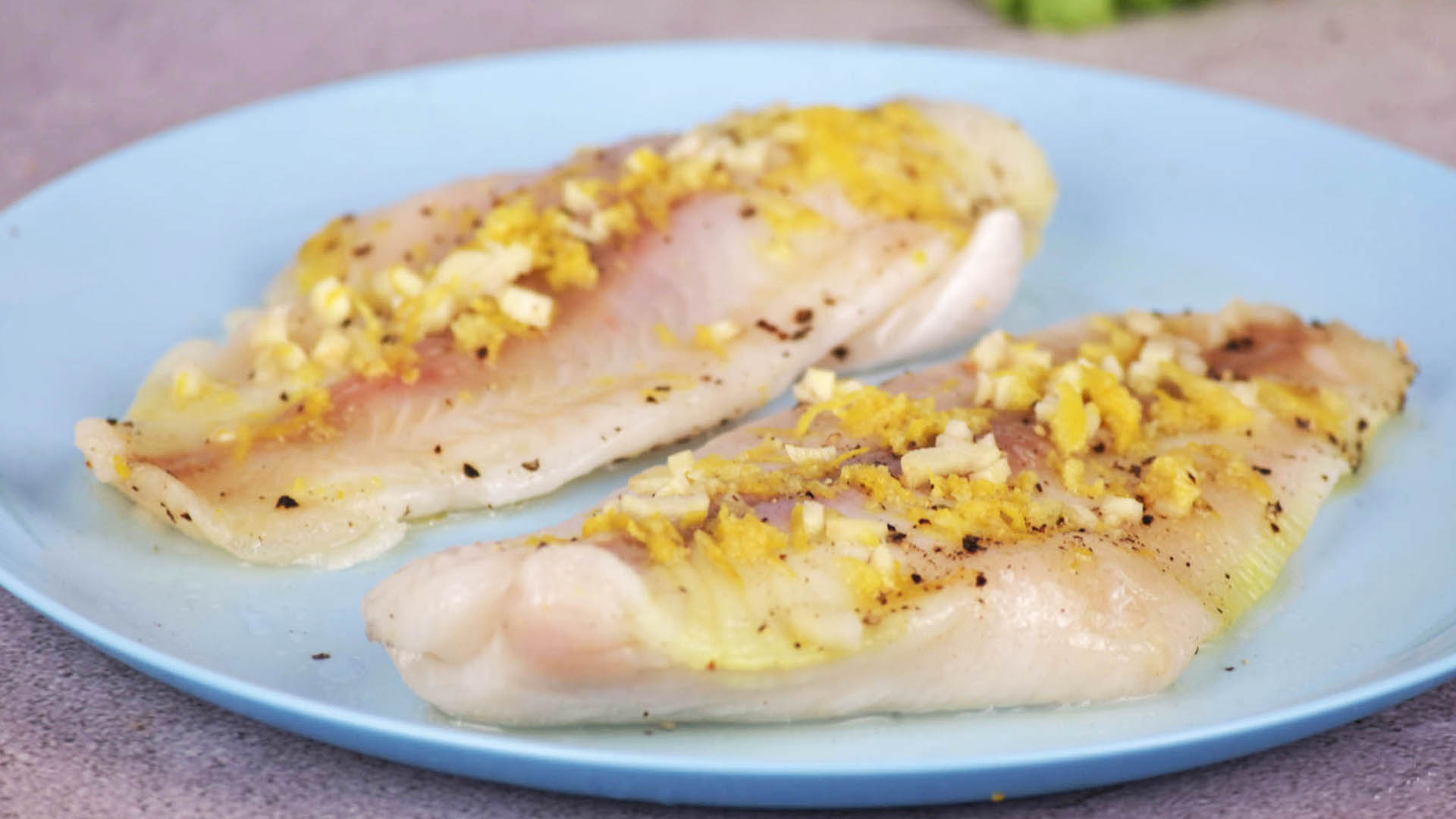
This method also works well for fish. Place a fillet in a shallow microwave-safe dish, add a couple tablespoons of water, broth, or citrus juice, cover with a vented lid, and cook in short bursts until opaque and flaky. It is fast, moist, and far less intimidating than many people expect.
Method 2: Steam Food with Damp Paper Towels
Best for
Asparagus, green beans, broccoli, sliced zucchini, snap peas, spinach, leafy greens, and small portions of vegetables that cook quickly.
Why this method works
If you do not want to fuss with bowls and lids, the damp paper towel microwave steaming trick is your best friend. The damp towel creates a small, humid environment right around the food. It is fast, easy, and especially handy for vegetables laid out in a single layer.
How to do it
Arrange the vegetables on a microwave-safe plate in a single layer. Wet a paper towel and wring it out so it is damp, not dripping like it just survived a rainstorm. Lay it over the vegetables. Microwave on high until the vegetables are just tender.
This method shines when you want speed and simplicity. It is especially good for asparagus spears, trimmed green beans, sliced summer squash, and spinach. Because the food is spread out, steam reaches it quickly and evenly. It is basically the microwave equivalent of saying, “Let us keep this efficient.”
Example
For asparagus, line up the spears on a plate, cover with a damp paper towel, and microwave until the stalks are tender but still vibrant. Finish with butter, flaky salt, and lemon zest. That is it. No pot. No steamer basket. No dramatic cleanup scene afterward.
When not to use it
This is not the best method for large, dense foods or anything that needs more moisture to cook through. A whole potato, a thick beet, or a fish fillet will usually do better in a covered dish with added liquid.
Method 3: Use a Microwave Steam Bag or Vented Steamer Shortcut
Best for
Frozen vegetables, mixed vegetables, dumplings that are already designed for microwave reheating, and busy nights when convenience wins the argument.
Why this method works
Some foods are made to be steamed right in the microwave, especially packaged frozen vegetables in steam bags. These bags are specifically designed for microwave use and are built to trap and release steam safely during cooking. If you are using a reusable microwave steamer, the same logic applies: moisture plus a vented design equals gentle steam cooking with minimal effort.
How to do it
Follow the package instructions or the steamer’s directions exactly. This is not the moment for creative interpretation. Steam-in-bag vegetables are already portioned and timed for microwave cooking, which makes them one of the easiest side dishes on the planet. Cut the bag open carefully after cooking because the escaping steam is hot enough to earn immediate respect.
Example
A bag of frozen mixed vegetables can go from freezer to table in minutes. After steaming, transfer the vegetables to a bowl and season them properly. This is a key move. A little butter, olive oil, garlic powder, parmesan, soy sauce, or lemon pepper can rescue steamed vegetables from tasting like a well-behaved obligation.
Why people love this method
Because it is fast, predictable, and requires almost no cleanup. It is also a good entry point if you are new to how to steam food in the microwave and want reliable results before improvising with fresh ingredients.
What Foods Steam Well in the Microwave?
The microwave is especially good at steaming foods with decent moisture content or foods cut into smaller pieces. Great candidates include broccoli, carrots, cauliflower, asparagus, zucchini, spinach, peas, green beans, corn, potatoes, sweet potatoes, and fish fillets. Frozen vegetables also do very well because they already contain moisture and are usually cut for quick, even cooking.
Foods that are less forgiving include thick cuts of meat, oversized root vegetables left whole, and anything packed too tightly in a deep container. Microwaves reward even sizing and punish overcrowding with the enthusiasm of a strict middle-school teacher.
Microwave Steaming Safety Rules You Should Not Ignore
First, use microwave-safe containers. Glass, ceramic, parchment paper, wax paper, and microwave-safe paper towels are generally good choices. Avoid aluminum foil, brown paper bags, cold-storage tubs like yogurt or margarine containers, and containers with metallic trim.
Second, always vent the cover. Steam needs a path to escape. A tightly sealed lid can build pressure, and that is a thrilling plot twist nobody asked for.
Third, stir or rotate food when needed, especially for reheating or larger portions. Microwaves can heat unevenly, so a quick stir halfway through can make a big difference.
Fourth, let food stand after cooking. For vegetables, 1 to 2 minutes is usually enough. For other foods, especially leftovers and proteins, a few minutes helps complete the cooking and reduces cold spots.
Finally, be careful with steam burns. The food may look calm and innocent. The steam under the lid is not. Open covers away from your face and hands.
Common Mistakes That Ruin Microwave-Steamed Food
Using too much water
If your vegetables are swimming, you are not steaming anymore. You are halfway to boiling, and you may end up with soggy results.
Overcooking by “just one more minute”
Microwave cooking moves quickly. It is smarter to cook in short bursts and check often than to overshoot and end up with broccoli that has the texture of a regrettable life choice.
Skipping the rest time
Standing time is not dead time. It is part of the cooking process. Skip it, and you may get uneven doneness.
Packing the bowl too full
Overcrowded food steams poorly. Use a larger bowl or cook in batches for better texture.
Using the wrong container
If the container is not meant for microwave use, do not gamble. Warped plastic and mystery smells are not signs of culinary innovation.
Quick Timing Guide for Popular Foods
These are general ranges and will vary by microwave wattage and portion size:
Broccoli florets: 4 to 8 minutes
Green beans: 3 to 5 minutes
Carrots, sliced: 4 to 6 minutes
Asparagus: 3 to 5 minutes
Spinach: 1 to 2 minutes
Corn on the cob: 6 to 7 minutes
Medium potato: about 10 minutes total, turning halfway
Fish fillet: 3 to 5 minutes, then check for doneness
Whenever possible, cut food into even pieces and check early. Microwaves vary a lot, and one person’s “perfectly tender” is another person’s “why is this green bean surrendering?”
Conclusion
Learning three easy ways to steam food in the microwave can make weeknight cooking dramatically simpler. The bowl-and-water method is the most versatile. The damp paper towel trick is the fastest for quick vegetables. The steam-bag or vented-steamer shortcut is the easiest when convenience is the priority.
The real secret is not fancy equipment. It is using a little moisture, the right cover, safe cookware, and enough patience to let the food rest before digging in. Once you get comfortable with those basics, the microwave stops being just a reheating machine and starts acting like the useful cooking tool it has quietly been all along.
And honestly, any appliance that can steam broccoli, soften green beans, cook potatoes, and turn a fish fillet tender in minutes deserves a little more respect. Maybe not a parade, but at least a wipe-down.
Real-Life Experiences with Microwave Steaming
In real kitchens, microwave steaming usually becomes popular for one very glamorous reason: people are hungry and do not want to wash extra dishes. That sounds funny, but it is exactly why this method sticks. The first time someone steams broccoli in a bowl with a splash of water and realizes it tastes fresh, bright, and not like cafeteria punishment, the microwave gets promoted from “leftover warmer” to “actual dinner helper.”
A common experience is starting with skepticism. People assume steamed food in the microwave will be rubbery, uneven, or somehow suspicious. Then they try green beans with a damp paper towel, or carrots in a covered bowl, and suddenly the texture is surprisingly good. Not fancy-restaurant good, maybe, but very solid weeknight good. The vegetables keep more color than boiled ones, and they do not come out waterlogged. That alone wins over a lot of doubters.
Another real-world lesson is that small changes matter. Cutting vegetables to a similar size makes a huge difference. So does arranging food in an even layer instead of dumping it into a crowded bowl like a produce traffic jam. People who have bad microwave steaming experiences often are not using the wrong method; they are just giving steam too much chaos to work with. Once you spread the food out, vent the cover properly, and check a little earlier, results improve fast.
Busy families also tend to love microwave steaming because it makes side dishes feel manageable. Potatoes can cook while chicken rests. Asparagus can be done in minutes while pasta drains. Frozen vegetables become less of an emergency backup and more of a practical staple. It is one of those kitchen habits that lowers the barrier to eating more vegetables, which is useful because noble intentions are nice, but easy habits are what actually get repeated.
There is also the seasoning lesson, and this one is important. A lot of people blame the microwave for bland food when the real issue is that the vegetables came out naked and unsupported. Steamed food needs help. Butter, olive oil, lemon juice, chili flakes, sesame oil, grated Parmesan, fresh herbs, or even a tiny spoonful of miso can turn “fine” into “please make this again.” Microwave steaming gives you a clean, simple base. Flavor is still your job.
People also learn quickly to respect steam. Nearly everyone who uses this method regularly has had at least one moment of lifting a lid too fast and getting a face full of heat. It is a rite of passage, but not one worth repeating. Opening the cover away from yourself becomes second nature after that.
Over time, microwave steaming becomes less of a trick and more of a routine. It is the method people use when they are tired, in a rush, cooking for one, cooking for kids, or just trying to get vegetables on the table before their motivation disappears. It is not dramatic. It is not trendy. It is simply useful. And in real life, useful cooking methods are the ones that survive.