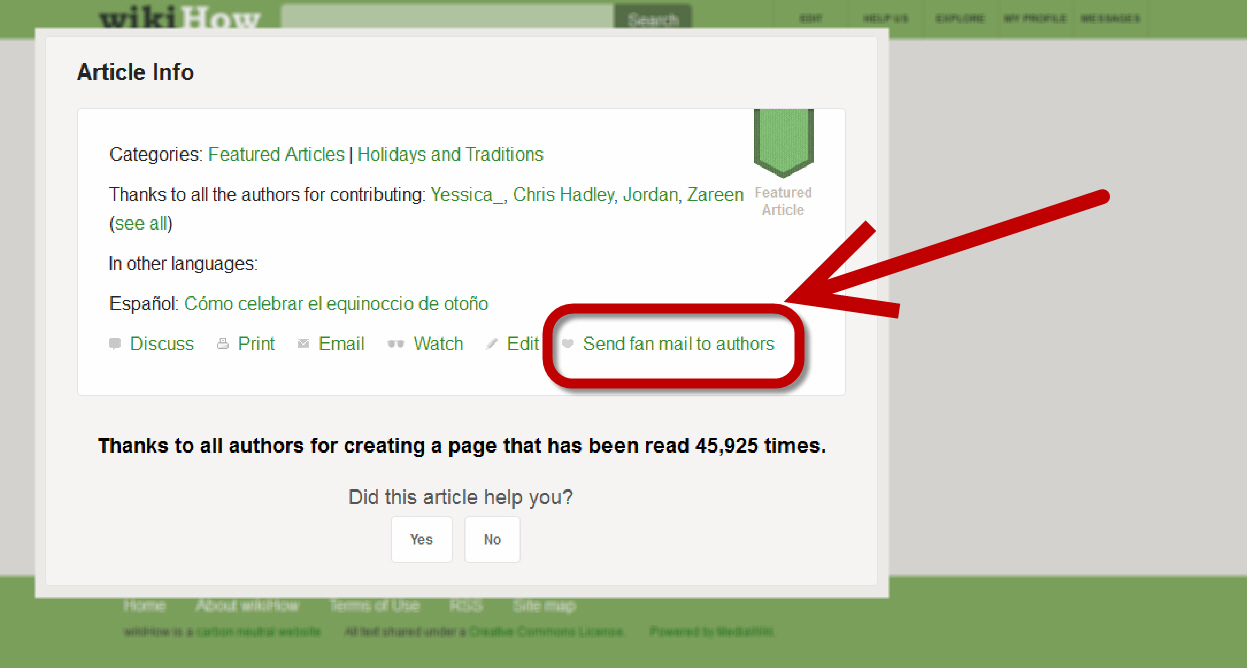
Contributing to wikiHow is a little like joining a giant neighborhood workshop where everyone is trying to label the drawers, sharpen the tools, and stop someone from explaining how to boil water in 47 dramatic chapters. At its best, wikiHow is a collaborative how-to library built around one simple idea: practical knowledge should be clear, useful, and easy to follow.
Whether you want to fix a typo, improve an old article, add a new method, patrol edits, or write a full guide from scratch, there are many ways to help. You do not need to be a professional editor, a celebrity expert, or the kind of person who alphabetizes soup cans. You simply need patience, accuracy, respect for readers, and a willingness to make instructions better one step at a time.
This guide explains how to contribute to wikiHow in 13 practical steps, with examples, best practices, and friendly warnings so you can avoid common beginner mistakes. Think of it as your map to becoming a helpful wikiHow contributor without accidentally turning a simple article into a dissertation with bullet points.
Why Contribute to wikiHow?
wikiHow articles are designed to teach people how to do things. That sounds simple, but “how-to” content carries real responsibility. A reader may be learning how to repair something, cook something safely, communicate better, care for a pet, prepare for an emergency, or solve a frustrating everyday problem. Good contributions make those instructions clearer, safer, and more useful.
Contributing also helps you build valuable writing and editing habits: researching before making claims, organizing instructions logically, writing for beginners, and accepting that your first draft may need polishing. In other words, wikiHow quietly teaches you how to be a better communicator while you are helping strangers learn how to remove gum from shoes. Noble work, sticky subject.
How to Contribute to wikiHow: 13 Steps
1. Understand wikiHow’s collaborative purpose
Before editing anything, understand the spirit of the site. wikiHow is not a personal blog, a diary, an advertising billboard, or a place to show off how many fancy words you can fit into a sentence before lunch. It is a collaborative how-to platform where contributors improve practical guides for readers.
Your goal is not to “own” an article. Your goal is to make the article more helpful. That mindset matters because wiki editing is communal. Someone may revise your wording, remove an unclear tip, or reorganize a section. Do not take it personally. In a wiki, the article is the project, and everyone is there to help it grow up into a useful adult.
2. Create an account for a smoother experience
You may be able to read wikiHow without an account, but creating one gives you a clearer identity as a contributor. An account can help you track your edits, build trust in the community, communicate with other editors, and access contribution tools that may not be available to anonymous visitors.
Choose a username that you are comfortable using publicly. Avoid names that look like spam, impersonate another person, or promote a business. “HelpfulGardenFan” is fine. “BuyCheapMiracleSupplementsNow” is a fast way to make editors squint suspiciously at your existence.
3. Start by reading before editing
New contributors often want to jump straight into major edits. Enthusiasm is great, but reading first is smarter. Browse several high-quality wikiHow articles and notice how they are structured. Most strong guides use clear introductions, actionable steps, specific examples, tips, warnings, and plain language.
Pay attention to the tone. wikiHow content is usually friendly, direct, and practical. It avoids sounding too academic, too salesy, or too vague. A good instruction does not say, “Engage in the culinary transformation of the produce.” It says, “Wash the apples, peel them if desired, and cut them into thin slices.” The apple appreciates the clarity.
4. Pick a small contribution first
Your first contribution does not need to be a complete article. In fact, starting small is often better. Fix a typo. Improve a confusing sentence. Add a missing safety note. Replace vague wording with a precise instruction. Small improvements are the quiet heroes of collaborative editing.
For example, if an article says, “Cook it for a while,” you might change that to “Cook it for 8 to 10 minutes, or until the edges are lightly browned.” That edit gives readers something concrete. Specificity is the difference between useful guidance and kitchen roulette.
5. Use the edit function carefully
When you edit a page, take your time. Read the surrounding section before changing a sentence so you understand the context. A sentence that looks strange by itself may make sense as part of a larger step. Avoid deleting information unless it is incorrect, repetitive, unsafe, promotional, or unrelated.
If you are making a bigger change, preview your edit when possible. Check formatting, spelling, capitalization, and whether your change improves the reader’s experience. The best edits feel invisible: readers do not stop to admire them; they simply understand the article better.
6. Improve clarity with action-first writing
Great wikiHow writing starts with action. Use verbs that tell readers exactly what to do: rinse, measure, tighten, compare, save, label, fold, call, check, test, or wait. Avoid lazy instructions such as “deal with the issue” or “make it better.” Readers came for the “how,” not a mysterious pep talk.
Instead of writing, “Prepare the area appropriately,” write, “Clear the table, wipe it with a damp cloth, and place your supplies within reach.” This style is practical, friendly, and beginner-proof. If a tired person could follow the step after a long day, you are probably doing it right.
7. Add helpful details, not clutter
Helpful details answer the questions readers are likely to have. How long should this take? What tool should I use? What should the result look like? What mistake should I avoid? What can I substitute if I do not have the exact item?
Clutter, on the other hand, adds words without adding value. Avoid unnecessary background, jokes that distract from safety, or personal stories in the middle of instructions. A little warmth is good; a five-paragraph memory about your uncle’s garage is probably not what someone needs when they are trying to unclog a sink.
8. Respect the existing article structure
wikiHow articles often follow a recognizable structure: introduction, methods or parts, numbered steps, tips, warnings, and sometimes things readers need. When contributing, work with that structure rather than against it. If an article already has three methods, add your new information where it naturally belongs.
If you are adding a new section, make sure it does not duplicate an existing one. For example, “Cleaning the Stain with Vinegar” and “Using Vinegar to Remove the Stain” may be the same idea wearing a different hat. Combine similar material instead of creating twin sections that stare awkwardly at each other.
9. Research before adding factual claims
Accuracy matters. If you add health, legal, financial, safety, repair, or technical information, research carefully and use reliable sources. Do not rely on guesswork, hearsay, or “I saw a guy do this once in a video.” Personal experience can be useful, but it should not replace verified information when readers could be harmed by bad advice.
For example, if you are improving an article about food storage, check reputable food safety guidance before adding temperature ranges. If you are editing a guide about basic first aid, be extra careful and defer to recognized medical or emergency organizations. Good contributors know when to write confidently and when to verify first.
10. Avoid promotion and personal agendas
wikiHow is not the place to sneak in ads, affiliate links, brand pushing, or self-promotion. If you own a product, run a service, or manage a website, resist the urge to turn a how-to guide into a tiny billboard. Readers can smell promotional writing from three tabs away.
Neutral language is usually best. Instead of saying, “Use the incredible SuperSparkle Mega Brush, the only brush trusted by champions,” write, “Use a soft-bristled brush to loosen dirt without scratching the surface.” One helps readers. The other sounds like it was written by a brush wearing sunglasses.
11. Help with community tools and maintenance tasks
Contributing is not limited to writing full articles. Many wiki communities rely on maintenance tasks such as reviewing recent changes, fixing spelling, categorizing articles, cleaning up formatting, and improving low-quality drafts. These tasks may sound small, but they keep the site readable and trustworthy.
If wikiHow offers contributor dashboards or editing tools, explore them gradually. Start with simple tasks and learn how experienced contributors handle edits. Maintenance work is a great way to understand article standards because you see many examples of what works, what fails, and what makes readers quietly close the tab in despair.
12. Communicate politely with other contributors
Collaboration requires manners. If another editor changes your contribution, assume good intent first. Ask questions, explain your reasoning calmly, and stay focused on the article. Avoid edit wars, sarcasm, or dramatic speeches about being misunderstood by history.
A helpful comment might be: “I added the safety warning because the previous step involves heat, and beginners may not realize the handle can stay hot.” That explains the edit clearly. A less helpful comment would be: “I fixed this because apparently nobody here understands pans.” Be the first person, not the pan warrior.
13. Keep learning and improving your contributions
The best contributors improve over time. Read feedback, study strong articles, learn formatting rules, and pay attention to how your edits are received. Over time, you may become comfortable writing new articles, expanding weak guides, or helping newer contributors.
Contributing to wikiHow is not about making one perfect edit. It is about steady improvement. Every clear sentence, accurate step, fixed typo, and better warning helps readers. The internet has enough confusion already; your contribution can be one small, useful flashlight.
Common Mistakes New wikiHow Contributors Should Avoid
Writing steps that are too vague
Vague writing is one of the biggest problems in how-to content. A step like “Get ready” does not tell readers what to do. Replace it with a checklist of visible actions: gather materials, clear space, wash hands, open the app, measure the ingredient, or test the tool.
Adding personal opinions as universal rules
Your personal method may work beautifully, but that does not mean it is the only correct method. If there are multiple valid approaches, present them fairly. A good contributor writes for readers with different budgets, tools, skill levels, and needs.
Changing tone too dramatically
wikiHow articles should feel consistent. If the article is calm and instructional, do not add a section that suddenly sounds like a stand-up comedy routine trapped inside a user manual. A touch of friendliness is welcome, but clarity should always get the front seat.
Forgetting safety warnings
Many how-to topics involve risk: sharp tools, heat, chemicals, pets, children, money, health, privacy, or legal consequences. Add warnings where they genuinely help. Do not overdo it, but do not ignore obvious hazards either. A good warning is short, specific, and placed where readers need it.
Examples of Helpful wikiHow Edits
Example 1: Improving a vague instruction
Before: “Clean the surface well.”
After: “Wipe the surface with a damp microfiber cloth, then dry it completely before applying the sticker.”
The improved version tells readers what tool to use, what action to take, and when the surface is ready.
Example 2: Adding a practical warning
Before: “Remove the pan from the oven.”
After: “Use dry oven mitts to remove the pan from the oven, and place it on a heat-safe surface.”
This edit adds safety without making the step longer than necessary.
Example 3: Removing promotional language
Before: “Use Brand X Cleaner because it is the best cleaner on the market.”
After: “Use a non-abrasive cleaner that is safe for the material you are cleaning.”
The revised sentence helps more readers and avoids sounding like an advertisement wearing a fake mustache.
Extra Experience: What Contributing to wikiHow Feels Like in Practice
Contributing to wikiHow can feel surprisingly satisfying because the work is concrete. You are not just “creating content.” You are helping someone complete a task. That task may be small, like folding a fitted sheet, or serious, like preparing for a power outage. Either way, your job is to reduce confusion. A useful contribution feels like clearing fog from a window.
One practical experience many contributors have is learning to write for beginners. When you already know how to do something, it is tempting to skip “obvious” details. But obvious to whom? A person reading an article about changing a tire may not know where to place the jack. A person learning to cook rice may not know whether to cover the pot. A person setting up two-factor authentication may not understand backup codes. Good wikiHow writing slows down at exactly the right moments.
Another common experience is discovering that editing is often more valuable than writing from scratch. A messy article with good bones can become excellent after careful revision. You might reorganize steps, remove repetition, add missing measurements, simplify long sentences, and insert warnings where needed. This kind of editing is less glamorous than publishing a brand-new guide, but it may help far more readers. Think of it as renovating a house instead of building one from sticks and optimism.
Contributors also learn humility. Sometimes your edit will be changed. Sometimes another editor will improve your improvement. Sometimes you will realize your “perfect” sentence was actually a little confusing. That is normal. Collaborative writing works because no single person sees everything. One editor catches grammar, another notices safety, another improves formatting, and another adds a better example. The final article becomes stronger than any one contributor could make it alone.
There is also a rhythm to good contribution. First, observe. Then make small edits. Then try larger improvements. Later, consider writing new material or helping with review tasks. This gradual approach prevents overwhelm and builds confidence. You do not have to become a master contributor overnight. The internet will survive if you spend your first week fixing commas and making instructions less confusing.
The most rewarding part is knowing your edits may help someone you will never meet. A clearer sentence can save a reader time. A warning can prevent a mistake. A better explanation can make someone feel capable instead of frustrated. That is the quiet magic of wikiHow contribution: practical kindness, delivered through instructions.
Conclusion
Learning how to contribute to wikiHow is really learning how to make useful knowledge easier to follow. Start small, write clearly, research carefully, respect the community, and focus on readers. Whether you fix one typo or rewrite an entire method, your contribution matters when it makes an article more accurate, practical, and friendly.
The best wikiHow contributors are not the loudest writers or the fastest editors. They are the ones who care about clarity. They explain the missing step, add the needed warning, remove the clutter, and leave the article better than they found it. That is the whole secret. Well, that and resisting the urge to write “simply” before a task that is absolutely not simple.