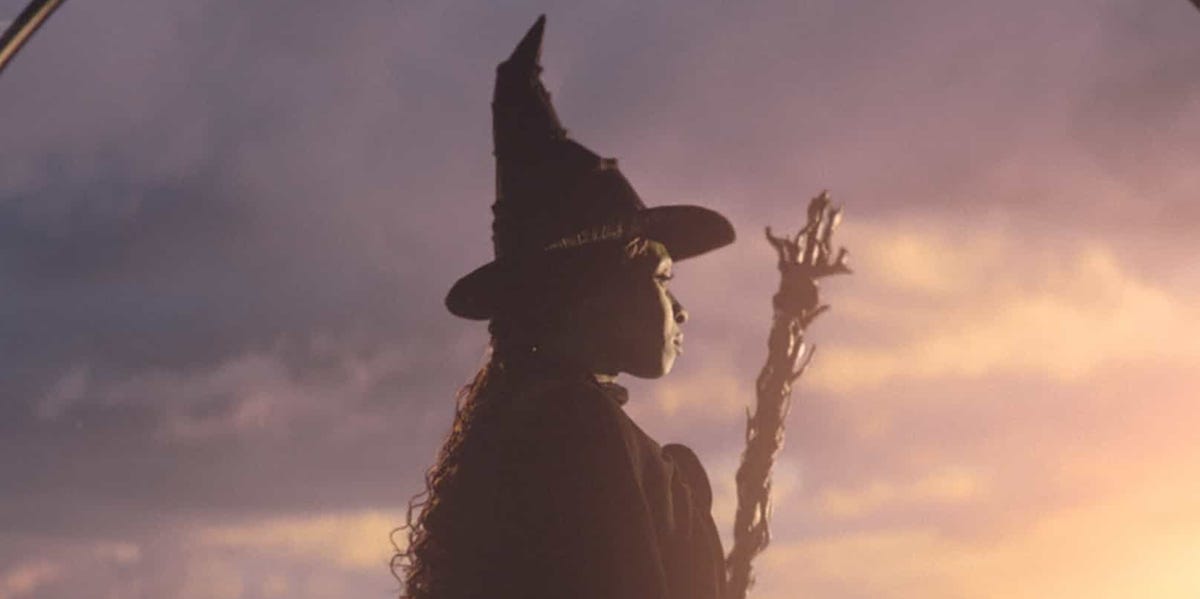
If the internet had its way, every movie musical would be put on trial by a jury of theater kids, vocal coaches, and at least three people who still haven’t forgiven Les Misérables for breathing too loudly. So when Wicked started generating buzz for its massive songs, polished sound, and larger-than-life visuals, one question floated over Oz like a pink bubble: did Cynthia Erivo and Ariana Grande actually sing live?
The short answer is yes. But the more interesting answer is yes, and also this was far more technically demanding than a simple “they sang it on the day” headline makes it sound. Over the course of interviews, featurettes, and behind-the-scenes breakdowns, Erivo, Grande, director Jon M. Chu, and the film’s sound team all made the same point from different angles. The performances at the center of Wicked were recorded live on set because that choice gave the film more emotional truth, more physical tension, and more connection between the actors. In other words, the vocals were not just decoration. They were part of the acting.
That matters because Wicked is not a small sing-then-smile musical. It is a story built on friendship, misunderstanding, ambition, heartbreak, and the kind of feelings that refuse to stay politely indoors. If you are going to tell the story of Elphaba and Glinda on a giant cinematic scale, you cannot fake the emotional voltage and hope nobody notices. Audiences may not always be able to name what feels different, but they can hear the difference between a voice that is simply beautiful and a voice that is living in the exact moment the character is experiencing.
Why the Live-Singing Debate Took Off in the First Place
The confusion is understandable. Modern movie musicals are often polished within an inch of their sequined lives. That polish can be wonderful, but it can also make viewers assume every note was assembled in a spotless studio while the performers merely opened their mouths on set and prayed the camera loved them. Because Wicked looks so lush and so controlled, some people naturally assumed the soundtrack must have been heavily pre-recorded from top to bottom.
Then the cast and filmmakers started talking. Jon M. Chu explained early on that Erivo and Grande pushed hard for live vocals. Later featurettes and interviews reinforced the same message: this was not a publicity trick, not a vague “some of it was live-ish” talking point, and not a technical footnote buried in the credits. It was a major artistic choice. The stars wanted to sing in real time because they believed it would deepen the performances, and the production built a system around making that possible.
That is the part many headline skimmers miss. “Live” in film does not mean no planning, no safety net, no sound design, and no post-production. Movies are still movies. Microphones are hidden, tracks are monitored, takes are shaped, and technical teams work miracles behind the curtain. What “live” means here is that the singing at the heart of the performance was captured while the actors were physically acting the scene, not swapped in later as a neatly separated studio exercise.
What Cynthia Erivo and Ariana Grande Actually Said
Erivo and Grande have been remarkably consistent about why live singing mattered to them. They did not present it as a stunt or as a superiority contest. They presented it as the most honest way to perform these roles. Grande described the idea as obvious from the start, especially given both actors’ comfort with live performance. Erivo framed it in more emotional terms, explaining that singing in the room helped connect them to the lyrics and to each other.
That phrasing gets to the center of the whole story. Wicked works because Elphaba and Glinda are always changing in response to one another. Their chemistry is not optional; it is the engine. If one actor is emotionally reaching while the other is mainly hitting marks for a future studio take, some of the electricity disappears. The point of live singing was not merely to sound impressive. It was to make sure the relationship itself remained active inside the music.
That choice also lined up with what the two performers seemed to build off camera. Their interviews repeatedly emphasize communication, trust, and mutual care during the production. That bond matters onscreen because Wicked is, beneath the spectacle, a story about two women whose lives are transformed by the fact that they truly see one another. If the actresses approached the music with that same responsiveness, the songs were always going to gain depth.
In that sense, they were setting the record straight about more than a soundtrack rumor. They were correcting the assumption that movie-musical vocals exist in some separate compartment from performance. Erivo and Grande have insisted that in Wicked, the singing is the performance. The breath, the effort, the timing, the tiny shifts in tone when emotion spikes or steadies out all of that becomes part of the character work.
Not a Gimmick, a Performance Philosophy
Plenty of productions advertise realism and then quietly choose convenience. Wicked went the other way. It embraced a method that sounds glamorous in a trailer but is wildly inconvenient in practice. Live vocals mean less room to hide. They mean your voice has to meet the moment while your body is moving, reacting, turning, climbing, hanging, and occasionally trying not to think about gravity doing what gravity does best.
That is why the decision says something meaningful about both leads. Erivo has the kind of voice that can shake a room, but she is also a disciplined actor who understands musical storytelling at a molecular level. Grande, meanwhile, arrived with pop-star polish and a real theater foundation, then shaped Glinda with comic precision and vocal control. Their willingness to perform live suggests confidence, yes, but also respect for the material. They did not want to make the songs merely sound good. They wanted them to feel alive.
The Technical Truth Behind the Magic
Now for the part that deserves more love: the sound team. Because whenever audiences hear “live singing,” some imagine a beautifully chaotic free-for-all where two stars wander around Oz belting into the breeze while a sound mixer faints in the corner. In reality, the achievement was highly engineered. Production sound mixer Simon Hayes later explained that the live vocals were supported by an intricate system designed to protect both emotion and musical structure.
For especially emotional moments, the actors could work with live keyboard support in their in-ear monitors, which gave them freedom to stretch a phrase or sit in a beat without feeling chained to a rigid backing track. For more rhythmically demanding passages, pre-produced musical playback helped lock tempo so the film could cut together multiple camera angles without the song turning into organized panic. That distinction is crucial. The production was not choosing between “totally live” and “totally fake.” It was building a smart hybrid system that preserved the live performance while making the filmmaking possible.
Hayes and other behind-the-scenes reporting also made clear that solo vocals were the priority for live capture. That is where the emotional fingerprint of the performer matters most. Chorus material and larger ensemble layers could be treated differently when scale demanded it. So yes, the movie used technology. Of course it did. Oz has talking animals, flying bubbles, and a wizard with branding instincts. Nobody expected the sound department to work with one boom mic and a dream.
What matters is that the film appears to have protected the center of the performance. The voice you hear when Elphaba is pushing toward a breakthrough, or when Glinda is sparkling through a comic number with a bit of nervous energy hiding beneath the gloss, is tied to the physical reality of that moment. That is what the cast and crew meant when they kept emphasizing authenticity. Not primitive. Not sloppy. Authentic.
Why This Was Especially Hard in Wicked
Wicked is not a movie where everyone stands politely next to a piano and waits their turn. Erivo had to navigate physically punishing material while delivering songs that fans treat with near-religious intensity. In reporting about “Defying Gravity,” she described the challenge of finding breath support while suspended, corseted, and working without the normal grounding a singer relies on. That sounds miserable in the most artistically noble way possible.
Grande’s work was hardly easy, either. Reporting around “Popular” detailed how physical her performance became, including singing through elaborate movement and stunt work. One of the funnier truths to emerge from the press run is that the film’s live-singing triumph was not achieved by asking the stars to stand still and behave. They were expected to sing while the movie remained, well, a movie. That meant movement, choreography, aerial work, costume restrictions, changing acoustics, wind, and all the other sneaky little enemies of vocal control.
And yet that challenge is exactly why the final result resonates. The performances do not feel protected from the world of the film. They feel embedded in it. Elphaba sounds like she is fighting through the air because, in a meaningful sense, she is. Glinda sounds playful, bright, and physically present because the performance is tethered to motion, rhythm, and comedy rather than being laid over the top like decorative icing.
Why Live Singing Matters So Much in Wicked
The best argument for live vocals is not technical. It is dramatic. Wicked depends on songs that are not merely catchy but transformational. “Popular” is not just a comic bop. It is a character study in charm, control, affection, and denial. “I’m Not That Girl” lives in ache. “The Wizard and I” moves with yearning and self-invention. “Defying Gravity” is not just the big song; it is the moment the story changes shape.
When songs carry that much narrative weight, the little human details become enormous. A breath before a note can sound like hesitation, courage, heartbreak, or decision. A phrase that lands half a heartbeat later can make a lyric feel discovered rather than rehearsed. A slightly rougher edge in the voice can make a moment feel earned rather than polished. Studio perfection has its place, but Wicked clearly wanted something riskier: performance with fingerprints still on it.
This is especially important in a story built around two women who are learning, scene by scene, how wrong they were about each other. Live singing lets the audience hear that discovery unfolding in real time. The voices do not just tell us what Elphaba and Glinda feel. They negotiate it. That is why the live-vocal conversation has stuck around. People are responding to more than good singing. They are responding to the sound of two performances meeting each other in motion.
How Wicked Uses Blockbuster Scale Without Losing Human Feeling
There is a broader lesson here for movie musicals. Bigger does not have to mean more artificial. Wicked is huge by design: giant sets, elaborate costumes, major visual effects, a beloved score, and the sort of expectations that could make even the Wizard sweat through his tailoring. But the production seems to have recognized a truth that Hollywood sometimes forgets: spectacle lands harder when there is something fragile inside it.
Live singing gave Wicked that fragility. It introduced risk, and risk creates investment. Viewers may not sit in the theater announcing, “Ah yes, I detect the human cadences of on-set vocal capture,” because that would be an extremely annoying way to watch a movie. But they do feel the difference when a performance seems to be happening rather than merely being presented.
That is why the film’s approach feels so smart. It did not reject technology. It used technology in service of humanity. It did not chase rawness for bragging rights. It chased emotional credibility. And in a story where image, identity, rumor, and reinvention all matter, that decision feels thematically right too. Wicked is about the gap between what people assume and what is actually true. The live-singing conversation fits that theme perfectly. The polished surface made some viewers assume fakery. The reality was much braver.
Experiences Around the Topic: What Live Singing in Wicked Feels Like for Performers, Fans, and Viewers
One of the most interesting experiences tied to the live-singing conversation is how differently it lands depending on who is watching. For a lifelong theater fan, knowing the vocals were captured live can feel almost emotional on its own. It signals trust. It says the filmmakers believed the performers could carry the burden of the music in the moment, without hiding behind a perfectly buffed studio version. That can make the movie feel closer to the electricity of live theater, even though it is still unmistakably cinematic.
For casual viewers, the experience is often less technical and more instinctive. They may not walk out of the theater saying, “The onset vocal capture was especially compelling.” They are more likely to say the movie felt intense, immediate, or surprisingly moving. That is the magic of live performance. Its biggest effects are often subconscious. A voice tied directly to a body in motion carries effort, timing, breath, and emotion in a way the audience can sense even when they cannot explain it.
For performers, the experience is obviously on another level entirely. Singing live while grounded is one thing. Singing live while navigating costumes, stunt rigs, moving sets, choreography, and multiple camera setups is closer to athletic storytelling. It requires technique, but it also requires trust in the crew and in your scene partner. There is something thrilling about knowing Erivo and Grande were not simply preserving notes. They were surviving moments. That survival instinct can become art very quickly.
There is also the fan experience of hearing familiar songs become newly physical. People who know Wicked from the stage cast recordings are used to songs arriving in a certain shape. In the film, some moments feel less like museum pieces and more like discoveries happening in front of you. Grande’s comic timing, Erivo’s force, and the responsive energy between them give the songs a living texture. You are not just hearing iconic material repeated. You are hearing two performers make fresh choices inside beloved songs without losing what made those songs beloved in the first place.
Another experience worth mentioning is the emotional one attached to character perspective. Live singing can make vulnerability feel less abstract. When Elphaba sounds like she is pushing through fear toward power, or when Glinda’s brightness wobbles just enough to suggest that performance and insecurity are sharing the same dress, the audience gets access to the characters in a fuller way. The songs stop being interruptions and become extensions of breath, body, and thought.
And then there is the communal experience. Once word spread that the vocals were live, the conversation around Wicked changed. People were not only debating costumes, trailers, and favorite songs. They were talking about craft. They were talking about what it means for a modern blockbuster to trust performance. That is healthy for movie culture. It reminds audiences that a musical is not only a product to be consumed but also a complex act of collaboration involving actors, coaches, sound departments, editors, choreographers, and directors all pulling in the same direction.
In a funny way, the live-singing discourse also mirrors the themes of Wicked itself. The movie asks audiences to look past assumptions and reconsider what they thought they knew. The same thing happened around the soundtrack. Some people saw a glossy studio movie and assumed the vocals must be synthetic. Then the cast and crew revealed a more complicated truth: under all that sheen was a great deal of real-time effort, risk, and artistry. That is a satisfying revelation because it makes the finished film feel more human, not less magical.
Ultimately, the experience surrounding this topic comes down to trust. The filmmakers trusted Erivo and Grande. The performers trusted each other. The sound team trusted an ambitious process. And the audience, once it understood what the film had done, got to trust its own ears. In an era when polish can sometimes flatten personality, Wicked made a compelling case for keeping the pulse of performance intact. That may be the most enchanting thing about the whole story.
Conclusion
Cynthia Erivo and Ariana Grande did more than answer a rumor about Wicked. They clarified what kind of movie this was trying to be. Yes, they sang live. Yes, it took serious technical support. And yes, that combination is exactly the point. Wicked did not choose between blockbuster craftsmanship and emotional honesty. It chased both at once.
That is why the live-singing story has stuck. It is not gossip. It is a window into the movie’s artistic priorities. The production wanted the songs to feel lived in, physically present, and emotionally responsive. It wanted the music to carry the weight of the performances instead of sitting on top of them like glitter with a union card. In a film about identity, perception, and the courage to be fully seen, that choice feels not only impressive, but right.