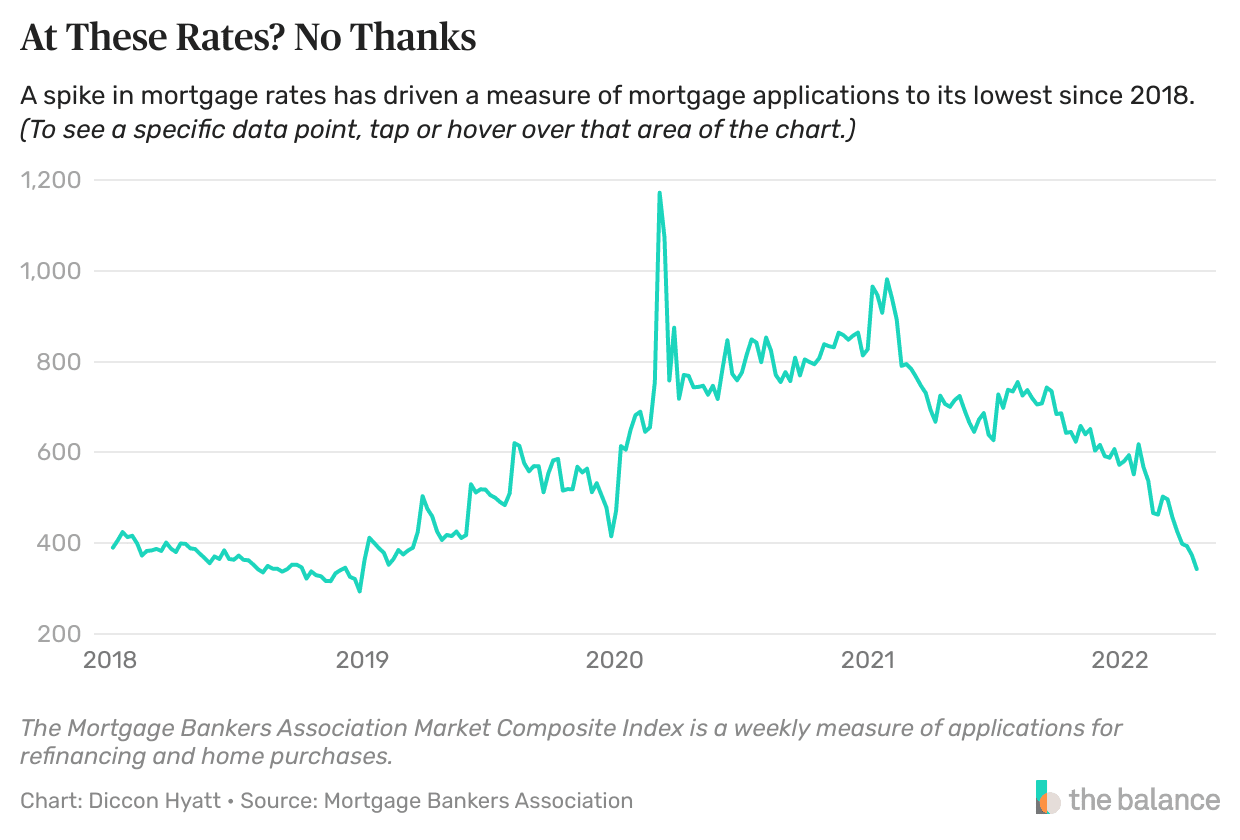
If mortgages used to be the charming lead in the American homebuying story, they now feel more like a complicated side character with expensive tastes. Yes, rates have improved from the rougher patches of the past couple of years. No, that does not mean home loans suddenly feel easy, friendly, or irresistible. In fact, for many buyers, a mortgage in today’s market is still a much tougher sell than lenders, agents, and optimistic relatives would like it to be.
The issue is not simply that mortgage rates are “high.” It is that they remain high relative to what millions of Americans got used to during the ultra-low-rate era. Once buyers have seen 3% money, 6% money feels like a budget ambush wearing a blazer. Even when rates soften a little, home prices, taxes, insurance, and down payment hurdles keep monthly costs elevated. That is why the conversation around homebuying has changed. The pitch is no longer, “Buy now before prices go even higher.” It is closer to, “Let’s see whether this payment still lets you eat dinner indoors.”
Why mortgages feel harder to sell right now
As of early March 2026, the average 30-year fixed mortgage rate is hovering around 6%. On paper, that looks much better than the 7% territory buyers feared not long ago. In practice, it still produces a payment that feels dramatically different from the pandemic-era borrowing environment. A buyer financing a $320,000 loan would be looking at a principal-and-interest payment of about $1,919 at 6%, versus about $1,349 at 3%. That is roughly a $570 monthly jump before property taxes, homeowners insurance, HOA fees, or maintenance show up and start asking for money too.
That gap is the whole story. Mortgage rates do not operate in a vacuum. They shape affordability, confidence, timing, and even emotion. Buyers are not just shopping for a house; they are shopping for a payment they can live with for years. And when the payment still feels heavy, the mortgage itself becomes harder to “sell,” even if the home is lovely and the neighborhood has excellent coffee.
Monthly affordability still rules everything
The housing market has become a monthly-payment market. Buyers may like the list price, but what they really judge is the all-in housing bill. That is why mortgages are such a tough sell today: the payment still looks bulky next to incomes, especially for first-time buyers who do not have large equity gains from a previous home.
Affordability has improved somewhat. Lower rates than a year ago, slower price growth in many markets, and steady wage gains have given buyers a little more breathing room. But “a little more breathing room” is not the same thing as “wow, what a bargain.” Buyers are still running into a market where even modest homes can require major cash up front and a monthly payment that competes with childcare, car loans, student debt, and the general cost of being alive in 2026.
The 3 big reasons buyers still hesitate
1. Home prices never got the memo
Rates have eased, but home prices in much of the country remain stubbornly high. In some metros, prices are softening or sellers are cutting expectations, but nationally there is no dramatic collapse handing buyers a golden ticket. That means a slightly better rate is often being applied to a still-expensive house. Helpful? Yes. Magical? Not even a little.
This is the first reason mortgages are harder to sell: the loan may be cheaper than last year’s version, but the total purchase is still expensive. Buyers notice that immediately. They may be able to qualify, but qualifying and feeling comfortable are not the same thing.
2. The lock-in effect is still messing with supply
Millions of owners are still attached to older loans with much lower rates. Giving up a mortgage in the 2% to 4% range for a new one around 6% is, financially speaking, like trading a cozy sweater for a parking ticket. Many would-be sellers are staying put because moving would mean replacing a cheap mortgage with a much pricier one.
That lock-in effect has softened somewhat, and inventory has improved in several markets. Still, it has not disappeared. Fewer move-up sellers means fewer listings, fewer choices, and more pressure on buyers who are already doing payment math like they are studying for the bar exam. Limited supply keeps prices from falling enough to make mortgages feel genuinely attractive.
3. Buyers are tired of waiting for “normal”
There is also a psychological problem here. Buyers have spent years hearing that rates might come down, prices might ease, or the market might finally become more balanced. So when rates settle near 6%, many shoppers do not feel relieved. They feel suspicious. They wonder whether they should wait for 5.75%, or 5.5%, or for some mythical return of 2021 that is probably not walking back through the door.
That hesitation matters. A mortgage is harder to sell when the audience believes a better version may arrive later. Buyers may browse, tour homes, compare preapprovals, and then disappear the moment they see the estimated monthly payment. That is not indecision for the sake of drama. It is a rational response to a market that still feels expensive.
What is helping, even if only a little
To be fair, this is not a pure doom-and-gloom story. Several forces are making the mortgage market less punishing than it was a year ago.
Inventory is improving in some markets
More listings give buyers something they have badly needed: options. In places where inventory has risen, buyers can compare homes, negotiate harder, and sometimes secure price cuts or seller concessions. That changes the tone of the transaction. A mortgage is still expensive, but it feels slightly less outrageous if the seller is covering closing costs or helping buy down the rate.
Sellers are becoming more realistic
The era of “I listed it on Thursday and received 14 offers by lunch” has cooled in many markets. Homes are sitting longer. More sellers are trimming prices, offering credits, or accepting that buyers now read the fine print and own calculators. This helps, because a mortgage becomes easier to swallow when the buyer is not also paying a peak-of-peak price.
Affordability is inching in the right direction
Affordability is not healed, but it is no longer sprinting in the wrong direction. Lower mortgage rates than a year ago, modest wage growth, and more active inventory have improved buying power. That does not mean buyers feel wealthy. It means they may now be able to consider homes that were completely out of reach last spring. In this market, that counts as progress.
Why the mortgage sales pitch has changed
Because the math is tougher, the messaging has changed. Lenders and agents can no longer rely on a generic “date the rate, marry the house” line and expect everyone to swoon. Buyers want specifics. They want to know the payment today, the costs to close, the effect of taxes and insurance, how long they must stay for the purchase to make sense, and whether refinancing later is realistic or just optimistic fan fiction.
That means the most convincing mortgage pitch in 2026 is not hype. It is transparency. Buyers respond better when someone says, “Here is the real payment, here is what the seller can contribute, here is what a 2-1 buydown does, and here is how this compares with renting over the next five years.” In other words, mortgages are now sold less like dreams and more like serious financial products. Which, honestly, is probably healthier for everyone.
Smart strategies buyers are using now
Shopping multiple lenders
In a market like this, even a modest rate difference matters. Buyers are increasingly comparing lenders, points, fees, lender credits, and lock options instead of accepting the first quote they get. When rates are around 6%, shaving even a fraction off the rate or reducing closing costs can make a meaningful difference over time.
Using concessions and buydowns
Seller-paid concessions are back in the conversation, and that is one of the clearest signs the market has changed. Buyers are asking sellers to help cover closing costs or pay for temporary rate buydowns. A mortgage becomes easier to sell when the first year’s payment is lower and the upfront cash burden is smaller.
Looking at loan flexibility, not just rate alone
Some buyers are considering adjustable-rate mortgages, FHA loans, or other structures that lower upfront costs or improve short-term affordability. That does not mean everyone should get fancy with financing. It means buyers are thinking more creatively because the plain-vanilla 30-year fixed loan, while still the standard, is no longer a universally comfortable fit.
What this means for the housing market
When mortgages are a tougher sell, the entire housing market slows down and becomes more selective. Buyers take longer to commit. Sellers face more negotiation. Lenders work harder for each loan. Homes that are overpriced, outdated, or badly marketed sit longer. Homes that are well-priced and move-in ready still sell, but the process is less frenzy and more scrutiny.
This also means the market is increasingly split. Well-qualified buyers with strong incomes, larger down payments, or existing equity can still move. First-time buyers, middle-income households, and anyone already stretched by other expenses face the hardest decisions. That divide is shaping everything from listing strategy to new construction to mortgage product design.
So yes, mortgage rates have improved. But the bigger truth is this: improved is not the same as easy. A 6% mortgage is still a much tougher sell than the market got used to. And until either rates fall more meaningfully, prices soften more broadly, or incomes catch up faster, the home loan will remain a product buyers approach with caution rather than excitement.
Bottom line: better than before, still not easy
Mortgage rates near 6% are not catastrophic by historic standards. But history is not what buyers are comparing against. They are comparing against what they could have borrowed at just a few years ago, what they can actually afford now, and whether a home purchase still fits into a modern household budget that already feels crowded.
That is why mortgages are now a much tougher sell. The market has not frozen, but it has matured into something more skeptical, more payment-focused, and a lot less willing to fall for a pretty listing photo and a cheerful financing estimate. In 2026, the winning pitch is not “own at all costs.” It is “buy only if the full numbers work.” Which may not sound romantic, but it is probably the smartest love story the housing market has told in a while.
What buyers, sellers, and agents are experiencing right now
The experience on the ground helps explain the data better than any chart ever could. Picture a first-time buyer in Indianapolis or Atlanta. She has solid credit, a stable job, and enough savings for a respectable down payment, but every monthly estimate still feels a little rude. Last year, the house she wanted was too expensive. This year, the same kind of house is slightly more attainable, yet the payment still lands with a thud once taxes, insurance, and maintenance are included. She is not irrational for hesitating. She is doing exactly what today’s market trains buyers to do: pause, compare, recalculate, then pause again.
Now picture a move-up seller in the suburbs. He bought in 2021 with a rate that feels almost fictional now. He wants more space, maybe a better school district, maybe a dedicated office that is not also a storage closet and occasional laundry folding station. But when he runs the numbers, his next mortgage would cost dramatically more than the one he has today, even if the next home is only modestly pricier. So he waits. He fixes the kitchen instead. He tells himself he will revisit the idea in six months. That story is happening all over the country, and it helps explain why supply is improving only gradually.
Agents are feeling this shift too. The easy scripts no longer work. Buyers ask tougher questions, request multiple payment scenarios, and want to understand concessions, rate buydowns, closing credits, and the resale outlook before they write an offer. Sellers, meanwhile, still remember the feverish market from a couple of years ago and often need a reality check on pricing. An agent’s job today is less about unlocking a door and more about translating a complicated financial moment into plain English.
Lenders are living in the same reality. Preapproval alone is not enough to create momentum anymore. Borrowers want reassurance that they are not making a terrible timing mistake. They want to know whether refinancing later is plausible, whether paying points is worth it, and whether a slightly cheaper home could create a much healthier monthly budget. The strongest lenders are not just quoting rates; they are helping borrowers understand tradeoffs.
Even buyers who do move forward often describe the experience as cautious rather than euphoric. They may feel grateful to find a home, relieved to secure concessions, and happy to stop renting, but they are rarely carefree. The modern mortgage experience is more analytical. More spreadsheet, less champagne. More “let’s see the total payment again,” less “we will figure it out later.”
And yet, there is a surprising upside to this more careful market. People who buy now tend to do so with clearer eyes. They are stress-testing budgets, comparing lenders, and thinking seriously about how long they will stay in the property. That may not be as flashy as the low-rate frenzy years, but it is healthier. The mortgages that do get sold today are being sold to people who understand the cost, respect the commitment, and know exactly why they are signing. In a weird way, that makes this tougher market a little wiser.