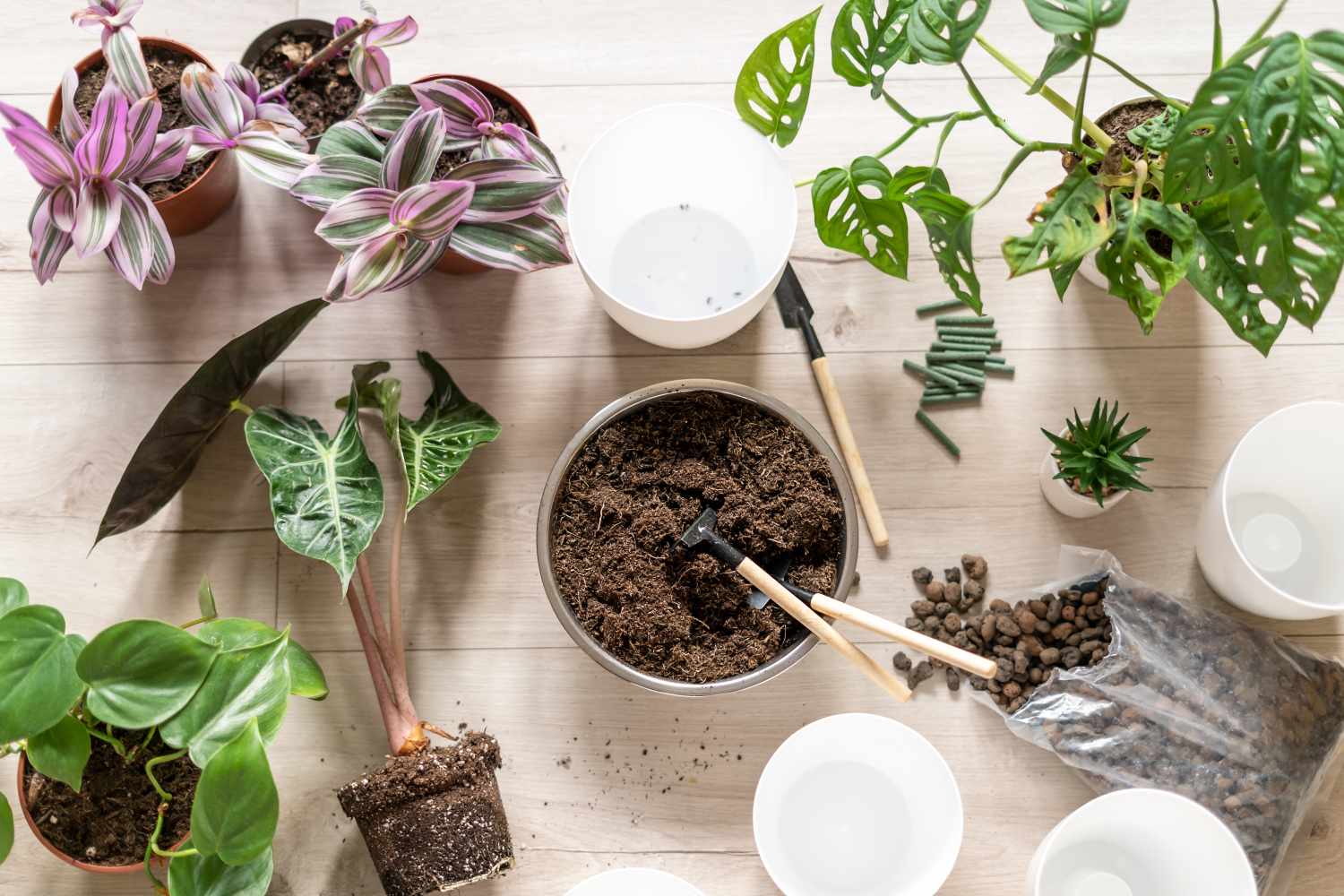
If your houseplant could text you, it would probably send one of two messages: “I need more space” or “Please stop doing random things to my roots in January.” And honestly? Fair. Repotting sounds simpleslide plant out, plop plant in, add soil, feel like a botanical geniusbut timing matters more than many plant owners realize.
Yes, there really is a right time of year to repot your houseplants, and there is definitely a wrong one too. While indoor plants live inside our cozy climate-controlled homes, they still respond to the seasons. Longer days, warmer temperatures, and brighter light trigger active growth. Short, dim winter days usually slow things down. That means a plant is much more likely to recover quickly from repotting stress in spring than when it is half-asleep in the middle of winter.
That does not mean you need to treat your pothos like a fragile celebrity with a strict rider. It simply means you should work with your plant’s natural rhythm instead of against it. When you get the timing right, repotting can refresh the soil, give roots breathing room, improve drainage, and help your plant put on healthy new growth. Get the timing wrong, and you may end up with transplant shock, limp leaves, stalled growth, or a soggy root zone that turns your “plant glow-up” into a rescue mission.
Here is how to know the best time to repot houseplants, the times to avoid, the signs your plant is ready, and the simple mistakes that trip up even enthusiastic indoor gardeners.
The Best Time to Repot Houseplants
For most houseplants, the best time to repot is spring to early summer. That is the golden window when many indoor plants begin active growth again. They have more light, more energy, and a better chance of sending fresh roots into new potting mix. Think of it as moving day when your plant has coffee, sunlight, and motivation.
This timing works especially well for common tropical houseplants such as pothos, philodendron, monstera, peace lily, rubber plant, spider plant, snake plant, and many ficus varieties. As growth picks up, these plants can recover faster from the disruption of being removed from a pot, teased apart, and settled into fresh soil.
Late winter can also be acceptable in some homes, especially if you can already see signs of new growth beginning. In very bright indoor spaces, some plants wake up a little earlier than the calendar suggests. Still, for most people, spring remains the safest bet.
Why Spring Works So Well
Repotting puts temporary stress on a plant. Even if you do everything right, the roots are disturbed. Spring gives the plant the best possible conditions to bounce back. New roots can establish faster, leaves are more likely to stay perky, and the fresh potting mix supports the next phase of growth instead of sitting cold and wet around inactive roots.
There is also a practical advantage: spring is when many plant owners are already inspecting, pruning, cleaning, and rotating their indoor jungle. In other words, it is the season when you are most likely to notice that your fern looks cramped or your monstera seems one aerial root away from filing a complaint.
The Worst Time to Repot Houseplants
The worst time to repot most houseplants is late fall through winter, when growth slows and many plants enter a resting period. During this time, roots are less active, light is weaker, and potting mix tends to stay wet longer. That combination can increase the risk of root problems, especially if you size up too aggressively or water too much after repotting.
Winter repotting is not always disastrous, but it is often unnecessary. If the plant is stable and not clearly suffering, waiting until spring is usually the smarter move. Your plant is not being neglected. It is being spared an awkward off-season relocation.
Another Bad Time: While a Plant Is Flowering
If your plant is actively blooming, it is usually better to wait. Flowering takes energy, and repotting redirects that energy toward root recovery. The result can be dropped buds, shortened bloom time, or a generally grumpy plant. If you have a flowering houseplant such as an orchid, anthurium, or holiday cactus, it is usually wiser to let the show finish before you disturb the root system.
And One More: When the Plant Is Already Struggling
Repotting a seriously stressed, diseased, or pest-ridden plant is not automatically the answer. If the issue is poor watering habits, low light, or an active pest infestation, changing pots may pile stress on top of stress. First figure out what is actually wrong. A sad plant does not always need a bigger pot. Sometimes it needs less love, fewer ice cubes, and a little personal space.
When You Should Repot Immediately, No Matter the Season
Seasonal timing matters, but emergencies override the calendar. If your houseplant shows signs of real trouble, repotting may be necessary even in fall or winter.
Repot Now If You Notice These Problems
- Roots are circling tightly and pushing out of the drainage holes
- Water runs straight through the pot because roots have taken over
- The potting mix has broken down into a dense, compacted mass
- The plant dries out far too quickly after watering
- The plant is top-heavy and tips over easily
- There is evidence of root rot, sour-smelling soil, or poor drainage
- The plant arrived in poor-quality nursery mix that stays soggy or hydrophobic
In these cases, delaying until spring can do more harm than good. A rootbound plant may need more space. A plant sitting in degraded, waterlogged soil may need a total reset. Just remember that off-season repotting calls for extra care: do not overpot, do not overwater, and do not expect explosive growth right away.
How to Tell Whether Your Houseplant Really Needs Repotting
Many people repot too often simply because they feel like doing something productive with a bag of soil on a Saturday. That is understandable. It is also how you end up with tiny plants floating in giant pots like kids wearing adult rain boots.
Not every houseplant needs frequent repotting. In fact, many prefer being slightly snug in their containers. Instead of repotting by calendar alone, look for physical clues.
Classic Signs It Is Time
Roots at the drainage holes: This is one of the clearest signs a plant has filled its container.
Soil dries out unusually fast: When roots dominate the pot, there is less soil left to hold moisture.
Growth has slowed: If conditions are otherwise good but the plant seems stalled, it may need fresh soil or more root space.
Water sits on top or drains oddly: Old potting mix can compact, reducing airflow and drainage.
The plant is top-heavy: If it looks like it is trying to somersault off the shelf, a larger or heavier pot may help.
You have had it in the same mix for years: Even if the roots are not wildly crowded, old mix loses structure and nutrients over time.
How Big Should the New Pot Be?
This is where a lot of plant parents go wrong. Bigger is not automatically better. In fact, choosing a pot that is far too large is one of the fastest ways to create watering problems. Extra soil holds extra moisture, and extra moisture around underused roots can lead to rot.
In most cases, go up just one pot sizeabout 1 to 2 inches wider in diameter than the current pot. That gives the roots room to expand without surrounding them with a swamp of unused soil.
And yes, sometimes repotting does not mean moving into a larger container at all. If the plant mainly needs fresh potting mix, you can trim dead roots, refresh the soil, and place it back into the same pot. That is still repotting. Think of it as a renovation, not a relocation.
The Right Way to Repot a Houseplant
The actual process is not complicated, but a little care goes a long way.
1. Water Ahead of Time
A plant that is bone-dry can be harder to remove from its pot and more vulnerable to damage. Slightly moist soil is easier to work with and gentler on roots.
2. Choose a Pot With Drainage
Drainage holes matter. Decorative planters are lovely, but if they trap water, your plant may eventually stage a root-level rebellion. Use a nursery pot inside a cachepot if needed.
3. Skip the Gravel Layer
Adding gravel or rocks to the bottom of the pot is an old habit that refuses to retire. It sounds helpful, but it does not improve drainage the way people think it does. Good potting mix and proper drainage holes matter more.
4. Loosen the Root Ball
Gently tease apart circling roots with your fingers. If the root ball is very tight, carefully loosen the outer roots so they grow outward into the fresh mix instead of continuing to spiral like they are trapped in a botanical parking garage.
5. Keep the Plant at the Same Depth
Do not bury the crown deeper than it was before. Add enough potting mix underneath so the root ball sits at about the same planting level.
6. Use the Right Potting Mix
Match the mix to the plant as much as possible. Tropical foliage plants usually like airy, well-draining soil. Succulents need an even sharper-draining blend. Orchids often need bark-based media rather than standard potting mix. One-size-fits-all works poorly when one of your plants is a fern and the other is basically a cactus with opinions.
7. Water to Settle the Soil
After repotting, water enough to help settle the mix around the roots. Then let the plant adjust. Avoid turning the next week into an overwatering festival just because you feel guilty about the move.
Houseplants That Need a Little Extra Timing Awareness
Most foliage houseplants follow the usual spring rule, but there are a few special cases worth noting.
Orchids
Orchids are often best repotted after flowering, not while in full bloom. Many also need bark mixes instead of traditional soil, so timing and materials both matter.
Succulents and Cacti
These are often best repotted when they are gearing up for active growth, which is commonly spring or early warm-season conditions. The biggest danger is using a pot that is too large or a mix that stays wet too long.
Slow Growers
Snake plants, ZZ plants, and some hoyas do not need frequent repotting. In fact, they often perform well when slightly rootbound. If they look healthy, do not rush to “upgrade” them just because you found a cute ceramic pot on sale.
Common Repotting Mistakes to Avoid
- Repotting on a schedule instead of by need: A healthy plant in stable soil may not need immediate action.
- Choosing a pot that is too large: More room can mean more retained moisture and slower root recovery.
- Repotting in deep winter for no reason: This often creates stress without any clear benefit.
- Repotting during bloom: Flowers and buds may suffer.
- Using heavy, poorly draining soil: Roots need air as much as they need water.
- Assuming every sad plant needs repotting: Check light, pests, and watering habits first.
- Forgetting that fresh soil alone can help: Sometimes you need new mix, not a dramatically larger pot.
So, What Is the Right Time of Year to Repot Your Houseplants?
Here is the simple answer: repot most houseplants in spring or early summer, when they are entering active growth. That is the right time. The wrong time is usually deep dormancy in late fall or winter, while a plant is blooming, or when the plant is already stressed for reasons unrelated to its pot.
But houseplant care is not a courtroom drama with one rigid verdict. There are exceptions. If your plant is badly rootbound, stuck in failing soil, tipping over, or showing signs of serious drainage trouble, repotting may be the right move regardless of the month.
The trick is to look at both the calendar and the plant. When those two things agree, you are in excellent shape. When they do not, the plant usually gets the final vote.
Real-Life Repotting Experiences and Lessons Plant Owners Know Too Well
Ask a group of houseplant people about repotting and you will quickly hear two kinds of stories: the triumphant “My monstera exploded with growth after I repotted it in April,” and the haunted “I repotted in December because I got bored, and now we do not speak.” Both stories have something useful to teach.
One of the most common experiences is realizing that a plant looked “fine” until repotting revealed what was happening below the surface. Maybe the pothos had a few yellow leaves and seemed thirsty all the time. Once it came out of the pot, the problem was obvious: thick white roots circling the inside like a coiled extension cord. After moving it into a slightly larger pot with fresh mix in spring, the plant often rebounds fast. New leaves get bigger, watering becomes easier, and the whole plant looks less dramatic.
Another familiar lesson comes from overenthusiasm. Plenty of beginners see a rootbound plant and jump straight into a pot that is much too large. It feels generous, like buying a forever home. In reality, the plant may sit in wet soil for too long, especially in a dim room. A week later, the leaves droop, the grower panics, and the innocent watering can becomes the villain. The experience usually teaches the same hard truth: houseplants want a modest upgrade, not a mansion.
Then there is the winter repot regret. This often happens after someone brings home a new plant during the colder months and immediately decides it needs a major makeover. Sometimes that works, especially in a bright home with grow lights and careful watering. But often the plant simply stalls. It does not die; it just sulks. Leaves stop unfurling, soil stays damp forever, and the owner spends six weeks hovering over it like a worried stage parent. By spring, growth resumes and everyone acts as if nothing happened, but the lesson sticks: timing matters.
Many plant owners also learn that repotting is not only about size. Fresh potting mix can make a huge difference even when the plant goes back into the same container. This is especially true for older plants that have been sitting in tired, compacted soil for years. Repotting in this case feels less like giving a plant a bigger apartment and more like replacing a worn-out mattress. Same room, much better sleep.
There is also a surprisingly emotional side to repotting. People often feel nervous about touching roots, trimming dead sections, or loosening a tight root ball. The first time can feel like plant surgery. But after doing it once or twice, most realize healthy roots are tougher than they look. Careful handling helps, but houseplants are not made of spun sugar. A sensible repot at the right time of year can be one of the best things you do for long-term plant health.
The biggest practical takeaway from all these experiences is simple: observe first, repot second. The happiest outcomes usually happen when people notice clear signs, wait for the best season when possible, choose a pot only slightly larger, and avoid turning repotting into an unnecessary monthly hobby. Houseplants do not need constant intervention. They just need the right help at the right time.
Conclusion
Repotting is one of the most useful houseplant care tasks you can learn, but it works best when you do it strategically. Spring and early summer are usually the ideal time because plants are naturally ready to grow, recover, and settle into fresh soil. Fall and winter are usually less forgiving, and blooming periods are rarely ideal. Still, a plant in genuine trouble should not be forced to wait for the perfect month on the calendar.
In other words, the best repotting rule is not “always repot in spring” or “never repot in winter.” It is this: understand what season your plant is in, pay attention to root and soil clues, and make the move when the plantnot your weekend moodactually needs it. Your houseplants may never thank you out loud, but they will absolutely show it in healthier roots, steadier growth, and leaves that stop looking like they are judging you.