There are few kitchen heartbreaks quite like slicing open an avocado and discovering it has the personality of a hockey puck. The opposite is not much better: you cut into what looked like a promising green gem and find brown, mushy sadness staring back at you. Avocados are delicious, nutritious, and wildly dramatic. They give you a tiny window of perfection, then act offended if you miss it.
The good news is that learning how to tell if an avocado is ripe is not a mystical art reserved for brunch chefs and guacamole whisperers. With a few simple checks, you can choose the right avocado for toast, salads, tacos, smoothies, sushi rolls, or a bowl of guacamole so good people suddenly “drop by” when chips are nearby.
This guide breaks down the four most reliable ways to check avocado ripeness: feel, color, skin condition, and the stem-end clue. You will also learn how to avoid bruised fruit, how to ripen avocados faster, when to refrigerate them, and how to match avocado texture to the recipe you actually plan to make. Because yes, the avocado you need for pretty slices is not always the same avocado you want for guacamole.
Why Avocado Ripeness Matters
A ripe avocado should be creamy, mild, buttery, and easy to slice or mash. When it is underripe, the flesh is firm, bland, and sometimes bitter. It may cling stubbornly to the pit, as if the avocado has personal boundaries. When it is overripe, the flesh can become stringy, watery, brown, sour-smelling, or mushy.
Ripeness affects flavor, texture, appearance, and food waste. Buy one too firm for tonight’s dinner, and your taco plans may require emergency cheese. Wait too long, and your perfect avocado becomes a compost donation. Understanding the signs of ripeness helps you buy smarter, store better, and stop playing produce roulette.
1. Use the Gentle Palm Pressure Test
The most reliable way to tell if an avocado is ripe is to check how it feels. Pick up the avocado and hold it in the palm of your hand. Apply gentle, even pressure with your palm and fingers. Do not jab it with your fingertips. Fingertip squeezing can bruise the fruit, which is rude to both the avocado and the next shopper.
What a ripe avocado feels like
A ripe avocado should feel firm but yield slightly to gentle pressure. Think of pressing the center of your palm: soft enough to give a little, but not so soft that it collapses. If the avocado gives slightly and feels evenly tender, it is likely ready to eat the same day.
This texture is ideal for avocado toast, guacamole, salad toppings, grain bowls, sandwiches, and creamy sauces. It should slice cleanly, scoop easily, and mash without a wrestling match.
What an underripe avocado feels like
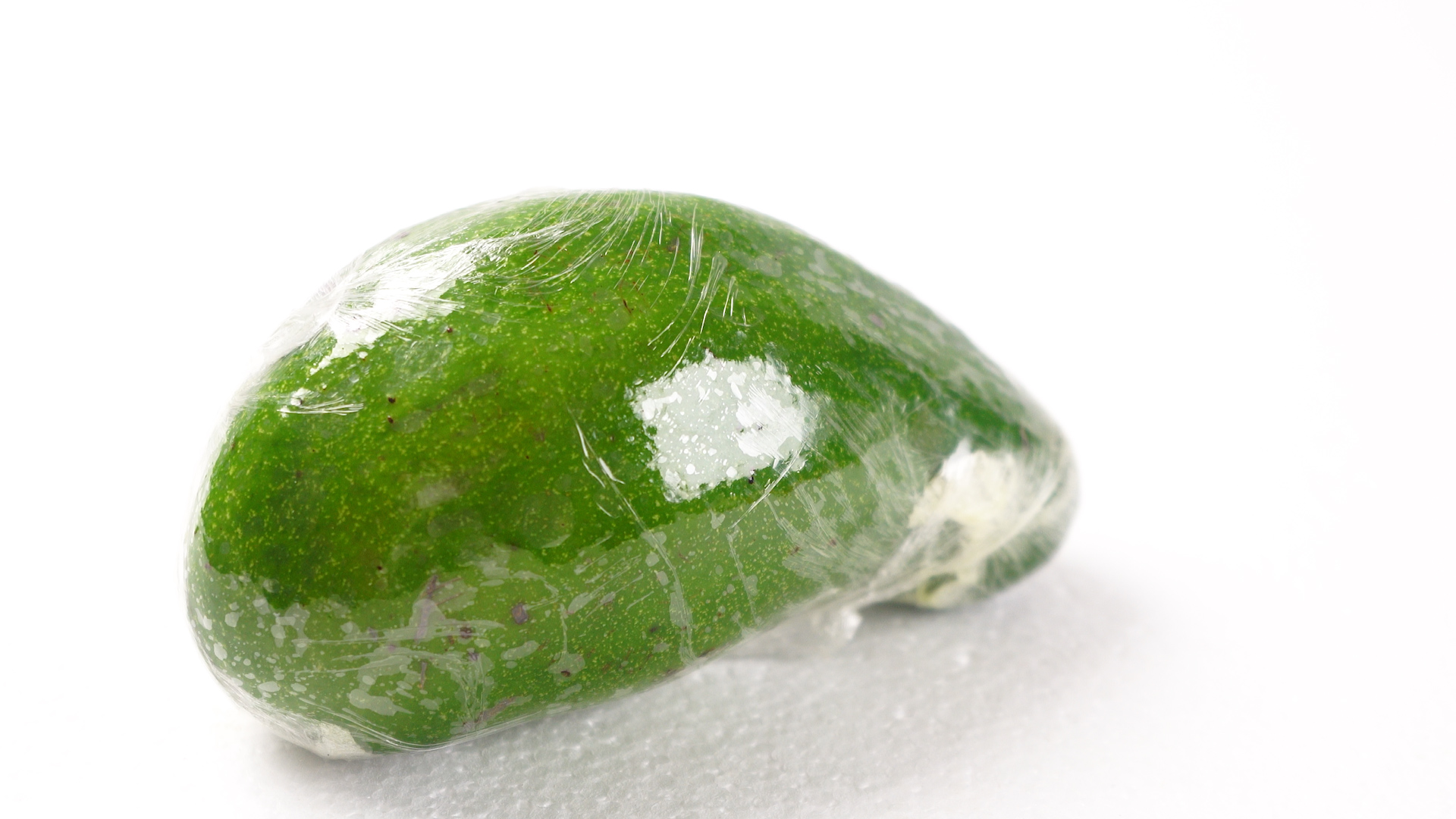
An underripe avocado feels hard and does not yield at all. It may look fresh and beautiful, but inside it is not ready. Cutting it open too early usually leads to pale, firm flesh and a pit that refuses to leave without negotiation.
If you need an avocado in four or five days, a firm one can be a smart buy. Leave it at room temperature and check it daily. Avocados continue to ripen after harvest, so patience is your secret ingredient.
What an overripe avocado feels like
An overripe avocado feels very soft, mushy, or hollow in spots. If it collapses under light pressure, has sunken areas, or feels watery inside, skip it. That avocado has already clocked out.
A slightly soft avocado may still be fine for guacamole, but an extremely soft one may have brown flesh, off flavors, or spoilage. If it smells sour, fermented, rancid, or chemical-like after cutting, throw it away.
2. Look at the Color, but Do Not Trust It Alone
Color is useful, especially with Hass avocados, the most common type in many U.S. grocery stores. As Hass avocados ripen, their skin often changes from bright green to dark green, purplish-black, or nearly black. A dark Hass avocado that also yields gently to pressure is usually ready to eat.
However, color alone can trick you. Some avocados are dark but still firm. Others are green but ripe. Different varieties behave differently, and even Hass avocados can vary based on growing conditions, season, and handling. In other words, color is a clue, not a courtroom confession.
Bright green usually means firm
A bright green avocado is often underripe, especially if it feels hard. This is the one to buy when you are planning ahead. It can sit on the counter for several days while you live your life and pretend you are organized.
Dark green to black often means ripe
A dark green or nearly black Hass avocado is often closer to ripe. Pair the color check with the palm pressure test. If it is dark and gives slightly, it is probably ready. If it is dark and rock-hard, give it more time.
Dull black with deep dents may mean overripe
If the skin is dull black, shriveled, deeply dented, or sunken, the avocado may be overripe or bruised. Avoid avocados with large soft spots, mold, cracked skin, or liquid seeping from the fruit. Avocados are wonderful, but they are not worth a risky science experiment.
3. Inspect the Skin Texture and Surface
The skin can tell you a lot before you ever cut into the fruit. A good ripe avocado should have skin that looks intact and feels firm around the entire fruit. Depending on the variety, the skin may be smooth, pebbled, or bumpy. For Hass avocados, a pebbled texture is normal.
What you are really checking for is damage. Bruises, cuts, cracks, mold, and deep indentations can signal trouble inside. A small cosmetic mark is usually not a disaster, but large soft dents are a warning sign. They often mean the fruit was squeezed too hard, dropped, or stored poorly.
Choose avocados with even firmness
Run your eyes over the avocado and gently rotate it in your hand. It should not have one mushy side and one hard side. Uneven texture may mean uneven ripening or bruising. A ripe avocado should feel consistently tender, not like it is hiding a mashed potato under one patch of skin.
Avoid cracked or broken skin
Broken skin can allow air and contaminants to reach the flesh. If the avocado has splits, exposed flesh, mold near the stem, or sticky patches, leave it behind. There are plenty of avocados in the produce bin. Do not choose the one auditioning for a food safety warning.
Match texture to your recipe
If you want clean slices for salads, burgers, sushi, or toast, choose an avocado that yields gently but still feels structured. If you want guacamole, a slightly softer avocado is fine, as long as it is not mushy, sour-smelling, or brown throughout. For smoothies or dressings, a fully ripe avocado can work beautifully because texture matters less once the blender gets involved.
4. Check the Stem End Carefully
The small stem nub at the top of an avocado can offer a helpful clue, but it should be used thoughtfully. Many people pop off the stem cap to look underneath. If it is green beneath, they assume the avocado is ripe. If it is brown, they assume it is overripe. If the cap will not come off, they assume it is underripe.
This method can be useful at home, but it is not the best habit in the grocery store. Removing the stem cap exposes part of the fruit to air and can encourage browning. It can also open a pathway for contamination. Imagine every shopper popping off avocado stems like tiny produce detectives. That is not a future we need.
What to do instead at the store
At the store, inspect the stem end without removing it. Look for mold, cracks, wetness, or sunken tissue around the top. A healthy stem area should look dry and intact. Combine this visual check with the palm pressure test and color check.
How to use the stem clue at home
At home, if the stem cap falls off naturally or comes away with almost no effort, you can glance underneath. Green or yellow-green flesh often suggests the avocado is in good shape. Brown under the cap may suggest overripeness or oxidation. If the cap is firmly attached, the avocado may need more time.
Again, the stem clue is only one piece of evidence. The avocado court requires multiple witnesses: feel, color, skin condition, and smell after cutting.
How to Ripen an Avocado Faster
If your avocado is too firm, leave it at room temperature. A typical firm avocado may need a few days to ripen. Keep it on the counter away from direct heat and check it daily. Do not refrigerate a hard avocado unless you want to slow everything down and possibly end up with uneven ripening.
To speed up ripening, place the avocado in a loosely closed brown paper bag with a banana, apple, or kiwi. These fruits release ethylene, a natural plant hormone involved in ripening. The paper bag helps concentrate the ethylene around the avocado without trapping too much moisture like a plastic bag might.
Check the avocado once a day. The paper-bag method can move things along, but it is not magic. It will not turn a rock-hard avocado into perfect guacamole in ten minutes. Ignore internet tricks that suggest microwaving or baking an avocado to “ripen” it. Heat may soften the flesh, but it does not create the same flavor and texture as natural ripening. It is the culinary equivalent of wearing a tuxedo T-shirt: technically an effort, but not quite the real thing.
How to Store Ripe Avocados
Once an avocado is ripe, use it soon or move it to the refrigerator. Cold storage slows ripening and can help preserve quality for a few extra days. This is especially useful when your avocados all become ripe at the same time, because avocados apparently enjoy group projects.
For best results, refrigerate whole ripe avocados and use them within the next several days. If you cut an avocado, refrigerate the unused portion promptly. Brush or sprinkle the exposed flesh with lemon or lime juice to slow browning, press wrap directly against the surface, and store it in an airtight container. Browning happens when the flesh is exposed to oxygen. It may look unappealing, but light browning is not always spoilage. Sour smell, slime, mold, or a rancid flavor means it should be discarded.
Should You Wash an Avocado Before Cutting?
Yes. Wash avocados under cool running water before cutting, even though you do not eat the peel. When a knife slices through the skin, anything on the outside can be dragged into the flesh. Dry the avocado before cutting so it is less slippery. A wet avocado plus a sharp knife is not the kind of kitchen adventure anyone needs.
Use a clean cutting board and a steady surface. Cut lengthwise around the pit, twist the halves apart, and remove the pit carefully. If the avocado is ripe, the pit should release more easily than it does in an underripe fruit.
Best Avocado Ripeness by Use
For avocado toast
Choose a ripe avocado that yields gently and mashes with light pressure from a fork. It should be creamy but not watery. Add salt, citrus, pepper flakes, or a fried egg if your breakfast likes applause.
For guacamole
Choose avocados that are fully ripe and slightly soft, but not mushy. They should mash easily and taste mild, nutty, and buttery. If the flesh is stringy, sour, or mostly brown, do not try to rescue it with lime juice. Lime is powerful, but it is not a superhero.
For salads and slices
Choose a ripe but firmer avocado. It should yield slightly but still hold its shape when sliced. This gives you clean wedges instead of accidental avocado pudding.
For smoothies and sauces
A softer ripe avocado works well because it will be blended. Just make sure it smells fresh and has no signs of spoilage.
Common Mistakes When Choosing Avocados
Squeezing with fingertips
Fingertips create pressure points that bruise the flesh. Use your palm instead. Your future guacamole thanks you.
Buying only ripe avocados
If you buy five ripe avocados on Sunday, you may have five urgent avocado situations by Monday. Buy avocados in different stages of ripeness so you can enjoy them throughout the week.
Refrigerating too early
Hard avocados should usually ripen at room temperature. Refrigeration is best once the avocado is ripe and you want to slow further softening.
Trusting color alone
Dark skin can be helpful, especially with Hass avocados, but it is not enough. Always pair color with feel.
Quick Ripeness Guide
Hard and bright green
Not ripe. Best for use in about four or five days. Store at room temperature.
Slightly less firm but not yielding
Almost ripe. Give it one or two more days at room temperature.
Firm but gently yielding
Ripe and ready. Eat today or refrigerate to slow further ripening.
Very soft, dented, or sour-smelling
Overripe or spoiled. Avoid buying it, and discard it if it smells off after cutting.
Real-Life Experience: What Avocados Teach You After Enough Kitchen Failures
After handling enough avocados, you start to develop what can only be described as “produce intuition.” At first, everyone thinks the darkest avocado is the best one. Then you bring it home, slice it open, and discover it is either perfect or already halfway to becoming compost. That is when you learn the first avocado life lesson: color is charming, but pressure tells the truth.
One of the most useful habits is buying avocados on a schedule. For example, if you want avocado toast tomorrow morning, buy one that yields gently today. If you want guacamole for the weekend, buy firmer avocados on Wednesday or Thursday and let them ripen on the counter. If you want avocados available all week, buy a mix: one ripe, two almost ripe, and two firm. This prevents the classic “all five are ripe at once” emergency, also known as surprise guacamole night.
Another helpful experience is learning how different recipes forgive different textures. A slightly too-soft avocado can still become a great spread, sauce, or dip. A slightly firm avocado can work in diced salads if the flavor is pleasant and the texture is not chalky. But for beautiful slices, you need that perfect middle ground: tender enough to cut cleanly, firm enough to hold shape. Restaurant-looking avocado toast is mostly about timing, not talent.
The paper-bag trick is also worth knowing, but it works best when expectations are realistic. A banana or apple in a brown paper bag can help speed ripening, but it will not perform miracles before dinner guests arrive. If the avocado is rock-hard at 5 p.m., the guacamole plan needs a backup. Salsa is a respectable friend.
Storage is where many people lose good avocados. Once an avocado becomes ripe, the refrigerator is your pause button. It will not stop time completely, but it can slow the process enough to save breakfast. For cut avocado, air is the enemy. Citrus juice, tight wrapping, and an airtight container help reduce browning. Still, the best storage method is eating the avocado sooner rather than later. This is not difficult for most avocado fans.
The biggest lesson is simple: check avocados gently and often. Do not bully them in the produce aisle. Do not abandon them on the counter for a week. Do not judge them by color alone. A ripe avocado gives you several signs at once: it feels slightly soft, looks healthy, has no deep dents, and smells fresh when opened. Once you recognize that combination, choosing avocados becomes much easier. You may not become an avocado whisperer overnight, but you will definitely stop bringing home as many green bricks and brown surprises.
Conclusion
The best way to tell if an avocado is ripe is to combine four simple checks: gentle palm pressure, skin color, surface condition, and the stem-end clue. A ripe avocado should yield slightly without feeling mushy, look healthy for its variety, have no deep dents or mold, and smell fresh once cut.
For Hass avocados, dark green to nearly black skin often points toward ripeness, but color should never be your only test. Firm avocados need more time at room temperature. Ripe avocados can be refrigerated to slow softening. Cut avocados should be wrapped tightly, protected from air, and stored in the refrigerator.
Once you understand these signs, buying avocados becomes less frustrating and a lot more delicious. Your toast gets creamier, your guacamole gets better, and your grocery budget stops funding tiny green disappointments.
Note: This article is original, publish-ready HTML content based on established avocado ripeness, storage, produce safety, and nutrition guidance. It does not include source-link markup, citation placeholders, or unnecessary publishing artifacts.