If you have ever walked into a home store for “just one basket” and walked out with a cart full of bins, hooks, trays, and a mysterious acrylic thing labeled pantry solution, congratulations: you are extremely normal. You are also exactly who professional organizers are warning.
According to pro organizers, the biggest shopping mistakes are not always dramatic. They are usually small, cute, and marketed as the answer to your messy life. The trouble is that many popular home items do not actually solve clutter. They simply rearrange it, disguise it, or make it more expensive.
That is why organizers tend to shop with a colder heart and a sharper eye. They look for function first, flexibility second, and aesthetics third. In other words, they do not want storage that bossily demands a lifestyle you do not actually live.
Below are 11 home items pro organizers say are often more trouble than they are worth, plus smarter alternatives that make it easier to keep a clutter-free home without turning your living room into a plastic container showroom.
Why Pro Organizers Avoid Certain Home Products
Professional organizers are not anti-storage. They are anti-fake progress. A product is a bad buy when it wastes space, creates visual clutter, breaks easily, only works for one oddly specific purpose, or encourages you to keep more stuff than you need. The best organizing products make daily life simpler. The worst ones turn basic routines into a tiny obstacle course.
Think of it this way: if an item needs constant maintenance, constant refilling, constant relabeling, or a perfect Pinterest mood to function, it is probably not helping your home. It is auditioning for a lifestyle blog.
1. Decorative Storage That Looks Better Than It Works
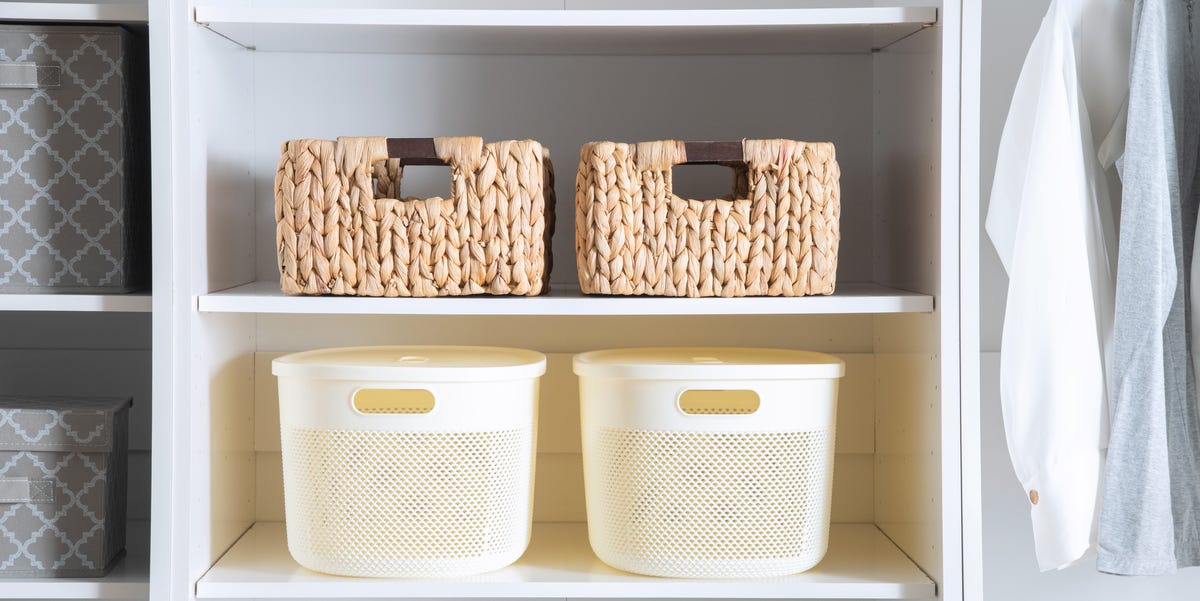
Professional organizers regularly warn against buying “pretty” storage just because it looks charming on a shelf. Tapered bins waste usable space. Wicker baskets can snag clothes, collect dust, and get heavy fast. Fragile containers may look polished, but if they are annoying to lift, clean, or move around, they become a daily nuisance.
This is one of the most common home organizing mistakes because attractive storage tricks people into believing they are being productive. In reality, decorative bins often become clutter in costume. They may hide the mess, but they do not improve access, capacity, or habits.
What to buy instead
Choose lightweight, durable containers that fit the exact shelf or drawer where they will live. The best storage solutions are easy to wipe down, simple to carry, and boring in the most beautiful way.
2. Bins and Baskets Bought Before You Declutter
If pro organizers had a universal slogan, this might be it: declutter first, buy second. Buying storage before editing your belongings feels productive, but it usually leads to overstuffed containers, wasted money, and systems that never really fit the space.
This happens because you are solving the wrong problem. The issue is not always “I need more bins.” Sometimes it is “I own three garlic presses, six half-used candles, and enough reusable shopping totes to open a tiny gift shop.” No basket on earth can fix that long-term.
When you buy containers too early, you also tend to buy for fantasy quantities instead of real ones. Suddenly, your closet is organized around who you hoped to become, not what you actually wear on a Tuesday.
What to buy instead
Empty the space, sort what stays, measure the area, and then buy only the storage you need. It is less exciting than impulse-buying acrylic bins, but it works.
3. Flimsy Discount Bins and Cheap Plastic Drawer Units
Budget-friendly organizing products can be helpful, but many professional organizers say ultra-cheap bins and stacked plastic drawers are false bargains. They crack, warp, stick, wobble, and eventually become one more problem to replace.
Cheap storage also creates inconsistency. You buy two bins, love them, come back a month later, and that style has vanished into retail heaven. Now your pantry looks like a support group for mismatched plastic.
In busy homes, durability matters. If a drawer jams every time you open it, or a bin buckles when it is half full, your system will not stick. Convenience is not a bonus in home organization. It is the whole point.
What to buy instead
Buy fewer, sturdier pieces from a line you can replace or expand later. Good organizers think in systems, not one-off bargains.
4. Hyper-Specific Organizers With Only One Tiny Purpose
Organizers are deeply suspicious of products invented to solve extremely narrow problems. Think over-the-door pocket systems, vacuum storage bags for everyday use, sock-only dividers, scarf hangers, tiered pant hangers, and other gadgets that promise to revolutionize one square foot of your life.
These items often look clever in theory and frustrating in real life. They limit what can fit inside, require constant upkeep, and do not adapt when your belongings change. If your storage product only works for one type of sock, one type of scarf, and one phase of the moon, it may not be the organizing breakthrough it claims to be.
Pro organizers usually prefer flexible storage that can evolve with your habits. Life changes. Your systems should too.
What to buy instead
Use simple drawers, shelves, baskets, or standard bins that can hold different categories over time. Flexibility beats gimmicks almost every time.
5. Stackable Fridge Bins That Turn Your Refrigerator Into a Plastic Maze
Yes, clear stackable fridge bins look fantastic in photos. No, that does not mean they make sense for every household. Pro organizers often point out that these bins become awkward fast when groceries change, family members ignore categories, or leftovers start freelancing.
Instead of helping, too many fridge organizers can make cleaning harder and reduce usable space. They also tempt people to over-containerize basic items that were already doing fine in their original packaging. Your yogurt does not always need its own luxury condo.
This is one of those home items that often creates a high-maintenance system in a place that needs low-maintenance habits.
What to buy instead
Use only a few bins for categories that truly drift around, like snack packs or condiments. Leave the rest of the refrigerator easy to adjust and easy to wipe down.
6. Free-Standing Coat Racks
Professional organizers love to call coat racks what they often become: clutter magnets. At first, they hold coats. Then they collect hats, scarves, tote bags, umbrellas, yesterday’s hoodie, a dog leash, and something no one in the family is willing to claim.
The problem is not the hook itself. It is the unlimited permission structure. A free-standing coat rack says, “Pile it here, future you will figure it out.” Spoiler: future you is tired.
In a small entryway, a bulky rack can also make the room feel crowded and messy even when technically everything is “put away.”
What to buy instead
Install a limited number of wall hooks and rotate seasonal outerwear elsewhere. Boundaries are surprisingly beautiful.
7. Over-the-Toilet Shelving Units
These units are popular because they seem like an easy way to create bathroom storage from thin air. But many organizers do not love them. They can look bulky, crowd a small bathroom, and invite you to store too much directly over the toilet. That is not exactly the spa energy most people are aiming for.
They also become a strange home for random extras: old lotions, backup soap, half-used candles, curled magazines from another era, and towels you forgot you disliked. Instead of making the room feel organized, they can make it feel visually noisy.
What to buy instead
Try one floating shelf, a slim cabinet, or a lidded basket placed elsewhere in the room. Less storage can actually make a bathroom function better.
8. Bulky Wooden Hangers for Everyday Clothing
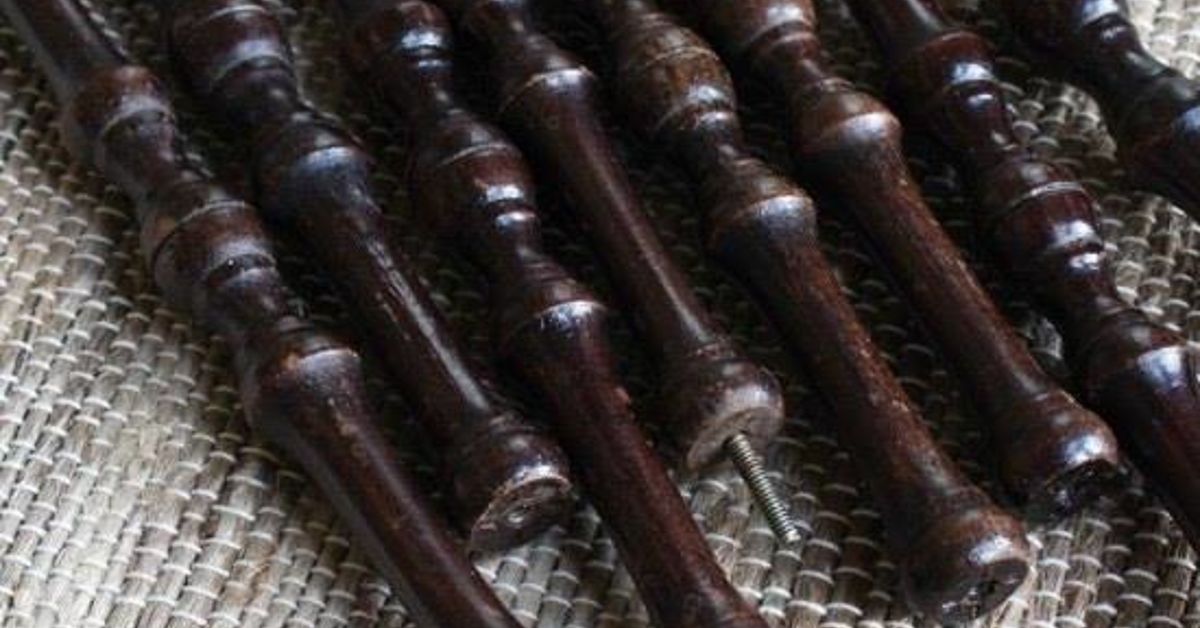
Wooden hangers look sophisticated, but professional organizers often skip them for everyday closet use. They take up more rod space, add visual bulk, and can let certain fabrics slide off. In a crowded closet, that extra thickness matters more than people think.
Closets work best when they are easy to scan and easy to use. If your hangers are beautiful but your shirts are shoulder-checking each other every morning, the system is not serving you.
This is a good reminder that stylish does not always equal practical. Sometimes the glamorous solution is just a larger version of the problem.
What to buy instead
Use slim, uniform hangers for most clothing and reserve specialty hangers only for items that truly need them, like heavy coats or structured suits.
9. Label Makers You Use Before Your System Is Stable
Labels can absolutely be helpful. But many organizers warn against buying a label maker too early or using labels as decoration instead of direction. A labeled mess is still a mess; it is just a more confident one.
When people label bins before the system is tested, categories often change within a week. Then the home ends up with crossed-out stickers, abandoned containers, and a weird sense of failure that is totally unnecessary. Labels should support habits that already work, not pressure you into habits that never made sense.
What to buy instead
Start with temporary handwritten labels or none at all. Once the system proves itself, add clean labels only where they genuinely improve maintenance for everyone in the house.
10. Stacked Desk Trays for a Paper Problem You Should Solve at the Source
Paper trays feel like office productivity in physical form, but pro organizers say they often become a monument to delayed decisions. Bills, school forms, receipts, takeout menus, instruction manuals, and mystery coupons all stack up because there is a tray available to absorb them.
The better strategy is not better paper furniture. It is less paper. Many organizers recommend going digital with bills, statements, receipts, warranties, and manuals whenever possible. Once you do that, you may discover you never needed a tower of desk trays in the first place.
What to buy instead
Create a simple paper system with just a small inbox and three actions: file, act, or recycle. Your desk will look better, and your brain will feel less haunted.
11. Duplicate Single-Use Kitchen Gadgets and “Someday” Appliances
The kitchen is one of the biggest clutter zones in any home, and pro organizers say unused gadgets are a major reason why. Strawberry hullers, novelty slicers, lonely fondue pots, backup waffle makers, and appliances still in their original boxes all compete for valuable cabinet space.
Many households are also holding onto “someday” items: the juicer for Future Healthy You, the bread machine for Future Weekend You, the ice cream maker for Future Ambitious Summer You. Organizers see this constantly. If an item is more fantasy than routine, it is not really earning its square footage.
Keeping too many kitchen gadgets makes daily cooking harder because the tools you actually use are buried behind the ones you do not.
What to buy instead
Stick with multipurpose tools and appliances you use regularly. In a functional kitchen, accessibility beats aspiration.
What Pro Organizers Want You to Buy Instead
After all that “don’t buy this” energy, here is the encouraging part: professional organizers are not trying to strip your home down to one spoon and a floor lamp. They simply want purchases to match real life.
- Buy flexible storage, not highly specialized gadgets.
- Buy durable pieces, not disposable plastic frustration.
- Buy after measuring and decluttering, not before.
- Buy systems that reduce decisions, not products that create more of them.
- Buy for your actual habits, not your fantasy self.
That last one is huge. The most organized homes are not the most heavily equipped. They are the most intentional. Every item has a reason to be there, and every system is simple enough to survive a busy weekday.
Conclusion
The truth is, clutter usually does not arrive in one dramatic wave. It sneaks in through small, well-meaning purchases: the cute bin, the extra tray, the backup gadget, the organizer that promised to save your life and instead ate half a shelf. Pro organizers know that a tidy home is built less by buying more and more by choosing better.
So before you bring home another “solution,” pause and ask a brutally useful question: Will this item make my daily life easier, or will it simply give my clutter a prettier place to sit? If the answer is the second one, save your money and your cabinet space.
Extra Experience-Based Takeaways From Real-Life Organizing Mistakes
One reason this advice resonates so strongly is that almost everyone has lived some version of it. You buy a cheerful basket for the entryway, and within two weeks it becomes a holding zone for unopened mail, sunglasses, dog treats, receipts, two gloves that are not friends, and a charging cable that belongs to absolutely nothing you still own. The basket is not the villain, but it gave clutter a permanent mailing address.
The same thing happens in kitchens. Plenty of people buy a specialty gadget because it feels like a shortcut to becoming more organized, healthier, or more efficient. Then real life shows up. The gadget is annoying to wash, too bulky for the drawer, or only useful for one food you make every third eclipse. Soon, it is shoved behind the toaster, where it quietly judges you until the next cabinet clean-out.
Closets tell a similar story. A set of bulky hangers looks elegant for about nine minutes, right up until your clothes stop fitting comfortably on the rod. Then getting dressed becomes a daily wrestling match. Meanwhile, a fancy scarf organizer or tiered hanger that seemed so smart online turns out to be awkward to use when you are in a hurry. Real homes are won or lost in those hurried moments. If the system is annoying at 7:20 a.m., it is not a good system.
Paper clutter is another classic example. Many people assume the answer is buying trays, folders, desktop sorters, and maybe one heroic label maker. But the actual relief usually comes from reducing the paper entering the home in the first place. Once bills, receipts, warranties, and manuals go digital, the giant desk organizer suddenly looks like a monument built for a problem you no longer want.
Bathroom and bedroom purchases can be just as sneaky. An over-the-toilet shelf seems practical until it starts storing random extras you forgot existed. A bed with built-in drawers sounds efficient until the drawers are blocked by furniture or filled with things you never needed nearby anyway. In experience after experience, the pattern is the same: when storage is too easy to fill, it often gets filled with low-value stuff.
That is really the lesson behind all 11 items. Professional organizers are not just talking about products. They are talking about behavior. The wrong item encourages postponing decisions, keeping duplicates, shopping emotionally, or storing things out of guilt. The right item supports routines you can maintain when life is messy, schedules are packed, and nobody is in the mood to alphabetize snacks.
If you have bought some of these products before, that does not mean you failed. It means you are a human being with access to stores, social media, and very persuasive packaging. The win is noticing what does not work and choosing differently next time. That is how real homes get more organized: not through perfection, but through smarter, calmer decisions repeated over time.
SEO Tags
Note: This article is formatted as a clean HTML body section for web publishing and has been written without stray citation artifacts or placeholder reference text.