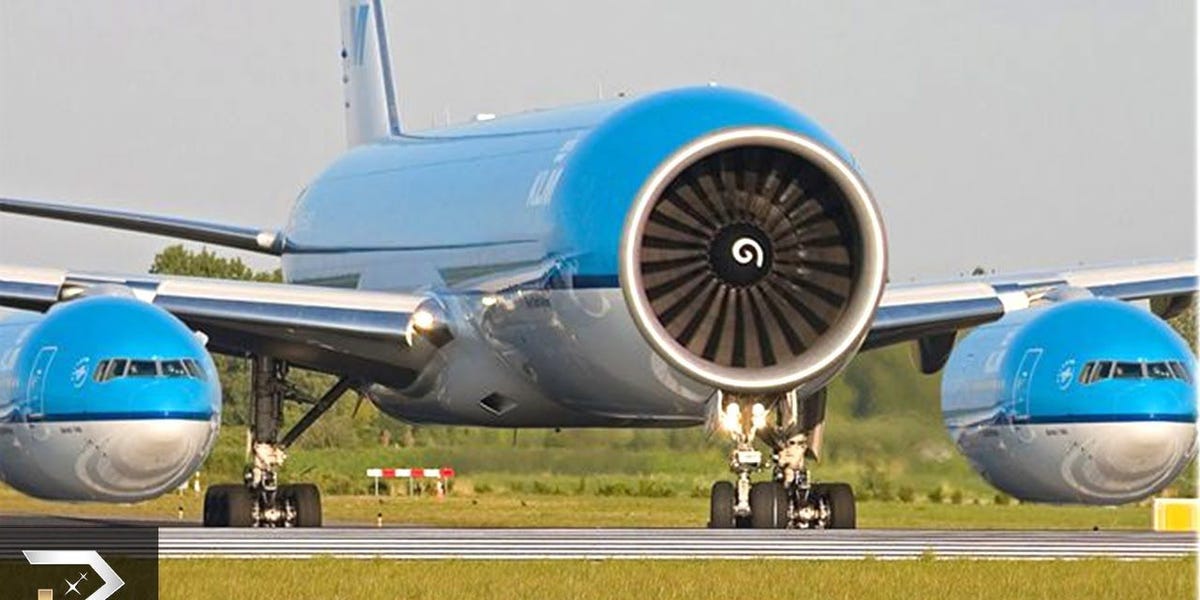
Somewhere in the wild hangar of YouTube, a six-deck passenger jet with twenty engines, a fuselage shaped like a hotel hallway, and wings apparently borrowed from a small country is preparing for takeoff. The thumbnail promises the “largest aircraft ever built.” The title shouts “real footage.” The video begins with dramatic music, shaky stock clips, and a narrator who sounds deeply committed to the idea that physics is more of a suggestion than a rule.
Welcome to the strange, irresistible world of fake airliners on YouTube: a place where Photoshop, CGI, recycled aviation clips, misleading thumbnails, and algorithm-friendly exaggeration combine to create aircraft that are incredible, impossible, and often hilariously fake. These videos are not always dangerous misinformation in the dramatic sense. Many are closer to aviation carnival games: step right up, guess whether the plane could fly, and try not to lose your remaining faith in thumbnails.
But the trend is worth taking seriously because it reveals something bigger than one silly fake airplane video. It shows how online attention works, why aviation is uniquely vulnerable to visual exaggeration, and how even smart viewers can be tricked when a fantasy aircraft looks just realistic enough to pass the two-second scroll test.
Why Fake Airliners Work So Well Online
Airplanes already look impossible. A fully loaded Airbus A380 weighs hundreds of tons, carries hundreds of passengers, and still lifts off with the calm confidence of a swan that studied engineering. A Boeing 747 looks like a building with wings. The Airbus BelugaXL looks like a whale that got a logistics degree. Stratolaunch’s Roc, with its twin fuselage and massive wingspan, looks like two aircraft agreed to become roommates and never moved out.
Because real aviation is already spectacular, fake aviation has an easy runway. A creator does not need to invent a dragon-shaped aircraft to fool casual viewers. They only need to stretch an existing plane, add extra decks, paste on more engines, and surround the image with phrases like “secret aircraft,” “banned by airlines,” or “engineers shocked.” Congratulations: the thumbnail is now ready to taxi directly into your curiosity.
The Anatomy of an Impossible YouTube Airliner
Most fake airliner videos follow a familiar recipe. First comes the thumbnail: a massive aircraft with too many engines, too many floors, or landing gear that appears to have been designed by someone who has only seen wheels in dreams. Then comes the title, usually written in maximum-volume internet language: “The Biggest Plane Ever Built,” “This Aircraft Should Not Exist,” or “Airbus’ Secret 10,000 Passenger Jet.”
The video itself often fails to deliver the promised aircraft. Instead, viewers get a montage of real airplane footage, concept art, stock clips, flight simulator scenes, old military aircraft, and sometimes unrelated disaster footage. The fake plane from the thumbnail may never appear again. It has completed its mission: it got the click.
Common Signs of a Fake Airliner Video
One clue is scale. If a passenger aircraft has six passenger decks, ask where the airport would put the jet bridge. Actually, ask where it would put the airport. Real aircraft design must account for runway length, gate compatibility, evacuation rules, weight, fuel efficiency, structural stress, cargo loading, maintenance access, and certification. A thumbnail artist only needs a copy-paste tool and the courage to ignore gravity.
Another clue is engine placement. Many fake airliners simply add engines wherever there is blank space. Real engine placement affects aerodynamics, wing structure, fuel systems, maintenance, noise, balance, and emergency procedures. In fake aircraft art, engines multiply like rabbits with turbofans.
Text overlays are also suspicious. Phrases like “only pilot knows this,” “hidden from public,” and “banned footage” are the aviation-clickbait equivalent of a fake mustache. They are not proof of deception by themselves, but they are a strong hint that the video is selling drama before information.
Real Aircraft That Look FakeAnd Why That Matters
The funny thing is that aviation history contains plenty of real aircraft that look like they escaped from a fake thumbnail. The Airbus A380 is the largest passenger airliner ever built and the only full-length double-deck passenger aircraft. In an all-economy layout, it can carry more than 850 passengers. That is not a bus with wings; that is a small neighborhood with tray tables.
The Boeing 747 also trained generations of travelers to accept the idea that a jumbo jet could have a hump, four engines, and the emotional presence of a flying ocean liner. The 747-8 stretched that classic design even further, proving that “large” and “elegant” can coexist, provided you have enough runway and a very serious maintenance budget.
Then there are cargo aircraft like the Airbus BelugaXL, built to transport oversized aircraft components. Its huge upper fuselage makes it look like an Airbus A330 swallowed a blimp, but it is real, useful, and carefully engineered. Stratolaunch’s Roc is another reality-bending example: a twin-fuselage aircraft designed as an air-launch platform for hypersonic testing. If you saw it badly edited into a YouTube thumbnail, you might call it fake. Yet it exists.
This is why fake airliner videos thrive. The border between “real but weird” and “fake but plausible” is surprisingly thin for people who do not follow aviation closely. A casual viewer may not know the difference between a certified outsize cargo aircraft and a digital aircraft lasagna with wings.
The Clickbait Economy: Why Creators Make Fake Planes
Fake airliner videos exist because attention has value. A dramatic thumbnail increases the chance of a click. A click increases watch time. Watch time can feed recommendations, ad revenue, subscriber growth, and channel visibility. Even when a video is low quality, the promise of seeing something unbelievable can be enough to pull viewers in.
This is not unique to aviation. YouTube has long struggled with misleading titles, thumbnails, reused footage, exaggerated claims, and videos that promise one thing but deliver another. Aviation simply gives clickbait creators excellent raw materials: dramatic machines, high stakes, big numbers, and a global audience fascinated by flight.
The fake airliner format also benefits from translation-friendly visuals. A strange plane needs little explanation. Whether a viewer speaks English, Spanish, Vietnamese, Hindi, or no aviation language at all, a thumbnail showing a 12-engine superjumbo triggers the same reaction: “Wait, is that real?” That moment of uncertainty is the business model.
Why Aviation Fans Keep Watching Anyway
Here is the awkward truth: even people who know these videos are fake sometimes click them. Aviation fans may watch to laugh, debunk, or admire the sheer creative nonsense. There is a special kind of joy in seeing a fake “future Boeing 999X” with wings so long they would need their own postal code.
Part of the appeal is imaginative. Fake airliners are bad engineering but good fantasy. They ask, “What if airplanes could be bigger, stranger, louder, more luxurious, and less bothered by physics?” That question has powered science fiction, concept art, and children’s drawings for generations. YouTube just added ads and suspicious narration.
The problem begins when fantasy disguises itself as fact. A concept aircraft clearly labeled as speculative is harmless fun. A fake aircraft presented as real footage is deceptive. A video that uses stolen clips, false claims, and manipulated images is not aviation education; it is a turbulence simulator for the truth.
How to Spot Fake Airliners Before You Waste Ten Minutes
Check the Aircraft Name
If the video claims to show a real aircraft, search the name. Real commercial aircraft programs leave a huge paper trail: manufacturer pages, certification records, airline orders, airport planning documents, test flights, trade coverage, and photographs from multiple sources. If the only evidence is one YouTube video with dramatic music, the aircraft may belong to the Republic of Clickbait.
Look for Physical Practicality
Ask basic questions. Could the aircraft fit at an airport gate? Could passengers evacuate safely? Are the wings large enough for the claimed weight? Do the engines appear structurally attached, or do they look like someone glued them on during lunch? Does the landing gear make sense for the load? Fake aircraft often collapse under simple practical questions.
Compare the Thumbnail to the Video
If the thumbnail shows a monstrous six-deck jet but the video only contains clips of normal A380s, 747s, and military cargo planes, you have your answer. The thumbnail was bait. The aircraft was not delayed; it never existed.
Watch for Reused Footage
Many fake aviation videos recycle well-known clips from airshows, manufacturer promos, flight simulators, documentaries, and news reports. If the editing jumps between different aircraft, liveries, weather conditions, and video qualities, the creator may be stitching together whatever footage was available.
Beware of “Secret” Civil Airliners
Military aircraft can be secretive. Commercial airliners cannot stay secret for long. Passenger aircraft require airports, airlines, suppliers, regulators, maintenance crews, pilots, training programs, and enormous manufacturing facilities. A “secret 5,000-passenger airline jet” would be about as easy to hide as a marching band in a library.
The Role of AI and CGI in the Next Wave of Fake Aircraft
The next generation of fake airliner content will be harder to spot. Older fake thumbnails often had obvious Photoshop problems: mismatched lighting, blurry edges, distorted windows, or engines copied at strange angles. Newer AI-generated images and video tools can create cleaner, more convincing fake aircraft. The results may still be aerodynamically ridiculous, but they can look polished enough to fool viewers at a glance.
Flight simulators also complicate the picture. Modern simulators can produce realistic aircraft footage, especially when viewed through compression on a phone screen. That does not make simulation bad. Simulation is valuable for training, entertainment, and education. The issue is labeling. A simulator clip presented as “real emergency landing footage” crosses the line from creative media into deception.
As AI video improves, viewers will need stronger media habits. The old advice “seeing is believing” needs an update: seeing is the beginning of checking. If an aircraft looks impossible, treat it as a question, not a fact.
Why Fake Airliner Videos Can Still Teach Us Something
Oddly enough, fake airliners can make people more curious about real aviation. A ridiculous thumbnail may lead someone to ask why aircraft do not have six decks, why engines are placed where they are, how wings generate lift, why airport infrastructure limits aircraft size, or why airlines prefer efficiency over spectacle. That curiosity is valuable.
The best response to fake aviation content is not just mockery. It is better aviation literacy. Viewers do not need to become aerospace engineers to avoid being fooled. They only need a few mental tools: check the source, compare claims, understand basic flight forces, and remember that real aircraft are designed through years of testing, not through thumbnail enthusiasm.
The Experience of Falling Into the Fake Airliner Rabbit Hole
Watching fake airliner videos can feel like wandering through a digital air museum curated by a raccoon with editing software. One moment you are looking for information about the Airbus A380. Three recommendations later, you are staring at a “Boeing 797 Megaliner” that appears to have two 747s stacked on top of a cruise ship. The thumbnail says it carries 3,000 passengers. The comments are fighting. The narrator says “engineers were amazed.” Somewhere, an actual engineer quietly closes the laptop.
The experience is funny because the exaggeration is so bold. These videos do not whisper. They arrive wearing a neon vest and waving marshalling wands. They promise forbidden designs, impossible landings, and aircraft that supposedly make today’s jets obsolete. The more impossible the claim, the more clickable it becomes.
For aviation enthusiasts, the rabbit hole becomes a game. You start identifying the parts: “That nose is from an A380, those wings are from a 747, that tail looks like a C-17, and those engines were definitely duplicated with the clone stamp tool.” It is like birdwatching, except the bird is fake and has sixteen turbofans.
For casual viewers, the experience can be confusing. Not everyone knows that commercial aircraft development takes decades, billions of dollars, and intense regulatory oversight. Not everyone knows that the A380 already pushed the practical limits of passenger-aircraft size. Not everyone knows that adding more engines does not magically solve weight, drag, structural stress, airport compatibility, or fuel burn. Fake videos exploit that knowledge gap.
That is why the best viewing habit is playful skepticism. Enjoy the spectacle, but keep one eyebrow raised. Ask whether the video provides manufacturer data, real test footage, credible reporting, or consistent visuals. If the answer is no, enjoy it as internet folklore, not aviation news.
There is also a nostalgic charm to the whole mess. Fake airliner thumbnails are the modern version of old magazine covers promising flying cars by next Tuesday. They represent a very human desire: we want machines to keep getting bigger, faster, stranger, and more dramatic. We want the future to look like a poster on a teenager’s wall. Even when the execution is deceptive, the fascination behind it is real.
Still, viewers deserve honesty. A creator can make a wonderful video about imaginary aircraft, future concepts, or impossible designs without pretending they are real. Label it as speculative. Explain the engineering problems. Turn the fantasy into education. The internet has room for both wonder and accuracy. In fact, aviation is more impressive when the truth is allowed to do the flying.
Conclusion: The Fake Planes Are Impossible, But the Lesson Is Real
The incredible, impossible, fake airliners of YouTube are more than silly thumbnails. They are tiny case studies in modern attention: how images persuade, how curiosity gets monetized, and how easily “that looks real enough” can become a click. They also remind us that real aviation is already astonishing. The A380, 747, BelugaXL, Roc, and other unusual aircraft do not need fake decks or fantasy engines to be impressive.
So the next time YouTube recommends a video about a secret mega-airliner with a shopping mall, swimming pool, twelve engines, and a runway requirement roughly equal to Nebraska, go ahead and smile. Click if you must. But bring your skepticism as carry-on luggage. It fits under the seat, and unlike the fake plane, it will actually fly.