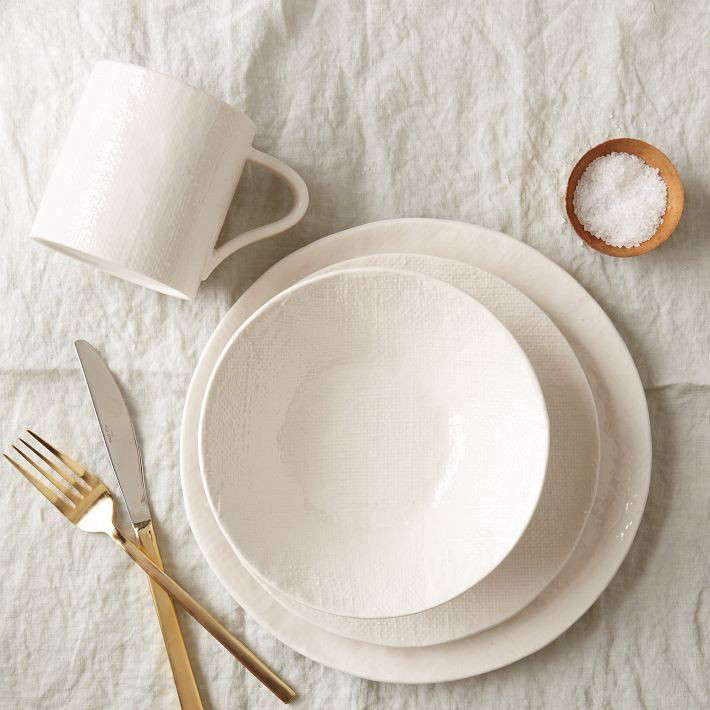
A linen textured dinnerware set is what happens when your table wants to look relaxed, refined, and slightly better dressed than everyone else in the room. It borrows the soft, woven look of linen fabric and translates it into plates, bowls, and mugs with subtle texture, warm neutral color, and a handmade-inspired finish. The result is dinnerware that feels casual enough for Tuesday pasta but polished enough for a holiday table where someone actually folds the napkins.
Unlike glossy white dishes that can sometimes feel a little too “hotel breakfast buffet,” linen textured dishes bring depth. They catch the light. They add movement. They make roasted vegetables look intentional instead of “whatever was left in the fridge.” Whether made from stoneware, ceramic, porcelain, or a blended clay body, this style has become popular because it fits several design moods at once: organic modern, coastal farmhouse, minimalist, rustic, Scandinavian, and warm contemporary.
The best part? You do not need a professional tablescape consultant named Margot to make it work. A good linen finish dinnerware set does much of the visual heavy lifting on its own.
What Is a Linen Textured Dinnerware Set?
A linen textured dinnerware set usually refers to plates, bowls, and sometimes mugs designed with a surface that resembles woven linen fabric or a soft linen-like glaze. The texture may be very subtle, like a fine crosshatch, or more noticeable, with ridges, speckles, uneven edges, matte glaze, or a hand-thrown appearance.
Most sets are sold as service for four, six, or eight. A 12-piece set commonly includes dinner plates, salad plates, and bowls. A 16-piece dinnerware set may add mugs. Larger 24-piece sets often include enough pieces for bigger households or frequent hosts. Some collections are open-stock, meaning you can buy individual dinner plates, cereal bowls, pasta bowls, serving platters, or replacement pieces without purchasing the whole set again. That matters if your household has a mysterious spoon drawer and at least one person who treats dishes like Olympic discus equipment.
Common Pieces in a Linen Textured Dinnerware Set
A practical set often includes:
- Dinner plates: Usually 10 to 11 inches, suitable for main courses.
- Salad plates: Often 7.5 to 9 inches, useful for appetizers, desserts, toast, or “I am not that hungry” meals.
- Bowls: Used for cereal, soup, grain bowls, pasta, ramen, or snacks.
- Mugs: Included in many 16-piece sets, although some modern sets skip mugs in favor of pasta bowls.
- Serveware: Matching platters, serving bowls, and dipping bowls may be available in larger collections.
Why Linen Texture Works So Well on the Table
Linen has always been associated with easy elegance. Real linen tablecloths and napkins look breezy, natural, and slightly imperfect in a charming way. When that same visual feeling appears on ceramic dinnerware, it softens the table. The texture gives the eye something to enjoy without turning every place setting into a theatrical production.
A linen textured plate also solves a common design problem: plain dishes can feel boring, while highly patterned dishes can become exhausting. A linen-inspired texture sits comfortably in the middle. It is not screaming for attention, but it is not whispering into the mashed potatoes either.
The Beauty of Neutral Dinnerware
Most linen textured dinnerware sets come in shades like cream, ivory, oatmeal, beige, warm white, light gray, greige, soft taupe, or stone. These colors are popular because they make food look good. Tomato sauce looks richer on a cream plate. Green salad looks fresher. Chocolate cake looks dramatic, which is important because cake deserves emotional lighting.
Neutral dinnerware is also flexible. It pairs easily with wood tables, marble counters, woven placemats, brass flatware, black cutlery, colored glassware, or seasonal napkins. You can dress it up with candles and linen runners, or keep it simple with everyday stainless steel utensils and a stack of paper napkins you pretend are “casual chic.”
Best Materials for Linen Textured Dinnerware
The look may be linen-inspired, but the material underneath is usually ceramic. Choosing the right material affects weight, durability, care, and price. The most common options are stoneware, porcelain, ceramic, and occasionally melamine for outdoor use.
Stoneware
Stoneware is one of the most common materials for textured dinnerware. It is fired at high temperatures, giving it a sturdy feel and a dense body. Stoneware often has a slightly rustic, handcrafted quality, making it a natural fit for linen texture, matte glazes, reactive finishes, and organic shapes.
A textured stoneware dinnerware set is ideal for everyday dining because it feels substantial without looking fussy. Many stoneware dishes are labeled dishwasher safe and microwave safe, although you should always check the specific product details. Some stoneware can also be oven safe to certain temperatures, but not every piece is designed for that. Translation: do not assume your beautiful bowl wants to become a casserole dish unless the care instructions say so.
Porcelain
Porcelain is another strong choice. It is usually thinner, smoother, and more refined than stoneware. Because porcelain is fired at very high temperatures, it can be durable while still looking elegant. A linen textured porcelain set may feel lighter and more formal than stoneware, especially if the finish is soft white or ivory.
Porcelain works well for people who want dinnerware that transitions from weeknight meals to dinner parties without changing outfits. It is a little like the friend who can wear jeans to brunch and a blazer to a wedding and somehow make both look effortless.
General Ceramic Dinnerware
Ceramic is a broad category that includes stoneware, porcelain, and earthenware. Many retailers use “ceramic dinnerware” as a general term, so it is worth reading the fine print. A ceramic linen texture set can be beautiful and affordable, but durability depends on the exact clay, glaze, firing process, and finish.
Melamine for Outdoor Dining
If you love the look of linen textured dishes but eat outside often, melamine may be worth considering. It is lightweight and less breakable than ceramic, which makes it practical for patios, poolside meals, picnics, and households where gravity has a personal vendetta against your plates. However, melamine is generally not microwave safe, so it is better for serving than reheating.
How to Choose the Best Linen Textured Dinnerware Set
Buying dinnerware seems simple until you are comparing twelve nearly identical cream plates at midnight and questioning your entire personality. To make the process easier, focus on how you actually live.
1. Choose the Right Set Size
For one or two people, a 12-piece set may be enough. For a family, service for four or six is usually more practical. If you entertain often, consider service for eight or choose an open-stock collection so you can build gradually.
A smart rule is to own at least two more place settings than your usual household count. That gives you backup for guests, breakage, or the plate currently living under someone’s bed with toast crumbs from an earlier era.
2. Check Plate Dimensions
Large plates look luxurious, but they may not fit smaller cabinets or compact dishwashers. Before buying, measure your cabinet depth and dishwasher rack space. A beautiful 11.5-inch plate loses a little romance when the cabinet door refuses to close.
3. Consider Bowl Shape
Bowls matter more than people think. Shallow bowls are great for pasta, salads, risotto, and grain bowls. Deep cereal bowls are better for soup, oatmeal, and snacks. If your household eats a lot of one-bowl meals, look for a set that includes wide pasta bowls instead of mugs.
4. Look at the Texture
Some linen textured dinnerware has a fine woven pattern. Other sets use linen as a color description, meaning the dishes are linen cream or linen white rather than physically textured. Both can be attractive, but they create different experiences. A true raised texture feels more tactile, while a smooth linen-hued glaze is easier to wipe clean.
5. Read the Care Label
For everyday use, look for dishwasher safe dinnerware and microwave safe plates. Avoid microwaving dishes with metallic rims, gold accents, silver banding, or decorative metal details. Also check whether the pieces are oven safe, freezer safe, or recommended for hand washing only.
Design Styles That Pair Beautifully With Linen Dinnerware
A linen textured dinnerware set is versatile because it behaves like a neutral base with personality. Here are some of the best ways to style it.
Organic Modern
Pair cream linen plates with matte black flatware, ribbed glassware, a wood serving board, and a simple vase of branches. The table will look calm, expensive, and like nobody panicked five minutes before guests arrived.
Coastal Casual
Use linen white dinnerware with blue napkins, woven chargers, clear glass tumblers, and a striped runner. Add seafood, citrus, or grilled vegetables and you have a beach-house mood, even if the nearest ocean is a screensaver.
Modern Farmhouse
Combine linen textured stoneware with wood chargers, cotton napkins, black lanterns, and simple greenery. This creates warmth without leaning too hard into “barn wedding in a mason jar.”
Minimalist Everyday
Let the dishes do the work. Stack them neatly on an open shelf, use simple stainless flatware, and keep the palette soft. The texture adds interest while the overall look stays clean.
Benefits of a Linen Textured Dinnerware Set
It Makes Everyday Meals Feel More Intentional
There is something oddly powerful about eating from a plate you actually like. A sandwich becomes lunch, not just bread holding your schedule together. A bowl of soup looks cozy. Takeout looks less like surrender and more like a plating choice.
It Blends With Seasonal Decor
Linen dinnerware works year-round. In spring, pair it with pale greens and flowers. In summer, add rattan and citrus colors. In fall, use amber glassware and wood accents. In winter, bring in candles, evergreen sprigs, and deeper napkins. The dishes remain neutral while the table changes around them.
It Feels Handmade Without Being Too Rustic
Many linen textured sets include slight variations in glaze, edge shape, or surface detail. These variations create a handcrafted effect. The table feels collected and warm, not overly perfect. That is helpful because real life includes sauce splatters, mismatched chairs, and at least one guest who asks where the serving spoon is while holding it.
It Photographs Well
For food bloggers, home cooks, hosts, and anyone who has ever taken a picture of brunch before eating it, linen textured dishes are very camera friendly. The soft surface reduces glare, the neutral color supports the food, and the texture adds dimension in close-up shots.
Possible Drawbacks to Consider
No dinnerware style is perfect. Linen textured sets are beautiful, but a few details are worth considering before you buy.
Textured Surfaces May Need Extra Cleaning
If the texture is deeply raised, small food particles may cling more easily than they would on a smooth glazed plate. This is usually not a major problem, especially if the dishes are dishwasher safe, but it is something to remember if you prefer ultra-smooth surfaces.
Matte Glazes Can Show Utensil Marks
Some matte or semi-matte dinnerware may show gray marks from metal utensils over time. These are often metal transfer marks rather than scratches in the ceramic itself. Gentle non-abrasive cleaners may help, but always follow the manufacturer’s care instructions first.
Stoneware Can Be Heavy
Stoneware feels sturdy, which many people love. However, a full stack of large stoneware plates can be heavy. If you have high shelves, limited hand strength, or children helping set the table, weight matters.
Color Variations Are Part of the Charm
Reactive glazes and handmade-inspired finishes often create slight differences from piece to piece. This is a feature, not a flaw, but it may bother people who want every plate to match with laboratory precision.
Care Tips for Linen Textured Dinnerware
To keep your dinnerware looking lovely, treat it well. You do not need to tuck it in at night, but a little care goes a long way.
Wash Gently
If your set is dishwasher safe, load pieces with enough space between them so edges do not knock together. For hand washing, use a soft sponge and mild dish soap. Avoid steel wool or harsh scouring pads, especially on matte or textured finishes.
Avoid Sudden Temperature Changes
Do not move a cold plate straight into a hot oven or place a very hot dish on a cold wet surface unless the product is specifically designed for that. Sudden temperature shock can damage ceramic dinnerware.
Stack With Care
Stack plates evenly and avoid sliding rough bases across glazed surfaces. If the dishes have delicate rims or textured faces, consider felt protectors or soft dividers between pieces, especially for special-occasion sets.
Use the Right Piece for the Job
Microwave safe does not always mean oven safe. Dishwasher safe does not always mean immune to careless stacking. A dinner plate is not a cutting board. Yes, this needed to be said.
How to Build a Complete Table Around Linen Textured Dishes
Start with the dinnerware as your foundation. Add flatware that contrasts or complements the finish. Brushed stainless steel feels classic, matte black looks modern, brass adds warmth, and wood-handled utensils create a casual artisan mood.
For glassware, clear glasses keep the table light. Amber or smoky glass adds depth. Ribbed glass works especially well because it echoes the tactile quality of the linen texture without matching too literally.
For linens, choose napkins in soft cotton, actual linen, or a cotton-linen blend. Ivory dishes with oatmeal napkins create a tone-on-tone look. Cream plates with charcoal napkins feel more dramatic. Sage, terracotta, dusty blue, and deep olive are excellent accent colors.
Centerpieces should stay simple. A low bowl of fruit, a few taper candles, a small vase of herbs, or seasonal branches can be enough. Linen textured dinnerware already brings visual detail, so the table does not need to audition for a royal banquet.
Who Should Buy a Linen Textured Dinnerware Set?
This style is a smart choice for anyone who wants everyday dishes with a little personality. It is especially good for:
- People who love neutral home decor.
- Hosts who want dishes that work for casual and formal meals.
- Small apartments where one dinnerware set must do everything.
- Families who want durable stoneware with a softer look.
- Food lovers who care about plating and presentation.
- Gift buyers looking for a housewarming, wedding, or registry-friendly item.
Real-Life Experience: Living With a Linen Textured Dinnerware Set
The first thing you notice about a linen textured dinnerware set is that it changes the mood of the table before food even arrives. A stack of cream stoneware plates on an open shelf looks calmer than a pile of random dishes collected from three apartments, two roommates, and one mysterious yard sale. The texture gives the pieces presence. They do not look loud, but they look chosen.
In daily use, the biggest advantage is flexibility. Breakfast feels better on a linen-textured salad plate, especially if it is something simple like toast, eggs, fruit, or a pastry you absolutely intended to share but did not. The neutral surface makes colors pop. Strawberries look brighter. Scrambled eggs look softer. Even plain oatmeal appears less like a personal finance decision and more like a cozy morning ritual.
Lunch is where the bowls become the stars. A good linen textured bowl handles leftovers, soup, noodles, salad, and rice bowls without making the meal feel thrown together. There is a practical pleasure in having dishes that move easily from microwave to table, assuming the set is labeled microwave safe. The bowl looks good enough that you can skip transferring food to a “nicer” dish. That saves time, reduces cleanup, and protects you from the emotional burden of creating another dirty plate.
At dinner, linen textured plates are especially useful because they work with different cuisines. Pasta with red sauce looks warm and rustic. Grilled chicken and vegetables look clean and modern. Tacos, curry, salmon, roasted squash, and even frozen pizza all benefit from the same quiet backdrop. The texture does not compete with the food; it frames it.
When guests come over, the set feels upgraded without being intimidating. Some fancy dinnerware makes people nervous, as if one wrong fork movement might cause a financial incident. Linen textured stoneware feels welcoming. It says, “Yes, I made an effort,” but also, “Please relax, this is not a museum.” That balance is important for real entertaining. People remember warmth more than perfection.
There are small lessons you learn over time. If the finish is matte, you may notice utensil marks sooner than on glossy porcelain. If the plates are large, you may need to rearrange dishwasher racks. If the bowls are wide and shallow, they are wonderful for pasta but less ideal for very brothy soup. None of these are deal-breakers, but they are the kind of details that separate a pretty purchase from a practical one.
Storage also matters. Linen textured dinnerware often looks best when stacked neatly, but textured rims can rub if handled roughly. Using shelf liners or simple felt separators can help preserve the finish. If the dishes are heavy stoneware, storing them on a lower shelf is wise. Your future self will appreciate not performing a shoulder workout every time you need a plate.
The most enjoyable part is how easily the set adapts to seasons. In summer, it looks fresh with blue napkins and lemonade glasses. In fall, it becomes cozy with wood boards and amber candles. During the holidays, it supports greenery, metallic accents, and richer colors without clashing. In January, when everyone wants the house to feel peaceful again, the same dishes look clean and simple.
After living with a linen textured dinnerware set, you may find that it becomes your default choice, not because it is trendy, but because it is useful. It makes ordinary food look better. It works with nearly every table setting. It can be dressed up or down. Most importantly, it makes meals feel a little more cared for, even when dinner is leftovers and the centerpiece is unopened mail.
Conclusion
A linen textured dinnerware set is a practical and stylish choice for modern homes. It combines the warmth of linen-inspired design with the usefulness of everyday ceramic, stoneware, or porcelain dishes. With the right set, you get texture, neutral color, durability, and versatility in one package. That means fewer dishes sitting unused in the cabinet and more meals that feel thoughtfully served.
When shopping, pay attention to material, size, care instructions, bowl shape, texture depth, and whether replacement pieces are available. Choose stoneware if you want a sturdy, organic feel. Choose porcelain if you prefer a lighter and more refined look. Choose a smooth linen-hued glaze if easy cleaning matters most, or a raised linen texture if tactile detail is your design love language.
Beautiful dinnerware will not cook dinner for you, which is rude, frankly. But it can make the food you already serve look better, feel warmer, and bring more personality to the table. For everyday meals, special gatherings, and those nights when takeout deserves a real plate, linen textured dinnerware is a quiet upgrade that earns its cabinet space.