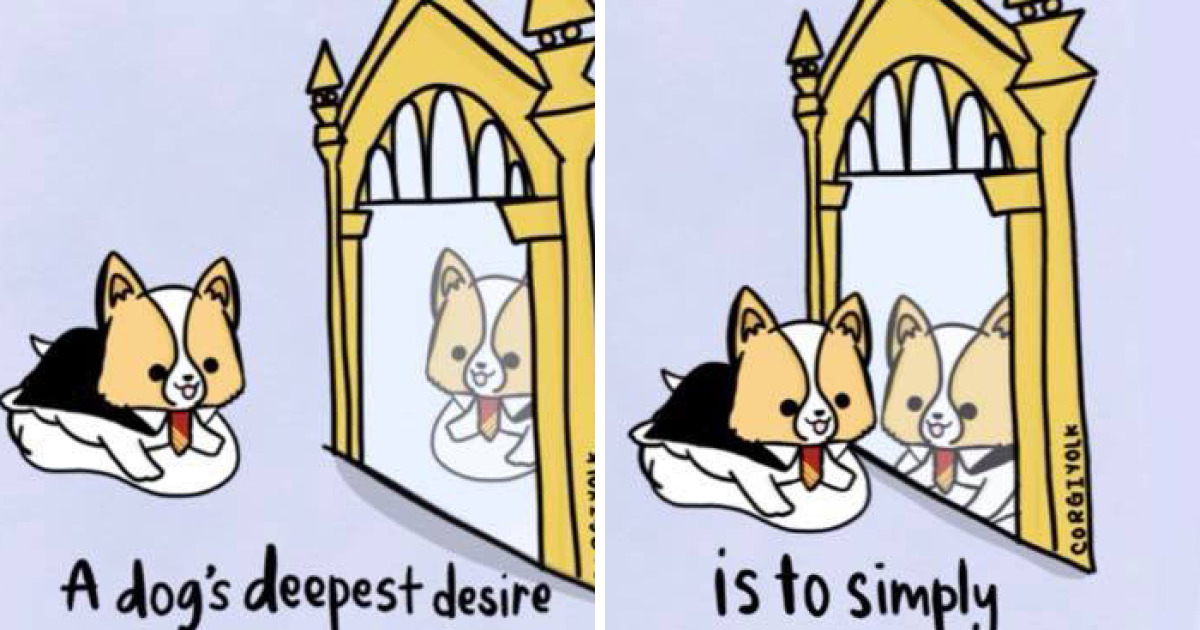
Some ideas arrive with thunder, cinematic lighting, and a dramatic soundtrack. Others arrive while you are staring at breakfast and thinking, “You know what this egg needs? Tiny corgi legs.” That is the wonderfully odd little spark behind Corgiyolk, a wholesome comic concept that combines two things the internet has never learned to resist: corgis and eggs.
At first glance, a corgi-and-egg comic sounds like something invented by a sleep-deprived brunch chef with a sketchbook. But look closer and it makes perfect sense. Corgis are compact, expressive, and built like walking loaves of bread with royal confidence. Eggs are simple, round, familiar, and endlessly pun-friendly. Put them together and you get a character that feels instantly lovable: soft, silly, and just a little bit sunny-side-up emotionally.
The charm of these comics is not only in the visual joke. It is in the emotional recipe. A small corgi-shaped yolk can carry surprisingly big themes: kindness, self-acceptance, friendship, anxiety, patience, curiosity, and the tiny victories that make ordinary days feel less scrambled. In a digital world full of noise, a gentle comic about a corgi egg can feel like a warm blanket, except with more paws.
What Is Corgiyolk?
Corgiyolk is a heartwarming webcomic idea built around an adorable corgi character inspired by eggs, puns, animals, and everyday emotional moments. The concept became known through short comics that mixed cute animal humor with encouraging messages. Instead of leaning on loud punchlines or complicated plots, the comics use visual simplicity and emotional clarity: a corgi, a small situation, and a feeling readers recognize immediately.
The name itself is a perfect little joke. “Corgi” gives us the short-legged, fluffy-bottomed dog that has conquered social media one sploot at a time. “Yolk” adds the egg theme, bringing in warmth, roundness, breakfast energy, and endless wordplay. Together, they create a character brand that is easy to remember, easy to love, and almost impossible to say without smiling.
Why Corgis Make Perfect Comic Characters
Corgis are natural cartoon stars. Their bodies already look like character design decisions: oversized ears, sturdy little legs, expressive faces, and a silhouette that can be recognized from across the room. A good comic character should be readable in an instant, and corgis pass that test with flying colors and possibly a dramatic bark.
They also have personalities that translate beautifully into panels. Corgis are known for being bright, alert, energetic, affectionate, and sometimes hilariously bossy. Historically, Welsh corgis were herding dogs, which helps explain their boldness and “small manager with a clipboard” attitude. In comic form, that combination creates instant tension: a tiny dog with the confidence of a CEO and the body length of a throw pillow.
The Power of the Corgi Silhouette
In comics, shape matters. Readers should know who they are looking at before reading a single word bubble. The corgi silhouette is wonderfully distinct: long body, short legs, large ears, fox-like face, and a fluffy backside that has frankly done more for internet happiness than many government programs.
When simplified into a comic style, the corgi becomes even stronger. A few lines can suggest ears. A rounded body can suggest softness. Tiny legs add humor without requiring a joke. Even a still corgi looks like it is about to do something important, such as protect the kingdom, chase a ball, or stare accusingly at an empty snack bowl.
Why Eggs Work So Well in Cute Comics
Eggs are one of the most universally recognizable shapes in visual culture. They are simple, friendly, and loaded with symbolic meaning. Eggs can suggest beginnings, comfort, nourishment, vulnerability, and transformation. They are also extremely funny when given facial expressions. A nervous egg? Relatable. A confident egg? Suspicious but inspiring. A corgi egg? Now we are cooking.
From a design perspective, eggs are easy to stylize. Their rounded shape makes a character feel gentle and approachable. Their color palette can be soft and cheerful. The yolk naturally suggests warmth and optimism. That is why the corgi-and-egg combination feels less random than it sounds. Both elements are cute, compact, and emotionally flexible.
Egg Puns Are Practically Built In
Let us be honest: egg puns are low-hanging fruit, except they come in cartons. “Egg-cellent,” “shellfish,” “sunny-side up,” “cracking up,” “over easy,” “don’t scramble your feelings”the material practically writes itself. The trick is not simply using puns, but using them with heart. A comic titled “Loving yourself is not shellfish,” for example, is funny because it is silly, but memorable because it points toward self-kindness.
That is where wholesome comics shine. They take a tiny joke and tuck a tiny truth inside it. Readers arrive for the cute corgi egg and leave with a small emotional snack.
The Emotional Appeal of Wholesome Animal Comics
Wholesome animal comics work because they lower the reader’s defenses. If a stranger on the internet says, “Be gentle with yourself,” many people scroll past. If a round corgi egg says it while looking like it has just survived a minor breakfast crisis, the message lands differently. Cute characters make emotional ideas feel safe, playful, and less preachy.
Animal comics also create distance from heavy feelings. A reader may not want to read a long essay about burnout, loneliness, or insecurity. But a four-panel comic about a tiny corgi learning to rest? That feels manageable. It lets people laugh, sigh, and think, “Oh no, the egg dog understands me.”
Small Comics, Big Feelings
One reason short-form comics do so well online is that they fit modern attention spans without sacrificing meaning. A comic can tell a complete emotional story in seconds. The first panel sets up the mood. The second panel introduces a conflict. The third panel twists the expectation. The fourth panel delivers the joke, lesson, or warm little “oof” that makes readers share it with a friend.
Corgiyolk-style comics often live in that space between humor and encouragement. They are not trying to win a shouting contest with the internet. They are more like a small friend tapping your shoulder and offering you a tiny plate of emotional pancakes.
How the Corgi-and-Egg Concept Becomes a Comic
Turning a cute idea into a comic series requires more than drawing one adorable character. A successful webcomic needs consistency, pacing, tone, and a reason for readers to come back. The corgi-egg concept works because it is simple enough to recognize but flexible enough to explore many situations.
A Corgiyolk comic might begin with a pun, an animal fact, a childhood memory, a moment of self-doubt, or a real-life observation. The artist then translates that idea into a visual scene. The character does not need elaborate dialogue. A small expression, a pause, a prop, or one perfectly timed line can carry the whole joke.
Step 1: Start With a Feeling
The best cute comics usually begin with a feeling, not a punchline. Maybe the feeling is uncertainty: “Will I ever figure this out?” Maybe it is self-consciousness: “Am I enough?” Maybe it is joy: “This tiny thing made my day better.” Once the feeling is clear, the comic has a direction.
For a corgi-and-egg comic, the feeling can be exaggerated through the character’s body language. Droopy ears can show disappointment. Sparkly eyes can show excitement. A cracked shell can symbolize vulnerability. A sunny yolk can suggest hope. The visual metaphor does a lot of the emotional heavy lifting.
Step 2: Keep the Design Simple
Cute comic characters benefit from simplicity. Too much detail can make a character harder to redraw and harder to read quickly. A corgi egg only needs a few core features: the egg-shaped body, corgi ears, little legs, expressive eyes, and perhaps a warm yolk-like center. Once those features are consistent, readers recognize the character instantly.
Simple design also helps with production. Webcomics often require regular posting, and a character that takes six hours to draw from every angle may soon become less of a passion project and more of a tiny fluffy landlord demanding rent.
Step 3: Let the Panels Breathe
Good comics use space. In vertical webcomics especially, spacing between panels controls pacing. A wide pause can make a joke funnier. A close-up can make a feeling stronger. A tiny character in a large empty space can communicate loneliness better than a paragraph of dialogue.
For soft, wholesome comics, breathing room is essential. The reader should not feel rushed through the emotion. A quiet panel of Corgiyolk staring at the sky, hugging a friend, or sitting beside a flower can be just as important as the punchline.
Examples of Themes That Fit Corgiyolk Comics
The best thing about the corgi-and-egg idea is its range. It can be silly one moment and tender the next. Here are a few themes that naturally fit the world of Corgiyolk:
Self-Love Without the Cheese Overload
Self-love can sound corny if handled too heavily. But when a tiny corgi egg says, “Loving yourself is not shellfish,” the message becomes light enough to enjoy. The humor keeps the lesson from becoming a motivational poster wearing too much cologne.
Friendship Across Differences
Corgiyolk comics often work well when the corgi meets other animals. A panda, mouse, bird, cat, turtle, or bear can represent different personalities and struggles. Through those encounters, the comic can explore empathy, curiosity, and the idea that everyone has a storyeven the suspicious raccoon near the trash can.
Patience and Personal Growth
Eggs already suggest growth and hatching, which makes them perfect symbols for patience. A comic about figuring life out “at your own pace” fits beautifully with an egg character. Not every yolk needs to become an omelet by Monday morning. Some dreams need time, warmth, and fewer people poking them with a spatula.
Nature, Wonder, and Tiny Discoveries
Because corgis are animals and eggs connect to life, Corgiyolk comics can easily branch into nature themes. Flowers, seasons, birds, forests, rain, stars, and small creatures all fit the gentle visual language. These settings give the comic room to be peaceful without becoming boring.
Why Readers Share Comics Like This
People share wholesome comics because they are emotional shortcuts. Sending a friend a comic can say, “I’m thinking of you,” “This reminded me of us,” “Please take care of yourself,” or “Here is a corgi egg because words are hard today.”
That shareability is powerful for SEO and social growth. Cute comics often perform well because they combine visual impact with relatable messages. The title is memorable. The character is recognizable. The emotional payoff is immediate. Search engines may care about structure and keywords, but human readers care about whether a piece makes them feel something. Ideally, it does both.
SEO Lessons From a Corgi Egg Comic
Yes, even a corgi egg can teach us about SEO. In fact, character-based comics are surprisingly good examples of brand building. The concept has a clear hook, a memorable name, a visual identity, and recurring themes. Those are the same ingredients that help content stand out online.
1. A Specific Idea Beats a Generic One
“Cute animal comics” is broad. “A webcomic about a corgi egg who teaches self-love through puns” is specific. Specific ideas are easier to remember and easier to search. They also attract a more passionate audience because readers know exactly what flavor of joy they are getting.
2. Consistency Builds Recognition
When a comic uses consistent character design, tone, and themes, readers begin to recognize it instantly. This helps with repeat visits, branded searches, social sharing, and audience loyalty. In other words, the internet may be chaotic, but it still appreciates a reliable egg dog.
3. Emotional Value Keeps People Reading
A strong title can attract clicks, but emotional value keeps readers on the page. The most successful wholesome comics are not merely cute; they offer comfort, laughter, encouragement, or a fresh way to see ordinary life. That emotional usefulness is what turns casual viewers into fans.
What Creators Can Learn From Corgiyolk
For artists, writers, and comic creators, Corgiyolk is a reminder that ideas do not need to be grand to be meaningful. You do not have to invent a galaxy, a war, and a twelve-book mythology before making something people care about. Sometimes a small character with a clear emotional purpose is enough.
The strongest webcomic concepts often come from personal obsessions. If you love corgis, eggs, puns, and gentle humor, that combination is not too weirdit is your creative fingerprint. The internet is full of polished sameness. A strange, sincere idea can stand out precisely because no committee would have approved it.
Make the Joke, Then Add the Heart
A pun can get attention, but heart gives it staying power. The best Corgiyolk-style comics use humor as the doorway and empathy as the room inside. Readers laugh first, then realize the comic quietly understood something about being human.
Let the Character Grow Slowly
Recurring comic characters become stronger over time. Readers learn their personality, fears, habits, and little victories. Corgiyolk does not need to solve every problem in one strip. The character can grow gently, one panel at a time, like a very determined breakfast item with paws.
My Experience With the Topic: Drawing Comfort From Corgis, Eggs, and Comics
The first thing I learned from combining corgis and eggs into comics is that the best ideas often sound ridiculous out loud. “I’m drawing an egg-shaped corgi who gives emotional advice” does not exactly make you sound like a serious artist in a black turtleneck. It sounds like you left your sketchbook too close to the toaster. But that is part of the magic. Creative ideas do not always arrive wearing formal shoes. Sometimes they arrive with tiny paws and a yolk center.
When I think about why this topic feels so warm, I keep coming back to the balance between silliness and sincerity. Corgis are funny by design. They run like heroic sausages. They sit like furry office managers. They look at snacks as if snacks have personally signed a contract. Eggs, meanwhile, are soft visual symbols. They can be fragile, bright, comforting, or chaotic depending on whether they are in a nest, a frying pan, or a comic panel having an identity crisis.
Putting them together creates a character that can say things humans sometimes struggle to say directly. A corgi egg can admit fear without sounding dramatic. It can encourage rest without becoming preachy. It can make a pun so bad that it circles around and becomes good again. That is useful because many readers do not come to cute comics looking for lectures. They come for a small break. They stay because the break gives them something emotionally real.
One creative experience that fits this topic is the challenge of keeping a simple character expressive. With a realistic dog, you have fur texture, posture, detailed eyes, and movement. With an egg-shaped corgi, you have fewer tools, so every detail matters more. A tiny eyebrow can change the whole mood. A paw lifted half an inch can suggest hesitation. A cracked shell can become a visual metaphor for burnout, vulnerability, or simply dropping your breakfast like a champion of disaster.
Another lesson is that wholesome humor is harder than it looks. Sarcasm is easy. Cruel jokes are easy. Making something kind, funny, and not painfully cheesy is a delicate art. You need just enough sweetness to comfort people, but not so much that readers feel trapped inside a greeting card aisle. The corgi-and-egg concept helps because it is naturally playful. The character can deliver encouragement with a wink, a wobble, or a breakfast pun that apologizes for itself.
I also love how this kind of comic invites observation. Once you start thinking like a comic creator, ordinary moments become material. A dog refusing to walk in the rain becomes a strip about boundaries. A cracked egg becomes a strip about bad days. A flower blooming late becomes a strip about growing at your own pace. The world becomes a pantry of tiny metaphors, and somehow the corgi is in charge of inventory.
Most importantly, comics like this prove that small art can matter. A four-panel drawing will not solve every problem in the world. It will not do your taxes, fold laundry, or stop a corgi from barking at a suspicious leaf. But it can make someone pause. It can make them smile at the end of a long day. It can remind them that gentleness is not weakness and that humor can sit beside honesty without ruining it.
That is the real beauty of combining corgis and eggs into comics. The concept begins as a joke, but it becomes a tiny emotional language. It says, “You are allowed to be soft. You are allowed to be silly. You are allowed to take your time.” And if that message happens to be delivered by a yolk-colored corgi with tiny legs, honestly, that may be the most efficient form of therapy the breakfast table has ever produced.
Conclusion
I Combined My Love For Corgis And Eggs Into Comics is more than a quirky title. It is a reminder that creativity thrives when we let unlikely ideas sit together long enough to become something charming. Corgis bring personality, humor, and instant visual appeal. Eggs bring warmth, symbolism, simplicity, and pun potential. Together, they create a comic world that feels soft, funny, and surprisingly wise.
In an online world crowded with fast content, wholesome comics like Corgiyolk offer a different kind of value. They do not demand much from the reader. They simply open the door, wag a tiny tail, and offer a moment of comfort. Whether you are an artist looking for inspiration, a dog lover searching for cute comics, or someone who believes breakfast foods deserve emotional depth, the corgi egg has something to say: stay sunny, don’t rush your hatching, and never underestimate the power of a very small idea.