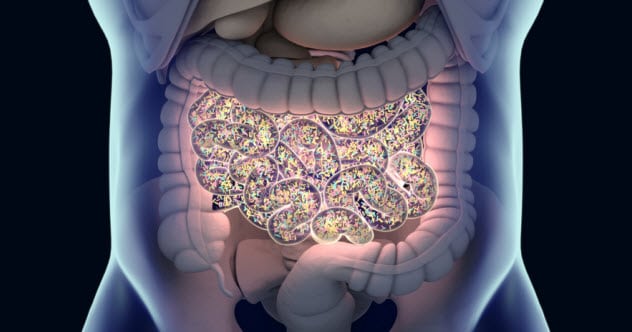
Your digestive tract is home to a microscopic metropolis. Trillions of bacteria, viruses, fungi, archaea, and other organisms live there, consuming leftovers, manufacturing useful compounds, competing for territory, and communicating with your body. They never pay rent, but many of them earn their keep.
Collectively, these organisms are called the gut microbiota. Their genes, products, and surrounding environment make up the gut microbiome. Scientists are still discovering how this community influences digestion, immunity, metabolism, and the gut-brain connection. What they already know is fascinatingand occasionally a little gassy.
Here are 10 remarkable facts about the “bugs” living in your gut, followed by some everyday experiences that show just how noticeable this invisible ecosystem can become.
1. Your Gut Bugs Are Not Actually Bugs
The word “bugs” is convenient, but your intestinal residents are not miniature beetles holding neighborhood meetings behind your appendix. Most are microorganisms, including bacteria, viruses, fungi, archaea, and bacteriophagesviruses that infect bacteria.
Bacteria receive most of the publicity because they are abundant and comparatively easy to study. However, the other residents matter too. Fungi can interact with the immune system, archaea may help process fermentation products, and bacteriophages can influence which bacterial populations expand or decline.
Most gut microbes are not disease-causing invaders. Many are harmless passengers, while others perform useful jobs. Whether a microorganism helps or harms you may depend on its location, abundance, neighbors, and the condition of your intestinal environment. In microbiology, context is everything.
2. You Have Roughly as Many Bacterial Cells as Human Cells
You may have heard that bacterial cells outnumber human cells ten to one. It is a memorable claimand probably an exaggerated one. Modern estimates suggest the ratio is closer to one bacterial cell for every human cell in a typical adult.
The number changes with body size, bowel movements, medications, and other factors, so nobody should treat it like an exact census. Still, the scale is astonishing. Tens of trillions of bacterial cells may inhabit the body, with the largest concentration located in the colon.
Despite their numbers, these bacteria contribute only a small fraction of total body weight because microbial cells are tiny. In other words, you are not secretly carrying a second adult inside you. It is more like transporting an extremely populous microscopic country.
3. Your Microbiome Is a Biological Fingerprint
People share many broad groups of gut microbes, but the exact combination of species and strains varies enormously. Genetics, age, diet, geography, medications, infections, household contacts, pets, and early-life exposures can all help shape the community.
Your First Microbial Settlers Arrive Early
The gut microbiome develops rapidly during infancy. Delivery method, feeding pattern, antibiotic exposure, surrounding people, and the environment may influence which organisms arrive and establish themselves. The community continues changing before becoming relatively more stable later in childhood.
Stable does not mean frozen. A trip, illness, major dietary shift, or medication can temporarily change the microbial lineup. Your microbiome is therefore both personal and dynamica fingerprint that occasionally changes its wardrobe.
4. Gut Microbes Give You Extra Metabolic Tools
Human digestive enzymes cannot completely break down every carbohydrate in food. Gut microbes bring additional genes and enzymes to the dinner table, allowing them to process compounds that would otherwise pass through largely untouched.
This enormous microbial genetic toolkit expands what can happen inside the digestive tract. Different organisms specialize in different substrates, and one microbe’s waste product may become another microbe’s lunch. The result is a complex food web operating inside the colon.
Gut bacteria also participate in bile acid metabolism and the processing of certain nutrients, drugs, and food-derived chemicals. These activities can vary among individuals, helping explain why two people may respond differently to the same meal or medication. Your genes matter, but your microbial partners may get a vote as well.
5. Fiber Becomes Fuel for Both Microbes and Your Colon
Many intestinal bacteria thrive on fermentable dietary fiber found in beans, lentils, vegetables, fruits, whole grains, nuts, and seeds. During fermentation, they produce compounds called short-chain fatty acids, including acetate, propionate, and butyrate.
Butyrate is particularly important because cells lining the colon can use it as an energy source. Short-chain fatty acids also help maintain the intestinal environment and participate in immune and metabolic signaling.
This does not mean everyone should double fiber intake by lunchtime. A sudden increase can cause bloating, discomfort, and a brass-band performance from the lower digestive tract. Increase fiber gradually, drink adequate fluids, and consider medical guidance if you have a digestive disorder that requires dietary restrictions.
6. Some of Your Gas Is a Microbial Receipt
When bacteria ferment carbohydrates in the large intestine, they produce gases such as hydrogen, carbon dioxide, and, in some people, methane. Passing gas is therefore partly evidence that microbes have been processing material your own enzymes did not fully digest.
Gas production varies because people eat different foods and host different microbial communities. Beans may create a dramatic evening for one person and barely register for another. Swallowed air, digestive conditions, food intolerances, and bowel movement patterns can also affect symptoms.
Ordinary gas is normal. Persistent bloating, severe pain, vomiting, weight loss, bloody stool, fever, or a significant change in bowel habits deserves professional evaluation. Your microbiome can be noisy, but it should not be allowed to explain away every digestive warning sign.
7. Your Gut Microbes Help Educate the Immune System
The digestive tract constantly encounters food proteins, harmless organisms, and potential pathogens. The immune system must react strongly enough to stop threats without declaring war on every sandwich. Gut microbes participate in the signals that help regulate this balance.
Helpful organisms also compete with potentially harmful microbes for nutrients and attachment sites. This protective effect is sometimes called colonization resistance. A diverse, well-functioning community can make it harder for an opportunistic pathogen to take over.
Microbial metabolites may support the intestinal barrier and influence inflammatory responses. However, researchers are still untangling cause and effect. An altered microbiome is associated with numerous diseases, but an association does not automatically prove that microbes caused the conditionor that changing them will cure it.
8. Your Gut and Brain Are Constantly Communicating
The gut-brain axis is a two-way communication network involving nerves, hormones, immune signals, microbial metabolites, and the vagus nerve. It helps explain why stress can affect bowel habits and why digestive discomfort can influence mood and concentration.
Gut microorganisms can produce or modify compounds involved in nervous-system signaling. This has inspired research into possible connections with anxiety, depression, neurodevelopmental conditions, and neurological diseases.
The science is promising, but headlines frequently sprint ahead of the evidence. No single probiotic strain has been shown to solve every mood problem, and “healing your gut” is not a substitute for mental health care. The gut and brain communicate, but they are not exchanging simple text messages that researchers can already read perfectly.
9. Antibiotics Can Reshape the Gut Ecosystem
Antibiotics save lives by killing susceptible bacteria or stopping them from multiplying. Unfortunately, they may also affect helpful gut bacteria. The resulting disruption can reduce microbial diversity and create an opening for opportunistic organisms.
Clostridioides difficile, commonly called C. diff, is a major example. After antibiotics disturb the normal microbiome, this bacterium may multiply and cause severe diarrhea and colon inflammation. According to the CDC, microbiome disruption after antibiotics can persist for months.
This is not a reason to refuse antibiotics when they are medically necessary. It is a reason to use them responsibly: take them only when prescribed, follow instructions, and do not save leftovers for a future mystery cough. Antibiotics do not treat viral infections, and casual use has consequences for both the microbiome and antibiotic resistance.
10. Microbes From Stool Can Become Real Medicine
Perhaps the most astonishing gut microbiome fact is that carefully screened, processed stool-derived microbes can be used therapeutically. The objective is to restore a healthier intestinal community after recurrent C. diff infection.
The FDA has approved microbiota-based products for preventing recurrent C. diff in certain adults after antibacterial treatment. One is administered rectally, while another contains purified bacterial spores taken orally. These are regulated medical treatmentsnot invitations to attempt an extremely regrettable kitchen experiment.
Researchers are investigating microbiome therapies for other conditions, but evidence and regulatory status differ widely. Fecal microbiota products and transplants carry potential risks, including transmission of infectious organisms. They should be obtained only through qualified healthcare professionals using appropriate screening and safety procedures.
Everyday Experiences With the Bugs Living in Your Gut
Gut microbiome science becomes easier to understand when it is connected to ordinary life. Consider the person who decides to “get healthy” on Monday and replaces a low-fiber menu with giant servings of lentils, bran cereal, broccoli, and raw kale. By Tuesday, that person may feel as if a balloon-animal convention has opened in the abdomen.
The fiber is not necessarily harmful. The digestive system and microbial community simply received a much larger supply of fermentable material than usual. Increasing plant foods gradually gives eating habits, bowel movements, and microbial activity time to adjust. A person might begin by adding berries to breakfast, beans to one lunch, or an extra vegetable at dinner instead of redesigning the entire diet overnight.
The Fermented-Food Experiment
Another common experience begins with yogurt, kefir, kimchi, sauerkraut, or another fermented food. Some people notice comfortable digestion; others experience temporary gas; and some notice no obvious difference at all. That variation is normal. Fermented foods are not interchangeable, and not every product contains live microorganisms by the time it reaches the plate. Pasteurization, storage, ingredients, and serving size matter.
A Stanford clinical trial found that a diet rich in fermented foods increased microbiome diversity and reduced several markers of inflammation in a small group of healthy adults. That is interesting evidence, not a command to drink a gallon of kombucha. Adding modest amounts and observing tolerance is a more sensible real-world approach.
After a Course of Antibiotics
Some people experience loose stool, constipation, gas, or appetite changes during or after antibiotic treatment. Others feel no digestive effect. Recovery also varies: the gut microbiome may move toward its previous state, but particular organisms can take longer to return, and some changes may persist.
Anyone who develops frequent watery diarrhea, fever, significant abdominal pain, dehydration, or worsening symptoms after antibiotics should contact a healthcare professional promptly because C. diff requires proper testing and treatment. Reaching automatically for a random probiotic is not an adequate response to serious symptoms.
Stress, Travel, and the Mysterious Vacation Stomach
Travel combines new foods, altered sleep, stress, different water, long periods of sitting, and unfamiliar microorganisms. Even without an infection, these changes can affect bowel habits. The gut-brain connection may add another layer: anxiety can accelerate intestinal movement in some people and slow it in others.
A simple food-and-symptom diary can reveal patterns, but it should remain a practical notebook rather than becoming a full-time detective agency. Record major meals, symptoms, medications, sleep, and bowel changes. Patterns that repeat are more informative than one dramatic encounter with a spicy airport burrito.
Living With Microbial Uncertainty
Perhaps the most relatable experience is wanting one perfect answer. People understandably ask which probiotic, diet, cleanse, or microbiome test will “reset” the gut. Current science rarely provides that level of certainty. There is no universally agreed-upon perfect microbiome, and greater diversity is not automatically beneficial in every medical situation.
For most generally healthy adults, the unglamorous habits remain the most defensible: eat a varied diet that includes fiber-rich plants, stay physically active, sleep adequately, manage stress, avoid unnecessary antibiotics, and seek care for persistent symptoms. Your gut microbes may be exotic, but supporting them often looks suspiciously like ordinary health advice.
Conclusion: Respect the Microscopic Crowd
The organisms living in your digestive tract are neither universally “good” nor universally “bad.” Together, they form a shifting ecosystem that helps process food, produces biologically active compounds, interacts with immunity, communicates along the gut-brain axis, and resists certain pathogens.
Microbiome research is rapidly changing medicine, but it also attracts exaggerated claims. Be skeptical of products promising to detox, reset, repair, or perfectly measure your gut without strong clinical evidence. A colorful, varied diet and responsible medical care are generally more useful than an expensive bottle decorated with cheerful cartoon bacteria.
Your gut bugs may be invisible, but they are busy. Feed them thoughtfully, treat them respectfully, and remember that occasional gas is sometimes just their tiny way of sending a thank-you note.