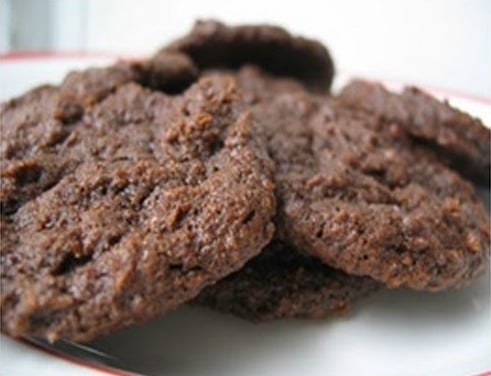
Chocolate cookies already have a pretty strong résumé: rich, comforting, crowd-pleasing, and fully capable of making a Tuesday feel like a tiny holiday. But add a whisper of cinnamon, a spark of cayenne, and just enough brown sugar to make the edges chewy? Suddenly, you have sweet and spicy chocolate cookies that taste like hot cocoa put on a leather jacket and learned to wink.
These cookies are inspired by the beloved flavor family of Mexican hot chocolate, where deep cocoa meets warming spices. The result is not “set your mouth on fire” spicy. It is more like a slow, cozy heat that shows up after the chocolate has already charmed everyone at the table. Think fudgy centers, crisp edges, melty chocolate chips, cinnamon warmth, and a tiny peppery kick that keeps each bite interesting.
This guide walks you through everything you need to know: the best ingredients, why the spice works, how to get chewy texture, how to adjust the heat level, smart baking tips, storage advice, serving ideas, and a tried-and-true recipe you can use for holidays, cookie swaps, chilly weekends, or those very serious emergencies known as “I need chocolate now.”
What Are Sweet and Spicy Chocolate Cookies?
Sweet and spicy chocolate cookies are rich cocoa-based cookies flavored with warm spices such as cinnamon, cayenne pepper, chili powder, nutmeg, or a touch of espresso powder. They are often inspired by Mexican hot chocolate, which traditionally pairs chocolate with cinnamon and sometimes chile for a bold, aromatic flavor.
The magic is balance. Too much sugar and the cookie becomes flat and ordinary. Too much cayenne and it starts acting like a dare. But when the chocolate, spice, fat, and salt work together, you get a cookie that feels familiar at first and exciting by the end. It is dessert with a plot twist.
Why Chocolate and Spice Work So Well Together
Chocolate has natural bitterness, fruitiness, and roasted notes. Spices like cinnamon and cayenne highlight those deeper flavors instead of covering them up. Cinnamon adds warmth and sweetness without adding more sugar. Cayenne brings a clean, lingering heat that makes the chocolate taste darker and more intense.
Salt also plays a key role. A small amount of salt sharpens the cocoa flavor and keeps the cookie from tasting one-dimensional. Brown sugar adds moisture and chew, while granulated sugar helps the edges crisp. Butter brings richness, vanilla rounds everything out, and chocolate chips add those little pockets of melted happiness that no cookie should be forced to live without.
Best Ingredients for Sweet and Spicy Chocolate Cookies
Unsweetened Cocoa Powder
Use unsweetened cocoa powder for a deep chocolate base. Natural cocoa gives a slightly brighter, fruitier chocolate flavor, while Dutch-process cocoa creates a darker, smoother taste. For this recipe, either can work, but natural cocoa pairs especially well with baking soda and gives the cookies a classic homemade chocolate-cookie flavor.
Cinnamon
Cinnamon is the bridge between sweet and spicy. It makes the cookies smell like a cozy bakery and gives the chocolate a warmer finish. One teaspoon is enough to be noticeable without taking over the recipe.
Cayenne Pepper
Cayenne is the secret handshake. Start with 1/4 teaspoon for mild heat, 1/2 teaspoon for a medium kick, or 3/4 teaspoon if your cookie personality is “dramatic but lovable.” Remember, cayenne builds as the cookies cool, so do not judge the spice level only from the raw dough.
Brown Sugar and Granulated Sugar
A combination of sugars gives the best texture. Brown sugar helps create a soft, chewy center because it contains molasses and holds moisture. Granulated sugar helps the cookies spread slightly and develop lightly crisp edges.
Chocolate Chips or Chopped Chocolate
Semisweet chocolate chips are reliable and easy, but chopped dark chocolate gives a more bakery-style finish with uneven pools of melted chocolate. For a sweeter cookie, use milk chocolate. For a more grown-up flavor, use bittersweet chocolate.
Butter
Unsalted butter gives you control over the salt level. It should be softened, not melted, unless the recipe specifically calls for melted butter. Softened butter creams better with sugar and helps create a thicker, softer cookie.
Sweet and Spicy Chocolate Cookies Recipe
Recipe Overview
- Prep time: 20 minutes
- Chill time: 1 hour
- Bake time: 10 to 12 minutes
- Total time: About 1 hour 35 minutes
- Yield: 24 cookies
Ingredients
- 1 cup unsalted butter, softened
- 3/4 cup packed light brown sugar
- 1/2 cup granulated sugar
- 2 large eggs, room temperature
- 2 teaspoons vanilla extract
- 1 3/4 cups all-purpose flour
- 2/3 cup unsweetened cocoa powder
- 1 teaspoon baking soda
- 1/2 teaspoon baking powder
- 1 teaspoon ground cinnamon
- 1/4 to 1/2 teaspoon cayenne pepper
- 1/4 teaspoon ground nutmeg, optional
- 3/4 teaspoon fine salt
- 1 1/2 cups semisweet chocolate chips or chopped dark chocolate
- 2 tablespoons coarse sugar for rolling, optional
- Flaky sea salt for topping, optional
Instructions
- Mix the dry ingredients. In a medium bowl, whisk together the flour, cocoa powder, baking soda, baking powder, cinnamon, cayenne, nutmeg, and salt. Whisking helps distribute the spices evenly, so nobody gets the one cookie that tastes like it joined a hot sauce competition.
- Cream the butter and sugars. In a large bowl, beat the softened butter, brown sugar, and granulated sugar for 2 to 3 minutes, until fluffy and slightly lighter in color. This step helps create a tender cookie with good structure.
- Add eggs and vanilla. Beat in the eggs one at a time, mixing well after each addition. Stir in the vanilla extract.
- Combine wet and dry ingredients. Add the dry mixture to the butter mixture in two additions. Mix on low speed just until combined. Do not overmix, or the cookies may turn tough.
- Add chocolate. Fold in the chocolate chips or chopped chocolate. The dough should be thick, dark, and dangerously tempting.
- Chill the dough. Cover and refrigerate for at least 1 hour. Chilling helps prevent overspreading and deepens the chocolate-spice flavor.
- Preheat the oven. Heat the oven to 350°F. Line baking sheets with parchment paper.
- Scoop the dough. Scoop about 1 1/2 tablespoons of dough per cookie. Roll into balls. If desired, roll lightly in coarse sugar for a crackly sparkle.
- Bake. Place dough balls 2 inches apart on the baking sheet. Bake for 10 to 12 minutes, until the edges are set and the centers still look slightly soft.
- Cool properly. Let cookies cool on the baking sheet for 5 minutes, then transfer them to a wire rack. Sprinkle with flaky sea salt while warm if desired.
How Spicy Should Chocolate Cookies Be?
The best spice level depends on your audience. For kids, office parties, or cautious eaters, use 1/4 teaspoon cayenne. It will taste warm rather than hot. For people who enjoy a noticeable kick, use 1/2 teaspoon. For serious spice lovers, add 3/4 teaspoon, but do so with confidence and maybe a glass of milk nearby.
You can also use ancho chile powder for a smokier, fruitier heat. Ancho is milder than cayenne and adds depth rather than sharpness. A blend of cinnamon, cayenne, and ancho chile powder creates a layered flavor that tastes especially good with dark chocolate.
Texture Tips: How to Make Cookies Chewy, Fudgy, and Not Sad
Chill the Dough
Chilling cookie dough is not just a fussy baker habit. It gives the flour time to hydrate, firms the butter, and helps the cookies bake thicker. It also improves flavor. One hour is good. Overnight is even better if you have the patience of a saint or forgot you made dough, which also counts.
Do Not Overbake
Chocolate cookies are sneaky because their dark color makes it harder to see browning. Pull them from the oven when the edges look set but the centers still appear soft. They will continue baking on the hot pan.
Use Room Temperature Ingredients
Room temperature eggs and softened butter mix more evenly. This helps create a smoother dough and a better final texture. Cold butter can leave lumps, and melted butter can make the cookies spread too much unless the recipe is designed for it.
Measure Flour Carefully
Too much flour is the fastest road to dry cookies. Spoon flour into the measuring cup, level it off, and avoid packing it down. If you use a kitchen scale, measure about 210 grams of all-purpose flour for this recipe.
Flavor Variations
Mexican Hot Chocolate Cookies
Add 1/2 teaspoon cayenne, 1 teaspoon cinnamon, and a pinch of espresso powder. Roll the dough balls in cinnamon sugar before baking.
Dark Chocolate Chili Cookies
Use bittersweet chocolate chunks and add 1/2 teaspoon ancho chile powder. Finish with flaky sea salt for a bold, bakery-style cookie.
Orange-Spiced Chocolate Cookies
Add 1 teaspoon orange zest to the dough. Orange brightens the cocoa and pairs beautifully with cinnamon and cayenne.
Mocha Heat Cookies
Add 1 teaspoon instant espresso powder to the dry ingredients. Coffee intensifies chocolate flavor without making the cookies taste strongly like coffee.
Holiday Spice Chocolate Cookies
Add a pinch of cloves and ginger along with the cinnamon. This version tastes festive, cozy, and ready to be eaten near a suspiciously large mug of cocoa.
Serving Ideas
Sweet and spicy chocolate cookies are excellent with cold milk, hot coffee, chai, or Mexican hot chocolate. They also make fantastic ice cream sandwich cookies. Try them with vanilla bean ice cream, cinnamon ice cream, coffee ice cream, or dulce de leche. If you want a dinner-party dessert without much effort, serve two cookies beside a scoop of ice cream and drizzle with warm chocolate sauce.
For holiday cookie boxes, pair them with buttery shortbread, sugar cookies, ginger molasses cookies, and peppermint bark. Their dark color and bold flavor make them stand out from sweeter, lighter treats.
Storage and Freezing Tips
Store baked cookies in an airtight container at room temperature for up to 5 days. To keep them soft, add a small piece of bread to the container. The cookies will absorb some moisture from the bread, helping them stay chewy.
You can freeze baked cookies for up to 2 months. Let them cool completely, place them in a freezer-safe bag or container, and separate layers with parchment paper. Thaw at room temperature.
Cookie dough also freezes beautifully. Scoop the dough into balls, freeze on a baking sheet until firm, then transfer to a freezer bag. Bake from frozen at 350°F, adding 1 to 2 extra minutes to the baking time. This is also known as “future you deserves cookies.”
Common Mistakes to Avoid
Adding Too Much Cayenne
Spice should support the chocolate, not tackle it. Start small, especially if you are baking for guests. You can always increase the heat in the next batch.
Skipping the Salt
Salt is essential in chocolate cookies. Without it, the flavor can taste flat. A little salt makes the cocoa taste richer and balances the sweetness.
Overmixing the Dough
Once the flour goes in, mix only until combined. Overmixing develops gluten, which can make cookies tough instead of tender.
Baking on a Hot Sheet Pan
If you bake multiple batches, let the sheet pan cool before adding more dough. A hot pan melts the butter too quickly and can cause overspreading.
Frequently Asked Questions
Are sweet and spicy chocolate cookies very hot?
Not unless you make them that way. With 1/4 teaspoon cayenne, the heat is mild and warming. With 1/2 teaspoon, the spice becomes more noticeable but still balanced.
Can I make these cookies without cayenne?
Yes. You can leave out the cayenne and still enjoy rich cinnamon chocolate cookies. For a milder alternative, use a pinch of ancho chile powder.
Can I use Dutch-process cocoa?
Yes, though the flavor and color will be slightly different. Dutch-process cocoa gives a darker, smoother chocolate taste. Natural cocoa gives a brighter cocoa flavor and works especially well with baking soda.
Why did my cookies spread too much?
The dough may have been too warm, the butter too soft, or the baking sheet too hot. Chilling the dough and using parchment paper can help prevent spreading.
Can I make these gluten-free?
You can try a 1:1 gluten-free baking flour blend designed for cookies. Results vary by brand, so check the dough texture before baking. If it feels too soft, chill longer.
Experience Notes: What Baking Sweet and Spicy Chocolate Cookies Teaches You
The first thing you learn when baking sweet and spicy chocolate cookies is that people get very curious when they smell chocolate and cinnamon together. They wander into the kitchen pretending to need water, a spoon, or emotional support. Then they ask, “What are you making?” with the same seriousness usually reserved for breaking news.
These cookies are especially fun because they surprise people. At first bite, everyone expects a normal chocolate cookie. The texture is soft, the chocolate is rich, and the sweetness feels familiar. Then, a second later, the cayenne quietly appears. It does not crash through the door. It strolls in wearing sunglasses. That gentle heat makes people pause, smile, and usually take another bite just to confirm what happened.
One helpful experience is testing the spice level before baking for a group. A cookie that tastes perfectly mild to someone who loves hot sauce may taste bold to someone who thinks black pepper is a major life event. When baking for a mixed crowd, 1/4 teaspoon cayenne is the safest choice. It gives warmth without making the cookies controversial. For family gatherings or adult dessert boards, 1/2 teaspoon creates a more memorable cookie.
Another lesson is that these cookies taste better after cooling. Warm from the oven, they are soft and gooey, but the spice can seem shy. After an hour, the cinnamon blooms and the cayenne becomes more defined. By the next day, the flavor is deeper and more balanced. This makes them perfect for make-ahead baking, cookie boxes, and holiday parties.
Texture also matters. The best batches usually come from chilled dough. When the dough rests, the cookies bake thicker and taste more developed. The cocoa becomes richer, the sugar hydrates the flour, and the spices settle into the dough. Skipping the chill time still produces cookies, of course, but they may spread more and taste less complex. Cookie dough is a little like people before coffee: better after a rest.
One of the best serving experiences is pairing these cookies with something creamy. Vanilla ice cream softens the spice and turns the cookies into a full dessert. Coffee makes the chocolate taste darker. Cold milk keeps everything classic. During the holidays, they are excellent beside peppermint bark because the cool mint and warm cayenne play surprisingly well together.
These cookies also make a great conversation starter. People remember them because they are not just sweet. They have personality. They are familiar enough for chocolate-cookie lovers but interesting enough for adventurous eaters. Bring them to a potluck, and someone will ask for the recipe. Bring them to a cookie swap, and they will not be the boring ones sitting untouched beside the paper napkins.
The biggest experience-based tip is simple: do not try to make the spice the star. The best sweet and spicy chocolate cookies still taste like chocolate cookies first. The cinnamon and cayenne should act like backup singers, making the main performance stronger. When the balance is right, the cookie is rich, chewy, warm, and just a little mischievous.
Conclusion
Sweet and spicy chocolate cookies are the perfect treat when you want something classic but not predictable. They combine deep cocoa flavor, chewy centers, crisp edges, warm cinnamon, and a customizable cayenne kick. Whether you bake them for a holiday tray, a weekend dessert, a cookie swap, or a personal “do not disturb” snack moment, they deliver big flavor with simple pantry ingredients.
The key is balance: quality cocoa, the right sugar blend, enough salt, careful mixing, and a dough chill that rewards your patience. Start mild if you are new to spicy desserts, then increase the cayenne as your cookie confidence grows. Once you master the basic recipe, you can customize it with dark chocolate, espresso, orange zest, ancho chile, or festive spices.
Note: For best results, adjust the cayenne level based on your guests and taste the finished cookies after they cool, since the spice becomes more noticeable as the flavors settle.