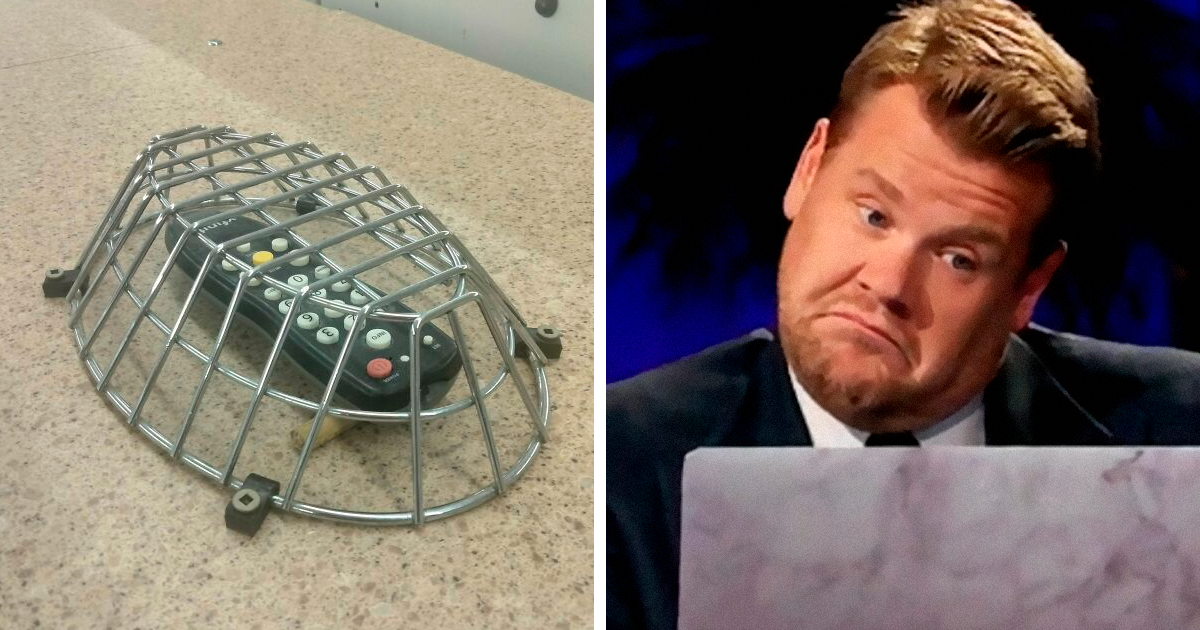
Some inventions begin in spotless laboratories with computer simulations, precision instruments, and people wearing safety glasses that have never met a fingerprint. Others begin when somebody stares at a broken lawn mower, an empty bucket, and three zip ties and says, “Well, this ought to hold.”
That second category is the glorious territory commonly called redneck engineering: unconventional problem-solving that prioritizes function over appearance, available materials over ideal components, and immediate results over anything resembling a manufacturer’s warranty. The online community r/redneckengineering and several collections inspired by it have documented everything from improvised vehicle parts to homemade mobility equipment, remote-control holders, self-feeding fires, and plumbing arrangements that appear to have been negotiated during a power outage.
Although the finished products often look ridiculous, the thinking behind them is not always foolish. Rapid prototyping deliberately encourages people to build inexpensive, low-resolution versions of ideas so they can test whether the underlying concept works. The main difference is that professional designers usually call the result a “prototype,” while backyard inventors call it “Tuesday.”
Here are 40 wonderfully strange solutions that capture the spirit of DIY ingenuity, improvised repairs, creative reuse, and the timeless philosophy that beauty is optional when the machine starts.
Transportation Fixes Powered by Confidence
1. An All-Terrain Wheelchair Built From Available Parts
One of the most meaningful creations shared in the community was an all-terrain wheelchair built by a husband for his wife. Instead of accepting that ordinary wheels limited where they could travel, he created a sturdier machine capable of handling rough ground. It looked homemade because it was, but its purpose was deeply practicaland deeply loving.
2. A Five-Gallon Bucket Becomes a Mudguard
When an off-road vehicle loses a fender, the civilized response is ordering a replacement. The improvised response is slicing a plastic bucket into the approximate shape of a mudguard and bolting it above the wheel. The vehicle does not care about matching paint. It simply stops throwing mud directly into the driver’s teeth.
3. A Milk Crate Becomes a Bicycle Trunk
A plastic milk crate attached to a rear bicycle rack may lack the aerodynamic elegance of professional cycling luggage. It does, however, carry groceries, tools, packages, and at least one watermelon. Add a few sturdy fasteners, and the humble crate becomes an open-air cargo system with excellent ventilation.
4. A Kayak Gets an Improvised Motor
Paddling is peaceful until the wind changes direction and your arms file a formal complaint. Some inventive boat owners have mounted small motors to kayaks using homemade brackets. The result sits somewhere between personal watercraft and floating hardware demonstration, but it can turn a long paddle home into a much shorter adventure.
5. An Office Chair Becomes a Rolling Workshop Seat
A discarded office chair already has wheels, adjustable height, a padded seat, and years of experience supporting questionable decisions. Remove the back, reinforce the base, and it becomes a mechanic’s rolling stool. It may squeak whenever you move, but that is merely its onboard warning system.
6. A Skateboard Becomes a Furniture Dolly
When a heavy cabinet needs to cross a room, sliding it may destroy the floor and lifting it may destroy your back. A skateboard placed underneath provides four wheels and a surprisingly capable moving platform. The trick works best when the furniture is balanced and nobody attempts a kickflip.
7. Zip Ties Stitch a Cracked Bumper Together
Drilling neat rows of holes along a cracked plastic bumper and lacing them together with zip ties creates a repair that resembles surgical stitches performed by a mechanic. It will not restore the bumper’s original strength, but it can keep loose plastic from dragging until a proper repair is available.
8. A Piece of Wood Replaces a Missing Car Handle
A broken interior door handle can make exiting a vehicle unnecessarily dramatic. Some drivers attach a shaped block of wood, a short metal bar, or even a loop of cord to the remaining mechanism. The replacement may not match the upholstery, but it opens the doorwhich is an important feature in a door handle.
Home Repairs That Refused to Wait for a Contractor
9. A Rubber Boot Connects Two Drainpipes
A flexible rubber boot can temporarily bridge a gap between sections of drainpipe when the proper fitting is unavailable. It stretches, redirects water, and makes the side of the house look as though it has developed a foot. The arrangement is especially memorable when the boot still has its original sole.
10. A Soda Bottle Becomes a Funnel
Cut the bottom from a plastic bottle, remove the cap, and suddenly you have a funnel. Different bottle sizes handle everything from motor oil to birdseed. It costs almost nothing, rinses easily, and works so well that the real mystery is why funnels continue to be sold in stores.
11. A Dustpan Is Made From a Plastic Container
When the dustpan disappears into the same dimension that collects missing socks, a detergent jug or food container can be cut into a scoop. A flat side rests against the floor while the handle remains intact. It may look like recycling interrupted by housework, but it gathers dirt just fine.
12. A Broom Handle Becomes a Curtain Rod
A long wooden handle already has the basic geometry of a curtain rod. Rest it on brackets, slide curtain rings over it, and the window is covered. A coat of paint can make the installation look intentional, although leaving the broom label visible demonstrates commitment to the original design language.
13. Pliers Replace a Broken Faucet Handle
When a faucet knob breaks, locking pliers can grip the exposed stem and restore control over the water. This is the plumbing equivalent of keeping the engine running with a screwdriver in the ignition. It works, but everyone using the sink receives an unspoken reminder that the permanent repair is overdue.
14. A Bucket Becomes a Temporary Sink
During renovations, a large bucket beneath a temporary basin can collect wastewater until plumbing is restored. Add a simple drain hose and the setup becomes surprisingly useful. It is not a luxury fixture, but it allows people to wash their hands without conducting a daily expedition to the neighbor’s bathroom.
15. Binder Clips Organize Charging Cables
Attach binder clips to the edge of a desk and thread charging cords through the metal handles. The cables remain accessible instead of falling behind the furniture every six minutes. This tiny hack is so practical that it barely qualifies as foolish, but its office-supply origins preserve the necessary improvised spirit.
16. Pool Noodles Become Protective Padding
Slice a pool noodle lengthwise and it can cover sharp shelf edges, exposed pipes, garage-door rails, or anything else determined to attack human elbows. The foam is light, inexpensive, and easy to trim. Your garage may resemble a children’s swimming lesson, but your forehead will appreciate the décor.
17. A Laundry Basket Redirects Air
In a room where cooled or heated air is blowing in the wrong direction, a lightweight basket, sheet of cardboard, or plastic panel can become a temporary air deflector. The goal is not to redesign the HVAC system. It is simply to stop one person from freezing while everyone else complains about being warm.
18. A Tarp Turns a Trailer Into a Backyard Pool
Line a clean utility trailer or reinforced container with a heavy waterproof tarp, add water, and an improvised swimming pool appears. It is an impressive example of using existing structure, although water is extremely heavy and the container must be capable of handling the load. Spontaneous backyard oceans deserve serious structural respect.
Tools Made From Other Toolsand Occasionally Kitchenware
Workshop improvisation has a long tradition. Professional DIY publications recommend using scrap wood as clamps, sandwich bags as hardware organizers, nails for pilot holes, old shelving for storage, and simple household materials for specialized jobs. In other words, the border between a legitimate shop hack and redneck engineering is frequently just a cleaner photograph.
19. A Wrench and Hammer Become the “Wrenchammer”
Somebody needs a wrench but also needs to strike something. Rather than walking six feet to retrieve a hammer, the inventor combines both tools into one gloriously blunt multitasker. Tool companies might call this an ergonomic challenge. The owner calls it the last tool left in the box.
20. A Broken Adjustable Wrench Gets a Nut-and-Bolt Handle
When the adjustment mechanism on a wrench breaks, a carefully positioned nut and bolt can restore enough tension to grip a fastener. The repair is neither elegant nor effortless, but it extends the tool’s working life and prevents a trip to the store in the middle of a project.
21. Electrical Tape Creates a Non-Marring Hammer
Wrapping the face of a small sledgehammer with layers of protective tape softens the impact surface. The modified hammer can persuade stubborn furniture parts into place without immediately decorating them with dents. It is a practical response to flat-pack furniture whose instructions insist that force is unnecessary while clearly requiring force.
22. Scrap Wood and Shims Replace Expensive Clamps
Two pieces of scrap wood fastened parallel to one another can hold a project while wedges or shims apply pressure. Makers have long used this approach when conventional clamps are unavailable or poorly shaped for the job. It is simple geometry performing the work of expensive equipment.
23. A Nail Drills a Pilot Hole
A nail with its head removed can be placed in a drill chuck and used to create a small pilot hole in soft wood. It is not a replacement for a complete drill-bit set, but it may prevent thin material from splitting. The nail finally achieves its dream of spinning rapidly instead of being hit.
24. A Hacksaw Blade Gets a Tape Handle
When a full hacksaw frame cannot reach a tight location, wrapping the blunt end of a loose blade with tape creates a simple hand grip. The approach provides control for small cuts, though gloves and careful handling remain essential. A purpose-built handle is better, but the taped version understands deadlines.
25. A Kitchen Fork Becomes a Razor Holder
Bend or mount a spare fork so its tines hold a razor or grooming tool, and an instant bathroom organizer appears. The arrangement may confuse guests looking for silverware, but it keeps the countertop tidy. Sometimes the key to innovation is asking an object to abandon its original career.
26. Bamboo Skewers Create a Universal Knife Block
Pack a sturdy container tightly with upright bamboo skewers, and kitchen knives can slide between them in almost any arrangement. Unlike traditional knife blocks, the slots are not limited to predetermined shapes. The concept has appeared in established maker projects, proving that dinner supplies can occasionally organize other dinner supplies.
27. Old Keys Become Wall Hooks
Heat and bend unused metal keys, fasten them to a board, and they become small hooks for jewelry, cords, or lightweight accessories. The keys no longer open anything, but at least they are employed. Creative reuse guides have featured similar transformations as practical ways to keep discarded objects in service.
28. Sandwich Bags Become Hardware Drawers
Small screws, washers, anchors, and connectors are professionals at disappearing into the bottom of a toolbox. Clear resealable bags keep related parts together and visible. The system lacks the grandeur of a wall-sized parts cabinet, but it is portable, inexpensive, and resistant to mysterious screw migration.
Comfort Systems With Questionable Industrial Design
29. A Box Fan and Ice Chest Create a Homemade Cooler
Cut vents into an insulated container, fill it with ice, and use a fan to move air across the cold interior. The machine can provide localized relief in dry conditions, although it will not cool an entire house like real air conditioning. It is less “central air” and more “personal breeze with snacks nearby.”
30. A Flexible Hose Brings Cool Air Under the Blankets
Someone who sleeps hot can redirect air from a fan through lightweight tubing and into the foot of the bed. The system creates a private climate zone without cooling the entire room. It looks suspiciously like life support for a comforter, but the sleeper may enjoy the first peaceful night of summer.
31. A Remote-Control Mount Is Built Beside the Couch
A scrap block, bent bracket, adhesive strip, or repurposed container attached to a side table can give the television remote a permanent parking space. This eliminates the nightly archaeological excavation between couch cushions. The most advanced version includes separate slots for every remote nobody remembers buying.
32. Earplugs Replace Missing Phone-Mount Pads
When the rubber pads on a phone mount disappear, pieces of old foam earplugs can supply cushioning and grip. Secured with heat-shrink tubing or another suitable fastener, they keep the phone from rattling. A small emergency becomes a material-science experiment conducted from the jacket pocket.
33. Cardboard Creates a Laptop Sunshade
Working outdoors becomes difficult when glare turns a laptop screen into an expensive mirror. A folded cardboard hood blocks direct sunlight and improves visibility. It will not win an industrial design award, but it may allow someone to finish a spreadsheet without moving indoors or wearing a blanket over their head.
34. A Clothes Hanger Holds a Tablet
A wire hanger can be bent into a stand for a lightweight tablet or phone. Place it on a counter and the screen remains visible while cooking, repairing equipment, or pretending to exercise along with a video. The hanger’s original job may be gone, but its upper-body strength remains impressive.
Outdoor Engineering and Backyard Science
35. A Self-Feeding Fire Uses Gravity
Logs arranged on angled supports can roll gradually toward a central fire as the lower wood burns. The basic concept uses gravity to reduce constant tending. However, any homemade fire system requires a safe location, stable construction, supervision, and careful control because gravity has never signed a liability waiver.
36. Water Power Rotates Food Over a Fire
A small waterwheel connected to a spit can rotate hot dogs or other food over heat. It combines cooking, hydrodynamics, and the universal desire to avoid turning dinner manually. The result resembles a science-fair project whose final research question is, “Are the sausages done yet?”
37. A Plastic Bottle Waters Plants Slowly
Punch tiny holes in a bottle cap, fill the bottle with water, and position it near a plant so moisture releases gradually. The homemade irrigation device can help containers survive short absences. Its performance depends on soil, hole size, and placement, so testing it before vacation is considerably wiser than sending the plants encouraging thoughts.
38. Wooden Pallets Store Garden Tools Vertically
A pallet secured safely to a wall can hold rakes, shovels, brooms, and other long-handled tools in its openings. It transforms an awkward piece of shipping material into a practical garage organizer. Established home-improvement guides recommend similar pallet reuse, which makes this solution almost respectable.
39. A Plastic Container Protects an Outdoor Connection
A covered plastic container can shield low-voltage connectors or other appropriate equipment from splashes when designed with proper drainage and ventilation. However, household mains-voltage wiring requires approved outdoor-rated enclosures. Electricity is the one participant in redneck engineering that does not appreciate a joke.
40. Snow and a Large Pot Create Emergency Bathwater
During a water outage, snow can be melted in a large outdoor cooking pot to produce washing water. The method requires much more snow than newcomers expect because fluffy snow contains relatively little liquid water. Still, it demonstrates the central principle of improvised engineering: identify the available resource, transform it, and solve the immediate problem.
Why These Ridiculous DIY Solutions Can Be Surprisingly Smart
The best homemade fixes succeed because their creators understand the function that actually matters. A mudguard does not need graceful curves; it needs to block mud. A curtain rod does not need designer finials; it needs to support fabric. A remote holder does not need an app; it needs to prevent the remote from entering the couch dimension.
This kind of thinking separates an object’s purpose from its traditional appearance. A bottle is not merely a beverage containerit is also a funnel, scoop, reservoir, spacer, shield, or miniature greenhouse. A pallet can become storage. A binder clip can guide a cable. A skateboard can move furniture. Research into household hacks similarly examines how ordinary objects can be joined into functional assemblies rather than discarded or replaced.
Creative reuse can also reduce waste and extend the life of products. The U.S. Environmental Protection Agency recommends reusing containers and repairing worn or broken items when practical, while circular-economy research emphasizes repair and reuse as ways to preserve material value. The environmental benefit does not make every improvised repair safe, but it does explain why resourcefulness deserves more respect than its messy appearance sometimes receives.
The Important Difference Between Clever and Dangerous
The unofficial rule says, “It is not stupid if it works.” A better rule is, “It is not stupid if it works without creating a more serious problem.” A temporary phone stand made from cardboard has a low failure cost. A homemade brake component, structural support, ladder, gas connection, or electrical repair can fail catastrophically.
Extension cords should be treated as temporary equipment, not permanent household wiring. Damaged electrical insulation should not simply be wrapped with ordinary tape, and cords should not be routed beneath rugs or through areas where they can be crushed. Fire-safety and consumer-safety organizations repeatedly warn against improvised electrical arrangements that may overheat, shock users, or ignite surrounding material.
Improvised elevated platforms deserve equal caution. A chair stacked on a table is not a scaffold, regardless of how confidently someone climbs it. OSHA guidance emphasizes properly designed ladders, platforms, and fall protection because homemade access equipment can turn a five-minute repair into a long hospital stay.
Vehicle repairs must also be judged by consequence. A milk crate used as cargo storage is very different from an improvised steering, braking, wheel, seat-belt, or suspension component. Temporary tire products, for example, may have strict limits on distance and duration before professional repair is required.
The safest redneck engineers know when to improvise and when to stop. They test lightweight prototypes, avoid exposing people to hidden hazards, and replace temporary solutions when the proper parts arrive. Creativity is valuable. Creativity combined with judgment is engineering.
Experiences and Lessons From Living With Improvised Solutions
Anyone who has maintained an older home, worked in a garage, traveled in a temperamental vehicle, or assembled bargain furniture has probably performed some form of redneck engineering. It often begins with a small emergency. A bracket breaks late at night. A drawer handle comes off five minutes before guests arrive. A hose refuses to stay connected. The correct replacement exists, but it is located in a store that closed 20 minutes ago.
The first emotional stage is denial. You press the broken part back into position and hope the laws of physics have temporarily changed. The second stage is inventory. You open the junk drawer and discover tape, rubber bands, mystery screws, two binder clips, a chopstick, and a key that has not opened anything since 2009. The third stage is invention.
One especially useful lesson is that the simplest repair often performs better than the most elaborate one. People frequently waste time designing complex mechanisms when a block of wood, washer, clamp, or properly positioned zip tie would solve the immediate issue. A successful temporary fix usually has one clear job. It holds, redirects, cushions, supports, seals, spaces, or organizes. The more jobs it attempts, the more likely it is to develop opinions.
Another lesson is that testing matters. A homemade shelf bracket might hold an empty shelf perfectly and collapse when books are added. A bottle-based watering system may release nothing for two days and then empty itself in 30 seconds. A temporary cart may roll smoothly until it encounters a doorway threshold and launches its cargo forward. Testing with a light, noncritical load reveals weaknesses before the invention is trusted with anything expensive, hot, sharp, alive, or capable of flooding the kitchen.
Good improvised solutions are also easy to inspect. You should be able to see whether a fastener is loosening, tape is peeling, plastic is cracking, or wood is bending. Hidden failures are dangerous because the device can appear functional until the exact moment it decides to become modern art. Clear construction, accessible joints, and regular checks make temporary fixes more predictable.
Labeling is surprisingly helpful. Writing “TEMPORARY,” the installation date, or the required replacement part on a taped repair prevents it from quietly becoming permanent. Without a label, every household develops at least one improvised solution that remains in service for seven years because everyone assumes someone else understands it.
The experience also teaches humility. Some ugly fixes work brilliantly, while attractive solutions fail immediately. A beautifully painted bracket can still be mounted into drywall without a stud. A rough wooden support can be extremely strong if the load path is sensible. Function does not always dress for the occasion.
Most importantly, improvisation builds confidence. Solving a small problem with available materials encourages people to understand how objects work instead of treating every failure as a command to buy something new. That confidence should grow alongside caution. Repairing a drawer, creating storage, or building a phone stand is an excellent learning opportunity. Rewiring a panel after watching one video is not the advanced level of the same game.
The most satisfying redneck engineering projects leave behind more than a working object. They create a story. Nobody remembers the ordinary store-bought plant stand, but everyone remembers the one made from an upside-down stool, a discarded fan guard, and bolts rescued from an old lawn mower. It becomes evidence that constraints can produce creativityand that a garage full of “useless junk” is sometimes merely an innovation department with poor inventory management.
Conclusion: Ugly Solutions, Beautiful Thinking
The funniest redneck engineering solutions look as though they should fail immediately, yet many succeed because their creators identify the essential function of a problem and use whatever materials are available. Buckets become fenders. Bottles become funnels. Pallets become storage systems. Earplugs become phone-mount cushions. Office furniture begins a surprising second career in the automotive department.
These inventions remind us that creativity is not limited to laboratories, professional workshops, or expensive tools. It can appear beside a broken faucet at midnight, underneath a vehicle in a driveway, or in front of a junk drawer containing exactly the wrong parts. The results may be crooked, mismatched, and held together with more optimism than the instruction manual recommendsbut when the risks are low and the reasoning is sound, improvised engineering can be clever, economical, sustainable, and genuinely useful.
Editorial note: This article celebrates creative problem-solving, not unsafe construction. Temporary fixes involving electricity, fire, gas, vehicles, ladders, pressurized plumbing, mobility equipment, or structural loads should be inspected or replaced by a qualified professional.