Note: This article is written for storytelling and general animal-welfare education. If you ever find an abandoned bird egg, especially from a wild bird or an unknown pet bird, the safest move is to contact an avian veterinarian, a licensed breeder, a rescue organization, or a wildlife rehabilitator. Tiny eggs are not weekend craft projects, even if the internet makes miracles look suspiciously easy.
A Tiny Egg, A Big Question, And One Very Determined Human
Every now and then, the internet delivers a story so small it could fit in a teaspoon, yet somehow it flaps straight into everyone’s heart. That is exactly what happened when a man discovered an abandoned parrot egg in a pet shop and decided to give it a chance. The egg was not dramatic. It did not glow like treasure in a fantasy movie. It simply sat there, tiny, fragile, and easy to overlook.
But to someone with bird-rescue experience, that little egg was not “just an egg.” It was a maybe. Maybe there was life inside. Maybe the chick could survive. Maybe, with the right care, patience, equipment, and a level of dedication most of us reserve for phone chargers and coffee, the story could end with a living, chirping budgie.
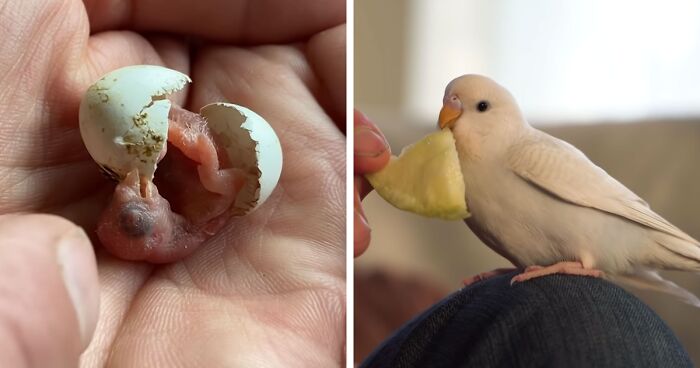
And it did. The abandoned parrot egg eventually hatched into an adorable budgie, also known in the United States as a parakeet. The story became popular because it had everything people love: a vulnerable animal, a careful rescue, a dramatic transformation, and a final bird so cute it could probably get away with unpaid rent.
Is A Budgie Really A Parrot?
Yes, and this is where bird vocabulary gets wonderfully chaotic. In the United States, many people call budgies “parakeets.” In other parts of the world, especially Australia and the United Kingdom, they are more commonly called budgerigars or budgies. Technically, a budgie is a small parrot species. So when someone says “parrot egg” in this story, they are not talking about a giant macaw egg the size of a breakfast burrito. They are talking about a very small parrot: Melopsittacus undulatus, the budgerigar.
Budgies are native to Australia, where wild flocks sweep across grasslands in search of food and water. Their natural coloring is green and yellow, but generations of careful breeding have produced blue, white, gray, violet, and other color variations in pet budgies. That is why a rescued pet-shop budgie chick may grow into a pale, snowy, or pastel little bird rather than the classic green bird seen in the wild.
Despite their small size, budgies are intelligent, social, vocal, and full of personality. Anyone who has lived with one knows the truth: a budgie weighs about as much as a snack cracker but behaves like it owns the entire apartment. They chirp, investigate, bond with people, learn routines, and sometimes treat shiny objects like ancient treasures.
How The Abandoned Egg Rescue Captured Everyone’s Attention
The viral story centered on a tiny parakeet egg found after the mother bird was no longer available to care for it. In many cases, an egg left on the cage floor would not survive. Bird eggs require steady warmth, careful positioning, proper humidity, and protection from contamination or rough handling. A chick inside the shell is developing in a delicate environment where small mistakes can become big problems.
The man behind the rescue already had experience with birds and eggs, which matters more than the cute final photos might suggest. Successful hatching is not simply “put egg somewhere warm and wait.” It involves knowing whether the egg may be fertile, monitoring development, understanding the timing of hatch, and preparing for the far more demanding stage after hatching: keeping a helpless chick alive.
When the budgie chick finally emerged, it was tiny, bare, and almost impossibly delicate. Baby budgies are altricial, which means they hatch underdeveloped. They are not fluffy little popcorn balls ready to peck around like chicks from a farmyard poster. Newly hatched budgies are blind, nearly naked, weak, and fully dependent on warmth and feeding. They need care so precise that even experienced bird lovers can find it stressful.
The Science Behind A Budgie Egg Hatching
How Long Does A Budgie Egg Take To Hatch?
Budgie eggs usually take about 18 days to hatch once consistent incubation begins, although timing can vary slightly. In a natural setting, the mother budgie sits on the eggs, keeps them warm, turns them, and maintains the conditions needed for development. In a rescue situation, those responsibilities must be replaced with careful human intervention and appropriate equipment.
The egg must not become too cold, too hot, too dry, or too wet. That sounds simple until you remember the egg is smaller than many coins and contains a developing animal that cannot ask for a blanket, a fan, or a snack. Nature designed bird parents to manage these details instinctively. Humans have to learn them, measure them, and still remain humble about how difficult the process is.
Why Hand-Raising A Budgie Is So Difficult
Once a budgie chick hatches, the challenge grows. In the nest, parent birds feed chicks with softened food from the crop. A human caretaker must use specialized formulas, sterile tools, safe feeding technique, and age-appropriate timing. Feeding too much, too little, too hot, too cold, or in the wrong way can harm a chick. That is why avian experts often advise beginners not to hand-raise chicks unless there is no safe alternative and professional guidance is available.
In other words, the viral rescue is heartwarming, but it is not a casual how-to challenge. It is closer to neonatal care than a cute hobby. The adorable result came from patience, knowledge, and close attention, not from guessing and hoping. Hope is lovely, but hope with a thermometer, a vet contact, and clean technique is much better.
Why This Budgie Story Feels So Emotional
Animal rescue stories hit people hard because they compress big feelings into tiny moments. An abandoned egg is a powerful symbol. It represents vulnerability, chance, and the question every rescue story asks: “What happens if someone cares?”
In this case, the answer was a living budgie. Viewers watched a fragile egg become a fragile chick, then a stronger chick, then a feathered little bird with a face that seemed personally engineered to melt the internet. The transformation was dramatic because the starting point looked so hopeless. A smooth white egg on a cage floor does not look like a bird. It looks like a small punctuation mark. Then life adds wings.
There is also something special about budgies themselves. They are expressive birds. Their body language is easy to love: the head tilts, the tiny hops, the sleepy fluffed feathers, the beak taps, the curious stare that says, “I am judging your furniture.” By the time the rescued chick grew into a recognizable budgie, the audience was emotionally invested. The little bird was no longer an egg; it was a character.
What This Story Teaches About Responsible Bird Care
1. Not Every Abandoned Egg Can Or Should Be Hatched
This point is important. Finding an egg does not automatically mean a rescue attempt is the right choice. Some eggs are infertile. Some are damaged. Some are from wild birds protected by law. Some may have been rejected by parents for reasons humans cannot see. In the case of pet birds, an egg may be unfertilized, especially if no male bird has been present.
The best first step is not to grab the egg and improvise. It is to identify the situation and get expert help. For wild birds, a licensed wildlife rehabilitator is the appropriate contact. For pet birds, an avian veterinarian or experienced breeder can help determine what is safest for the bird, the egg, and the human caretaker.
2. Female Budgies Need Care Around Egg-Laying
Egg-laying is physically demanding for female budgies. It requires calcium, energy, and healthy body condition. Chronic egg-laying can become dangerous, increasing the risk of exhaustion and egg-binding, a serious condition in which a bird cannot pass an egg normally. Responsible budgie owners pay attention to diet, light cycles, nesting triggers, and behavior changes.
Budgies should not be encouraged to breed casually. A nest box, cozy hut, dark corner, or soft enclosed space may trigger hormonal behavior. Many pet bird care experts recommend removing unnecessary nesting spaces when breeding is not intended. A happy budgie does not need a tiny bird bedroom with interior design ambitions.
3. A Good Diet Matters Before, During, And After Egg-Laying
Budgies are often stereotyped as seed-eaters, and yes, they love seeds. Unfortunately, an all-seed diet can be too high in fat and too limited in key nutrients. Modern bird care guidance often recommends a balanced diet built around quality pellets, fresh vegetables, limited fruit, and controlled seed portions. Clean water, mineral support, and veterinary advice are especially important for birds that lay eggs.
This matters because cute rescue stories sometimes make people focus only on the chick. But the mother bird’s health matters too. A healthy hen is more likely to produce viable eggs and recover well after laying. Bird care is not just about dramatic hatch-day moments. It is also about the quieter daily habits: food bowls, clean cages, sleep schedules, safe toys, and regular observation.
The Difference Between A Viral Miracle And Everyday Pet Ownership
The internet loves the highlight reel. We see the egg, the hatch, the tiny beak, the growing feathers, and the final adorable budgie. What we do not always see is the constant responsibility behind the scenes. Baby birds need frequent monitoring. Adult budgies need social interaction, mental stimulation, flight or exercise opportunities, and a safe environment.
A budgie is not a decoration with feathers. It is a social animal with opinions, habits, needs, and a surprising ability to make a room feel more alive. Many budgies enjoy toys they can shred, bells they can investigate, swings, safe perches, and foraging activities. They also need protection from common household hazards such as fumes, unsafe cookware, toxic plants, ceiling fans, open windows, and other pets.
That is why this story should inspire compassion, not impulse buying. A person watching the rescue may think, “I want a budgie!” That is understandable. Budgies are delightful. But the better thought is, “Can I provide years of proper care for a budgie?” Smaller animals are not smaller commitments. They simply fit their big needs into tiny bodies.
Why The Budgie Became The Perfect Ending
The rescued chick’s growth into an adorable budgie gave the story a natural happy ending. A budgie is visually charming, but it is also symbolically perfect. This is a bird known for resilience. In the wild, budgies survive in Australia’s challenging landscapes by moving in flocks and following resources. In homes, they adapt to human routines, learn sounds, and form bonds.
So the image of a budgie emerging from an abandoned egg feels almost poetic. The bird began as something overlooked and became something lively, social, and bright. That arc is hard to resist. It is the animal rescue version of finding a dusty old guitar in the attic and discovering it can still play music.
The story also reminds us that small animals deserve serious attention. A tiny egg can contain a life. A small bird can have a huge personality. A moment of care can change an outcome. Not every rescue will end perfectly, but every responsible rescue begins with noticing.
Practical Lessons For Bird Lovers
Look Before You Act
If you find a bird egg, pause. Is it from a pet bird? A wild bird? Is there a nest nearby? Are the parents still around? Is the egg cracked, cold, or contaminated? The answers matter. Rushing in may feel heroic, but good rescue work starts with careful observation.
Ask For Expert Help
For wild birds, contact a licensed wildlife rehabilitator. For pet birds, call an avian veterinarian or a reputable bird rescue. Expert advice can prevent well-meaning mistakes. Birds are delicate, and chicks are even more delicate. This is not the time for “I saw one video, therefore I am basically a bird doctor.”
Respect The Bird’s Long-Term Needs
If a chick survives, the responsibility does not end when it becomes cute. That is actually when the work expands. A growing budgie needs proper weaning, socialization, safe housing, nutrition, enrichment, and veterinary care. The goal is not just to hatch a bird. The goal is to help it live well.
The Human Side: Why People Love Rescue Stories Like This
Part of the charm of the abandoned parrot egg story is that it makes kindness feel visible. Most acts of care happen quietly. Someone cleans a cage. Someone calls a vet. Someone checks on a chick at an inconvenient hour. Someone chooses responsibility when walking away would be easier.
When those moments are shown in a story, people respond because they recognize the effort. The budgie did not hatch because the world is automatically gentle. It hatched because one person paid attention and had the ability to help. That distinction matters. Compassion is not just a feeling; it is a skill when paired with knowledge.
Also, let’s be honest: baby birds look absurd. They are not conventionally cute at first. A newborn budgie chick looks like a tiny pink question mark with ambition. Then, slowly, pin feathers appear. The eyes open. The posture improves. The bird begins to look less like a science-fiction jellybean and more like the cheerful budgie people recognize. Watching that change is fascinating because it feels like a secret stage of life most people never see.
Experiences And Reflections Inspired By The Abandoned Parrot Egg Story
Stories like “Man Finds An Abandoned Parrot Egg And Hatches It Into An Adorable Budgie” often make people think about their own encounters with animals that needed help. Maybe it was a stunned bird resting near a window, a lost pet wandering a sidewalk, or a baby animal that looked alone but was actually waiting for its parents to return. The first emotional impulse is usually the same: do something. That impulse is kind, but the best animal helpers learn to add a second step: do the right thing.
One useful experience many bird owners share is the surprise of discovering how much personality can fit inside a tiny feathered body. A budgie may be small enough to perch on one finger, but it can have a full schedule of activities: morning chirping, toy inspection, snack negotiations, mirror debates, and dramatic complaints about cage cleaning. People who adopt budgies often realize quickly that the bird is not background noise. It is a roommate with wings and very specific opinions.
Another common experience is learning patience. Birds do not always trust immediately. A rescued or young budgie may need time before stepping onto a hand, accepting food calmly, or relaxing around people. Trust is built through routine, gentle handling, and consistency. The same patience shown in the egg rescue applies later in everyday care. You cannot rush a bird into feeling safe. You can only create the conditions where safety becomes believable.
The abandoned egg story also highlights the difference between admiration and imitation. Viewers may admire the rescue, but that does not mean they should try to hatch eggs at home. A more responsible response is to support bird rescues, learn about proper budgie care, prepare before adopting, and keep contact information for avian professionals. In real life, the most heroic action may be a phone call, not a homemade incubator.
For families considering a budgie, this story can become a conversation starter. Who will clean the cage? Who will refresh food and water? Is there money for veterinary visits? Is the home safe from fumes, candles, toxic plants, and curious cats? Can the bird receive daily attention? These questions are not as adorable as a baby budgie video, but they are what turn affection into responsible care.
Finally, the experience that stays with many people is wonder. A tiny egg becomes a breathing chick. A helpless chick becomes a feathered bird. A bird that once fit inside a shell begins to climb, chirp, explore, and bond. That transformation is not just cute; it is a reminder that life often begins quietly. Sometimes it is sitting at the bottom of a cage, waiting for someone knowledgeable enough, careful enough, and compassionate enough to notice.
Conclusion: A Small Bird With A Big Message
The story of a man finding an abandoned parrot egg and hatching it into an adorable budgie is more than a feel-good animal tale. It is a reminder that compassion works best when guided by knowledge. The rescue succeeded because the egg was handled with care, the chick received specialized attention, and the person involved understood the responsibility behind the miracle.
For readers, the takeaway is simple: tiny lives deserve big respect. Budgies may be small, but their care is serious. Eggs may look simple, but hatching is complex. Viral stories may seem effortless, but real rescue work is careful, patient, and often nerve-racking. Still, when everything goes right, the reward is unforgettable: one fragile egg becomes one bright little bird, and the internet collectively whispers, “Okay, fine, my heart is a puddle now.”