Summer heat waves have a special talent for turning your living room into a toaster oven with throw pillows. One day you are enjoying iced tea like a civilized person; the next, your house feels like it is auditioning to become a pizza stone. And while “just stay cool” sounds easy, anyone who has survived a July afternoon with a weak air conditioner, sweaty curtains, and a refrigerator full of questionable leftovers knows better.
The good news? You do not need to build an underground bunker or move into the frozen-food aisle at the grocery store. With the right home essentials, a little planning, and a smarter approach to cooling, you can make your home safer, more comfortable, and far less dramatic during extreme heat.
This guide covers 14 practical home essentials to survive a summer heat wave, from cooling devices and blackout curtains to hydration supplies, power-outage gear, and food-safety tools. Think of it as your heat wave survival checklistminus the panic, plus a few jokes because sweating is already serious enough.
Why Heat Wave Preparation Matters
A heat wave is not simply “hot weather with attitude.” Extreme heat can strain the body, overload electrical systems, spoil food during power outages, and make homes dangerously uncomfortableespecially for children, older adults, people with medical conditions, outdoor workers, and pets. Even healthy adults can run into trouble when indoor temperatures stay high for long periods.
Preparing your home before the thermometer starts acting like it has a personal grudge gives you options. You can cool your space more efficiently, protect your food, keep water available, charge devices, and reduce the number of desperate decisions made while standing in front of an open freezer whispering, “Save me.”
14 Home Essentials To Survive a Summer Heat Wave
1. A Reliable Air Conditioner or Portable Cooling Unit
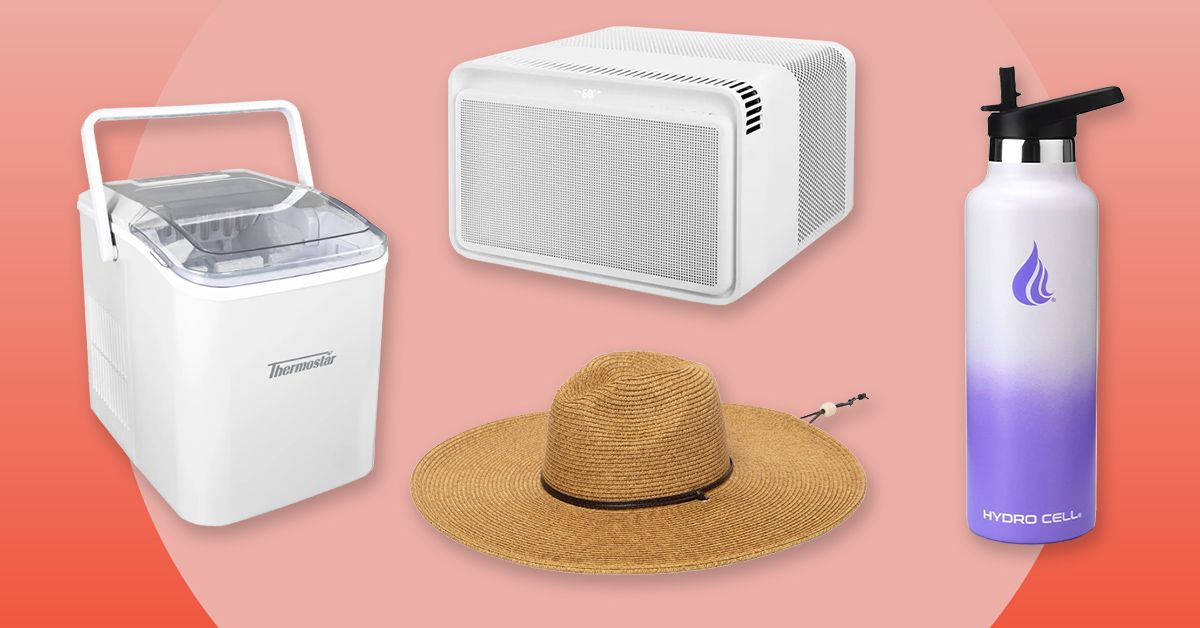
If your home has central air, a window unit, or a portable air conditioner, consider it your first line of defense. Air conditioning does more than provide comfort; it helps keep indoor temperatures safer when outdoor heat becomes intense. Before summer peaks, clean or replace filters, clear debris around outdoor units, and make sure vents are not blocked by furniture, rugs, or that mysterious pile of “I’ll organize it later” stuff.
For renters or homes without central cooling, a properly sized window air conditioner or portable AC can make one room livable. Focus on creating a “cool room”usually a bedroom or living roomwhere household members can gather during the hottest part of the day. Cooling one room well is often smarter than trying to chill the entire house like a luxury hotel lobby.
2. Ceiling Fans and Portable Fans
Fans are heat wave heroes, but they are not magic wands. Ceiling fans and portable fans cool people by moving air across the skin, not by lowering the actual room temperature. In summer, ceiling fans should usually rotate counterclockwise to push air downward and create a cooling breeze.
Use fans with air conditioning to feel cooler without forcing the AC to work like it is training for the Olympics. However, when indoor temperatures become extremely high, fans alone may not be enough and can even make the body feel hotter if they are only blowing hot air. If your home becomes dangerously warm, move to an air-conditioned space such as a library, community cooling center, shopping center, or a trusted friend’s home.
3. Blackout Curtains, Thermal Curtains, or Reflective Window Coverings
Windows are wonderful for views, sunlight, and judging whether the neighbor is mowing again at 7 a.m. Unfortunately, they also invite heat into your home. Blackout curtains, thermal curtains, cellular shades, reflective film, or even temporary window coverings can reduce heat gain during the day.
Close curtains and blinds before direct sunlight hits the glass. South- and west-facing windows often need the most attention because afternoon sun can turn a room into a greenhouse with furniture. For extra defense, use exterior shading when possible, such as awnings, shade cloth, outdoor blinds, trees, or patio umbrellas.
4. A Smart or Programmable Thermostat
A smart thermostat helps control cooling without requiring you to babysit the wall like it owes you money. Program it to keep the home comfortable when people are there and reduce unnecessary cooling when rooms are empty. During a heat wave, avoid dramatic thermostat drops. Setting the temperature extremely low will not cool the home faster; it usually just makes the system run longer.
A practical strategy is to keep the temperature steady, use fans for comfort, and close off unused rooms if your system allows it. If your AC struggles during peak afternoon heat, pre-cooling the home slightly in the morning may help reduce the burden later in the day.
5. Extra Water and Electrolyte Drinks
Hydration is not glamorous, but neither is becoming dizzy because you treated coffee as a food group. Keep extra drinking water at home before a heat wave begins. A common emergency-preparedness rule is to store at least one gallon of water per person per day, with extra for pets, cooking, and basic hygiene.
Electrolyte drinks or oral rehydration packets can also be helpful, especially if someone is sweating heavily. You do not need to turn your pantry into a sports-drink warehouse, but having a few options is smart. Avoid relying only on sugary drinks, alcohol, or high-caffeine beverages, which may not support hydration as well as plain water and balanced fluids.
6. Reusable Water Bottles and Insulated Tumblers
A water supply is useful, but it helps even more when everyone actually drinks it. Keep reusable bottles or insulated tumblers filled and visible. Put one near your desk, one by the bed, and one near the door if you need to leave the house. Hydration becomes easier when it is not hiding in the kitchen like a shy vegetable.
For families, label bottles by name and encourage steady sipping throughout the day. For pets, keep bowls filled with fresh water and place them in cool, shaded areas. If your pet keeps giving you the “I did not sign up for this weather” face, take the hint.
7. Cooling Towels, Gel Packs, and Ice Packs
Cooling towels, reusable gel packs, and ice packs are small but mighty heat wave essentials. They help cool the body quickly when placed around the neck, wrists, or underarms. Keep several gel packs in the freezer, and rotate them as needed.
For safety, wrap frozen packs in a thin towel before placing them on skin. The goal is to cool down, not re-create a tiny winter injury. Cooling towels are especially useful for quick relief after errands, yard work, or any outdoor activity that makes you question why the sun is allowed to be this enthusiastic.
8. Lightweight Bedding and Breathable Clothing
Heat waves do not clock out at bedtime. In fact, hot nights can be the most miserable part of extreme heat because the body needs a chance to cool down and recover. Swap heavy comforters for lightweight cotton, bamboo, linen, or moisture-wicking sheets. Use a thin blanket if needed and keep sleepwear loose, light, and breathable.
If your bedroom traps heat, consider sleeping in a cooler room, closer to the ground floor, or in the room with the best airflow. Heat rises, which is rude but scientifically consistent. A small bedside fan, chilled water bottle, or cooling pillow can make sleep less like a slow roast.
9. A Cooler, Ice, and Frozen Water Containers
Power outages during heat waves are more than inconvenient; they can quickly create food-safety problems. Keep a cooler available, along with ice packs or frozen water containers. Frozen water bottles can help keep food cold and later become drinkable water as they melt. That is multitasking, and frankly, we should all be impressed.
If the power goes out, keep refrigerator and freezer doors closed as much as possible. A closed refrigerator can usually keep food cold for several hours, while a full freezer stays cold longer than a half-full one. Having a cooler ready gives you a backup plan for milk, medicine, baby formula, leftovers, or anything else that should not spend the afternoon at room temperature.
10. Refrigerator and Freezer Thermometers
Your refrigerator may look calm during a blackout, but inside it could be plotting a bacteria party. Appliance thermometers help you know whether food has stayed at a safe temperature. The refrigerator should generally be at or below 40°F, and the freezer should be at or below 0°F.
Place one thermometer in the fridge and one in the freezer before summer heat arrives. After an outage, do not taste food to see if it is safe. That is not bravery; that is a stomachache with confidence. Use temperature, time, and common food-safety guidance to decide what to keep and what to discard.
11. Flashlights, Battery Lanterns, and Extra Batteries
Heat waves can strain the electrical grid, and storms sometimes tag along like unwanted party guests. Keep flashlights, battery lanterns, and extra batteries in easy-to-find places. Avoid relying only on candles, especially in homes with children, pets, or curtains that seem determined to live dangerously.
Battery lanterns are great for lighting a room without heating it up. Choose models that are simple to use and store them where everyone can find them. A flashlight buried under holiday decorations in the garage is less of an emergency tool and more of a scavenger hunt.
12. Power Banks and a Charging Plan
Phones are essential during a heat wave because they provide weather alerts, emergency updates, maps to cooling centers, and a way to check on loved ones. Keep power banks charged before extreme heat arrives. If possible, have more than one: one for phones and another for small USB-powered fans or medical devices that support USB backup.
Create a family charging routine during heat alerts. Charge phones, laptops, power banks, rechargeable fans, and battery lanterns early. If the power stays on, wonderful. If it goes out, you will not be staring at a 3% battery while your phone dramatically announces its final moments.
13. Indoor Air Quality Supplies
Heat waves often overlap with poor air quality, wildfire smoke, ozone alerts, or high humidity. A portable air purifier with a properly rated filter can help improve indoor air in a chosen room. High-efficiency HVAC filters may also help if your system can handle them, but always check your unit’s requirements before switching filters.
During smoke or poor-air days, keep windows and doors closed when advised, reduce indoor pollution sources, and use your cleanest room as a refuge. This is especially important for people with asthma, heart conditions, breathing issues, or allergies. Cool air is good; cool, cleaner air is even better.
14. A Home Heat Wave Emergency Kit
A heat wave kit does not need to look like something from a disaster movie. Start with basics: water, shelf-stable food, medications, first aid supplies, pet supplies, flashlights, batteries, power banks, copies of important documents, and contact numbers. Add sunscreen, hats, cooling towels, electrolyte packets, and any medical equipment your household depends on.
For households with infants, older adults, pets, or people with medical needs, plan ahead. Know where the nearest cooling centers are, who can help with transportation, and how to keep medicines safe if refrigeration is needed. If anyone uses powered medical equipment, talk with a healthcare provider or utility company about backup options before an outage happens.
Extra Tips To Keep Your Home Cooler
Use Heat-Producing Appliances Less
Your oven is basically a tiny indoor volcano with a timer. During a heat wave, choose no-cook meals, slow cookers, microwaves, outdoor grilling when safe, or batch cooking early in the morning. Also limit clothes dryers, incandescent lights, and other appliances that add heat indoors.
Ventilate at the Right Time
If outdoor air cools down at night and air quality is good, open windows to create cross-ventilation. Close them again in the morning before outdoor temperatures climb. This simple routine can help trap cooler air inside and keep daytime heat out.
Seal Gaps and Block Direct Sun
Weatherstripping, door sweeps, caulk, and window film can reduce hot air leaks. These small upgrades are not flashy, but neither is paying to cool air that immediately escapes through a gap under the door. Shade the sunny side of your home whenever possible, especially during afternoon hours.
Check on People and Pets
A heat wave checklist is not only about gadgets. Check on neighbors, relatives, and friends who live alone or may be more vulnerable to heat. Keep pets indoors during peak heat, avoid hot pavement, and never leave children or animals inside parked vehicles. A car can become dangerously hot very quickly, even when the outside temperature does not seem extreme.
Common Heat Wave Mistakes To Avoid
One common mistake is waiting until the heat warning arrives to shop for supplies. By then, fans, ice, bottled water, and window AC units may be sold out. Prepare early, especially if your area has a history of outages or extreme summer temperatures.
Another mistake is assuming fans can replace air conditioning in all conditions. Fans help comfort, but during dangerously high indoor temperatures, they may not protect your health. If your home becomes too hot, leave for a cooler location.
A third mistake is using outdoor equipment indoors. Portable generators, charcoal grills, camp stoves, and similar fuel-burning devices should never be used inside homes, garages, sheds, or enclosed spaces because of carbon monoxide risk. If you use a generator, it must stay outside and far from doors, windows, and vents. Carbon monoxide alarms with battery backup are also essential.
Real-Life Heat Wave Experiences: What Actually Helps at Home
The first thing most people learn during a serious heat wave is that comfort depends on small decisions made early. Closing curtains at noon is fine, but closing them at 8 a.m. before the sun starts blasting the room is better. Pre-chilling the house a little in the morning can help, too. The goal is to stay ahead of the heat rather than wrestle it at 4 p.m. when the walls feel warm and everyone in the house has become slightly grumpy.
One practical experience many households share is the power of creating a single cool zone. Instead of trying to cool every bedroom, hallway, and forgotten corner where old exercise equipment goes to retire, pick one room and make it efficient. Close doors, block sunlight, run the AC or fan strategically, and keep water, chargers, medications, and pet supplies nearby. This turns one room into a cooling base camp. It is not fancy, but neither is sweating through your couch.
Another lesson: ice disappears faster than expected. During a heat wave, ice becomes the household celebrity. Everyone wants it, everyone needs it, and suddenly the freezer looks empty. Freezing water bottles ahead of time is one of the easiest tricks. They help keep coolers cold, support the freezer during short outages, and become cold drinking water later. It feels almost too simple, which is exactly why it works.
Food planning also matters more than people think. Heavy cooking heats the kitchen, increases humidity, and makes the AC work harder. Cold meals, salads, sandwiches, fruit, yogurt, rotisserie chicken, microwave meals, and early-morning meal prep can make the whole house feel better. During a heat wave, the oven should be treated like a dramatic relative: useful sometimes, but best avoided when emotions are already high.
Sleep is another battlefield. Hot nights can make people tired, impatient, and less able to handle the next day’s heat. Lightweight bedding, a bedside fan, a cool shower before bed, and an insulated bottle of water nearby can make a noticeable difference. Some people sleep better in the lowest level of the home or in a shaded room rather than the usual bedroom. Flexibility helps. Pride does not cool pillows.
Finally, checking on others is one of the most underrated heat wave essentials. A quick text, call, or knock on the door can help someone who is struggling quietly. Ask whether they have working cooling, water, medication, transportation, or a place to go if their home becomes too hot. Heat waves are easier to survive when people act like a neighborhood instead of separate islands with thermostats.
Conclusion
Surviving a summer heat wave at home is not about buying every cooling gadget on the internet or turning your house into a science experiment with curtains. It is about smart preparation: reliable cooling, water, shade, power backup, food safety, breathable bedding, emergency supplies, and a plan for people and pets.
The best time to prepare is before the forecast map turns angry red. Check your air conditioner, stock water, charge power banks, freeze water bottles, set up a cool room, and know where to go if your home becomes unsafe. With the right home essentials, you can face extreme heat with more confidenceand fewer moments of standing in front of the fridge pretending it is a personal cooling device.