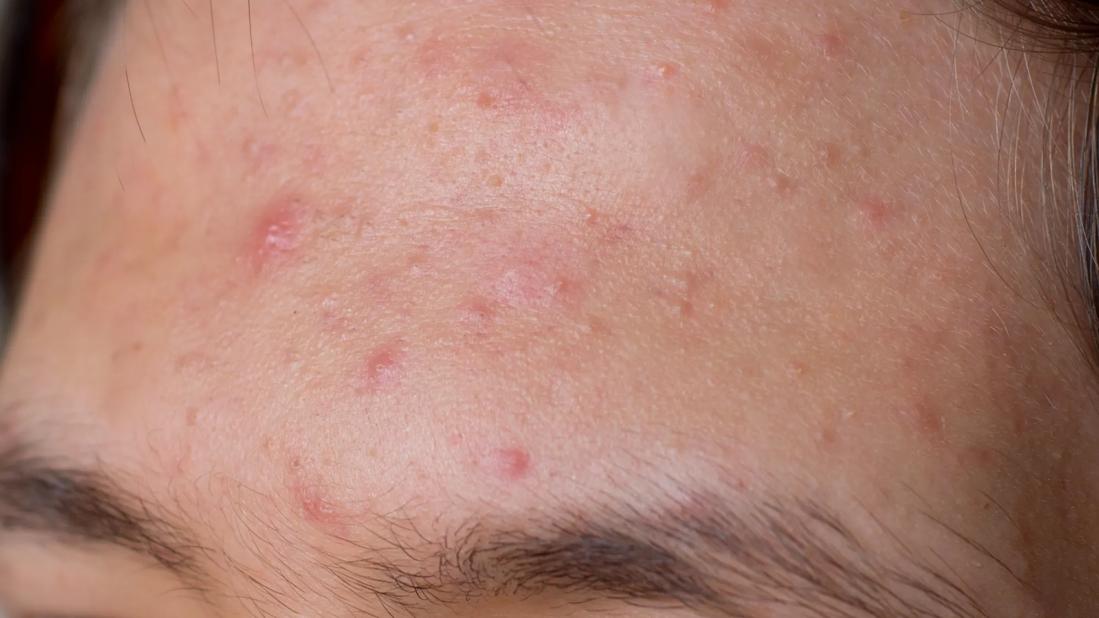
One minute, you are finishing a heroic workout. The next, a tiny army of bumps has occupied your forehead, chest, back, or waistband. They may look like ordinary pimples, but “sweat pimples” is an informal label rather than a medical diagnosis. Those bumps could be acne, heat rash, bacterial folliculitis, yeast-related folliculitis, or simple irritation caused by damp clothing and friction.
The good news is that sweating is not bad for your skin, and you do not need to abandon the gym, outdoor work, or your favorite summer activities. The real issue is what happens when sweat stays trapped against the skin and mixes with oil, dead cells, microorganisms, tight fabric, and repeated rubbing. Identifying the type of breakout is the first step toward treating it without accidentally making matters worse.
What Are Sweat Pimples?
People commonly use the term “sweat pimples” for small bumps that appear during hot weather or after exercise. However, sweat itself does not directly create acne. Acne develops when hair follicles become clogged with sebum, dead skin cells, and inflammatory material. Sweat can contribute indirectly by creating a warm, damp environment and by carrying oil, skin-care products, and debris across acne-prone areas.
Exercise equipment and clothing add another ingredient to this skin-care casserole: friction. Helmets, chin straps, shoulder pads, tight leggings, backpacks, sports bras, headbands, and nonbreathable uniforms can trap moisture while repeatedly rubbing the skin. The resulting condition is often called acne mechanica.
Not every post-workout bump is acne, though. Heat rash results from trapped sweat in blocked ducts, while folliculitis develops when hair follicles become irritated or infected. Because these conditions can resemble one another, treating every bump with the strongest acne product on the shelf is not always a winning strategy.
Why Do Sweat-Related Breakouts Happen?
1. Sweat Mixes With Oil and Dead Skin
Your skin naturally produces sebum to prevent excessive dryness. During a sweaty workout or humid afternoon, sebum, perspiration, sunscreen, cosmetics, and dead cells can collect on the skin. If that mixture remains under a hat, mask, bra band, or tight shirt, follicles may become more likely to clog.
This does not mean that sweating makes someone dirty. In fact, aggressive washing can irritate the skin barrier and worsen inflammation. The goal is timely, gentle cleansingnot scrubbing your face as if you are sanding a kitchen cabinet.
2. Friction and Pressure Irritate Hair Follicles
Repeated rubbing creates tiny amounts of irritation. When friction is combined with heat and moisture, acne-prone follicles may become inflamed. This explains why bumps often appear along helmet edges, backpack straps, waistbands, bra lines, and areas covered by athletic pads.
Roughly wiping sweat can also create irritation. Blotting with a clean towel is kinder to the skin than dragging the towel across it.
3. Tight Clothing Traps Heat and Moisture
Compression garments may be useful during exercise, but leaving them on long after the workout creates a miniature tropical climate. Warmth, moisture, and limited airflow encourage irritation and may promote the overgrowth of bacteria or yeast around hair follicles.
4. Sweat Ducts Become Blocked
In heat rash, also known as prickly heat or miliaria, sweat cannot escape normally because the ducts have narrowed or become blocked. Sweat remains trapped beneath the skin, producing small bumps, redness, itching, prickling, or tiny blisters. Heat rash commonly develops in hot, humid conditions and where skin touches skin or clothing blocks airflow.
5. Hair Follicles Become Inflamed or Infected
Folliculitis can occur when damaged follicles become inflamed or infected. Excessive sweating, shaving, friction, tight clothing, contaminated hot tubs, and certain skin products can increase the risk. The bumps may itch, feel tender, or contain pus.
6. Yeast Thrives in Warm, Humid Conditions
Malassezia is a type of yeast normally found on human skin. Under favorable conditions, including heat, sweating, oily skin, and occlusion, it can overgrow within hair follicles. The result is Malassezia folliculitis, sometimes nicknamed “fungal acne,” although it is not true acne.
How to Tell What Kind of Bumps You Have
Acne Mechanica
Acne mechanica usually appears in places exposed to pressure, rubbing, heat, and trapped sweat. You may notice a mixture of whiteheads, blackheads, red pimples, or small inflamed bumps. The presence of clogged pores, especially blackheads or whiteheads, makes true acne more likely.
Heat Rash
Heat rash often looks like clusters of tiny red, clear, or skin-colored bumps. It tends to feel itchy, prickly, or burning rather than deeply painful. Common locations include the neck, chest, back, thighs, underarms, skin folds, and areas under tight clothing. It often improves when the body cools and the skin stays dry.
Bacterial Folliculitis
Folliculitis commonly produces red or pus-filled bumps centered around individual hairs. The area may itch, sting, or feel tender. Shaving, sweaty clothing, skin rubbing, and poorly maintained hot tubs are familiar triggers.
Hot-tub folliculitis may develop after exposure to water contaminated with Pseudomonas aeruginosa. It often appears in areas covered by a swimsuit because the fabric holds contaminated water against the skin.
Malassezia Folliculitis
Yeast-related folliculitis usually produces many bumps that are similar in size and shape. They may be intensely itchy and often appear on the chest, upper back, shoulders, hairline, or forehead. Unlike acne, it generally does not produce obvious blackheads or whiteheads.
Contact Dermatitis or Chafing
A new detergent, fragranced body spray, fabric dye, sunscreen, deodorant, or cleansing wipe can cause irritant or allergic contact dermatitis. This tends to produce itching, redness, burning, scaling, or patches that match the area of exposure. Chafing is more likely to look raw and tender than pimple-like.
Hidradenitis Suppurativa
Recurring, deep, painful lumps in the underarms, groin, buttocks, or beneath the breasts should not be dismissed as ordinary sweat pimples. They may represent hidradenitis suppurativa, a chronic inflammatory condition that can cause abscesses, drainage, tunnels beneath the skin, and scarring. Early medical care may help control the disease and limit permanent damage.
What to Do Immediately After Sweating
Cool Down and Remove Damp Clothing
Change out of sweaty clothes, socks, underwear, or swimwear as soon as practical. If a complete wardrobe change is impossible, at least replace the item pressing against the breakout-prone area. Letting the skin cool and dry can be enough to settle mild heat rash and prevent further friction.
Take a Lukewarm Shower
Use lukewarm rather than very hot water. A mild, fragrance-free cleanser can remove sweat, oil, sunscreen, and microorganisms without stripping the skin. Wash with your hands instead of an abrasive scrubber. Pat dry with a clean towel.
Do Not Scrub or Pop the Bumps
Scrubbing does not pull clogs out of pores. It usually adds more irritation. Picking and popping can push inflammation deeper, increase the risk of infection, and leave dark marks or scarsparticularly in skin tones that readily develop post-inflammatory hyperpigmentation.
Use a Light, Noncomedogenic Moisturizer
Even oily or acne-prone skin needs barrier support. Choose a fragrance-free moisturizer labeled “noncomedogenic,” “oil-free,” or “won’t clog pores.” Heavy ointments may trap additional heat over an active heat rash, so select a lightweight lotion or gel when the weather is hot.
How to Treat True Sweat-Triggered Acne
Mild acne mechanica may respond to over-the-counter treatment combined with less friction and better post-workout hygiene. Introduce one active product at a time so you can identify irritation instead of creating a bathroom counter full of suspects.
Salicylic Acid
Salicylic acid helps exfoliate inside clogged pores and is especially useful for blackheads, whiteheads, and small pimples. A salicylic acid cleanser can be convenient for the chest and back. Begin several times per week if your skin is sensitive, then increase gradually as tolerated.
Benzoyl Peroxide
Benzoyl peroxide reduces acne-associated bacteria and helps treat inflammatory pimples. Starting with a lower strength, such as 2.5%, may reduce dryness and burning while still providing benefit. A wash may be easier to use on the body than a leave-on gel.
Rinse thoroughly, follow label directions, and remember that benzoyl peroxide can bleach towels, pillowcases, and clothing. Your favorite black workout shirt may otherwise become an accidental tie-dye project.
Adapalene
Adapalene is an over-the-counter topical retinoid that keeps follicles from clogging. Apply a thin layer to the entire acne-prone area rather than dabbing it only onto visible pimples. Start two or three nights per week, moisturize, and increase slowly if your skin tolerates it.
Retinoids can cause dryness and sun sensitivity. People who are pregnant, trying to become pregnant, or breastfeeding should consult a healthcare professional before using acne medications, including topical retinoids.
Give the Routine Time to Work
Acne does not vanish after two washes and an encouraging speech. Improvement commonly requires several weeks of consistent treatment. Dermatologists recommend evaluating an over-the-counter acne product after about six to eight weeks rather than switching products every few days.
How to Handle Heat Rash or Folliculitis
For Heat Rash
Move to a cooler environment, wear loose and breathable clothing, and keep the skin dry. Cool compresses may ease itching and prickling. Avoid heavy oils, thick ointments, and tight bandages that trap more heat. Most mild cases improve after sweating is reduced.
Ask a pharmacist or healthcare professional before applying medicated creams, especially to children, large areas, broken skin, or sensitive locations. A rash that persists despite cooling may not be heat rash at all.
For Possible Bacterial Folliculitis
Stop shaving or rubbing the area temporarily. Apply a warm, clean compress for comfort and use a fresh towel each time. Keep clothing loose, do not share razors or towels, and avoid squeezing pustules.
Mild folliculitis sometimes resolves with basic care, but widespread, recurrent, or painful disease may require prescription treatment. A clinician may take a swab or skin sample to determine whether bacteria, yeast, or another condition is responsible.
For Suspected Malassezia Folliculitis
Uniform, itchy bumps that fail to respond to ordinary acne products deserve professional evaluation. Malassezia folliculitis is treated with antifungal medication, not the standard antibiotics used for bacterial infections. Using random antibiotic creams may delay the correct diagnosis and disrupt the skin’s microbial balance.
How to Prevent Sweat Pimples
Prepare Before Exercise
Remove heavy makeup when possible and choose a broad-spectrum, water-resistant, noncomedogenic sunscreen for outdoor activities. Wear clean, breathable clothing. Make sure helmet pads, headbands, chin straps, and protective equipment are clean and fit without unnecessary rubbing.
Blot Instead of Wiping
Carry a clean towel and gently blot sweat. Avoid using the same towel on gym benches, equipment, and your face. Shared fitness equipment should be cleaned before use according to the facility’s instructions.
Shower Promptly
A prompt shower is ideal, but perfection is not required. When immediate showering is impossible, change clothes and gently clean the most breakout-prone areas. Avoid leaving cleansing wipes or fragranced residue on the skin for hours.
Wash Workout Clothing After Every Use
Sports bras, shirts, leggings, hats, headbands, and reusable face coverings should be washed regularly. The garment may smell acceptable to you while hosting an enthusiastic microscopic reunion.
Reduce Friction
Adjust straps, choose smoother fabric, and place a clean moisture-wicking layer between the skin and protective gear. Test different garment cuts if bumps repeatedly develop along the same seams. Avoid sitting in damp clothing after exercise.
Keep Your Routine Simple
A gentle cleanser, one appropriate treatment, moisturizer, and sunscreen are often more helpful than an elaborate collection of scrubs, brushes, essential oils, and emergency toothpaste. Toothpaste belongs on teeth; it can irritate skin without treating the causes of acne.
When Should You See a Dermatologist?
Arrange medical care if the bumps are deep, very painful, rapidly spreading, repeatedly draining, or leaving scars and dark marks. You should also seek help if you develop fever, chills, increasing warmth, significant swelling, red streaks, or rapidly worsening tenderness, as these can suggest a more serious infection.
A dermatologist can also help when:
- The breakout does not improve after six to eight weeks of consistent acne care.
- The bumps are intensely itchy and all look nearly identical.
- Breakouts repeatedly occur in the underarms, groin, buttocks, or beneath the breasts.
- You are unsure whether the condition is acne, heat rash, folliculitis, eczema, or an allergy.
- You have diabetes, reduced immunity, or another condition that increases infection risk.
- You are pregnant or breastfeeding and need help choosing safe treatments.
A Real-World Experience: Solving a “Sweat Pimple” Mystery
The following is a representative composite scenario based on common experiences, not a description of one identifiable patient.
Imagine someone named Jordan who begins attending indoor cycling classes three evenings a week. Within a month, Jordan notices small bumps along the forehead, upper back, and the lower edge of a sports top. The obvious conclusion seems to be that exercise is “detoxing” the skin. That explanation sounds satisfying, but skin does not purge toxins by arranging them into pimples.
Jordan responds with enthusiasm rather than strategy. The face gets scrubbed with a rough exfoliating pad after every workout. A strong acne wash is used in the morning, at night, and sometimes at lunch for moral support. The bumps become redder. Some itch. A few leave brown marks after healing.
The first useful change is surprisingly boring: Jordan stops scrubbing. Before class, heavy foundation is removed and a lightweight noncomedogenic sunscreen is used when needed. During exercise, sweat is blotted with a clean towel rather than wiped aggressively. Immediately afterward, the damp top and headband are replaced. Helmet padding and exercise accessories are cleaned regularly.
Next comes observation. The bumps along the bra line contain occasional whiteheads and appear precisely where fabric rubs. Those behave like acne mechanica. A low-strength benzoyl peroxide wash is used several times per week, with careful rinsing and a white towel that has accepted its bleach-related destiny.
The forehead bumps are different. They are tiny, itchy, and nearly identical. They do not include obvious blackheads. After several weeks without improvement, Jordan sees a dermatologist rather than escalating to a seven-acid home experiment. The dermatologist determines that the forehead eruption is folliculitis rather than ordinary acne and selects treatment for the underlying cause.
The greatest improvement comes not from one miracle ingredient but from matching each problem to its trigger. The friction-related body acne improves after changing clothing and using an appropriate acne wash. The forehead bumps respond only after being correctly diagnosed. The leftover dark marks gradually fade because Jordan stops picking and begins using daily sun protection.
This experience illustrates why the phrase “sweat pimples” can be misleading. Several skin problems may arrive after the same workout but require different solutions. Location, itching, the presence of clogged pores, exposure to friction, and response to treatment all provide useful clues.
It also demonstrates that more treatment is not automatically better treatment. A damaged skin barrier can sting, flake, and become more inflamed, making every bump look angrier. A gentle routine performed consistently usually beats an aggressive routine performed in a panic.
Finally, the experience offers a practical reminder: exercise is still worth doing. Jordan does not quit cycling or attempt to negotiate with the sweat glands. Instead, a few small habits are changedcleaner gear, faster clothing changes, less rubbing, gentle cleansing, and targeted treatment. Clearer skin and regular workouts are entirely capable of sharing the same calendar.
Conclusion
Sweat pimples are usually caused not by perspiration alone but by the combination of moisture, oil, dead skin, clogged follicles, friction, tight clothing, bacteria, or yeast. The bumps may represent acne mechanica, heat rash, folliculitis, or another inflammatory condition.
Start with the fundamentals: cool the skin, change damp clothes, shower gently, reduce friction, clean workout gear, and avoid picking. Salicylic acid, benzoyl peroxide, or adapalene may help true acne, while heat rash generally needs cooling and airflow. Itchy, uniform, painful, recurring, or treatment-resistant bumps should be evaluated by a healthcare professional so the right conditionnot merely the most convenient guessis treated.