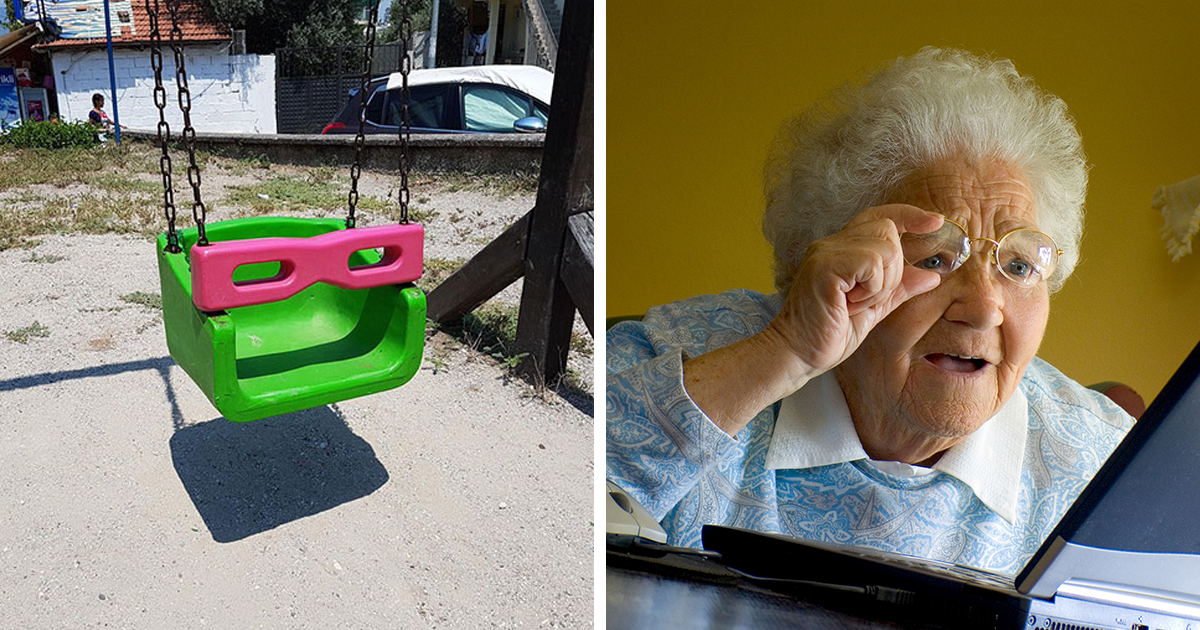
Ever looked at a power outlet and felt like it was silently judging your life choices? Or noticed a sad little face in your morning toast right before you covered it with butter like a tiny breakfast villain? Congratulations: your brain has been pranked by random pareidolia, the wonderfully strange habit of seeing faces, animals, or familiar shapes in things that are definitely not alive and absolutely not paying rent.
Pareidolia is not a disorder, a sign of losing your grip, or proof that your washing machine has developed opinions. It is a normal pattern-recognition shortcut. The human brain is extremely good at spotting faces because faces matter. They help us detect friends, threats, emotions, attention, and social cues. The funny side effect is that the same system occasionally gets overexcited and turns a mop bucket into a grumpy office manager.
That is why collections of funny pareidolia pictures are so irresistible. A cracked wall becomes a tired wizard. A bell pepper looks horrified by its own seeds. A car’s headlights seem thrilled about parallel parking. These accidental faces make ordinary life feel like a low-budget animated movie where every object has a personality and most of them need coffee.
What Is Random Pareidolia?
Pareidolia is the tendency to perceive meaningful images in random or ambiguous visual patterns. The most famous version is face pareidolia, where people see faces in clouds, rocks, buildings, food, furniture, stains, tree bark, or household objects. The pattern does not have to be perfect. Two dark spots and a line can be enough for the brain to shout, “Face! We found one!”
The word often appears in discussions about the Man in the Moon, faces on Mars, animal-shaped clouds, religious images in toast, and spooky shadows that look human-shaped until you turn on the lights and realize it was just laundry. Pareidolia can also involve hearing patterns, such as words in static or music in random noise, but visual pareidolia is the internet’s favorite because it photographs so well.
Why Your Brain Sees Faces Everywhere
Humans are social creatures, and face recognition is one of our brain’s superstar skills. Neuroscience research shows that face-like objects can activate regions involved in face processing very quickly. In plain English, your brain does not politely wait for a committee meeting before deciding whether something might be a face. It makes a fast guess, and sometimes that guess is a potato.
This quick detection system is useful. In ancient environments, it was better to mistake a shadow for a face than to miss a real person, predator, or potential danger. A false alarm may make you jump; a missed face could be much worse. Pareidolia is the harmless, goofy leftover of that survival-friendly bias. Today, instead of spotting danger in the bushes, we spot a smiling sink drain and send it to the group chat.
Why Funny Pareidolia Pictures Feel So Human
The humor comes from instant personality. The second we see two “eyes” and a “mouth,” we start assigning emotions. A chair is not just a chair anymore; it looks nervous. A backpack zipper looks smug. A tomato looks like it has just heard shocking family gossip. The object has not changed, but our interpretation has.
That emotional leap is what makes objects that look like faces so shareable. They are simple, surprising, and universal. You do not need a PhD in psychology to enjoy a faucet that appears to be screaming. You just need eyes, a brain, and the willingness to admit that your kitchen appliances may have more charisma than expected.
29 Funny Instances Of Random Pareidolia
Below are 29 playful examples inspired by the kinds of accidental faces people frequently spot in everyday life. They are not copied from any single source; they are fresh, rewritten examples based on common pareidolia patterns seen in real-world objects, online communities, photography collections, and visual-perception research.
1. The Shocked Bell Pepper
Slice open a bell pepper and sometimes the seed cluster forms a tiny face that looks personally offended. It has the energy of someone who opened an email beginning with “As discussed.”
2. The Smiling Power Outlet
Two plug holes and a lower slot create one of the classic pareidolia faces. Some outlets look cheerful, some look terrified, and some look like they know what you did with the extension cord.
3. The Car With Big Main-Character Energy
Headlights become eyes. The grille becomes a mouth. Suddenly your neighbor’s sedan looks excited, angry, sleepy, or ready to star in a children’s movie about traffic laws.
4. The Angry House
Windows, doors, balconies, and rooflines often create building faces. A house with two narrow windows and a centered door can look like it is silently judging the lawn.
5. The Cloud Dog
Cloud pareidolia is the classic starter pack. One minute it is vapor; the next, it is a floating dog, dragon, rabbit, or suspiciously muscular chicken.
6. The Screaming Faucet
Some faucets have spouts and handles arranged like wide eyes and an open mouth. The result looks like a sink fixture witnessing the water bill.
7. The Tired Backpack
Zippers, straps, and buckles can create droopy little faces. A worn backpack often looks like it has survived finals week, airport security, and one too many granola bar crumbs.
8. The Surprised Trash Can
A bin with a round opening can look like it is gasping. Considering what people throw away, that reaction may be completely fair.
9. The Grumpy Tree
Tree bark is prime pareidolia territory. Knots become eyes, cracks become mouths, and suddenly an old oak looks like a forest elder who has no patience for hikers.
10. The Toast Prophet
Burn marks on toast can resemble faces, animals, symbols, or dramatic expressions. Breakfast should not be this mysterious, but here we are.
11. The Happy Coffee Foam
Foam bubbles sometimes gather into a smiling face. It is your latte’s way of saying, “You’re tired, but at least I am adorable.”
12. The Shocked Washing Machine
A circular door and control panel can create a startled appliance face. It looks especially alarmed during spin cycle, which is understandable.
13. The Judgmental Chair
Backrests with holes, curves, or button details often look like faces. Some chairs look welcoming. Others look like they have read your browser history.
14. The Sneaky Cheese Slice
Holes in cheese can create tiny expressions ranging from goofy to sinister. Swiss cheese is basically edible abstract art with dairy-based emotions.
15. The Nervous Potato
Potato eyes are already called eyes, so they are halfway to becoming characters. Add a scratch for a mouth and your dinner ingredient suddenly needs reassurance.
16. The Laughing Suitcase
Handles, wheels, and seams can form cheerful luggage faces. A suitcase that looks excited about travel is cute until it weighs 49.9 pounds at check-in.
17. The Dramatic Rock
Rocks on Earth and Mars regularly become celebrities because shadows and erosion create familiar shapes. Our brains love turning geology into gossip.
18. The Owl-Like Building
Two large windows above a doorway can make a building look like an owl. Add night lighting and suddenly architecture becomes a wise but slightly creepy roommate.
19. The Confused Oven
Knobs and a handle can give an oven a blank expression, as if it has just realized someone put metal in the microwave.
20. The Happy Screw
Even a screw head can look like a tiny face when the slot and scratches align. It is proof that no object is too small to accidentally develop personality.
21. The Surprised Mushroom
Mushrooms sometimes grow with spots, folds, or cracks that resemble little faces. They look like forest characters who have seen things.
22. The Smirking Handbag
Clasps, seams, and pockets often create handbag faces. Some look fashionable. Some look like they are plotting to hide your keys again.
23. The Sleepy Train
Train fronts can look extremely expressive, especially when headlights and windows line up just right. A commuter train at 7 a.m. naturally looks tired.
24. The Creepy Wall Stain
Water stains and paint marks can suggest faces, especially in dim light. This is why basements are overachievers in the “absolutely not haunted, probably” category.
25. The Excited Mixer
Kitchen mixers sometimes look like wide-eyed robots. They appear thrilled to help, which is more than can be said for anyone washing the bowl afterward.
26. The Sad Umbrella
A folded umbrella with a curved handle can resemble a droopy little face. It looks like it knows rain is coming and frankly is not emotionally prepared.
27. The Suspicious Pumpkin
Before anyone carves a jack-o’-lantern, pumpkins can already develop natural grooves that look like expressions. Halloween starts early when produce gets moody.
28. The Office Printer That Has Had Enough
Paper trays, buttons, and display screens can create a face that looks exhausted. Considering printers jam during urgent deadlines, perhaps they are not objects; perhaps they are tiny chaos engines.
29. The Cheerful Drain Cover
Drain covers often have symmetrical holes and lines that resemble smiles, frowns, or bug-eyed faces. It is oddly comforting when city infrastructure seems happy to see you.
The Science Behind The Joke
Funny pareidolia works because the brain prefers speed over perfection. When it receives visual information, it does not simply record the world like a camera. It interprets, predicts, fills gaps, and compares new input with familiar templates. A basic face template usually includes two eye-like marks, a central feature, and a mouth-like line. Symmetry strengthens the illusion because real faces are generally arranged symmetrically.
That is why pareidolia often appears in electrical outlets, cars, houses, bags, and appliances. Many manufactured objects are symmetrical. Designers place lights, buttons, vents, handles, and panels in balanced arrangements. The brain sees that layout and thinks, “Close enough. Face detected.”
Emotion also plays a role. We are excellent at reading expressions, even from simple cues. A downward curve becomes sadness. Angled lines become anger. Wide circles become surprise. This is why a tiny snack crumb can look delighted and a cracked sidewalk can look furious about urban planning.
Is Pareidolia Good, Bad, Or Just Weird?
Most of the time, pareidolia is simply a harmless quirk of perception. It can make people more playful, observant, and creative. Artists, photographers, designers, and meme-makers often use pareidolia to transform ordinary scenes into visual jokes. It is also a useful reminder that perception is not passive. We do not just see the world; we interpret it.
However, pareidolia can feel unsettling when the perceived face appears in a dark room, an abandoned building, or a blurry photo. The brain may attach social meaning to the face: “It is watching me,” “It is angry,” or “It knows I ate the last cookie.” The creepy feeling usually comes from ambiguity. A real face requires attention. A fake face that might be real for half a second can make the nervous system tap the brakes.
Why The Internet Loves Objects That Look Like Faces
Online pareidolia communities thrive because the content is quick to understand and easy to enjoy. A good pareidolia image delivers the joke instantly. No long setup. No complicated caption. Just a mop looking devastated or a sink looking like it saw its reflection for the first time.
It also creates a shared “Do you see it too?” moment. Once one person points out the face, others usually cannot unsee it. That is part of the magic. Pareidolia spreads because it recruits the viewer into the illusion. The brain becomes the punchline, and everyone is in on it.
How To Spot Random Pareidolia In Everyday Life
If you want to train your eye for random pareidolia, slow down and look for simple arrangements. Search for pairs of dots, holes, buttons, windows, headlights, knots, cracks, shadows, or stains. Then look for a mouth-like line beneath them. Kitchens, garages, sidewalks, forests, parking lots, and old buildings are excellent hunting grounds.
Lighting matters. Shadows can create features that disappear when the sun moves. Texture matters too. Wood grain, stone, clouds, foam, and peeling paint are rich with accidental shapes. Symmetry is the big one. When an object has two similar marks side by side, your brain is already halfway to building a face.
Creative Ways To Use Pareidolia
Pareidolia is not only funny; it can spark creativity. Photographers use it for clever street photography. Teachers can use it to introduce perception, psychology, or neuroscience. Writers can use it as a prompt: What would the grumpy mailbox say if it could talk? Designers can even avoid accidental creepy faces in products by checking whether buttons, ports, and vents create unintended expressions.
For social media, pareidolia posts work best when the image is clear, the face is easy to spot, and the caption adds personality without overexplaining. A simple line like “This suitcase has seen too much” can turn a travel photo into comedy.
Experience Section: Living In A World Full Of Accidental Faces
Once you start noticing random pareidolia, ordinary life becomes much funnier. The first stage is discovery. You see a face in a coffee cup stain and think, “That’s cute.” The second stage is obsession. Suddenly the toaster is smiling, the backpack is worried, the front of a bus looks sleepy, and the bathroom tiles appear to be holding a serious staff meeting. By stage three, you are taking photos of cardboard boxes in public while strangers wonder whether you are conducting scientific research or losing a staring contest with recycling.
The best pareidolia moments usually happen when you are not looking for them. Maybe you are making dinner and a bell pepper screams internally from the cutting board. Maybe you are walking through a parking lot and a car’s headlights look so cheerful that you feel rude not waving back. Maybe you glance at a wall stain and instantly regret watching horror movies. The surprise is the whole point. Pareidolia sneaks up on you like a tiny visual prank.
There is also something oddly comforting about it. Seeing faces in objects makes the world feel less mechanical. A cracked sidewalk becomes expressive. A chair becomes moody. A sink becomes dramatic. For a moment, the environment feels animated, as if everyday objects are quietly living their own sitcom. The humor is gentle because nobody gets hurt, except perhaps the dignity of a very emotional potato.
Sharing these discoveries can be even better. Show someone a photo of a shocked outlet or a smug handbag, and you get the delightful moment when their brain clicks into place. First they see only the object. Then the face appears. Then they laugh and say, “I can’t unsee it.” That phrase is basically the national anthem of pareidolia.
In a busy, screen-heavy world, pareidolia encourages a different kind of attention. It asks you to notice details: the bend of a handle, the placement of screws, the expression created by shadows at 4 p.m. It makes errands slightly more entertaining and walks slightly more interesting. Even better, it reminds us that the brain is not just a serious information-processing machine. It is also a mischievous storyteller that can turn a drain cover into a smiling metal goblin.
So the next time you spot a face in your food, furniture, car, or cloud bank, do not panic. You are not being watched by a sentient muffin. Your brain is doing what brains do: recognizing patterns, assigning meaning, and occasionally producing comedy from a toaster. Take the picture, enjoy the joke, and welcome another accidental character into the strange little gallery of everyday life.
Conclusion
Random pareidolia is one of the funniest reminders that the human brain is both brilliant and ridiculous. It helps us detect faces quickly, read social signals, and make sense of visual information, but it also turns vegetables, buildings, outlets, and appliances into accidental comedians. Whether you see a shocked pepper, a grumpy tree, or a cheerful drain cover, the experience proves that humor can hide in the most ordinary places. All you have to do is look twice.
Note: This article synthesizes established information from psychology, neuroscience, visual perception research, space-science examples, dictionary definitions, and popular pareidolia communities. It is written as original web-ready content without source links or unnecessary citation placeholders.