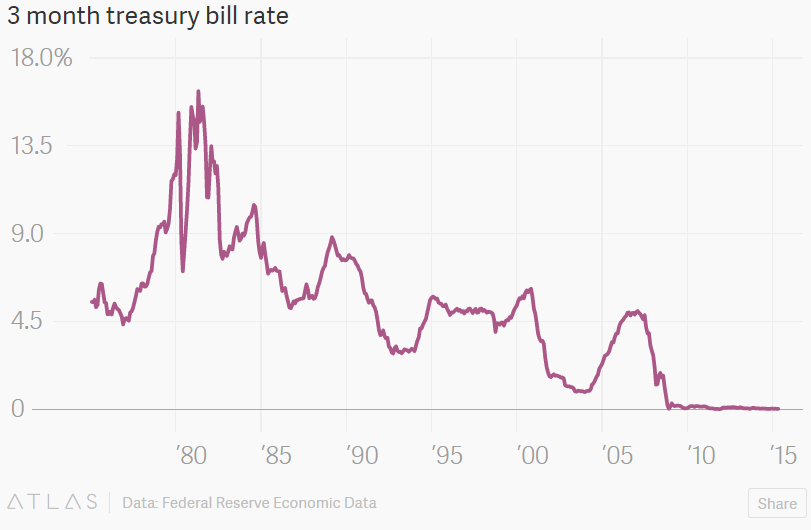
Americans are constantly told to build an emergency fund, avoid reckless debt, and let compound interest work its magic. Then they open a bank statement and discover that “magic” earned enough for half a sandwich. For long stretches after the 2008 financial crisisand again after the pandemic beganthe Federal Reserve kept short-term interest rates near zero. Traditional savings accounts, certificates of deposit, and other conservative products followed them down.
So, how badly has the Fed been punishing savers? At the worst moments, very badly. Inflation turned tiny nominal gains into large losses of purchasing power. However, the Fed is not the only culprit. Banks decide how much of a rate change reaches depositors, taxes reduce interest income, and customer inertia keeps billions of dollars parked in accounts paying almost nothing.
What “Punishing Savers” Actually Means
A saver can gain dollars while losing financial ground. The advertised annual percentage yield is the nominal return. The real return measures what remains after inflation. If an account earns 0.38% while prices rise 2.7%, the precise real return is about negative 2.26%.
On a $100,000 balance, the bank would add roughly $380 in interest, but the money’s purchasing power would decline by about $2,259 over one year. The statement says the balance grew. The grocery cart files an objection.
Taxes make the result worse because most bank-account and CD interest is taxable. At a 22% federal marginal rate, a 0.38% yield becomes roughly 0.30% after federal tax. Against 2.7% inflation, the after-tax real loss is about 2.34%.
When Inflation Did the Real Damage
The harshest period came when conventional accounts paid around 0.10% and inflation surged. If a saver earned 0.10% while prices rose 7%, the real loss was approximately 6.45%. A $100,000 cash reserve lost about $6,449 of purchasing power in a year even though the principal remained untouched. “Safe from bank failure” clearly did not mean “safe from inflation.”
How the Federal Reserve Affects Savings Rates
The Fed’s primary short-term policy tool is the target range for the federal funds rate, the rate banks charge one another for overnight loans. Changes in that target influence Treasury bills, money market yields, borrowing costs, bank funding expenses, and deposit rates throughout the economy.
The Fed does not directly set the APY on a household savings account. When policy rates are extremely low, however, safe short-term investments generally yield less and banks have little reason to compete aggressively for deposits. When the Fed raises rates, banks may increase savings yieldsbut they do not have to match the move point for point.
That distinction matters. In mid-2026, the federal funds target range was 3.50% to 3.75%, while the FDIC-weighted national savings rate was about 0.38%. Competitive online accounts offered around 4% or slightly more. The Fed created the rate environment, but individual banks chose whether to share it.
The Two Major Eras of Saver Pain
After the 2008 Financial Crisis
Following the financial crisis, the Fed held short-term rates near zero for years and purchased large quantities of securities to support credit markets and economic recovery. Lower borrowing costs helped homeowners, businesses, and heavily indebted households. Traditional savers experienced the reverse.
Retirees who had expected to roll maturing CDs into new products paying 4% or 5% suddenly found comparable safe yields near 1% or lower. They had to accept less income, spend principal, reduce expenses, or move into riskier assets. For someone living on interest, the policy did not feel “accommodative.” It felt like the accommodation had been given to everybody else.
During and After the Pandemic
The Fed again cut rates near zero in 2020 as economic activity collapsed. The emergency response helped stabilize markets and support employment, but cash yields disappeared. Then inflation accelerated: consumer prices rose 7.0% during 2021 and 6.5% during 2022 on a December-to-December basis.
Deposit rates initially lagged far behind. When the Fed began raising rates rapidly in 2022, Treasury bills and money market funds repriced quickly, while many ordinary savings accounts moved like a tortoise dragging a filing cabinet.
Why Banks Often Pay Savers So Little
Federal Reserve research has found that deposit-rate pass-through is often delayed and incomplete. During the 2021-to-2023 hiking cycle, the effective federal funds rate rose by more than five percentage points, while aggregate domestic deposit costs increased much less.
Economists call this responsiveness the “deposit beta.” A low deposit beta means a bank passes only a small share of market-rate increases to customers. Large banks can often maintain low betas because many depositors value convenience, dislike switching institutions, or simply do not notice the gap.
Moving money requires research, account verification, transfers, and another password containing a capital letter, a symbol, and apparently the coordinates of a lost pirate ship. Banks understand this friction. If customers stay, raising rates unnecessarily would reduce profit.
Who Gets Hurt the Most?
Retirees and Income-Dependent Households
Retirees may rely on CDs and savings interest to supplement Social Security or pensions. When yields collapse, the income shortfall is immediate, while taking stock-market risk may be inappropriate for near-term expenses.
Emergency-Fund Savers
Emergency money must remain liquid and stable, so accepting some inflation risk is reasonable. Accepting a near-zero rate when insured alternatives pay several percentage points more is not caution; it is expensive convenience.
Homebuyers and Other Short-Term Savers
People saving for a down payment, tuition bill, wedding, or business launch cannot always risk a market decline. Low cash yields can delay their goals, while cheap credit may simultaneously push up the price of homes and other assets.
Was the Fed Wrong to Keep Rates Low?
The accusation is emotionally understandable but economically incomplete. The Fed’s mandate is to pursue maximum employment and stable prices, not to maximize bank interest. During a crisis, lower rates can reduce defaults, preserve jobs, stabilize financial markets, and prevent a recession from becoming a depression.
There is no interest-rate setting that makes everyone happy. Higher rates reward new savers but hurt borrowers, weaken housing and business investment, reduce the value of existing bonds, and can raise unemployment. Lower rates help borrowers and asset owners while squeezing holders of cash.
The stronger criticism is that prolonged negative real rates can distort behavior. They encourage debt, inflate asset prices, and pressure cautious households to take investment risks they may not understand. When inflation is high and safe yields remain suppressed, the cost to savers becomes especially severe.
How Savers Can Fight Back
Move Serious Savings Out of Convenience Accounts
Keep enough in checking for bills and immediate needs. Place the larger emergency reserve in a competitive, federally insured high-yield savings account. A three-percentage-point yield improvement adds roughly $1,500 a year on $50,000 before tax.
Match the Product to the Timeline
- High-yield savings accounts suit emergency funds and flexible short-term goals.
- CDs can lock a fixed rate for money needed on a known date.
- Treasury bills may offer competitive short-term yields for savers comfortable managing maturities.
- I bonds can protect medium-term money from inflation but cannot be redeemed for one year.
Series I bonds issued from May through October 2026 carried a 4.26% composite rate for their initial six-month earning period. Redeeming before five years forfeits the latest three months of interest, so I bonds should not hold the first layer of an emergency fund.
Compare After-Tax Real Returns
Do not stop at the advertised APY. Estimate the yield after taxes, compare it with inflation, review fees and withdrawal rules, and verify FDIC or NCUA insurance. The standard protection is generally $250,000 per depositor, per insured institution, per ownership category. Money market mutual funds are investments, not insured bank deposits.
Common Saver Experiences: What the “Punishment” Feels Like
Consider a retired couple who built a $400,000 CD ladder expecting 4% annual income, or about $16,000 before tax. As their CDs matured during a near-zero-rate period, replacement yields fell toward 1%. Annual interest dropped by roughly $12,000. The balance did not disappear, but the household budget suddenly had a hole large enough to cancel travel, reduce gifts to grandchildren, or force withdrawals from principal. To them, low-rate policy was not a chart on television. It was the anxious question, “How long will our money last?”
Now picture a younger worker saving $1,000 each month for a first home. The account pays almost nothing while rent, construction costs, groceries, and home prices climb. The worker automates savings, avoids credit-card debt, and skips luxuries, yet the down-payment target keeps moving away. Watching asset owners gain while cash loses purchasing power can make thrift feel like running on an airport walkway pointed in the wrong direction.
Another common experience belongs to the loyal bank customer. This saver leaves $60,000 in the same account for years because the branch is nearby and the app already works. After the Fed raises rates, the bank increases the APY from 0.01% to 0.05% and sends a celebratory email. Online competitors offer around 4%. The annual difference exceeds $2,300. The Fed created the opportunity for higher yields; inertia handed the money to the bank.
Some savers respond by taking too much risk. Frustrated with negligible CD income, they buy long-term bonds, high-dividend stocks, private credit, or complicated income products without understanding price volatility. When rates rise or markets fall, the “safe replacement” loses principal. This is a hidden cost of prolonged low yields: conservative people can be pushed beyond their risk tolerance.
The better experience belongs to the saver who adapts. She keeps one month of expenses in checking, moves the emergency fund to an insured high-yield account, builds a Treasury bill ladder for a future tax payment, and uses I bonds for money not needed for at least a year. She cannot control the Fed or inflation, but she stops accepting the first rate her bank offers.
These examples reveal the central lesson. Saver pain is partly macroeconomic and partly behavioral. The Fed determines the weather, banks decide how much shelter to offer, and households choose whether to remain under the leaky awning.
Conclusion: How Badly Has the Fed Punished Savers?
At its worst, the punishment was severe. When ordinary accounts paid close to zero and inflation ran at 6% or 7%, savers lost thousands of dollars in purchasing power for every $100,000 held in cash. Retirees lost income, short-term savers fell behind rising prices, and cautious households were tempted into greater risk.
But the Fed is not the only defendant. Banks often passed rate increases to borrowers faster than depositors, taxes reduced interest, and customer inertia protected weak accounts. By mid-2026, the difference between the national savings rate and competitive alternatives was several percentage points. That was not only monetary policy; it was also a shopping problem.
The practical verdict is simple: the Fed can make saving harder, but savers do not have to accept the worst deal. Preserve liquidity, verify insurance, compare after-tax real returns, and make financial institutions compete for your money.
Note: Rates, inflation data, product terms, and tax rules can change. Verify current information before acting. This article is educational and is not personalized financial, investment, or tax advice.