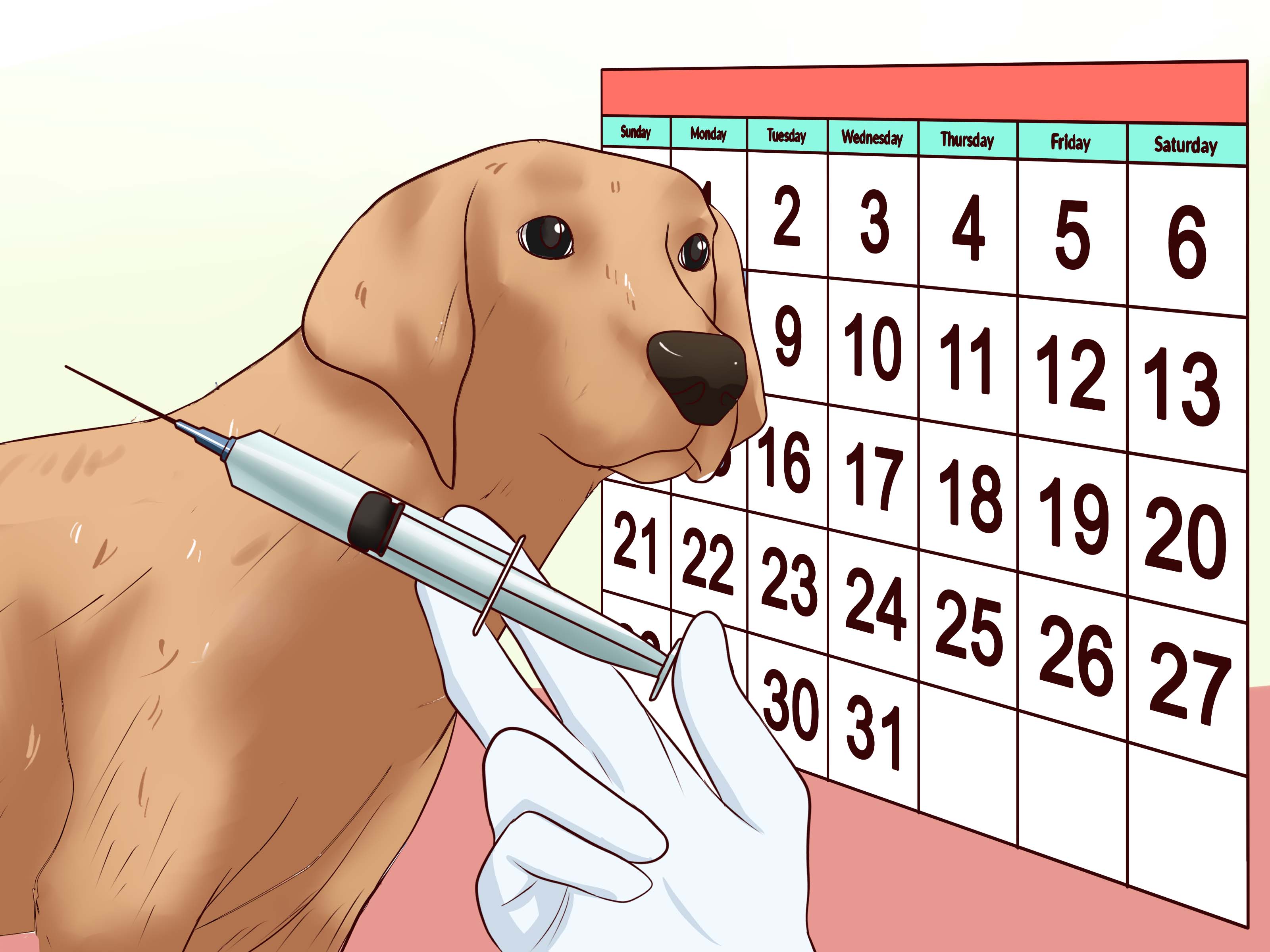
Vaccinating a dog may look simple: prepare the vaccine, give the shot, offer a heroic quantity of cheese, and accept one deeply offended stare. In reality, safe canine vaccination involves much more than putting a needle under the skin. The correct vaccine must be selected for the individual dog, stored at the proper temperature, prepared exactly as directed, administered through the approved route, documented, and followed by careful monitoring.
Most dog vaccines are best administered in a veterinary clinic. A veterinarian can examine the dog first, confirm that the vaccine is appropriate, respond immediately to an allergic reaction, and provide legally valid documentation. This is especially important for rabies vaccination, which is controlled by state and local laws.
Why Dogs Need Vaccines
Vaccines prepare a dog’s immune system to recognize infectious organisms before the real disease comes knocking. That advance warning can prevent infection, reduce disease severity, limit transmission, and protect human health when zoonotic diseases are involved.
Veterinarians commonly divide canine vaccines into core and risk-based categories. Core vaccines protect against diseases that pose serious or widespread threats. These generally include canine distemper virus, canine adenovirus type 2, canine parvovirus, and rabies. Updated American Animal Hospital Association guidance also designates leptospirosis vaccination as core because dogs of many sizes and lifestyles can be exposed, including urban dogs that have never seen a farm outside a television commercial.
Other vaccines may be recommended according to geography and lifestyle. Examples include Bordetella, canine influenza, and Lyme disease vaccines. A dog that attends daycare, boards frequently, travels, hikes in tick country, encounters wildlife, or drinks from outdoor water sources may need a different plan from a dog with limited exposure.
Vaccination schedules are not one-size-fits-all
Puppies often begin receiving combination vaccines at approximately six to eight weeks of age. Doses are repeated at intervals determined by the veterinarian and product label until the puppy is older than 16 weeks, sometimes later in high-risk situations. This repeated schedule helps overcome interference from antibodies received from the mother.
Adult booster intervals vary by vaccine, product, history, and law. Some immunizations are given annually, while others may be administered every three years after the initial series. Giving every available vaccine every year “just to be safe” is not a thoughtful vaccination plan. Neither is skipping everything because the dog mostly stays indoors. The sensible approach is an individualized risk assessment.
Should You Vaccinate a Dog at Home?
In most situations, the veterinary clinic is the safest place for vaccination. Purchasing a vaccine from a store or online retailer does not guarantee that it remained refrigerated during shipping, was stored correctly before purchase, or is suitable for your dog. A vial may look perfectly normal even after improper heat exposure has reduced its effectiveness.
A veterinary appointment also includes more than the injection. The veterinarian checks the dog’s health, reviews previous reactions, confirms the schedule, chooses the appropriate formulation, and records the lot number and expiration date. Those details become important if a reaction occurs, a boarding facility requests proof, or the manufacturer investigates a suspected product problem.
Situations that require professional administration
- The vaccine is for rabies or requires an official veterinary certificate.
- The dog has previously experienced facial swelling, hives, vomiting, collapse, or another vaccine reaction.
- The dog is sick, feverish, underweight, heavily parasitized, immunocompromised, pregnant, or taking immune-suppressing medication.
- The product must be given intramuscularly or through a route you have not been trained to use.
- The dog is frightened, aggressive, highly reactive, or impossible to restrain safely.
- The vaccine’s storage history is uncertain.
- You cannot reach an emergency veterinary hospital quickly.
Trying to save the cost of an office visit can become extremely expensive if the vaccine is injected incorrectly, the dog bites someone, or an allergic reaction requires emergency treatment. This is one area where “I watched three videos” is not the same credential as “I completed veterinary training.”
Understand the Vaccine Label Before Doing Anything
The manufacturer’s label and package insert are the controlling instructions for a veterinary vaccine. Similar-looking products may have different minimum ages, schedules, storage requirements, doses, and approved routes. Never rely entirely on memory or instructions from another brand.
| Label term | What it means | Key warning |
|---|---|---|
| Subcutaneous or SQ | Administered beneath the skin | Use only after hands-on veterinary instruction |
| Intramuscular or IM | Administered into a specific muscle | Incorrect placement can injure nerves or blood vessels |
| Intranasal or IN | Administered into the nostrils | Never inject an intranasal product |
| Oral | Administered into the mouth, often inside the cheek | Never convert an oral product into an injection |
| Lyophilized | Freeze-dried vaccine requiring reconstitution | Use only the supplied matching diluent |
Confirm that the product is licensed for dogs and appropriate for the dog’s age. Check the expiration date, vaccine name, disease components, approved route, required dose, lot number, and storage directions. Do not assume that a smaller dog receives a fraction of the labeled dose. Chihuahua-sized patients do not automatically get espresso-sized vaccinations. Unless the manufacturer specifically says otherwise, the complete labeled dose is required.
How to Prepare for Dog Vaccination
1. Have the dog evaluated
A veterinarian should review the dog’s age, health status, vaccine history, medications, exposure risks, travel plans, and previous reactions. Vaccines are generally labeled for healthy animals. A dog that is incubating an infection, severely stressed, malnourished, parasitized, or immunocompromised may not develop the expected protection.
2. Verify legal requirements
Rabies laws vary among states and municipalities. Even where an owner can purchase a rabies vaccine, an owner-administered dose may not satisfy licensing, travel, bite-quarantine, boarding, or public-health requirements. Confirm the rules with a veterinarian or local animal-control authority before proceeding.
3. Maintain the cold chain
Most refrigerated canine vaccines must remain between approximately 36°F and 46°F, although the exact product label always takes priority. Keep vaccines in their original packaging, away from sunlight, and in a stable central refrigerator location rather than a door or produce drawer. Do not freeze them.
If a vaccine became warm, froze, sat in direct sunlight, or arrived after an uncertain shipping delay, do not guess that it is probably fine. Contact the veterinarian, supplier, or manufacturer. Improper storage can reduce potency without creating an obvious change in color or appearance.
4. Gather appropriate supplies
Use a new sterile syringe and needle selected by the veterinarian, the correct vaccine and diluent, clean gauze, the dog’s medical record, treats, and an approved sharps container. Have the veterinarian’s daytime number and the nearest emergency hospital information available before starting.
Do not reuse needles or syringes, mix different vaccines in one syringe unless the label specifically authorizes it, or use chemical disinfectants on equipment that will contact a modified-live vaccine. Tiny disinfectant residues may inactivate sensitive vaccine organisms.
5. Arrange calm, safe restraint
Choose a quiet, well-lit room with a nonslip surface. A trained helper should gently steady the dog without squeezing, wrestling, or pinning it in a way that increases panic. Use high-value treats to create a pleasant distraction.
Stop if the dog is growling, snapping, thrashing, or becoming increasingly fearful. A delayed vaccination is safer than a bite, broken needle, spilled dose, or lifelong hatred of anyone holding a cotton ball.
How to Administer an Injectable Vaccine to a Dog
The following overview applies only to a subcutaneous product after a veterinarian has demonstrated the procedure in person. It is not a substitute for supervised practice.
-
Read the package insert again.
Confirm the patient, product, dose, expiration date, route, and schedule. Record the lot number before disposing of the packaging.
-
Inspect the vaccine.
Do not use a vial that is cracked, leaking, contaminated, expired, improperly stored, or visually different from the manufacturer’s description.
-
Reconstitute only when necessary.
For a freeze-dried vaccine, use the sterile diluent supplied for that exact product. Transfer it aseptically into the vaccine vial and mix according to the label. Use the reconstituted vaccine promptly; do not prepare it hours in advance and leave it waiting on the counter.
-
Draw up the complete labeled dose.
Maintain sterility and avoid touching the needle. Remove obvious air from the syringe as instructed during training. Replace a contaminated or damaged needle rather than attempting to clean it.
-
Position the dog and identify the demonstrated site.
Your veterinarian may recommend a particular area so future clinicians know where each vaccine was given. Do not improvise a new location because the dog has temporarily hidden the usual one under the couch.
-
Create a loose skin tent for an SQ vaccine.
Lift a fold of skin at the trained site. Insert the needle into the base of the tent at the angle demonstrated by the veterinarian. Avoid pushing through both sides of the fold. If you are uncertain about placement, stop rather than experimenting.
-
Administer the dose steadily.
Inject the complete amount according to the product instructions. If vaccine leaks onto the coat, the needle passes through the skin fold, or you cannot confirm that the entire dose was delivered, contact the veterinarian. Do not automatically give another full dose.
-
Withdraw and dispose safely.
Remove the needle smoothly, apply gentle pressure with clean gauze if needed, and place the syringe and needle directly into a sharps container. Follow local disposal rules. Never leave a used needle on a table where a curious nose or human hand can find it.
-
Reward and document.
Offer praise and a treat, then record the date, vaccine name, manufacturer, lot number, expiration date, dose, route, injection location, and person who administered it.
What about intramuscular vaccines?
Intramuscular injections require accurate identification of muscle, nerves, blood vessels, and surrounding anatomy. They should be administered by a veterinarian or properly trained veterinary professional unless a veterinarian has provided specific supervised instruction. Guessing at the location can cause significant pain or injury.
What about oral and intranasal vaccines?
Use only the applicator and route stated on the label. Intranasal vaccines are placed into the nostrils, while oral products may be delivered into the buccal pouch inside the cheek. An intranasal or oral vaccine must never be injected. Accidental injection of a mucosal vaccine can cause serious complications.
What to Expect After a Dog’s Vaccination
Keep the dog nearby and monitor it closely after vaccination. When vaccination occurs at a clinic, dogs with a history of reactions may be asked to remain for 30 to 60 minutes. At home, the lack of immediate medical support is one reason vaccination is riskier.
Common mild effects
Some dogs experience temporary soreness, mild swelling at the injection site, sleepiness, reduced appetite, or a low-grade fever. Mild respiratory signs such as sneezing can occur for several days after certain intranasal vaccines. These effects should remain limited and improve promptly.
Contact the veterinarian if the dog seems extremely uncomfortable, signs last longer than expected, or an injection-site lump grows, becomes painful, or persists for several weeks.
Emergency warning signs
Serious allergic reactions can begin within minutes or hours. Seek emergency veterinary care immediately for:
- Swelling of the muzzle, face, eyelids, or neck
- Hives, intense itching, or widespread red bumps
- Repeated vomiting or diarrhea
- Difficulty breathing or severe coughing
- Pale gums, weakness, disorientation, or inability to stand
- Collapse, fainting, seizures, or loss of consciousness
Do not wait to see whether breathing difficulty or collapse improves by itself. Do not give antihistamines, steroids, pain relievers, or other medication unless a veterinarian provides the exact product and dose. Human medications can be dangerous to dogs, and anaphylaxis may require injectable emergency treatment and cardiovascular support.
Common Dog Vaccination Mistakes to Avoid
Using an unknown or improperly shipped vaccine
A discounted vaccine is not a bargain if its cold chain was broken. Purchase only through reliable veterinary or licensed animal-health channels, and reject shipments that arrive warm when refrigeration is required.
Giving the wrong route
“It all ends up inside the dog” is not a medically acceptable administration strategy. Injection, oral, and intranasal vaccines stimulate immunity differently and may contain formulations that are unsafe through another route.
Splitting the dose for a small dog
Do not reduce vaccine volume because the patient is tiny. The label dose is designed to provide an adequate amount of antigen. Veterinarians may reduce the number of different vaccines given during one visit for dogs with specific risk factors, but that is different from dividing an individual labeled dose.
Vaccinating a visibly ill dog without veterinary advice
Vaccination should not become an automatic calendar task when a dog is vomiting, experiencing diarrhea, running a fever, losing weight, or showing respiratory symptoms. Call the veterinarian and explain what is happening.
Forgetting the follow-up dose
Many vaccines require an initial series. One injection may not provide reliable protection, especially in puppies or dogs receiving certain vaccines for the first time. Add the next appointment to the calendar before life replaces it with meetings, school events, and the mysterious disappearance of every matching sock.
Failing to record the vaccine
Write down the product, date, lot, expiration, route, and site immediately. A vague memory that “Buddy got something blue around springtime” will not help a veterinarian reconstruct an immunization history.
Practical Experience Notes: Lessons From Common Vaccination Scenarios
The most important experience-based lesson is that successful vaccination begins long before the needle appears. Calm preparation usually matters more than speed. When supplies are organized, records are ready, the dog has been examined, and everyone understands their role, the procedure often takes seconds. When people search for the diluent while the dog watches suspiciously from the kitchen table, the operation quickly starts feeling like a low-budget medical drama.
Consider a typical young Labrador receiving a veterinarian-approved subcutaneous booster. The dog is healthy, food-motivated, and comfortable being handled. One person offers a steady sequence of small treats while the trained administrator prepares the vaccine away from the dog. The restraint is gentle, the injection site is easy to reach, and the dose is recorded immediately. The dog notices little beyond the sudden generosity of the snack department. Preparation, not bravery, made the process uneventful.
Now consider a nervous rescue dog with an uncertain history. The dog stiffens when anyone reaches over its shoulders and has previously attempted to bite during nail trimming. Even if the owner knows the mechanics of an SQ injection, administering a vaccine at home is a poor choice. The safer experience is a veterinary visit where staff can use low-stress handling, appropriate positioning, pre-visit medication when prescribed, and an environment prepared for emergencies. Technical ability does not cancel behavioral risk.
Cold-chain mistakes are another recurring problem. A vaccine may be purchased during a long drive, placed in a cooler with loose ice, and accidentally frozen. Alternatively, it may sit in a warm car while its owner completes several errands. Because the vial still looks normal, the temptation is to use it. Experienced vaccine handlers know that appearance cannot confirm potency. The correct response is to quarantine the questionable product and contact the manufacturer or veterinarian.
Incomplete dosing also creates confusion. An owner may notice moisture on the coat after an injection and assume the entire vaccine leaked out. Giving a second full dose without advice could unnecessarily increase antigen exposure, while doing nothing could leave the dog incompletely vaccinated. The practical solution is to record what happened and call the veterinarian, who can evaluate the likely amount lost, the vaccine involved, and the safest next step.
Post-vaccination observation deserves equal attention. A dog that naps after a vaccine and eats slightly less at dinner may be experiencing an expected mild response. A dog that develops a rapidly swollen muzzle, repeated vomiting, hives, or weakness needs emergency care. Experience teaches that owners should decide where they will go before a crisis occurs. Searching for an emergency hospital while a dog is collapsing wastes precious time.
Finally, good vaccination experiences preserve trust. Use calm voices, nonslip footing, gentle handling, and excellent treats. Avoid chasing the dog through the house with a visible syringe. If fear begins escalating, stop and involve the veterinary team. Protecting a dog from infectious disease should not require turning the dining room into a wrestling arena.
Administering a vaccine correctly means respecting the entire process: patient selection, legal requirements, storage, labeling, sterile technique, proper route, documentation, and aftercare. For most owners, the safest and most reliable decision is to have vaccines administered by a veterinarian. When home administration is specifically approved and taught, follow the exact product instructions and veterinary plan without shortcuts. A well-delivered vaccine protects more than the dog in front of youit also helps protect other animals, families, and communities.