Pálinka is Hungary’s famous fruit brandy: clear, aromatic, powerful, and occasionally capable of making your eyebrows stand at attention. It is not just “some strong drink from Europe.” Real Hungarian pálinka is protected by strict rules, deeply tied to local fruit-growing traditions, and treated with the kind of national pride Americans might reserve for bourbon, barbecue, or arguing about pizza styles.
If you are new to pálinka, the first surprise is that it usually does not taste sweet. Even when made from apricot, plum, pear, cherry, quince, or raspberry, authentic pálinka is a dry fruit spirit. The fruit shows up in the aroma, texture, and finish rather than in sugary flavor. A good bottle smells like ripe orchard fruit; a bad one smells like a lawn mower had a nervous breakdown.
This guide explains what pálinka is, how to buy it, how to read the label, what flavors to try first, and how to drink it without looking like you just challenged a Hungarian uncle to a duel.
What Is Pálinka?
Pálinka is a traditional Hungarian fruit spirit made by fermenting and distilling fruit. Unlike grape brandy, which is usually made from wine, pálinka can be made from many fruits grown in Hungary, including plums, apricots, apples, pears, cherries, quince, mulberries, and berries. Think of it as the distilled soul of an orchard: no oak-heavy disguise, no cocktail umbrella, no caramel syrup trying to be charming.
Authentic pálinka must be made from fruit, mashed, fermented, distilled, matured, and bottled in Hungary. It cannot be made from concentrates, and it cannot rely on added sugar or artificial flavorings to fake fruit character. The minimum bottling strength is 37.5% alcohol by volume, though many quality bottles sit around 40% to 50% ABV. That strength matters. Pálinka is not a casual chugging beverage; it is a sipping spirit with a handshake that means business.
Why Pálinka Is Protected
The name “pálinka” is protected in the European Union as a geographical indication. In plain English, that means producers cannot slap the word on any random bottle of fruit-flavored alcohol and call it a day. For Hungarian pálinka, the fruit and production process are connected to Hungary. There is a narrow exception for certain apricot spirits from specific Austrian provinces, but for shoppers, the basic rule is simple: if the label says Hungarian pálinka, it should point back to Hungary in a real, traceable way.
This protection matters because fruit spirits vary wildly. Some are elegant and fragrant. Others are harsh, sweetened, industrial, or better suited for removing stickers from jars. Legal protection helps buyers identify authentic pálinka and gives small producers a reason to preserve fruit varieties and regional techniques.
Pálinka vs. Brandy: What Is the Difference?
In American stores, pálinka may be described as “Hungarian brandy” because that is the easiest category for shoppers to understand. But pálinka is more specific than generic brandy. Most familiar brandies, such as Cognac or Armagnac, are grape-based and often aged in oak. Pálinka is usually made directly from fruit mash, and many bottles are unaged, clear, and intensely aromatic.
A plum pálinka should smell like plum. An apricot pálinka should suggest apricot skin, stone fruit, flowers, and warmth. Pear pálinka may feel delicate and perfumed. Quince can be floral, spicy, and a little mysterious, like a fruit that reads poetry in private. The best examples are clean, expressive, and dry, with no sticky sweetness hiding behind the alcohol.
Popular Types of Pálinka
Plum Pálinka
Plum is one of the classic styles and a great starting point. It can be earthy, rounded, fruity, and slightly spicy. If you enjoy spirits with depth and warmth, plum pálinka is a reliable first bottle.
Apricot Pálinka
Apricot pálinka is among the most beloved versions. It is often fragrant and elegant, with notes of ripe apricot, flowers, and almond-like stone fruit. This is the bottle many people choose when introducing guests to pálinka.
Pear Pálinka
Pear pálinka tends to be softer and more perfumed. It can smell beautifully fresh, almost like biting into a ripe pear. Look for labels that mention Williams pear if you want a classic, aromatic style.
Cherry and Sour Cherry Pálinka
Cherry pálinka may be bright, tart, and lively. Sour cherry versions can have a sharper edge, making them excellent after rich meals. They are not sweet cherry liqueurs, so do not expect dessert in a glass.
Quince Pálinka
Quince pálinka is for curious drinkers. It can be floral, herbal, spicy, and slightly exotic. If apricot is the friendly host, quince is the guest who arrives wearing a velvet jacket and tells surprisingly good stories.
How to Buy Pálinka
1. Check the Origin
Start by confirming that the bottle is from Hungary. Authentic pálinka should make its origin clear. If you are shopping in the United States, you may find imported Hungarian bottles in specialty liquor stores, European markets, online spirits retailers, or restaurants with strong Hungarian or Central European programs.
2. Read the Fruit Name
The fruit should be easy to identify. Common label terms include “szilva” for plum, “barack” for apricot or peach depending on context, “körte” for pear, “meggy” for sour cherry, “cseresznye” for cherry, and “birs” for quince. Learning a few Hungarian fruit words makes shopping much less intimidating. It also makes you look impressively prepared, which is half the fun.
3. Look at the ABV
Most pálinka is strong, often between 40% and 50% ABV. Higher alcohol does not automatically mean better quality. A balanced 42% bottle can be far more enjoyable than a rough 52% bottle that tastes like fruit-flavored thunder. Choose strength based on your comfort level and how you plan to serve it.
4. Avoid Suspicious Sweetness
True pálinka is not a sweet liqueur. If a bottle seems syrupy, heavily flavored, or marketed like candy, check the label carefully. Honeyed or sweetened fruit spirits may be delicious, but they may not legally be pálinka. That does not make them bad; it simply makes them different.
5. Choose Reputable Producers
When possible, buy from known distilleries, specialty importers, or shops that understand Central European spirits. Quality pálinka depends heavily on fruit selection, fermentation control, and careful distillation. A knowledgeable seller can help steer you away from harsh bottles and toward something clean, aromatic, and worth sharing.
How Much Should You Spend?
Pálinka is expensive to make because fruit is expensive. It takes a serious amount of ripe fruit to produce a small amount of spirit. If a bottle is suspiciously cheap, there may be a reason. Budget bottles can be fun in a rustic “this came from someone’s cousin’s village” way, but premium pálinka usually offers a cleaner aroma, smoother texture, and more precise fruit character.
For a first purchase, look for a mid-range bottle from a recognizable producer. Apricot, plum, or pear are safe entry points. Save rare berry or quince bottles for later, after you know whether pálinka makes your heart sing or simply makes your socks feel philosophical.
How to Drink Pálinka the Right Way
Serve It Neat
Pálinka is traditionally served neat in small portions. Do not pour it like wine. A small serving is enough because the aroma is concentrated and the alcohol is powerful. In the United States, remember that 1.5 ounces of 40% distilled spirits counts as one standard drink. With stronger pálinka, the same pour can contain more alcohol than you expect.
Use the Right Glass
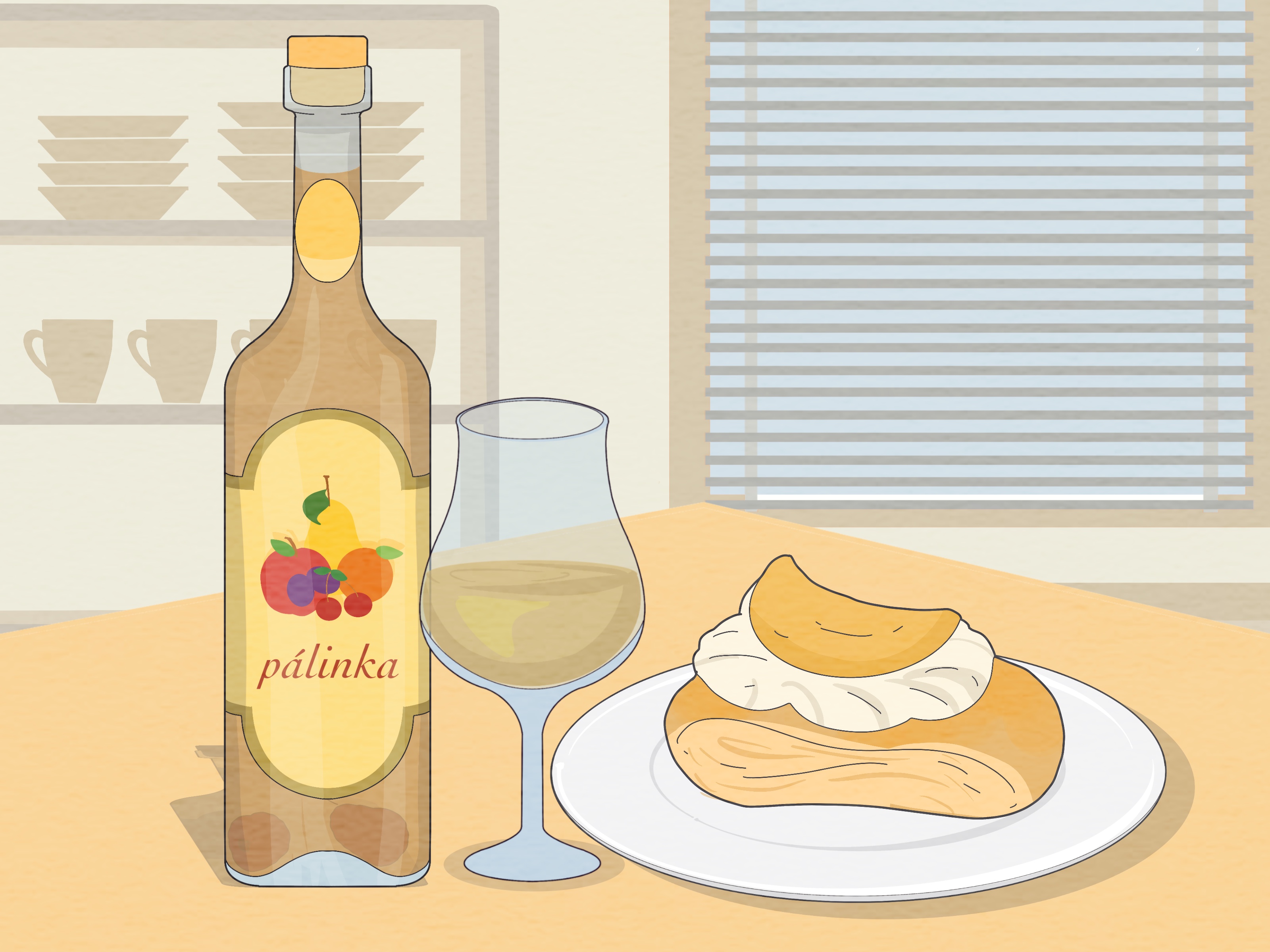
A tulip-shaped glass or small tasting glass works beautifully because it concentrates the aroma. A basic shot glass is common, but it does not show the spirit at its best. If you bought a nice bottle, give it a glass that lets the fruit speak before the alcohol starts its speech.
Do Not Serve It Ice-Cold
Serving pálinka too cold can mute the fruit aroma. Room temperature or slightly cool is usually better. If a bottle is harsh, chilling may hide some flaws, but it also hides character. Good pálinka deserves a fair chance to open up.
Smell Before You Sip
Bring the glass to your nose gently. Do not inhale like you are checking whether the refrigerator milk survived the weekend. Let the aroma rise. You should notice fruit, flowers, spice, or fresh orchard notes. Then take a small sip and let it move across the tongue.
Sip, Do Not Slam
Yes, people do take pálinka as a shot, especially in festive settings. But if you want to taste it, sip it. A quality bottle has layers: fruit aroma, warmth, texture, and finish. Throwing it back instantly is like reading only the last page of a novel and declaring yourself a literature professor.
When to Drink Pálinka
In Hungary, pálinka may appear before a meal, after a meal, at celebrations, during family visits, at festivals, and sometimes at moments when an enthusiastic host decides your immune system needs encouragement. It is often offered as a gesture of hospitality. Refusing politely is acceptable, but accepting a tiny pour can be a memorable cultural experience.
As an aperitif, pálinka can wake up the palate before hearty dishes. As a digestif, it can follow rich foods such as sausage, roasted meats, stews, or desserts. It pairs especially well with Hungarian flavors: paprika-spiced dishes, smoked meats, duck, goose, poppy seed pastries, and fruit desserts.
Food Pairings for Pálinka
Pairing pálinka is easier when you match the fruit to the mood of the meal. Plum pálinka works well after pork, sausage, or roasted meats. Apricot pálinka is lovely with pastries, almond desserts, or soft cheeses. Pear pálinka can be excellent with fresh cheese, fruit tarts, or lighter dishes. Sour cherry pálinka cuts through rich chocolate desserts or fatty foods.
The goal is not to drown the food. Pálinka is intense, so small pours work best. Treat it like a final accent rather than the main event. A little goes a long way, much like hot paprika, perfume, or advice from relatives.
Can You Use Pálinka in Cocktails?
Traditionalists may prefer pálinka neat, but bartenders have used it successfully in cocktails, especially when the drink highlights the fruit rather than burying it. Apricot pálinka can work with lemon, honey, sparkling wine, or herbal liqueurs. Pear pálinka pairs nicely with ginger, dry vermouth, or citrus. Sour cherry pálinka can add depth to spritz-style drinks.
Use a light hand. Pálinka has a distinct personality, and it does not enjoy being shoved into a sugary mixer where nobody can hear it. Start with simple recipes: pálinka, fresh citrus, a touch of syrup, and soda water. If the fruit aroma still shines, you are on the right path.
Common Buying Mistakes to Avoid
Buying Only for High Alcohol
Strong does not always mean good. The best pálinka balances power with aroma and clarity. If all you notice is burn, the spirit is not showing its best side.
Expecting Sweetness
Many first-time drinkers expect apricot or cherry pálinka to taste like fruit candy. It will not. The fruit is aromatic, not sugary. Approach it like eau-de-vie or grappa rather than liqueur.
Ignoring the Label
Labels reveal fruit type, alcohol strength, producer, and sometimes region or production style. These clues matter. If the label is vague, the bottle may be vague in the glass too.
Serving Giant Pours
Pálinka is powerful. Serve small portions, especially for guests who are new to it. A modest pour lets people enjoy the flavor without feeling like they have been personally tackled by an apricot tree.
Responsible Drinking Tips
Pálinka is a high-proof distilled spirit, so drink slowly and with food. Keep track of serving size, especially because many bottles are stronger than 40% ABV. Do not drive after drinking, and avoid treating pálinka as a novelty challenge. The point is enjoyment, not survival training.
If you are hosting, offer water and snacks. If you are visiting Hungary, remember that hospitality can be enthusiastic. A friendly “just a small one” is a useful phrase in any language.
Personal-Style Experience: What Drinking Pálinka Feels Like
The best way to understand pálinka is to imagine sitting at a wooden table after a long meal. There is bread on the table, maybe sausage, maybe something paprika-rich and deeply comforting. Someone brings out a small bottle. It may be elegant and labeled, or it may look suspiciously homemade. Either way, the room changes. People lean in. Stories get louder. A tiny glass appears in front of you.
The first thing you notice is the aroma. Apricot pálinka can smell sunny and golden, like summer fruit warming on a windowsill. Plum pálinka feels darker and earthier, almost autumnal. Pear is gentle at first, then surprisingly fragrant. Quince is the strange one in the best possible way: floral, spicy, and difficult to describe without waving your hands around.
Then comes the sip. Not a gulp. A sip. Good pálinka warms rather than attacks. It moves quickly, but it leaves a trail of fruit behind. The finish may be dry, spicy, and clean. With a rough bottle, the experience can be more dramatic, like your throat just received breaking news. But even that has its place in the folklore of the drink. Many people have a pálinka story, and not all of them involve wise decisions.
Buying pálinka for the first time can feel confusing because the labels are unfamiliar. But once you learn the fruit names and understand that dry fruit aroma is the goal, shopping becomes fun. Pick plum if you want classic comfort. Pick apricot if you want charm. Pick pear if you want elegance. Pick quince if you want to sound interesting at dinner.
Serving pálinka to friends is also a small adventure. Some guests will sniff the glass and immediately understand. Others will ask why the “fruit brandy” is not sweet. That is your chance to explain that pálinka is not dessert; it is distilled fruit character. It is closer to a memory of fruit than fruit juice itself. That sounds poetic because, after one glass, pálinka encourages poetry. After three, it encourages karaoke. Proceed with caution.
The most enjoyable pálinka moments are unhurried. A tiny pour after dinner, a plate of pastries nearby, a conversation that refuses to end, and a bottle passed around with respect. That is where pálinka shines. It is not just alcohol; it is culture in a glass, an orchard translated into spirit, and a reminder that some drinks are meant to be tasted slowly, shared generously, and remembered clearly the next morning.
Conclusion
Pálinka is one of Hungary’s great national drinks: bold, aromatic, protected, and full of character. To buy it well, look for authentic Hungarian origin, clear fruit labeling, reputable producers, and balanced alcohol strength. To drink it well, serve it neat in small pours, use a tulip-shaped glass if possible, smell before sipping, and let the fruit aroma lead the experience.
Whether you choose plum, apricot, pear, cherry, or quince, pálinka rewards patience. It is not supposed to be sweet, trendy, or timid. It is supposed to be honest, fragrant, warming, and memorable. Respect the pour, enjoy the story, and let Hungary’s favorite fruit brandy introduce itself properly.