When a mother dog won’t feed her puppies, panic tends to arrive before coffee. One minute you’re admiring a sleepy pile of tiny squeaks, and the next you’re wondering whether you’ve somehow been promoted to emergency canine lactation consultant. The good news is that many nursing problems can be improved quickly when you focus on the right things: the mother’s comfort, the puppies’ condition, and the environment around them.
If you need to encourage a mother dog to feed her litter, the goal is not to “make” her do it through force or stress. It’s to figure out what is stopping her. Sometimes the issue is pain. Sometimes it is anxiety. Sometimes it is poor milk production. And sometimes the puppies themselves are too cold, weak, or disorganized to nurse effectively, which turns the whole scene into a furry little traffic jam.
This guide breaks down three practical ways to encourage a mother dog to feed her litter, plus warning signs that mean you should stop troubleshooting at home and call a veterinarian right away. We’ll also cover what normal nursing behavior looks like, how to support milk production, and what to do if the puppies need supplemental feeding while mom gets back on track.
Before You Start: Know What “Normal” Looks Like
Newborn puppies depend on their mother’s milk for warmth, hydration, calories, and immune support. In the first days after birth, the mother produces colostrum, the antibody-rich first milk that gives puppies an important early immune boost. That is why early nursing matters so much.
A healthy nursing mother usually allows frequent feeding sessions, especially in the first week. Puppies who are getting enough milk tend to nurse, settle down, sleep in a puppy pile, and gain weight steadily. Puppies who are not getting enough may cry constantly, crawl restlessly, feel cool to the touch, or fail to gain weight.
Also, keep expectations realistic. A mother dog does not need to be attached to the litter 24/7 like a furry vending machine. As puppies grow, especially around three to four weeks, she may naturally spend more time away from them. That can be normal weaning behavior, not rejection. The trick is telling the difference between a normal break and a genuine nursing problem.
Way #1: Make Nursing Comfortable by Checking for Pain, Illness, or Physical Obstacles
If a mother dog refuses to feed her puppies, pain is one of the first suspects. And honestly, that makes sense. A sore, swollen mammary gland is not exactly an invitation to host the breakfast buffet.
Check the mammary glands carefully
Look at and gently feel the mammary glands. They should be soft to moderately full, not rock-hard, extremely hot, bright red, purple, or severely painful. If one or more glands are swollen, hard, or tender, the mother may have mastitis, which is inflammation or infection of the mammary glands. Dogs with mastitis may also have abnormal milk, act lethargic, run a fever, avoid the puppies, or snap when pups try to nurse.
Even if the mother is otherwise sweet, mastitis can make her refuse nursing because it hurts. In that case, pushing puppies toward the sore gland is not the solution. Veterinary treatment is. While you arrange care, keep the puppies warm and monitor them closely for signs that they are not getting enough milk.
Watch for emergencies that look like “bad mothering” but are actually illness
Some serious postpartum conditions can look, at first glance, like simple disinterest. A mother dog with eclampsia (dangerously low blood calcium) may seem restless, anxious, pant heavily, pace, tremble, walk stiffly, or seem disconnected from the litter. This is a medical emergency, not a personality flaw. If you see those signs, contact a veterinarian immediately.
Other red flags include fever, foul-smelling discharge, collapse, vomiting, refusal to eat, or marked weakness. In other words, if mom looks unwell, don’t spend the afternoon trying motivational speeches. She needs a vet.
Help the puppies latch more easily
Sometimes the mother is willing, but the puppies are struggling. Weak puppies, chilled puppies, and puppies crowded away from the best nipples can make nursing look worse than it is. Before a feeding session, make sure the puppies are warm, active enough to root, and placed close to a nipple while mom lies comfortably on her side.
If needed, guide one puppy at a time instead of dumping the whole milk squad onto her at once. You can also hand-express a tiny drop of milk onto the nipple to help a puppy find the target faster. Think less “chaos gremlin pile,” more “organized lunch line.”
Reduce preventable discomfort
Keep bedding clean and dry so the mammary area stays cleaner. Trim the puppies’ sharp little nails regularly, because scratches on the mammary glands can make nursing painful and may contribute to skin irritation. Small comfort changes can make a surprisingly big difference in whether a mother relaxes and nurses willingly.
Way #2: Reduce Stress and Encourage Maternal Behavior Instead of Forcing It
Some mother dogs are physically capable of feeding their litters but emotionally overwhelmed by the whole situation. This is especially common in first-time mothers, nervous dogs, dogs in busy households, and dogs who had a difficult labor. In those cases, your mission is to create a calm setting that helps her settle into the job.
Create a quiet, low-stress whelping area
The whelping space should be warm, quiet, and private. Keep foot traffic low. Limit visitors. Keep children and other pets away. Avoid constantly picking up the puppies unless necessary. A mother dog who feels watched, crowded, or startled may keep getting up instead of lying down long enough for the puppies to nurse.
This is not the time for a family meet-and-greet, a photo shoot, or a parade of well-meaning neighbors saying, “Aww, can I hold one?” Your mother dog is not hosting a baby shower. She is trying to survive early motherhood.
Use calm supervision, not pressure
If the mother seems uncertain, stay nearby and calmly encourage her to lie down with the puppies. Gentle praise, a quiet voice, and light petting can help some dogs relax. If she tolerates it well, place the puppies near her belly after she settles.
Do not scold, restrain harshly, or create a wrestling match over nursing. That can make her more anxious and more likely to avoid the litter next time. The goal is to make nursing feel safe and easy, not like a pop quiz she never studied for.
Use short, supervised nursing sessions
If the mother keeps wandering off, try several short, calm nursing sessions throughout the day instead of expecting one long perfect session. Encourage her to lie down, help the puppies latch, and supervise for a few minutes. Over time, many nervous mothers become more confident once they realize the puppies can nurse without turning the whole event into a dramatic opera.
Support bonding cues
Keep the puppies with the mother unless a veterinarian advises separation or the puppies are unsafe. Their scent, sounds, and rooting behavior can stimulate maternal care and milk letdown. If one puppy is particularly weak, you may need to rotate stronger pups away briefly so the weaker puppy gets a fair shot at nursing. This helps both bonding and nutrition.
If the mother still cleans the puppies, lets them snuggle against her, or checks on them but resists feeding, that is often a clue that the problem may be solvable with comfort and support. She has not necessarily “rejected” them outright. She may simply need help getting over the nursing hurdle.
Way #3: Support Milk Production and Have a Safe Backup Plan
A mother dog can love her puppies and still not make enough milk. That’s where practical management matters. The best way to encourage a mother dog to feed her litter is often to support the machinery behind the milk bar: calories, hydration, rest, and monitoring.
Feed the mother like an athlete, not like a couch potato
Nursing is one of the most energy-demanding stages of a dog’s life. A lactating mother often needs a highly digestible, calorie-dense food, usually a quality puppy or growth formula, because her energy needs can rise dramatically while the litter is nursing. Free-choice feeding or frequent small meals may help, especially during peak lactation.
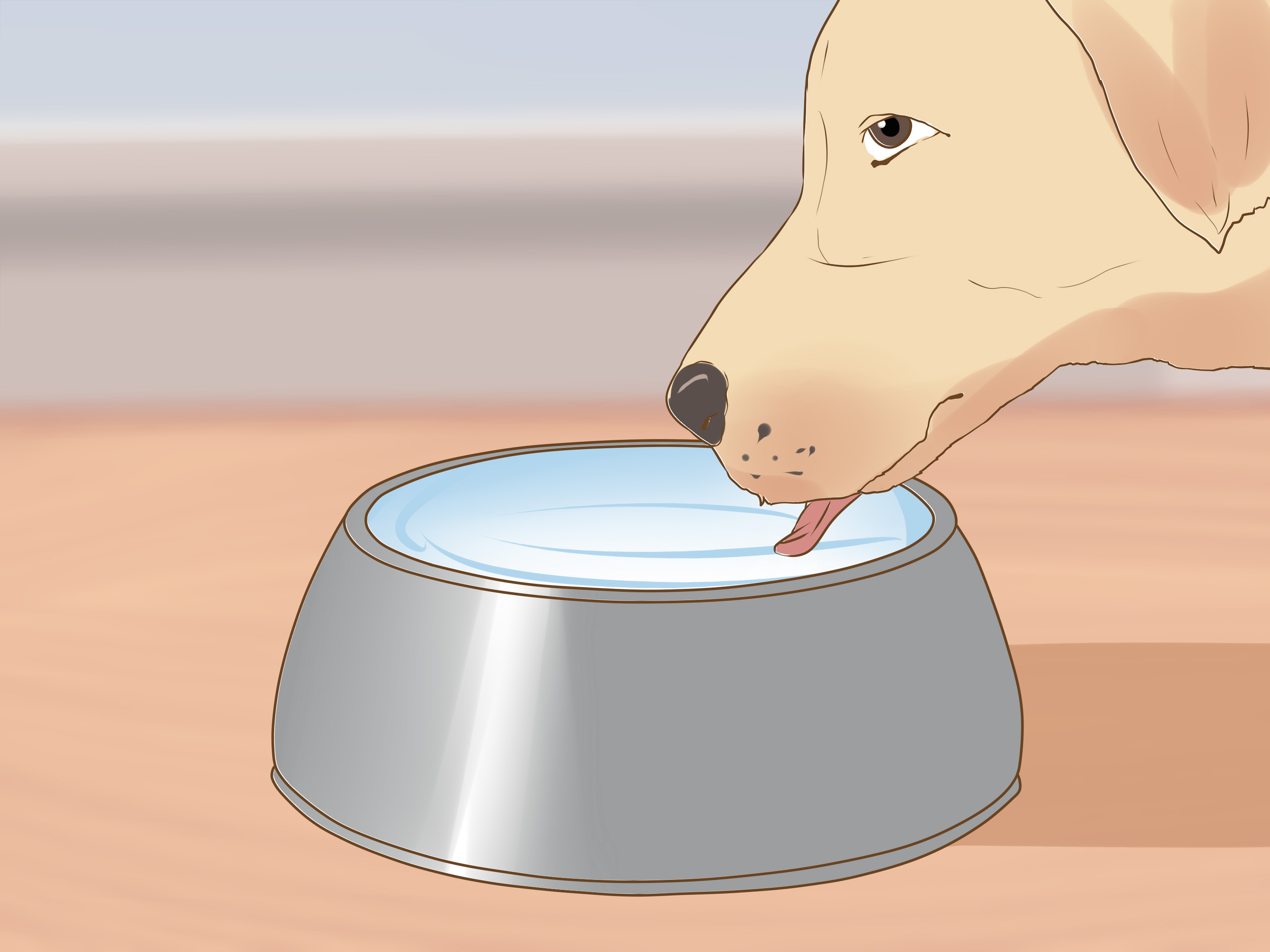
Fresh water should be available at all times. Milk production depends heavily on hydration, and a tired mother is not going to produce well if her bowl is empty, filthy, or across the room in another zip code.
Avoid random supplements, especially homemade “miracle” fixes from the internet. Calcium and other supplements should be discussed with a veterinarian, because the wrong supplement at the wrong time can cause trouble instead of preventing it.
Track the puppies, not just the vibes
When you are worried about whether the litter is feeding enough, a digital kitchen scale becomes your best friend. Weigh each puppy at the same times every day and keep notes. Puppies who are nursing well should trend upward. If one is stalling, shrinking, or always getting shoved out of the way, step in early.
Also watch for behavior clues. Puppies who finish nursing and sleep quietly are usually doing better than puppies who cry nonstop, crawl frantically, or feel cool and limp. A puppy that is too cold may not nurse effectively, so warming comes before feeding.
Supplement when needed, but do it smartly
If the mother dog is not producing enough milk, or if the litter is too large for her to feed adequately, supplemental feeding may be necessary. Use a commercial puppy milk replacer rather than cow’s milk or a random kitchen recipe. Keep the puppies warm, follow veterinary guidance on amount and frequency, and continue allowing supervised nursing when appropriate.
Supplemental feeding does not mean you have failed. It means you are using the backup generator while the main power source gets stabilized. In many cases, puppies can continue to nurse from mom for comfort, bonding, and some nutrition while also receiving extra feedings.
Know when natural weaning is part of the picture
If the puppies are around three to four weeks old, the mother may begin spending more time away from them because the weaning process is starting. Their tiny teeth begin coming in, nursing gets less comfortable, and she may prefer shorter sessions. At that stage, introducing a proper puppy gruel or soft puppy food can reduce pressure on the mother while keeping the litter well fed.
That is not the same as abandoning the litter. It is canine motherhood evolving from “all milk, all the time” to “kids, please try the mush.”
When to Call a Veterinarian Right Away
Home support has limits. Contact a veterinarian promptly if:
- The mother dog has hot, swollen, painful, discolored, or leaking mammary glands.
- She is panting heavily, trembling, pacing, walking stiffly, weak, confused, or having seizures.
- She has a fever, foul discharge, severe lethargy, collapse, vomiting, or will not eat or drink.
- The puppies are crying constantly, losing weight, feeling cold, or not latching.
- The mother refuses the entire litter for more than a brief period, especially in the first days after birth.
- You suspect low milk production, mastitis, agalactia, or any postpartum illness.
The earlier you intervene, the better the odds for both the mother dog and the puppies. Newborns do not have much room for nutritional mistakes, and postpartum illness in dogs can get serious fast.
Real-Life Experience: What Caring for a Mother Dog and Litter Often Feels Like
People who care for new litters often expect one of two movie scenes: either the mother instantly becomes a perfect, glowing supermom, or she dramatically rejects the puppies and forces everyone into a round-the-clock bottle-feeding crisis. Real life is usually messier and much more ordinary.
A very common experience is the first-time mother who seems confused for the first day or two. She may circle the box, get up too often, look back at the puppies like they are adorable but mildly inconvenient potatoes, and need repeated encouragement to lie down long enough for them to latch. In many of these cases, nothing is “wrong” in a catastrophic sense. She is simply sore, tired, hormonal, and not instantly sure what the job description is. Calm supervision helps a lot.
Another common pattern is the mother who seems willing, but one or two puppies still struggle. Caregivers often notice that the strongest puppies treat the best nipples like front-row concert tickets and the weaker puppies get boxed out. Rotating the bigger puppies, guiding the smaller ones to nurse first, and weighing everyone daily can completely change the outcome. It is one of those situations where five minutes of organization can save hours of worry.
Many experienced breeders and foster caregivers also talk about how often environmental stress gets underestimated. A mother dog who nurses beautifully in a quiet room may suddenly become restless and avoidant when the room gets busy, visitors start hovering, or another household pet keeps checking in. The fix is not complicated, but it is easy to overlook: less commotion, more consistency, and fewer people acting like they have front-row tickets to a live puppy documentary.
Pain-related nursing refusal is another situation people remember clearly because it changes the mother’s behavior so fast. A sweet dog may growl, flinch, or hop away from the puppies, and the caregiver initially thinks, “Why is she being mean?” Then they notice a swollen gland, abnormal milk, or a fever, and suddenly the puzzle pieces snap together. That moment matters because it reminds people that nursing refusal is often communication. The dog is not being difficult. She is saying, in the clearest way she can, “This hurts.”
Then there is the emotional side. Caring for a litter is joyful, but it can also be nerve-rattling. People describe sleeping lightly, checking for crying, obsessing over weights, and learning the difference between a contented squeak and an “I have concerns” squeal. The work can feel intense, especially in the first week, but experienced caregivers often say the same thing: routine makes everything easier. Weigh the puppies. Keep them warm. Watch the mother. Keep notes. Feed the mother well. Call the vet early when something looks off.
And perhaps the most reassuring experience of all is this: many rough starts do improve. A mother dog who needed help settling may nurse beautifully by day three. A litter that needed temporary supplementation may transition back to stronger nursing after the mother’s health and comfort improve. What feels chaotic at first can become surprisingly stable once the right support is in place.
The takeaway from real-world care is simple. Success usually comes from paying attention, staying calm, and responding quickly to small signs before they become big problems. It is less about heroic improvisation and more about steady, thoughtful care. In puppy terms, that is not flashy. But it works.
Conclusion
If you need to encourage a mother dog to feed her litter, focus on the three biggest levers: make nursing comfortable, reduce stress, and support milk production while monitoring the puppies closely. Most nursing problems are not solved by force. They are solved by figuring out whether the mother is painful, sick, anxious, underfed, or simply overwhelmed.
A calm setup, careful observation, and quick veterinary care when red flags appear can make the difference between a stressful start and a healthy nursing routine. And if supplementation becomes necessary, that is not a failure. It is smart, responsive care for a very small and very hungry audience.
Note: This article is for educational purposes and should not replace advice from a licensed veterinarian, especially for newborn puppies or a postpartum mother dog showing signs of illness.