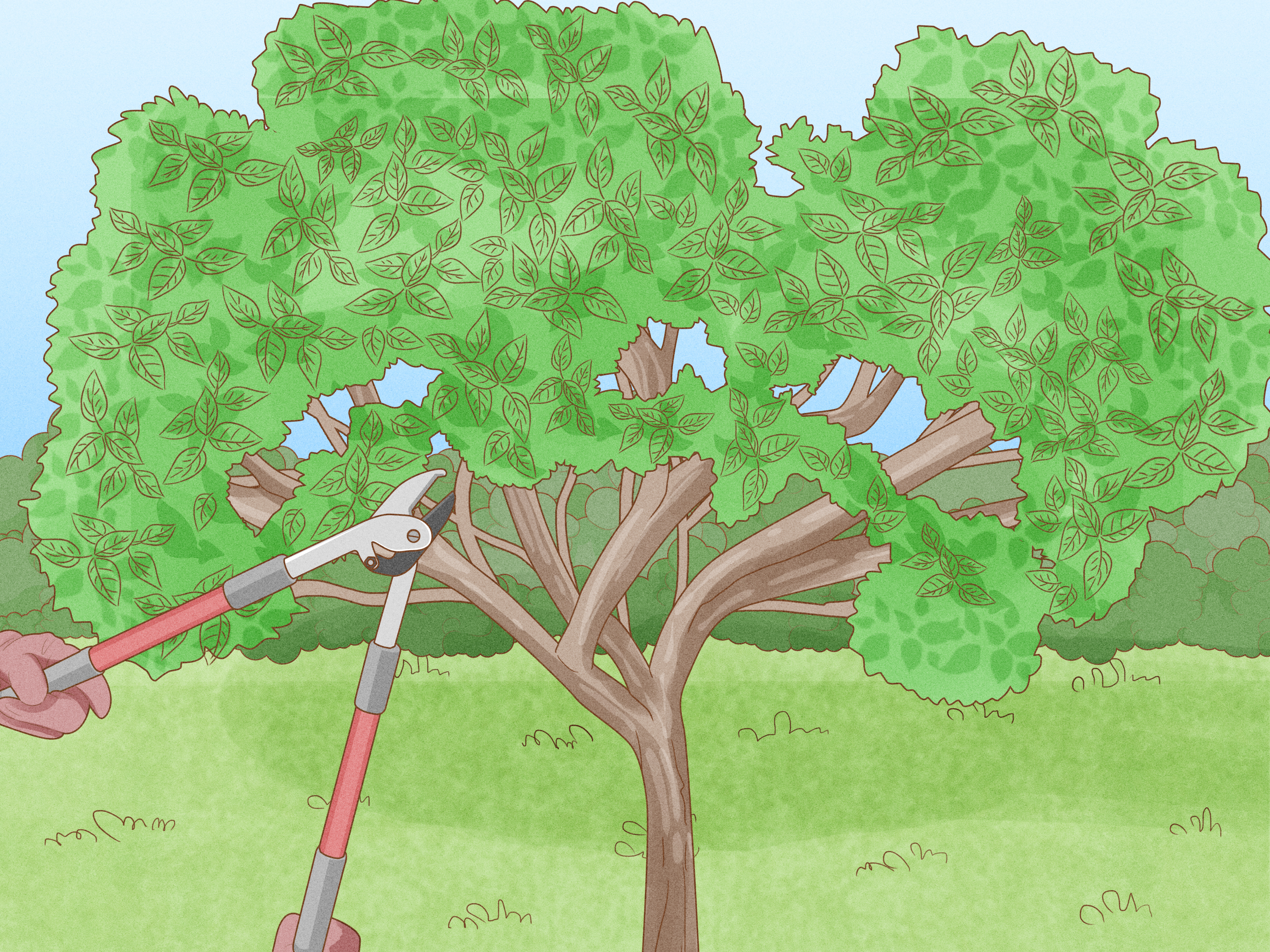
If your apple tree looks like a leafy chandelier that gave up on life sometime during the Obama administration, do not panic. A neglected apple tree can often be brought back into fruit production. It just will not happen in one dramatic weekend with a pair of bargain pruners and a heroic playlist. Restoring an old apple tree is a slow, strategic job. The goal is not to make it pretty by Saturday. The goal is to bring light back into the canopy, rebuild productive fruiting wood, improve air circulation, and help the tree make better apples instead of a thousand tiny sad ones.
That is the big secret of pruning old apple trees: you are not merely cutting branches. You are resetting the tree’s priorities. Neglected trees often grow too tall, too dense, and too shady. Fruit ends up small, poorly colored, hard to reach, and more vulnerable to pests and disease. Careful renovation pruning can improve fruit quality, sugar development, access for harvest, and overall tree health. The catch is simple: patience pays. Most old trees need a 2- to 3-year pruning plan, not a one-day makeover.
Note: Large trees, split limbs, hollow trunks, storm damage, or trees near buildings and power lines should be handled by a certified arborist. This article is educational, not a substitute for on-site safety assessment.
Why Neglected Apple Trees Stop Producing Good Fruit
An old apple tree usually becomes unproductive for a few predictable reasons. First, the canopy gets crowded. Branches shade each other, and the lower parts of the tree lose the sunlight needed to support strong fruiting wood. Second, the tree spends energy making vigorous upright shoots instead of balanced, fruitful branches. Third, years of no thinning and no corrective pruning can leave too many weak limbs, narrow branch angles, rubbing wood, suckers, and water sprouts. The result is classic orchard chaos: lots of wood, not much worth eating.
Apple trees produce fruit on spurs and on older wood, so renovation has to respect the tree’s fruiting habit. That means you cannot simply hack everything back and expect a miracle crop. Over-pruning often triggers an explosion of new upright shoots, which makes the tree even more crowded later. In other words, if you prune like you are angry at the tree, the tree tends to respond like a teenager who has discovered energy drinks.
Before You Prune: Decide Whether the Tree Is Worth Saving
Not every old tree deserves a comeback tour. Before making a restoration plan, ask a few practical questions:
- Is the trunk structurally sound, or is it badly split, hollow, or decayed?
- Does the tree still produce decent apples, even if they are small or hard to reach?
- Is the tree getting enough sunlight, or is it buried in shade from nearby trees and brush?
- Can the tree be managed safely, or is it too large and hazardous for homeowner maintenance?
If the trunk is solid and the tree is generally healthy, old or neglected apple trees can often be rejuvenated. If the tree is severely diseased, dangerously unstable, or permanently shaded, replacement may be the smarter choice. There is no shame in planting a younger apple tree nearby while keeping the old one only if it still has sentimental or wildlife value.
Best Time to Prune an Old Apple Tree
For most climates, the best time to prune is late winter to early spring, while the tree is dormant and before strong new growth begins. This timing makes the branch structure easier to see, reduces stress on the tree, and generally lowers disease risk compared with pruning during active growth. Dormant pruning is also when you can most clearly spot the tree’s real framework instead of guessing through a jungle of leaves.
That said, local disease pressure matters. In areas where fire blight is a concern, heavy pruning on older apple trees should be conservative and guided by local extension recommendations. Sanitation matters too. Clean, sharp tools make cleaner cuts and reduce the chance of spreading disease.
The Real Goal of Renovation Pruning
When pruning a neglected apple tree to produce fruit, your objectives are straightforward:
- Reduce excessive height so fruit is lower, safer, and easier to manage.
- Open the canopy so sunlight reaches the interior and lower scaffolds.
- Keep or rebuild strong scaffold branches with wide angles.
- Remove dead, diseased, broken, crossing, rubbing, and inward-growing wood.
- Encourage vigorous but controlled fruiting wood instead of a mess of vertical shoots.
That is why experienced growers often talk about bringing the tree back to a more pyramidal or conical form. A tree that is narrower toward the top and broader lower down allows better light distribution. Think of it less like a giant green beach umbrella and more like a shape that actually lets sunshine do some work.
How Much Should You Remove?
Here is where many people go wrong: they remove too much, too fast. A neglected tree may tempt you to cut away half the canopy in one glorious burst of optimism. Resist that urge. In most cases, you should remove only about one-quarter to one-third of the live canopy in a year. Bigger cuts can shock the tree, trigger excessive regrowth, increase sunscald risk, and delay the return of balanced fruit production.
If your tree is very tall and overgrown, plan on a multi-year renovation. Year one is about triage and structure. Year two continues height reduction and thinning. Year three refines the framework and manages regrowth. Fruit production often improves as the tree regains light and balance, but patience is part of the job description.
A Safe, Fruit-Focused Pruning Sequence
1. Start with dead, diseased, and broken wood
This is the easiest place to begin and the most universally recommended first step. Removing dead and damaged wood improves safety, reduces clutter, and helps you see what healthy structure remains. On some very old trees, this alone may be enough for the first season.
2. Remove obvious problem branches
Next, target branches that cross, rub, crowd each other, or grow inward. Eliminate weak, narrow-angled limbs that are likely to split under fruit load. Also remove branches that hang down, shade better limbs below them, or create dense branch clusters in the middle of the canopy.
3. Thin out water sprouts and suckers
Water sprouts are those fast, upright shoots that shoot for the sky like they are trying to escape responsibility. They clutter the canopy and rarely help fruit production in their current position. Suckers growing from the base or lower trunk should also be removed. After heavy pruning, expect more of them. That is normal. It is the tree reacting, not plotting revenge.
4. Lower the height gradually
Height reduction is often essential in neglected apple tree care, but it should be done over time. Cut back overextended upper portions to strong laterals or suitable framework branches rather than simply topping everything flat. The point is to reduce height while preserving a workable structure and encouraging lower, better-lit fruiting wood.
5. Keep the best-angled scaffold branches
Strong, productive branches generally have wider angles from the trunk. Branches that are too vertical tend to be vigorous but not very fruitful, while extremely horizontal or pendant branches may struggle under a fruit load. The branches you keep should form the backbone of the renewed tree.
6. Let sunlight into the upper half without stripping the lower half
Most removal on old trees happens in the upper canopy because that is where shading usually begins. As more light reaches the lower limbs, those areas can start rebuilding productive fruiting wood. This matters because the lower canopy is where you want more accessible, better-colored apples in future years.
What to Expect in Year One, Year Two, and Year Three
Year One: Rescue, do not remodel
In the first year, focus on dead wood, broken limbs, the worst crowding, and the beginning of height reduction. Clear brush or competing trees if the apple tree is buried in shade. This first stage is about creating light and air movement. Do not chase perfection. A dramatic haircut may feel satisfying, but the tree will not thank you.
Year Two: Improve structure and control regrowth
By the second dormant season, you will usually see a flush of new shoots near large pruning cuts. Remove most unwanted regrowth, especially vigorous upright shoots in the top of the tree. Continue reducing height only as much as the tree can handle. Reassess the permanent framework and keep working toward an open, balanced canopy.
Year Three: Shift toward maintenance and fruit quality
By year three, the tree should be easier to read. The framework is clearer, light reaches farther down, and lower limbs have a better chance to support productive fruiting wood. At this point, pruning becomes less about rescue and more about maintenance: remove new clutter, keep the canopy open, and preserve the shape that supports quality fruit.
Do Not Forget the Rest of the Care Plan
Pruning alone does not fix everything. If you want neglected apple trees to produce better fruit, you also need to think about sunlight, sanitation, nutrition, and crop load.
Clear competing shade
Apple trees do not perform well in heavy shade. If brush, volunteer trees, or neighboring growth are stealing light, clear them back where appropriate. Sometimes fruit quality improves not because you made a fancy pruning cut, but because the tree finally gets enough sun to behave like an apple tree again.
Practice orchard sanitation
Rake up fallen leaves, remove rotting or mummified fruit, and clean up diseased debris. Good sanitation can help reduce disease and insect pressure. This is not glamorous work, but neither is biting into an apple that looks like it lost a bar fight.
Do not over-fertilize
Old apple trees do not always need extra nitrogen. In fact, too much fertilizer can fuel vigorous shoot growth at the expense of balanced fruiting. A soil test is the smartest way to decide what the tree actually needs. Healthy, moderate growth is the goal.
Thin the fruit when needed
Apples often overcrop, especially once a restored tree starts feeling productive again. Too much fruit can lead to smaller apples, broken limbs, and irregular bearing. Thoughtful fruit thinning helps improve size, quality, and branch safety.
Common Mistakes That Ruin Fruit Production
- Removing too much in one year: This causes stress and a jungle of regrowth.
- Ignoring shade: A beautifully pruned tree still struggles if sunlight never reaches it.
- Keeping every branch because it “might fruit”: Crowded trees usually produce worse fruit, not more useful fruit.
- Leaving water sprouts unchecked: They quickly undo the open canopy you worked to create.
- Forgetting annual follow-up: Rejuvenation is not a one-and-done project.
- Pruning for looks instead of structure: Apple trees care more about light, angles, and balance than symmetry.
How Long Until the Tree Produces Better Apples?
Usually, improvement comes in stages. You may see some better fruit color and easier harvest after the first year simply because more light reaches the canopy. More meaningful changes in fruit size, sugar content, accessible fruiting wood, and overall productivity often show up after two or three seasons of consistent pruning and maintenance. Neglected trees do not become model citizens overnight. But many do become far more useful, manageable, and productive with the right renovation plan.
Final Thoughts
If you want to know how to prune old or neglected apple trees to produce fruit, remember this: prune for light, structure, and patience. Remove the worst problems first. Lower the canopy gradually. Keep strong scaffold branches. Control water sprouts. Do not try to fix ten years of neglect in ten minutes. The best restored apple trees are not the ones that were cut the hardest. They are the ones that were cut with a plan.
And that plan is wonderfully unglamorous: a little less height, a little more light, a little less clutter, and a lot more consistency. The reward is not just a healthier tree. It is fruit you can actually reach, actually use, and maybe even brag about to the neighbors who thought the tree was done for. Nothing says victory quite like handing someone a good apple from a tree they had already written off.
Real-World Experience: What Restoring an Old Apple Tree Actually Feels Like
People often imagine that restoring an old apple tree is a neat before-and-after story. In real life, it is more like cleaning out a garage that has been ignored for fifteen years. At first, everything looks important. Every limb seems like it might be useful, every twig looks like it has potential, and every cut feels risky. Then sunlight hits the center of the tree for the first time in years, and suddenly the structure starts making sense.
One of the most common experiences growers describe is surprise at how much of the tree was effectively doing nothing. A neglected apple tree can look huge and impressive from a distance, yet most of that bulk may be unproductive wood, shaded interior growth, or branches carrying fruit only at the very top. Once the upper canopy is thinned and the tree begins to open, the lower limbs often respond better than expected. You start seeing short, promising shoots and healthier spur development where there used to be only shade and frustration.
Another very real experience is disappointment after the first pruning session. Home gardeners often expect instant transformation. Instead, the tree can look awkward for a while. It may even look worse before it looks better. There are gaps where branches used to be, the shape is not yet refined, and new upright shoots may burst out the following season as if the tree took your renovation personally. That is normal. Restoration is a conversation over several years, not a one-time speech.
There is also a practical lesson that comes up again and again: the best fruit usually follows the best light. Gardeners who finally clear competing brush or thin the upper canopy often notice that apples lower in the tree color better, dry faster after rain, and become easier to harvest and sort. The tree does not become younger, but it becomes more cooperative. That is a huge win.
Perhaps the most satisfying part of the process is emotional, not technical. Old apple trees often come with family history. They were planted by grandparents, came with the property, or marked the edge of an old farmstead long before the current owner arrived. Restoring one can feel less like routine maintenance and more like reviving a stubborn old storyteller. The tree may never become perfect, but it can become productive enough to justify the effort. And when a once-neglected tree starts offering usable fruit again, it feels less like gardening and more like a comeback story with snacks.