Note: This article is for educational purposes only. Lemon balm may support wellness for some people, but it is not a cure, a substitute for medical care, or a magical green leaf that files your taxes and fixes your sleep schedule. Always talk with a qualified healthcare professional before using herbal supplements, especially if you are pregnant, breastfeeding, managing thyroid disease, taking sedatives, preparing for surgery, or using prescription medication.
Lemon balm, also known by its botanical name Melissa officinalis, is a lemon-scented herb from the mint family. It looks a bit like mint, smells like someone politely introduced a lemon to a garden, and has been used for centuries in teas, tinctures, capsules, creams, and kitchen recipes. Today, lemon balm is best known as a calming herb, but its potential benefits go beyond “sip tea and pretend your inbox does not exist.”
Modern research has explored lemon balm for stress, sleep, mood, digestion, cognition, cold sores, and antioxidant activity. The science is not equally strong for every claim. Some studies are small, some use herbal blends rather than lemon balm alone, and many researchers agree that larger clinical trials are needed. Still, lemon balm remains one of the most popular herbs for people looking for gentle support during everyday stress, mild digestive discomfort, and restless evenings.
Below are six researched benefits of lemon balm, explained in plain American English, with practical examples, safety notes, and enough detail to help readers understand what this little leafy overachiever may actually do.
What Is Lemon Balm?
Lemon balm is a perennial herb in the Lamiaceae family, the same plant family that includes mint, basil, rosemary, oregano, and other kitchen celebrities. Its leaves are green, slightly wrinkled, and pleasantly citrusy when crushed. Historically, lemon balm has been used in European, Mediterranean, and Middle Eastern herbal traditions for relaxation, digestion, and general wellness.
The plant contains several naturally occurring compounds that researchers believe may contribute to its effects. These include rosmarinic acid, caffeic acid, flavonoids, tannins, citral, citronellal, geraniol, linalool, oleanolic acid, and ursolic acid. That may sound like a chemistry class escaped into a teacup, but the short version is simple: lemon balm contains aromatic oils and plant compounds associated with calming, antioxidant, anti-inflammatory, and antimicrobial activity.
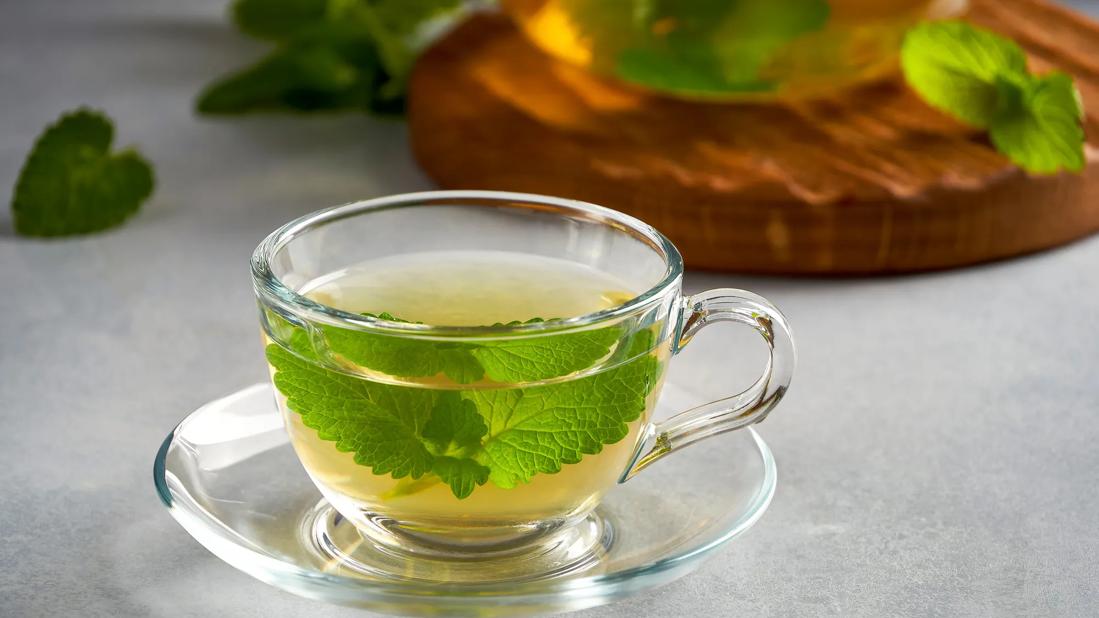
You can use lemon balm in several forms. Fresh leaves can be added to salads, fruit drinks, sauces, and herbal tea. Dried leaves are commonly steeped as tea. Extracts, capsules, tinctures, and topical creams are also available. However, concentration varies widely between products, so a cup of tea is not the same as a high-strength extract. In other words, “lemon balm” on a label can mean anything from a gentle bedtime brew to a supplement that deserves a serious conversation with your doctor.
1. Lemon Balm May Help Reduce Stress and Promote Calm
One of the most popular benefits of lemon balm is its calming effect. Many people drink lemon balm tea when they feel tense, overstimulated, or mentally fried after a long day. Research suggests lemon balm may help reduce certain symptoms of stress and anxiety, such as worry, excitability, and nervous tension. The effect is generally described as mild, not sedating in the way a strong medication might be.
Scientists are especially interested in how lemon balm may interact with the brain’s calming pathways. Some research suggests lemon balm compounds may influence GABA activity. GABA is a neurotransmitter involved in relaxation and nervous system balance. When people say lemon balm helps them “take the edge off,” this is one possible reason researchers are studying.
For example, someone dealing with pre-meeting jitters might drink a cup of lemon balm tea during the afternoon instead of reaching for a third coffee. The goal is not to erase stress completely. Life is not a spa commercial. The goal is to support a calmer response so the body does not feel like it is running from a tiger when the “tiger” is just a calendar notification.
Best Practical Use
Lemon balm may be most useful for mild, occasional stress. It should not be used as the only strategy for severe anxiety, panic attacks, depression, trauma, or ongoing emotional distress. In those cases, professional support, therapy, lifestyle changes, and medical care matter far more than any herbal tea.
2. Lemon Balm May Support Better Sleep
Lemon balm is often found in bedtime teas and sleep-support blends. Its reputation as a sleep-friendly herb comes from its calming properties. If your sleep trouble is linked to mild stress, racing thoughts, or evening restlessness, lemon balm may help create a smoother transition into sleep.
Some studies have examined lemon balm alone, while others have tested it in combination with herbs such as valerian. This distinction matters. When a study uses a blend, researchers cannot always say whether lemon balm caused the benefit by itself or whether the combination did the heavy lifting. Still, lemon balm’s long history of use and its calming profile make it a common choice for people who prefer caffeine-free herbal drinks at night.
A simple evening routine might include turning off bright screens, dimming the lights, and drinking warm lemon balm tea about an hour before bed. The tea itself can become part of a sleep cue: same mug, same time, same “please stop thinking about tomorrow’s problems” ritual. Herbal support works best when paired with good sleep hygiene, not when used as a rescue boat after scrolling social media until 2 a.m.
Sleep Safety Note
Because lemon balm may cause drowsiness in some people, it is wise to be careful with alcohol, sedatives, sleep medications, or other calming supplements. Anyone who regularly struggles with insomnia, loud snoring, breathing interruptions, or daytime sleepiness should speak with a healthcare provider. Sleep problems can have medical causes, and lemon balm tea cannot diagnose sleep apnea from across the room.
3. Lemon Balm May Aid Mild Digestive Discomfort
Lemon balm has traditionally been used as a digestive herb. It has been associated with easing gas, bloating, indigestion, mild stomach cramps, and general digestive unease. Some herbal digestive remedies include lemon balm alongside peppermint, ginger, fennel, artichoke, coriander, or other botanicals.
The potential digestive benefit may come from lemon balm’s antispasmodic properties, meaning it may help relax smooth muscle activity in the gastrointestinal tract. This could explain why people have historically used it after meals or during episodes of mild bloating. Imagine your stomach saying, “We are processing dinner,” and lemon balm replying, “Great, but let’s do it without the drama.”
However, the evidence is not perfect. Some studies use lemon balm as part of an herbal combination, making it hard to credit lemon balm alone. Also, occasional bloating after a giant plate of nachos is different from chronic abdominal pain, reflux, unexplained weight loss, blood in stool, or persistent nausea. Those symptoms need medical evaluation.
Best Practical Use
For occasional digestive discomfort, lemon balm tea after meals may be a gentle option. It should not replace medical care for ongoing gastrointestinal symptoms. People with acid reflux should also pay attention to personal reactions, because herbs can affect individuals differently.
4. Lemon Balm May Support Mood and Emotional Balance
Several reviews and clinical studies have explored lemon balm’s possible role in mood support. Some research suggests it may help with mild anxiety symptoms and may have potential benefits for mood. This does not mean lemon balm is an antidepressant, and it should never be marketed as a cure for depression. But it may be a supportive habit for people who want a calming ritual as part of a broader wellness routine.
Mood is influenced by many factors: sleep, nutrition, sunlight, movement, social connection, hormones, stress, medical conditions, and mental health history. Lemon balm may help one piece of the puzzle by encouraging relaxation and reducing tension. It is not the whole puzzle, the box, and the table underneath.
For example, someone who feels emotionally drained after work might make lemon balm tea while preparing a simple dinner, then take ten minutes away from screens. The benefit may come from the herb, the ritual, the pause, the warm drink, or all of the above. Real life rarely separates variables as neatly as a lab study.
Important Mental Health Note
If sadness, anxiety, hopelessness, or loss of interest lasts more than a couple of weeks or affects daily life, it is important to talk with a healthcare professional or trusted adult. Herbal products can be supportive for some people, but they are not a replacement for proper mental health care.
5. Lemon Balm May Help With Cold Sore Care
Lemon balm has been studied for topical use against cold sores, which are commonly caused by herpes simplex virus. Some research suggests lemon balm may have antiviral activity, and topical creams containing lemon balm extract have been explored for soothing and supporting the healing process of cold sores.
This benefit is different from drinking lemon balm tea. A topical cream is applied to the skin, while tea is consumed. They are not interchangeable. Drinking tea and expecting it to behave like a medicated cream is like emailing your toaster and waiting for toast.
If using lemon balm topically, choose products designed for skin use and follow label directions. Essential oils should not be applied full-strength to the skin because they may cause irritation. Skin around the lips is sensitive, and cold sores are already annoying enough without adding “accidental botanical burn” to the schedule.
When to Get Medical Advice
People with frequent, severe, painful, or spreading cold sores should ask a healthcare provider about evidence-based antiviral treatments. Anyone with a weakened immune system should be especially careful and seek professional guidance.
6. Lemon Balm Provides Antioxidant Plant Compounds
Lemon balm contains antioxidants, including rosmarinic acid and other phenolic compounds. Antioxidants help protect cells from oxidative stress, a process linked to normal aging and many chronic health concerns. This does not mean lemon balm will make anyone immortal, although that would certainly improve its marketing department.
Antioxidant activity is one reason lemon balm is studied for broader wellness applications. Laboratory and preclinical studies have explored its anti-inflammatory, antimicrobial, and neuroprotective potential. Human evidence is still developing, and researchers continue to investigate which preparations, doses, and populations may benefit most.
From a practical nutrition perspective, lemon balm fits nicely into a plant-rich lifestyle. Fresh leaves can brighten fruit salads, iced tea, sparkling water, yogurt, grain bowls, and homemade dressings. It adds flavor without caffeine and without much sugar, making it a useful herb for people trying to build healthier daily routines.
Food First, Supplement Second
For many people, using lemon balm as a culinary herb or tea is the simplest approach. Supplements may be more concentrated and should be treated with more caution. More is not automatically better. Sometimes more is just more expensive and harder on your stomach.
How to Use Lemon Balm Safely
Lemon balm can be used in several common ways. Tea is the most beginner-friendly option. Add dried lemon balm leaves to hot water, steep for several minutes, strain, and sip. Fresh leaves can also be used, especially if you grow the herb at home. Capsules and tinctures are more concentrated and should be used according to product directions and professional guidance.
Potential side effects may include nausea, stomach discomfort, dizziness, headache, skin irritation, allergic reactions, or drowsiness. Some sources advise caution for people with thyroid disease, diabetes, those using sedative medications, and those preparing for surgery. Pregnancy and breastfeeding safety is not well established, so avoiding medicinal use during those times is generally recommended unless a qualified clinician says otherwise.
Quality also matters. In the United States, dietary supplements are regulated differently from prescription drugs. That means product strength and purity can vary. Look for reputable brands that use third-party testing when possible. Also, read labels carefully. A product called “calming lemon balm blend” may include valerian, passionflower, melatonin, chamomile, magnesium, or other ingredients that change the safety picture.
Who Should Be Careful With Lemon Balm?
Lemon balm is generally considered well tolerated for short-term use in typical amounts, but it is not right for everyone. People should be cautious if they:
- Are pregnant or breastfeeding
- Have thyroid disease or take thyroid medication
- Use sedatives, sleep aids, anti-anxiety medication, or alcohol
- Have diabetes or take medication that affects blood sugar
- Are scheduled for surgery
- Have allergies to plants in the mint family
- Are giving supplements to children
For children and teens, adult guidance matters. Herbal products can still have real effects, and “natural” does not automatically mean “safe for everyone.” A cup of mild tea is very different from a concentrated extract or tincture.
of Real-Life Experiences With Lemon Balm
One of the reasons lemon balm remains popular is that it fits easily into everyday life. It does not require a complicated wellness routine, a subscription box, or a cabinet full of mysterious powders. For many people, lemon balm begins as a simple tea. They try it on a stressful evening, notice the gentle citrus-mint aroma, and realize that the act of making tea is half the benefit. Heating the water, waiting for the leaves to steep, holding a warm mug, and slowing down for ten minutes can turn into a small daily reset.
A common experience is using lemon balm during the “transition hour” after work or school. This is the awkward part of the day when the body is home but the brain is still answering emails, replaying conversations, or worrying about tomorrow. Lemon balm tea can become a boundary marker. Instead of jumping straight from stress into chores, a person might sit down, sip slowly, and give the nervous system a chance to downshift. The herb is not doing emotional gymnastics alone; the routine helps too.
Gardeners often describe lemon balm as both delightful and slightly ambitious. It grows easily in many temperate climates and can spread quickly if left unchecked. This is charming until it starts acting like it owns the herb bed. Growing lemon balm in a container can help keep it manageable. Fresh leaves can be harvested for tea, chopped into fruit salad, added to lemonade, or used to brighten plain water. The scent alone can make a kitchen feel fresher, as if a tiny botanical cleaning crew passed through.
People who use lemon balm for sleep often prefer it as part of a nighttime ritual rather than a last-minute emergency solution. They may drink it after dinner, turn down bright lights, avoid heavy snacks, and keep their phone away from the bed. In this setting, lemon balm works like a polite suggestion to relax, not a hammer. Some people feel sleepy after drinking it, while others simply feel calmer. Individual reactions vary, which is why starting with a small amount is sensible.
For digestion, lemon balm is often used after rich meals. A warm cup may feel soothing when the stomach is full, gassy, or mildly unsettled. Some people combine it with ginger or peppermint, though blends should be chosen carefully depending on personal tolerance. The experience is usually subtle: less tightness, less burping, or simply a calmer feeling after eating. It is not a license to eat three plates of nachos and blame science later.
Another practical experience is using lemon balm as a caffeine-free afternoon drink. People who are sensitive to coffee sometimes want something warm and comforting without the jittery sequel. Lemon balm tea can fill that role nicely. It has flavor, aroma, and ritual without caffeine. For writers, students, remote workers, and anyone who spends too much time staring at screens, this small change can make the afternoon feel less frantic.
The best personal results usually come when lemon balm is treated as support, not a miracle. It pairs well with sleep hygiene, balanced meals, gentle movement, breathing exercises, sunlight, and reasonable screen habits. Used thoughtfully, lemon balm can be a pleasant herbal ally: calm, lemony, and far less dramatic than most group chats.
Conclusion: Is Lemon Balm Worth Trying?
Lemon balm is a gentle, fragrant herb with a long history and growing scientific interest. Its best-supported uses involve calm, mild stress relief, sleep support, digestive comfort, mood balance, topical cold sore care, and antioxidant activity. While the research is promising, it is not final. Larger and better-designed human studies are still needed, especially for specific conditions and long-term use.
For most healthy adults, lemon balm tea can be a simple and enjoyable addition to a wellness routine. Supplements and concentrated extracts require more caution. As with any herb, the smartest approach is practical: start low, pay attention to your body, buy quality products, and ask a healthcare professional when medical conditions or medications are involved.
In short, lemon balm is not a miracle cure. It is more like a calm friend who shows up with tea, speaks softly, and reminds you that not every problem needs to be solved at midnight. Honestly, we could all use that friend.